Bündner Gerstensuppe (barley soup)
A thick barley soup from Graubünden's mountain huts
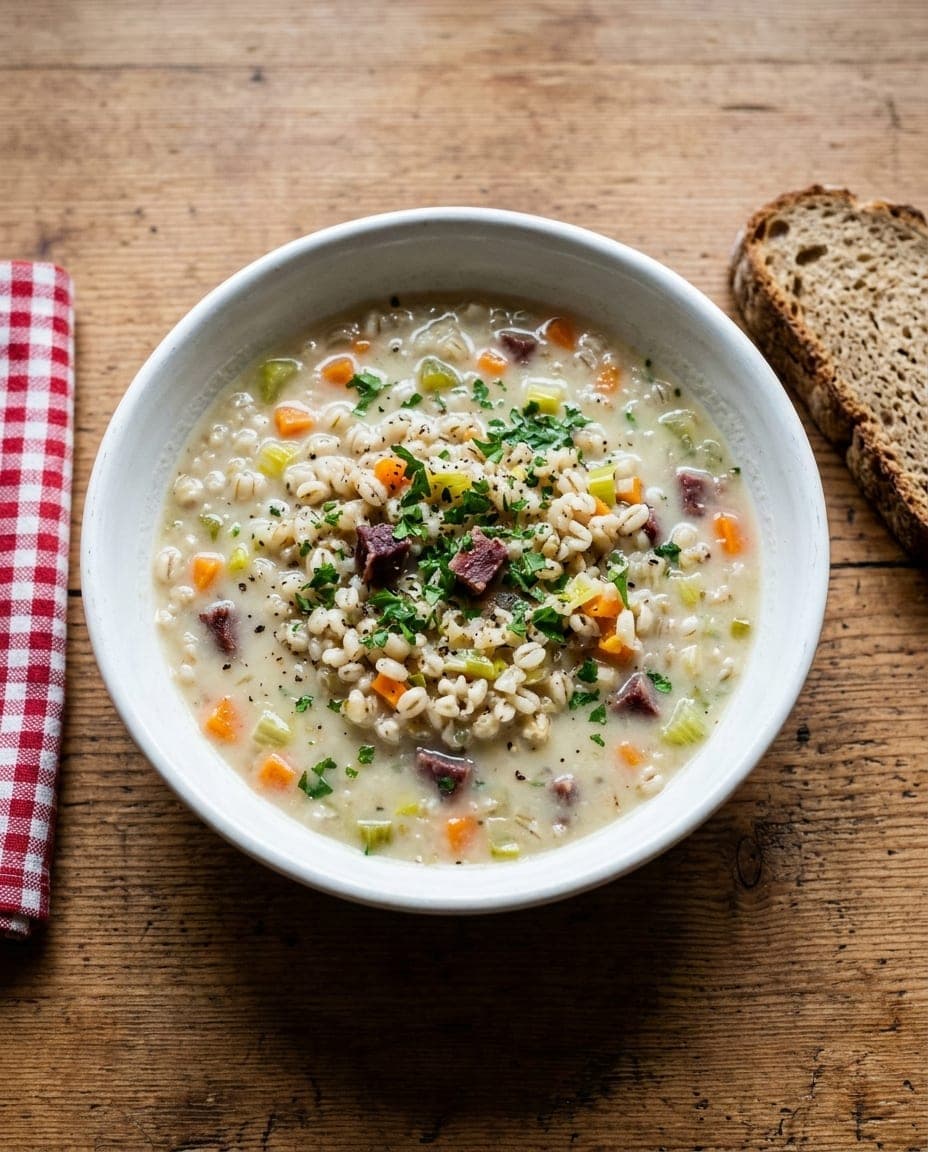
- Local name
- Bündner Gerstensuppe
- Served with
- Bread
- Best eaten at
- A Graubünden mountain hut
What it is
Bündner Gerstensuppe is the quintessential winter dish of the Swiss canton of Graubünden. It is a thick, hearty soup made from pearl barley, vegetables and leeks, sometimes with dried beans, enriched with pieces of Bündnerfleisch, smoked bacon or ham, and often finished with a swirl of cream. The texture is substantial, often described as porridge-like, yet it remains a savoury meal rather than a breakfast item.
The soup is not a starter but a main course. It is designed to be filling and warming, providing the energy needed for cold days in the mountains or long walks through snow-covered valleys. As the barley absorbs the broth, the consistency thickens further, which is why it is often served in deep bowls that can hold a generous portion.
Why Graubünden eats barley
The history of this dish is rooted in the geography of the canton rather than a specific culinary invention. Graubünden, or the Grisons, features high Alpine valleys where the climate is too harsh for wheat to ripen reliably. Barley, with its short growing season, copes better and was long a staple crop of the mountain valleys.
In the past, farmers grew barley as a practical solution to the short growing season. The grain was ground into flour or cooked whole, but the soup form became particularly popular among mountain communities. It allowed cooks to stretch small amounts of meat and dried goods into a large pot that could feed a family or a group of hikers.
The dish is bound up with the region's winter culture. It appears on menus in Chur and the valley towns, but it is just as much at home in the mountain hut. In these remote shelters, where ingredients must be stored for months, barley and dried beans are ideal. The soup provides a reliable source of warmth and calories after a day of skiing or hiking in the cold air.
What goes into it
There is no single standard recipe, as each kitchen in Graubünden has its own variation based on what is available from the larder. However, the core components remain consistent across the canton:
- Pearl barley, which forms the base of the soup and gives it a nutty flavour and thick texture.
- Vegetables such as carrots, celeriac and cabbage, cut small so they soften during the long cooking time.
- Leeks, and in some kitchens dried white beans, which add substance and a mild sweetness.
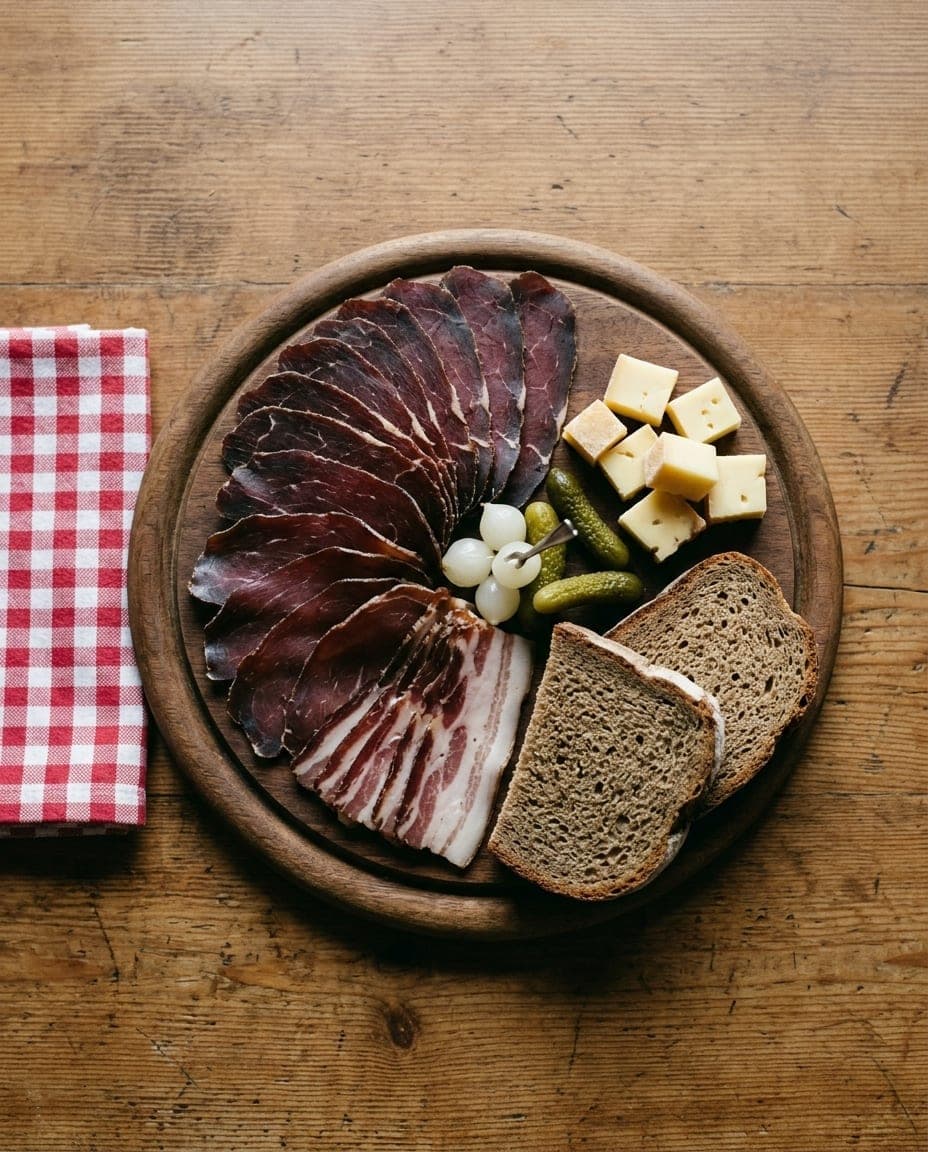
- Cured meat, typically Bündnerfleisch (air-dried, unsmoked beef) together with smoked bacon or ham, sometimes with a bone to enrich the broth.
- Cream, stirred in at the end to create a velvety finish and balance the savoury depth of the meat.
The taste comes from two things: barley cooked long enough to give up its starch, and cured and smoked meat in the pot from the beginning.
How to eat it
Bündner Gerstensuppe is best enjoyed as a lunch or early dinner meal, particularly in the mountains. In a mountain hut, it usually comes in deep bowls that retain heat well. Diners are expected to eat with a spoon and use thick slices of dark rye bread or sourdough to mop up the remaining broth.
The soup is usually accompanied by a piece of bread on the side, which can be dipped directly into the bowl. In some huts, the bread is toasted first to provide a contrast to the soft barley. A glass of local white wine or a hot herbal tea is a common pairing, though water is often preferred for those who have been active outdoors.
Portions in a hut are built for people who have walked to get there.
Curious facts
- A winter staple. Barley was historically grown where wheat failed, making this soup a practical solution for mountain communities with short growing seasons.
- Texture changes over time. The soup thickens as it stands, which is why it is often served immediately after cooking or reheated gently before serving.
- Mountain hut tradition. Many mountain restaurants in Graubünden serve the dish, making it a reliable option for hikers and skiers.
- No single origin. There is no specific village or date tied to its creation; it evolved as a common practice across the canton's valleys.
- Regional identity. While known throughout Switzerland, it remains a symbol of Graubünden rather than a nationwide dish found everywhere.
Where to try it
A mountain hut in Graubünden in winter, where it is a fixture on the board. Chur, Davos and the valley towns serve it year-round in traditional restaurants.
It is also sold as a ready-made soup in packets and tins across Switzerland, and the gap between that and a hut version made with a ham bone is wide.
Where to try it
2 destinations
 Panoramic Trains
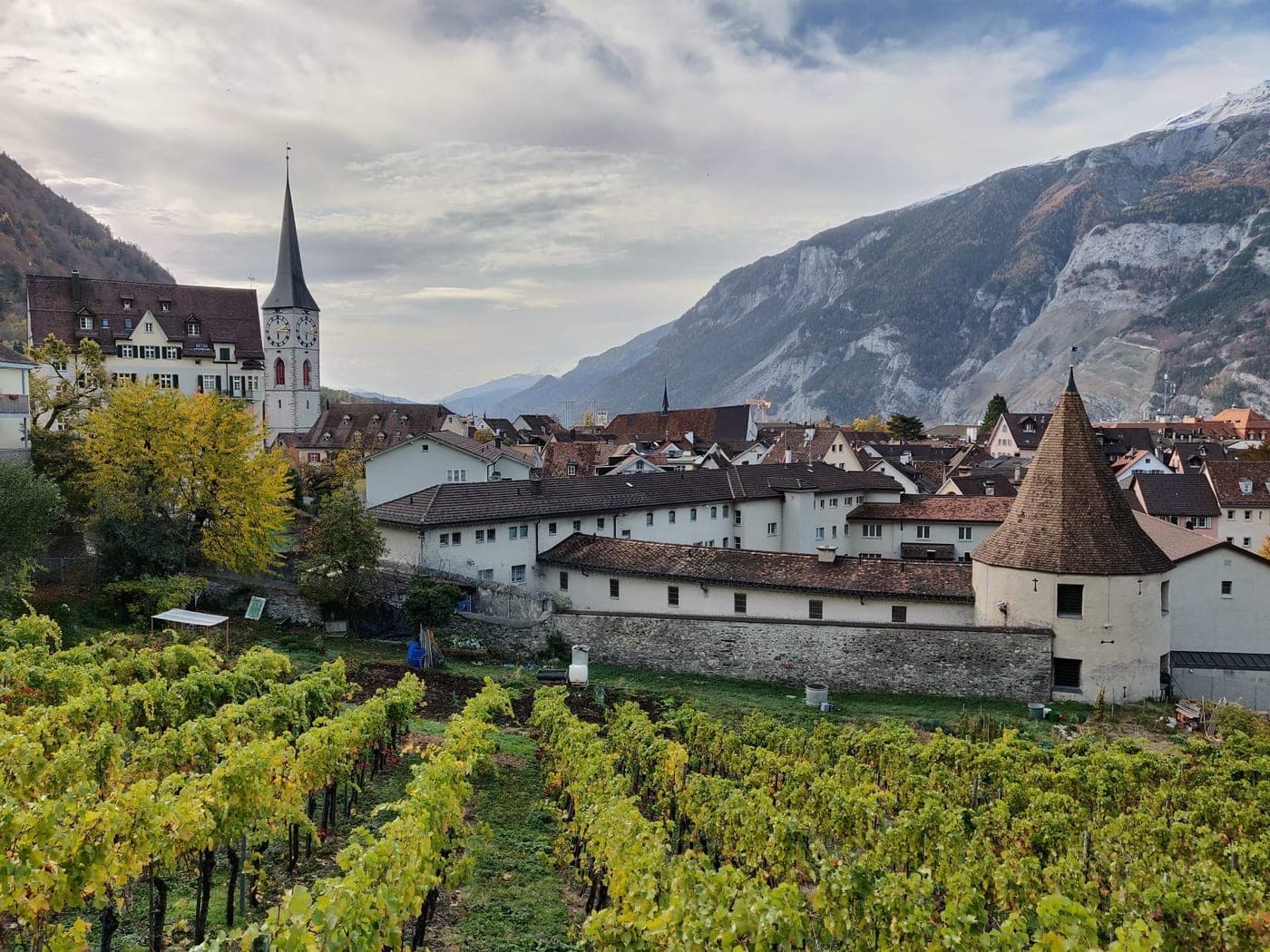
Chur
Historic town with a charming old town and rich cultural heritage.
Panoramic TrainsHiking Panoramic Trains
Domat/Ems
Rhine valley town with Roman roots, industry, Alpine foothill setting.
Panoramic Trains
1 region
- Panoramic Trains15 destinations
Graubünden
Graubünden is Switzerland's largest canton, known for its stunning alpine landscapes and unique cultural heritage. The region is famous for its diverse languages, with Romansh being one of the official languages. Notable cities include Chur, the oldest city in Switzerland, and the resort town of St. Moritz, renowned for winter sports and luxury. The area boasts the breathtaking Engadin Valley, home to picturesque villages like Sils and Maloja, and offers excellent hiking trails in the Swiss National Park. Graubünden is also known for its traditional cuisine, including hearty dishes like Capuns and Pizzoccheri, reflecting its rich agricultural roots. The region hosts lesser-known festivals that celebrate local traditions, adding to its authentic character.
Panoramic TrainsHiking