Polvo de Santa Luzia
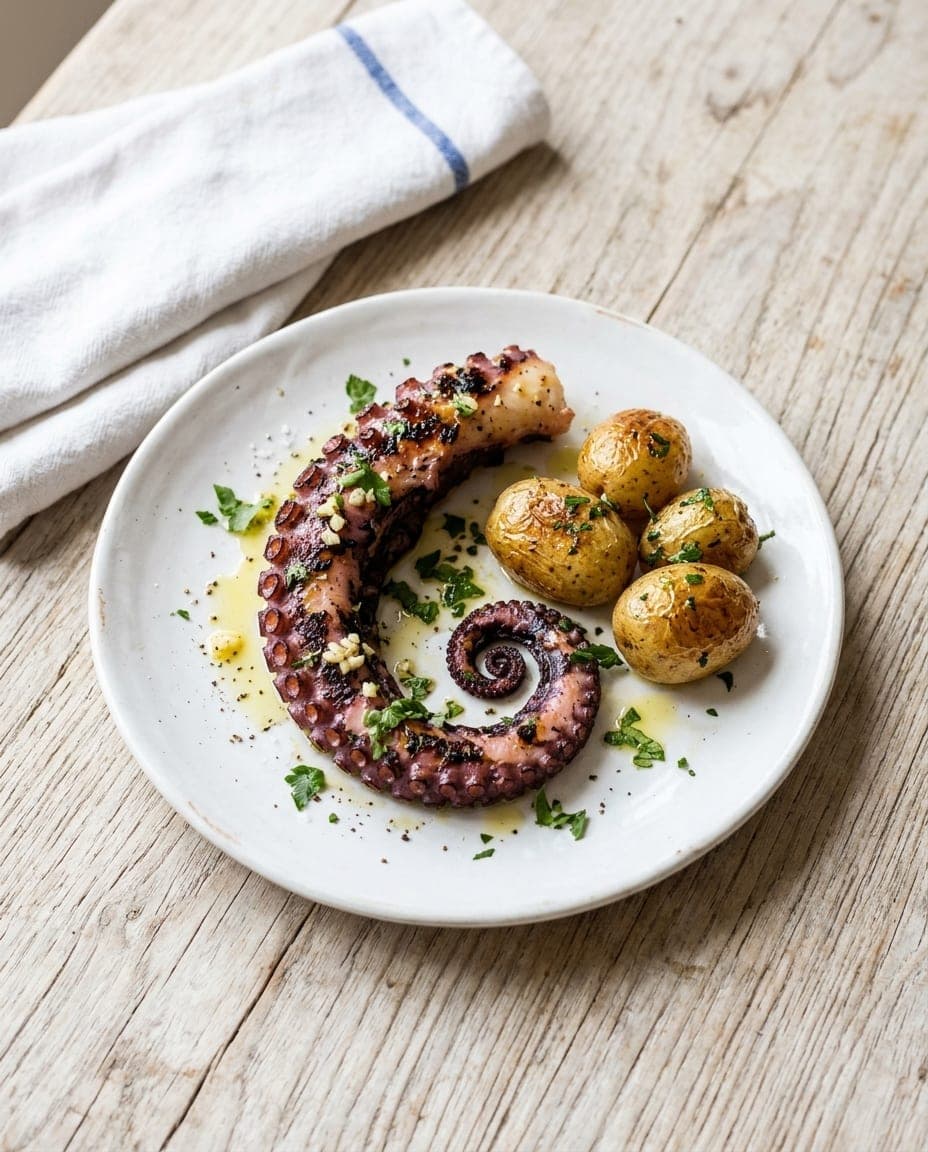
Octopus from the pots, grilled with potatoes
- Local name
- Polvo de Santa Luzia
- Served with
- Potatoes, olive oil
- Best eaten at
- A Santa Luzia octopus restaurant
- Pairs with
- Algarve white or Vinho Verde
What it is
Polvo de Santa Luzia is a regional speciality from the small fishing village of Santa Luzia, a few kilometres west of Tavira in the eastern Algarve. The dish takes its name from this specific location, which calls itself the capital do polvo, the octopus capital. It is not a national dish but a local one, found above all on menus in and around Tavira.
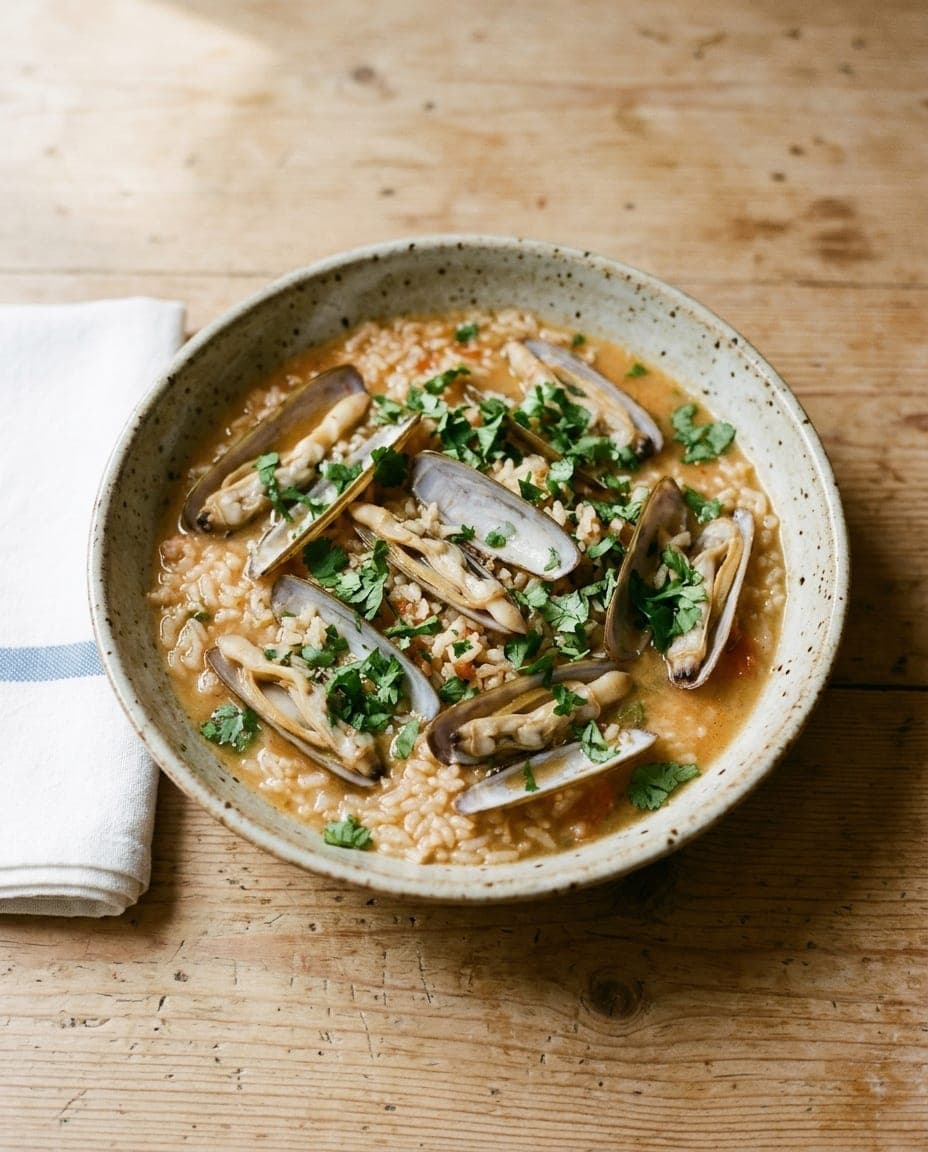
The preparation is straightforward and relies on the quality of the catch rather than complex techniques. The octopus is typically boiled first to tenderise it, then finished on the grill or roasted in the oven until the skin has a slight char. It comes with batatas a murro — small potatoes baked in their skins and then punched flat with the side of a fist — dressed with olive oil, garlic and salt. Alternatively, the cooked octopus may go into a loose rice dish, arroz de polvo, or a stew, with the rice or bread taking up the savoury broth. In warmer weather, it is also served cold in a salad, mixed with sliced onion and fresh coriander.
The source of the catch
The fishery behind this dish operates on a specific method that distinguishes it from many other seafood industries. Santa Luzia is famous for its pot-based fishing rather than trawling or diving. Long strings of pots and traps are lowered to the sea floor and left there; the octopuses go in of their own accord, either for shelter or for the bait, and are taken when the lines are hauled up.
Historically, the pots were made from clay and known as alcatruzes: open pots the octopus uses as a den. Some older fishermen still work them, but many now use covos, plastic cage traps baited with a sardine, which do not depend on the animal choosing the pot as a shelter. The gear sits still on the bottom rather than being dragged across it, and what comes up is mostly what the pots were set for. This specific fishery has become the defining characteristic of the village's culinary identity, linking the food directly to the sea floor just off the coast of Santa Luzia.
How it is eaten
It is eaten in the village, where the distance from boat to kitchen is a few hundred metres. The small restaurants along the harbour and the streets behind it serve it as a main course at lunch and dinner. The presentation is rustic: the octopus may arrive whole or cut into thick rings, resting on a bed of potatoes that have been crushed to release their starch and absorb the oil.
A glass of Algarve white or Vinho Verde is a natural companion to the dish, as the crisp acidity cuts the oil and lifts the octopus. The potatoes are often eaten with the fingers, dipped into the oil that pools at the bottom of the plate. If the octopus is served in rice, the grains are soft and loose, designed to be scooped up easily alongside a piece of the tender seafood.
Curious facts
- The octopus comes to the gear. The animals enter the pots or traps on their own, meaning the catch is not forced from their hiding places by nets or divers.
- Clay gave way to plastic. The traditional alcatruzes were clay pots; many fishermen in Santa Luzia now use baited plastic covos instead.
- A self-awarded title. The village of Santa Luzia calls itself the octopus capital and holds an annual octopus festival.
- Simple seasoning rules. The dish relies on olive oil, salt, and occasionally garlic or coriander, avoiding heavy sauces or complex spice blends.
- Punched potatoes. Batatas a murro are baked whole, then flattened with the side of the fist so the skins split and take up the oil.
Where to try it
Santa Luzia itself, where a row of small family restaurants along the front cook almost nothing else and the menu depends on what the pots held. Booking ahead is wise in summer.
Tavira, a few minutes up the road, serves it too, and the resorts in the western Algarve mostly do not. The village is small enough to walk end to end in ten minutes, and the octopus is why anyone goes.
Where to try it
1 destination
 Boat Rentals
Tavira
Historic Algarve town on river with castle, churches, and beaches.
Boat RentalsWine Tasting
1 region
 Wine Tasting14 destinations
Algarve
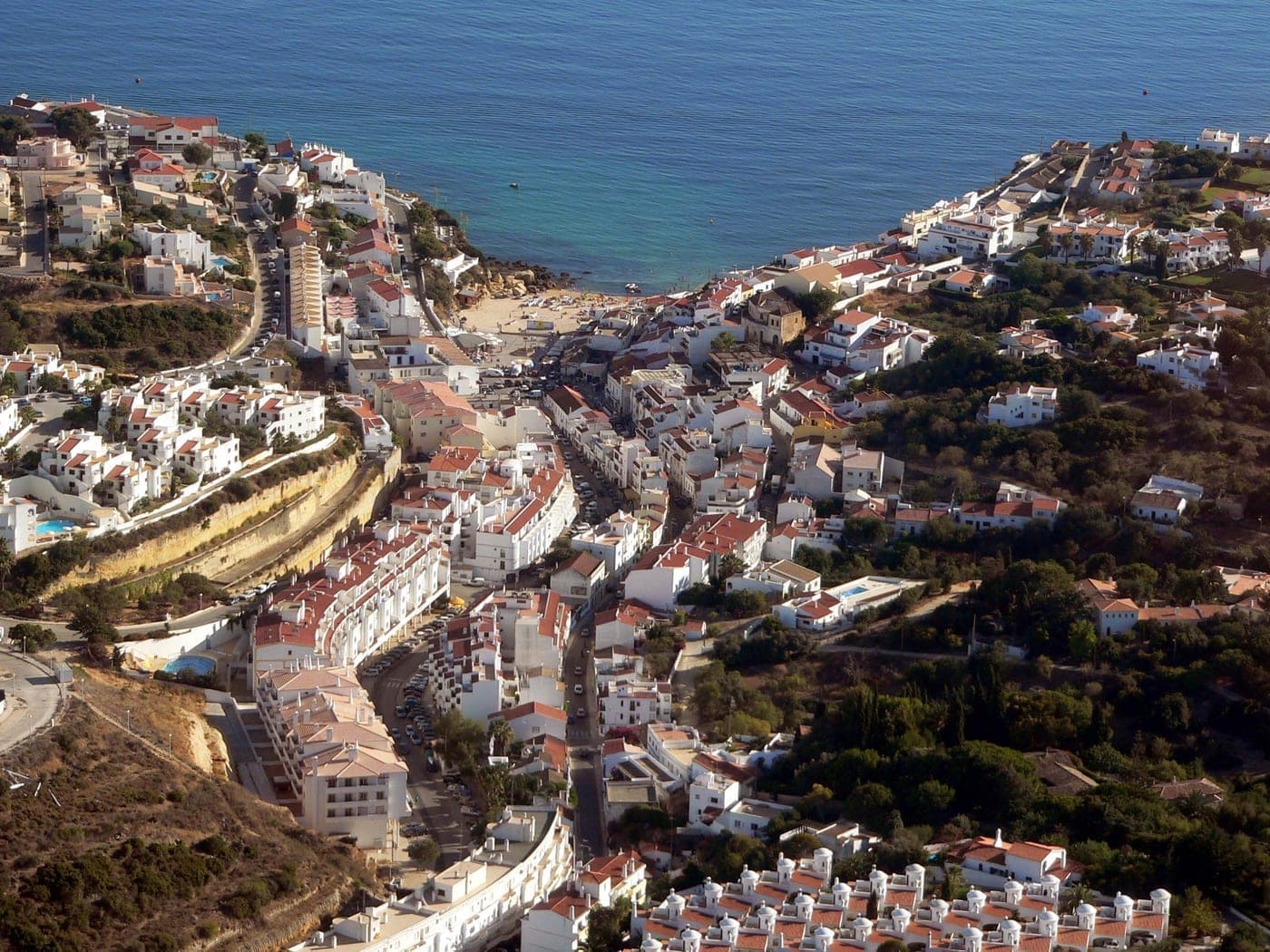
The Algarve, Portugal's southernmost region, is famed for its stunning coastline and rich cultural heritage. Known for its picturesque cliffs and golden beaches, the area also boasts a unique blend of Moorish and Portuguese architecture. Lagos offers historical significance with its ancient fortifications, while Silves features a well-preserved castle reflecting its past as a Moorish stronghold. The region is celebrated for its local gastronomy, particularly fresh seafood and traditional dishes like cataplana. Off the beaten path, small towns like Tavira and Aljezur showcase authentic Portuguese life, with traditional festivals and local artisan markets. The Algarve is a treasure trove of natural parks, hiking trails, and charming villages, perfect for a deeper exploration of Portugal's diverse landscape.
Wine TastingHikingBoat RentalsLocal Cuisine