Arroz de lingueirão
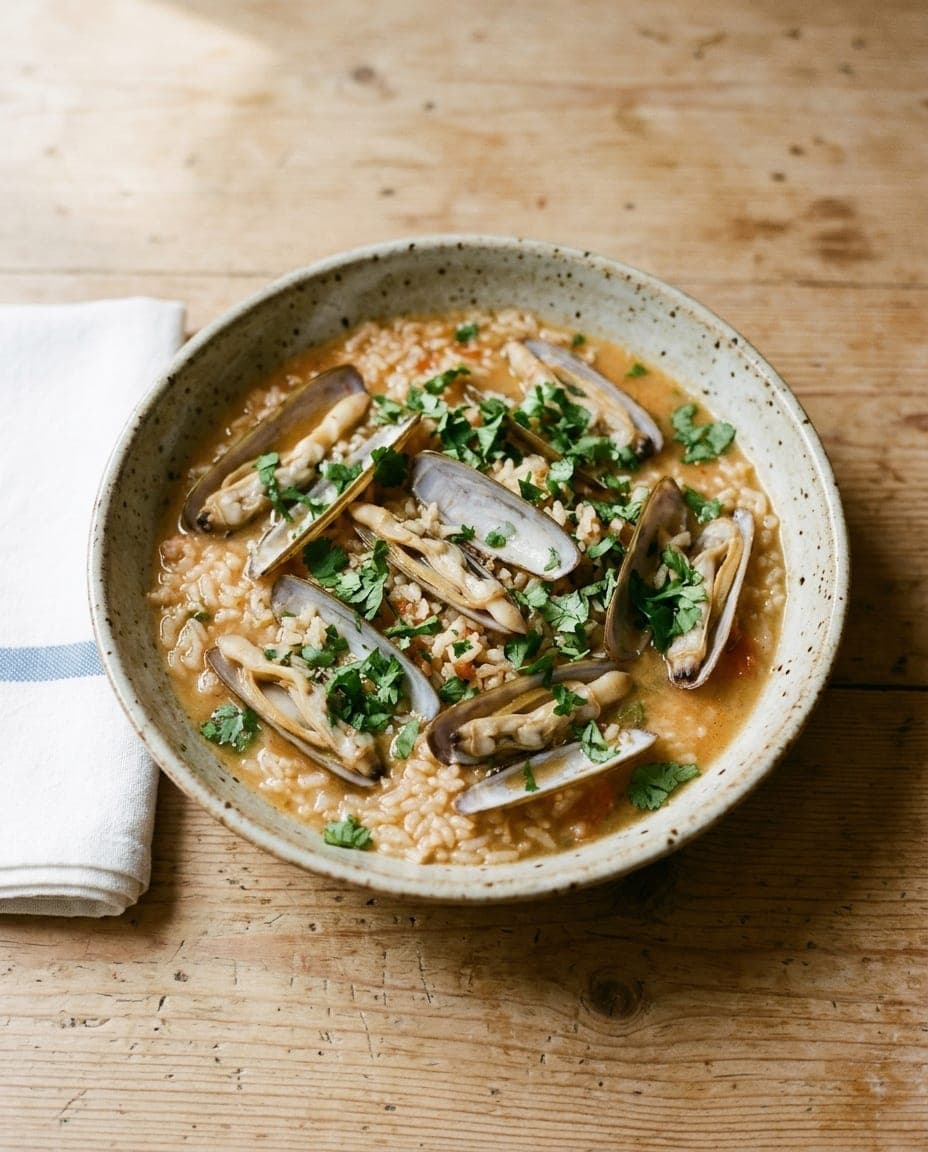
Soupy Sado rice with razor clams, carolino grain and olive oil
- Local name
- Arroz de lingueirão
- Best eaten at
- A Sado riverside restaurant
- Pairs with
- Setúbal white
What it is
Arroz de lingueirão is a coastal speciality cooked where razor clams are gathered, on the Sado estuary and around Comporta on its left bank as well as, most famously, in the Algarve. It is a dish of soupy rice and razor clams, where the grain absorbs the briny liquor of the shellfish to create a loose, almost liquid consistency rather than the dry texture found in many international rice dishes.
The name refers directly to the main ingredient: lingueirão is the local term for the large razor clam, a long, slender bivalve that burrows deep into the sandflats of the estuary. The dish does not rely on complex sauces or heavy reductions. Instead, it depends entirely on the quality of the clams, the rice grown in the Sado valley, and the careful balance of water and stock. It is a meal of the coast, where the tides dictate when the main ingredient can be gathered.
The setting of the Sado estuary
This dish belongs to a narrow strip of land defined by the river Sado, which reaches the Atlantic at Setúbal through a wide estuary. Its valley, around Alcácer do Sal, is one of Portugal's three main rice-growing areas, alongside the Tejo and the Mondego, and the estuary supports fishing and shellfish gathering as well as agriculture.
The razor clams themselves are mostly gathered rather than farmed. On the exposed sandflats at low tide, gatherers look for the clams' holes and use simple tools, or a pinch of salt that makes the clam rise, to pull them from their burrows. The fresher the clams reach the pot, the sweeter the meat and the stronger its liquor.
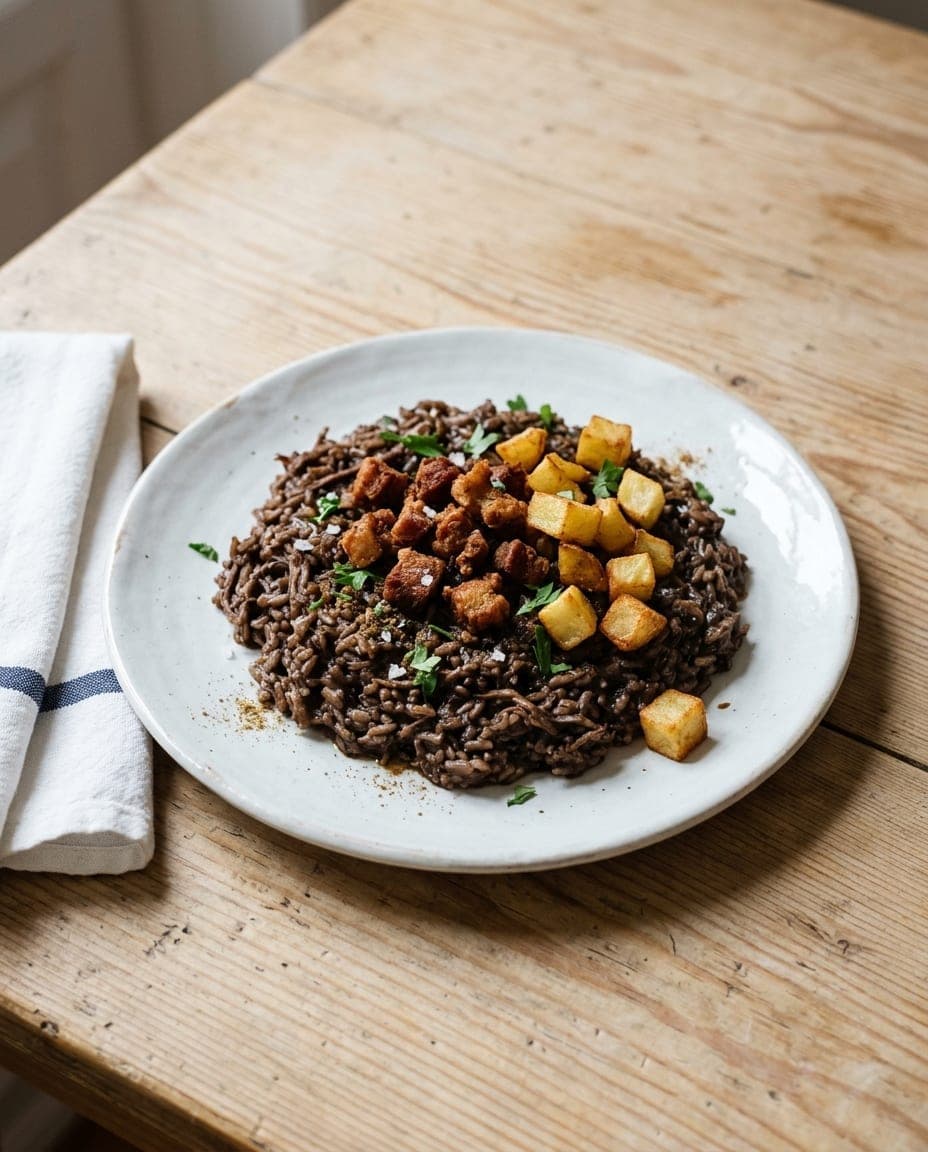
The rice used in this dish is usually carolino, the Portuguese round-grain rice. It absorbs a lot of liquid, swelling to create a soft, creamy texture without turning to mush. When cooked with plenty of water or stock, it reaches a state Portuguese cooks call malandrinho, roughly "a little rascal", meaning wet and saucy rather than dry.
What goes into it
The preparation is straightforward, relying on a few key ingredients to build flavour without masking the taste of the sea. The base consists of olive oil, finely chopped onion and garlic, which are sautéed until soft but not browned. Many cooks add tomato, and coriander goes in for its fresh, citrusy notes, a common feature in coastal Portuguese cooking.
The heart of the dish is the razor clams. They are cleaned thoroughly to remove any sand, then opened in a covered pot. The liquor they release is essential; it is strained and added to the onion base along with the rice. Water or a light fish stock is used to complete the cooking liquid. The result is a pot of rice where the grains are distinct but suspended in a savoury, briny broth. There is no cream, no butter, and no heavy thickening agents.
How it is eaten
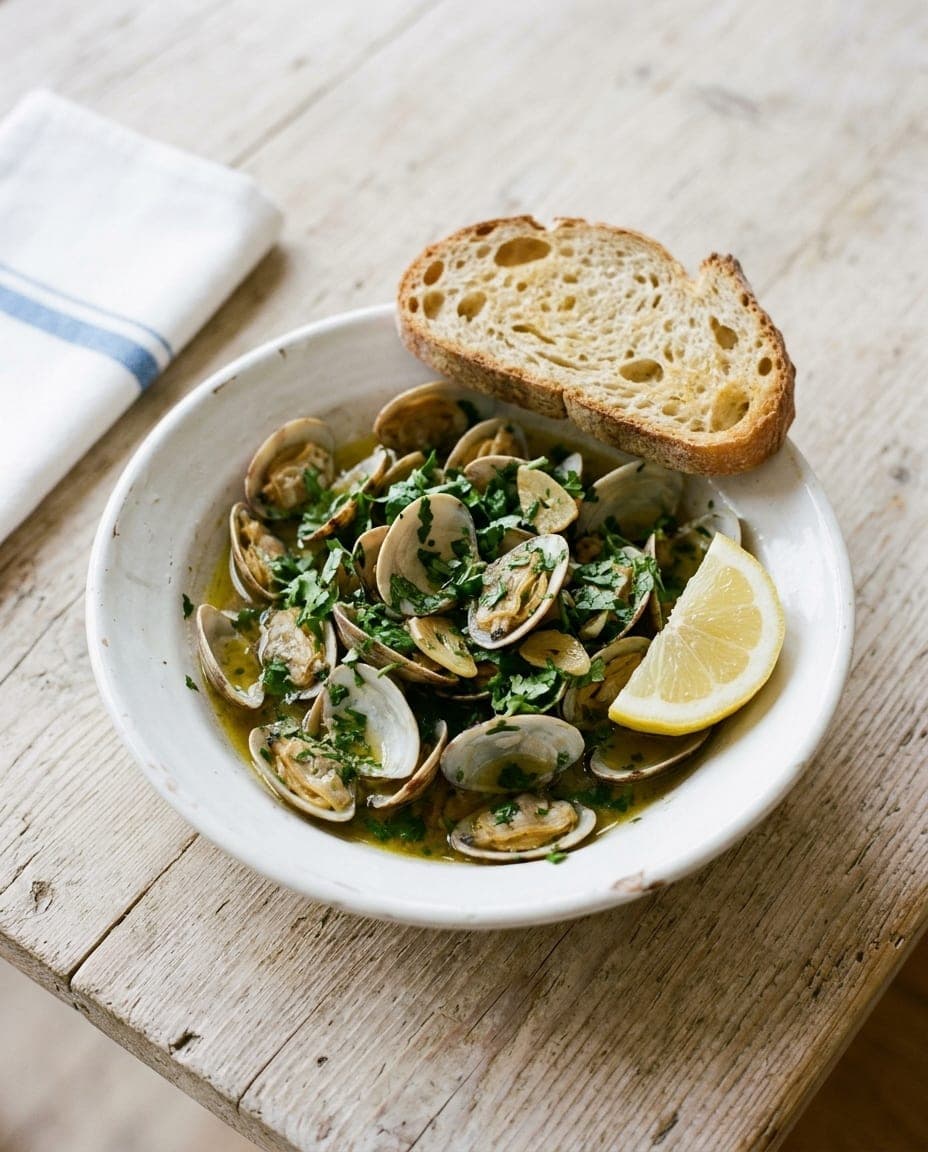
Arroz de lingueirão is typically served as a main course at lunch or dinner in riverside restaurants. It arrives in a large bowl or a shallow tureen, often with the clams, added at the end, scattered on top of the rice rather than hidden beneath. The texture is soft and loose, requiring a spoon to eat rather than a fork alone.
A Setúbal white is the glass beside it, the acidity working against the salt of the clams. It is not a starter; it is substantial enough to stand as the centre of the meal, and it should be eaten straight away, before the rice drinks up the broth.
Curious facts
- The name describes the clam. Lingueirão is the Portuguese name for the larger razor clam, a long, narrow shell that resembles a knife handle; the smaller relative is called navalha, "razor".
- Gathered, not farmed. The clams are mostly gathered from the sandflats at low tide, a job that depends on reading the tides and the sand.
- Malandrinho rice. The term malandrinho refers to the texture of rice cooked wet, a loose, soupy consistency rather than a dry pile.
- No heavy sauces. The dish relies on the natural liquor of the clams and olive oil for flavour, avoiding cream or butter entirely.
- A coastal identity. While rice dishes exist across Portugal, this one belongs to the shellfish coasts of the Sado and the Algarve and is rarely a standard item in restaurants far from the sea.
Where to try it
Good versions are found at riverside restaurants along the Sado, in Comporta and the surrounding villages of the Setúbal district, and along the Algarve's lagoons. The best kitchens buy their clams from local gatherers, which is where the freshness that defines the dish comes from. A simple tavern on the water is the clearest way to try it.
Where to try it
1 destination
 Wine Tasting
Comporta
Coastal village near Setúbal with rice fields, beaches, and wine estates.
Wine TastingHiking
2 regions
 Wine Tasting14 destinations
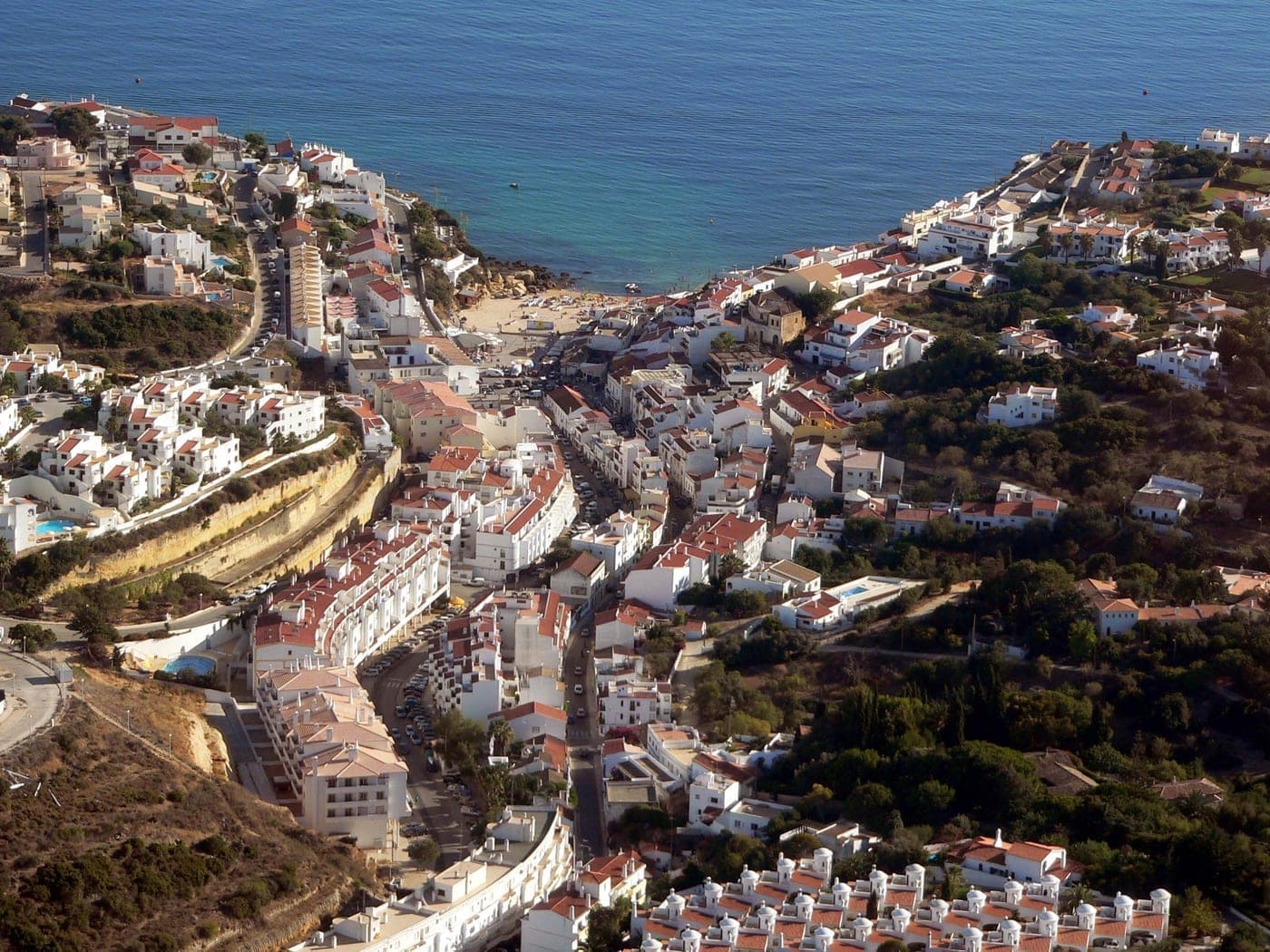
Algarve
The Algarve, Portugal's southernmost region, is famed for its stunning coastline and rich cultural heritage. Known for its picturesque cliffs and golden beaches, the area also boasts a unique blend of Moorish and Portuguese architecture. Lagos offers historical significance with its ancient fortifications, while Silves features a well-preserved castle reflecting its past as a Moorish stronghold. The region is celebrated for its local gastronomy, particularly fresh seafood and traditional dishes like cataplana. Off the beaten path, small towns like Tavira and Aljezur showcase authentic Portuguese life, with traditional festivals and local artisan markets. The Algarve is a treasure trove of natural parks, hiking trails, and charming villages, perfect for a deeper exploration of Portugal's diverse landscape.
Wine TastingHikingBoat RentalsLocal Cuisine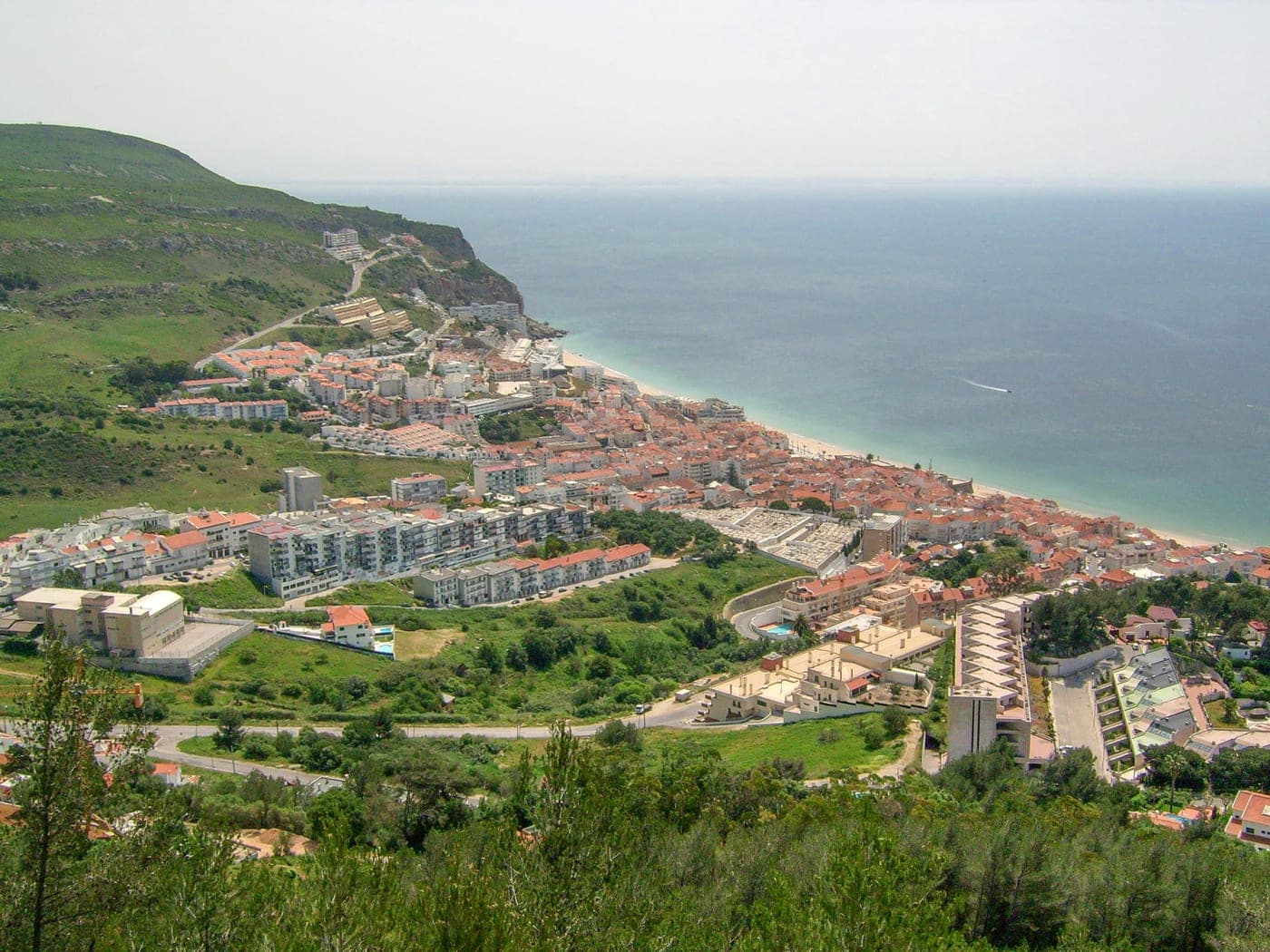 Boat Rentals6 destinations
Setúbal
Setúbal is known for its stunning coastal landscapes and rich cultural heritage. This region features the Arrábida Natural Park, where cliffs meet the Atlantic, offering hiking trails and secluded beaches. Setúbal city is the main hub, famous for its historic fish market and vibrant local cuisine, particularly the fresh seafood and traditional choco frito. Notable nearby towns include Sesimbra, with its picturesque castle and fishing traditions, and Troia, which boasts Roman ruins and beautiful sandy shores. The region is also recognized for its high-quality wines, especially the Muscatel from the local vineyards. Setúbal's local festivals celebrate its maritime culture and gastronomy, providing an authentic glimpse into Portuguese life.
Boat RentalsHikingWine Tasting