Areias de Cascais
Crumbly sugar-coated butter biscuits from Cascais, Lisbon
- Vegetarian
- Local name
- Areias de Cascais
- Best eaten at
- A Cascais pastelaria
- Pairs with
- Tea or coffee
What it is
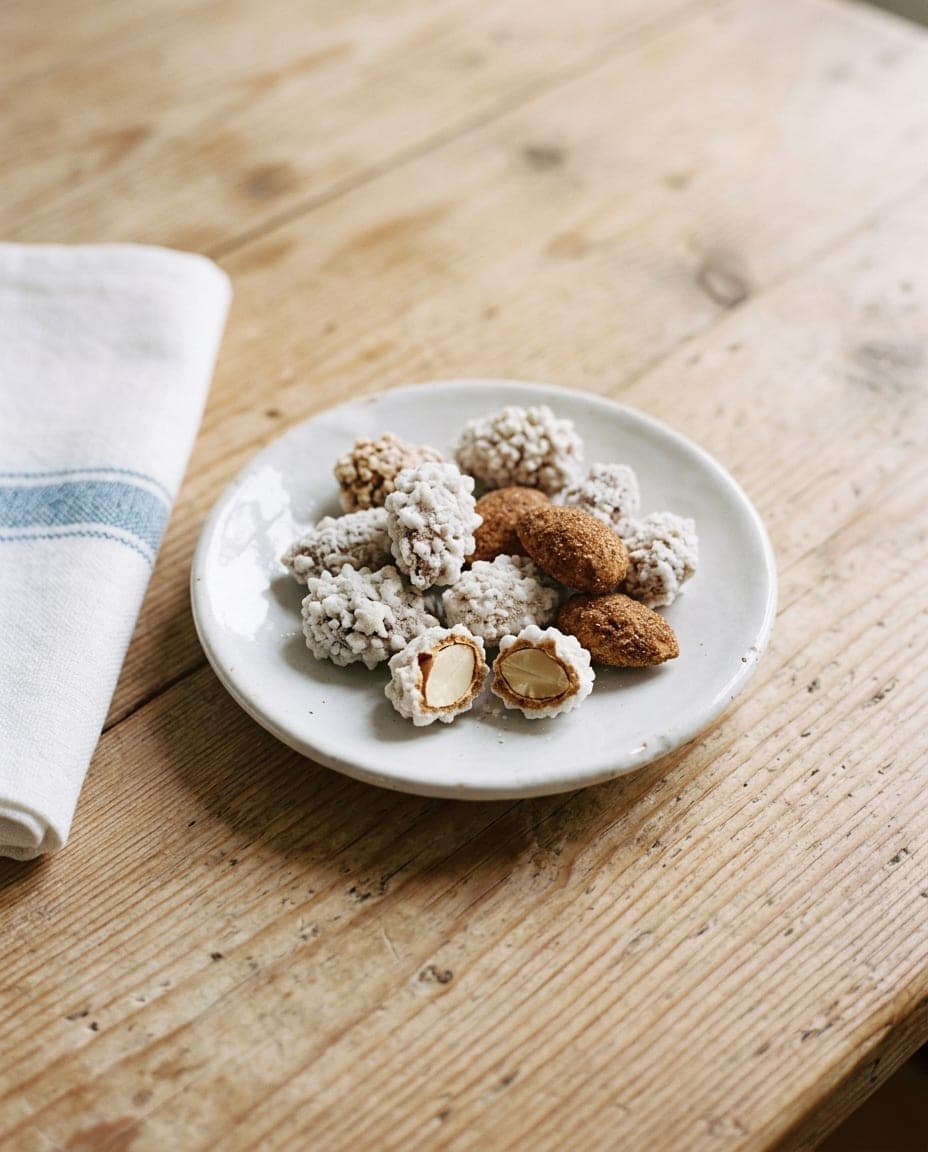
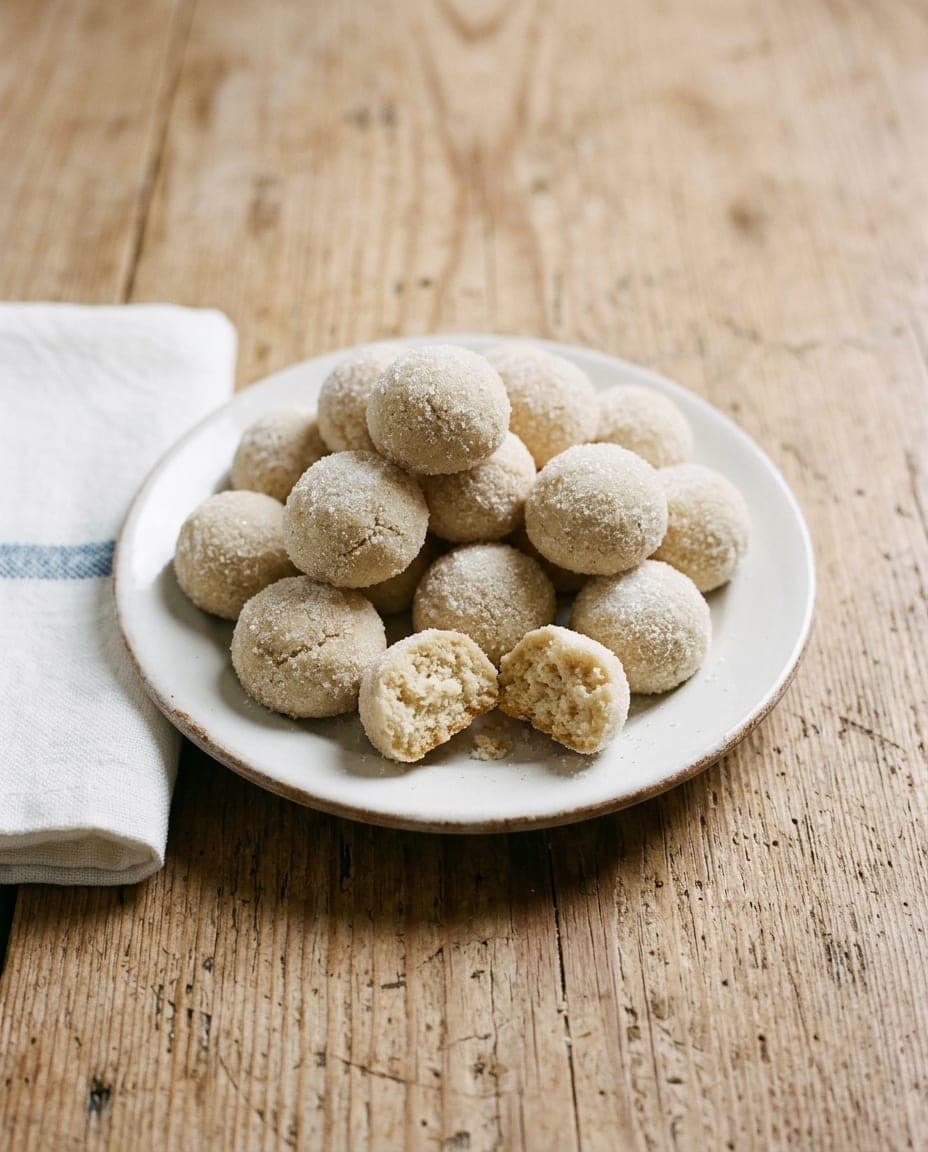
Areias de Cascais, or "sands of Cascais", are small, round biscuits that look and feel like coarse sand. They are a simple short dough made from butter, flour and sugar, often with a little lemon zest, baked until pale and then rolled in granulated sugar so the surface is rough and crunchy. The texture is the defining feature: they crumble easily between the fingers and dissolve quickly on the tongue, leaving a sweet, buttery aftertaste.
These biscuits belong to Cascais, the coastal town just west of Lisbon. Areias are made in versions across Portugal, but the classic one carries the name of Cascais and is a local speciality of the pastry shops along the coast near the capital. The name describes their appearance; the sugar coating mimics the texture of beach sand, and the crumbly nature of the biscuit reinforces the image.
In a Cascais pastelaria, they are often sold loose by weight in paper bags or displayed in glass jars alongside other local sweets. They are not elaborate pastries with fillings or glazes. Their appeal lies in their simplicity and the specific texture that makes them distinct from standard butter cookies found elsewhere.
The origin of the name
There is no recorded date for when Areias de Cascais first appeared, nor is there a named inventor associated with their creation. They are described as a traditional speciality of the town's pastry makers rather than a dish with a specific historical narrative or royal connection. Cascais became a royal summer resort in the late 19th century, but nothing documented links that era to the invention of these biscuits.
The name most likely comes from the resemblance of the sugar-coated biscuits to sand. As Cascais developed into a popular seaside getaway, local bakers may have created these treats to reflect the landscape. The term "areias" simply means sands in Portuguese. They are sold as a souvenir of the town as much as a biscuit, which is most of why the name has stuck.
What goes into it
The composition of Areias de Cascais is straightforward and relies on high-quality ingredients rather than complex techniques. The dough is a short pastry, with no yeast or raising agent and little or no liquid, resulting in a tender, crumbly texture.
- Butter: The primary fat in most recipes today (older ones used lard), giving the biscuit its flavour and soft crumb.
- Flour: Standard wheat flour forms the structure of the dough.
- Sugar: Used both within the dough and as the outer coating to create the sandy effect.
- Lemon zest: A common addition for aroma; some recipes add a yolk or a splash of white wine to bring the dough together.
The process involves mixing these ingredients into a soft dough, shaping small rounds, baking them until they are just set, and then rolling them in granulated sugar while still warm or immediately after cooling. The result is a biscuit that breaks apart easily, requiring care when eating to avoid mess.
How to eat it
Areias de Cascais are best enjoyed as an accompaniment to a hot drink rather than as a standalone snack. Their crumbly nature and intense sweetness pair naturally with tea or coffee, which helps to balance the fat of the butter and clean the palate between bites. Some like to break off small pieces and dip them into the drink, letting the sugar coating soften slightly.
The pastry shops sell them loose by weight, and they are at their best fresh, within a few days of baking, before the sugar crust softens.
Curious facts
- A sandy texture. The granulated sugar coating creates a rough surface that feels like sand to the touch, which is the origin of the name.
- No fillings. Unlike many Portuguese pastries, these biscuits contain no creams, jams or custards inside.
- Local speciality. They are sold primarily in Cascais and its immediate surroundings, rather than being a common sight in Lisbon city centre.
- Simple ingredients. The recipe relies on the quality of butter and sugar, with lemon zest the usual and only flavouring.
- Sold by weight. They are often scooped from jars or trays into paper bags rather than sold by the piece.
Where to try it
A pastelaria in Cascais, where they sit in jars on the counter beside the other local sweets and are sold by the bag.
The town is about forty minutes from Lisbon's Cais do Sodré on the coastal railway, and the pastry shops of the old centre have them. A few bakeries in Estoril and the villages towards Sintra make them too; in Lisbon itself they are uncommon.
Where to try it
1 destination
 Boat Rentals
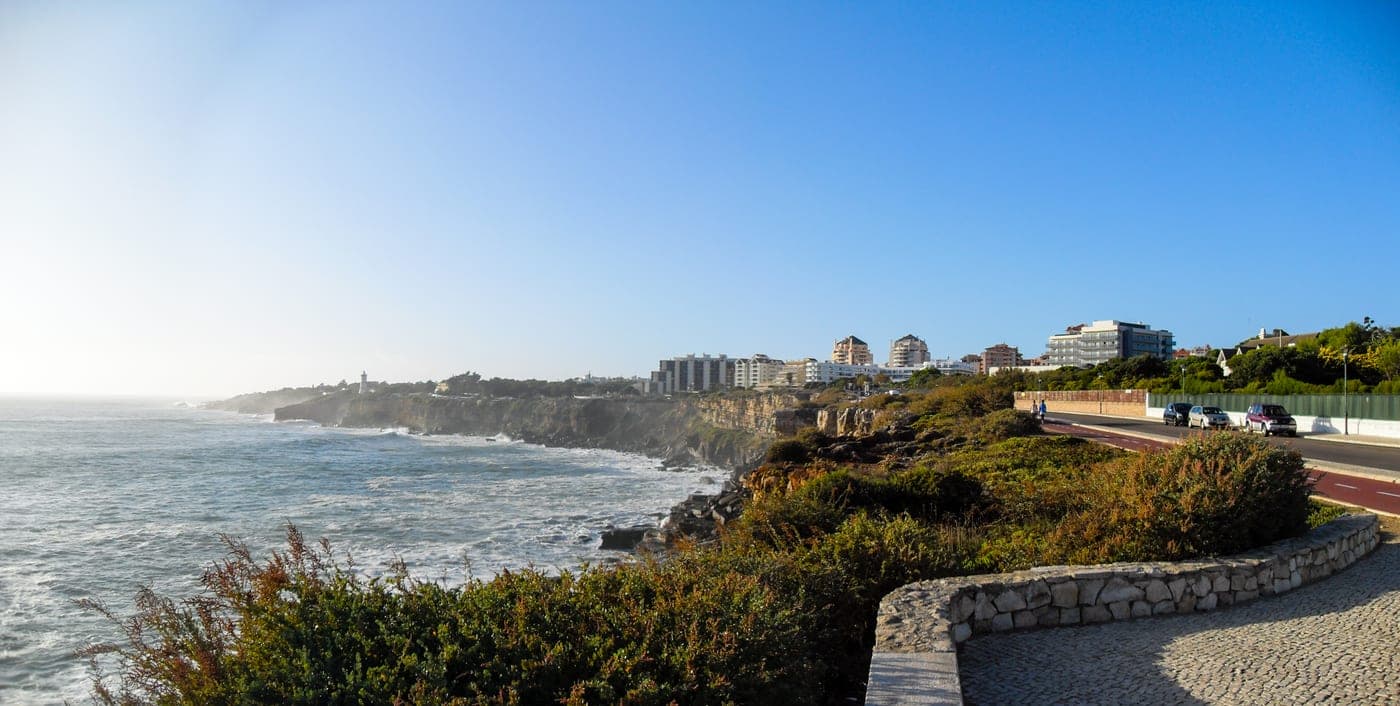
Cascais
Elegant coastal town marina near Lisbon with boat rentals and stunning coastline.
Boat RentalsHiking
1 region
 Wine Tasting3 destinations
Lisbon
Lisbon, Portugal's capital, is a vibrant city known for its rich maritime history and unique architectural styles, including Manueline and Pombaline. It is situated on the edge of the Atlantic Ocean, making it the only capital city in Western Europe with a coastline. The Alfama district, with its narrow winding streets, offers a glimpse into the city's Moorish past, while the Belém area is home to the iconic Jerónimos Monastery. Off the beaten path, the neighborhood of Graça provides stunning viewpoints and local eateries. The region also hosts local festivals, like Festas de Lisboa, celebrating culture and tradition throughout June. Lisbon's proximity to the Sintra mountains allows for scenic hikes and exploration of palaces, making it a multi-faceted destination for those looking to explore at a leisurely pace.
Wine TastingHikingCamper Van RentalsBoat Rentals