Amêijoas da Ria Formosa (clams)
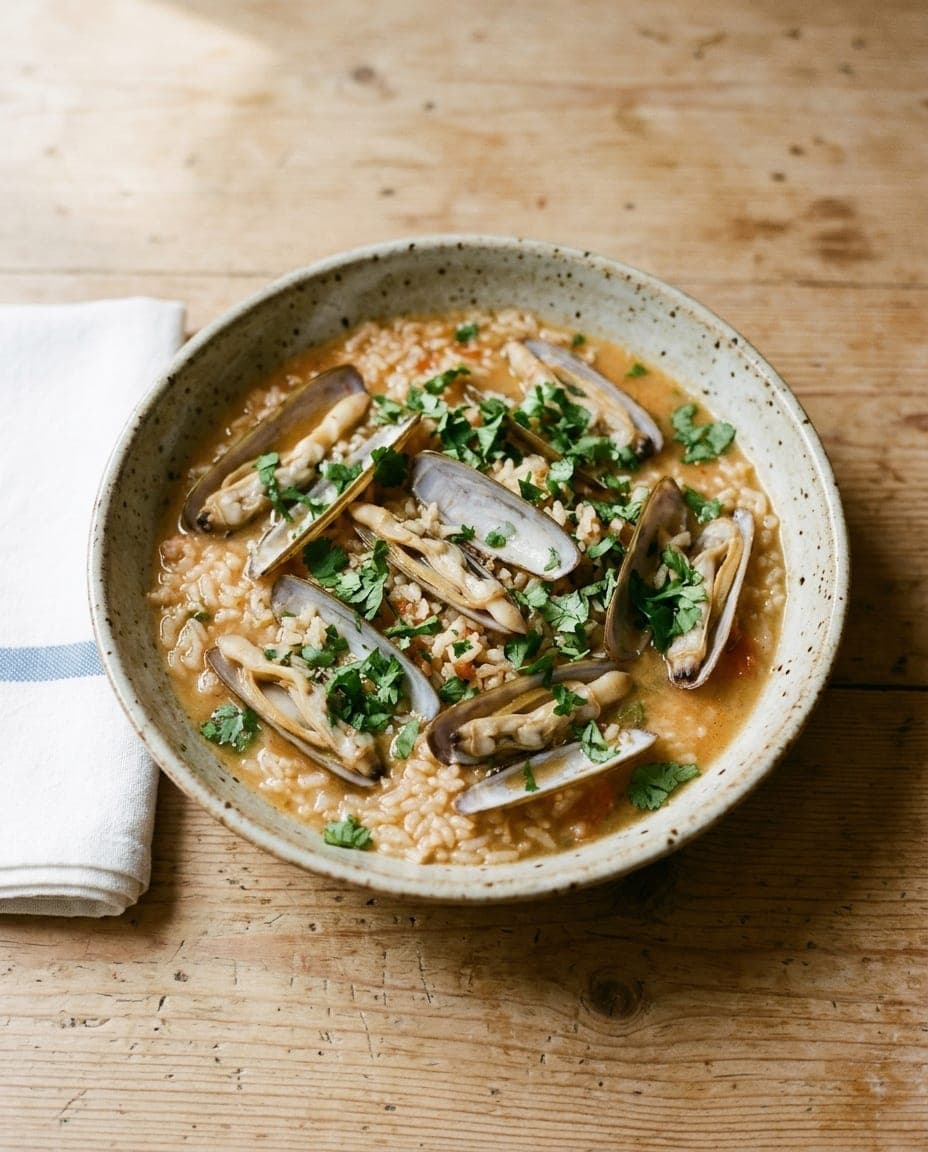
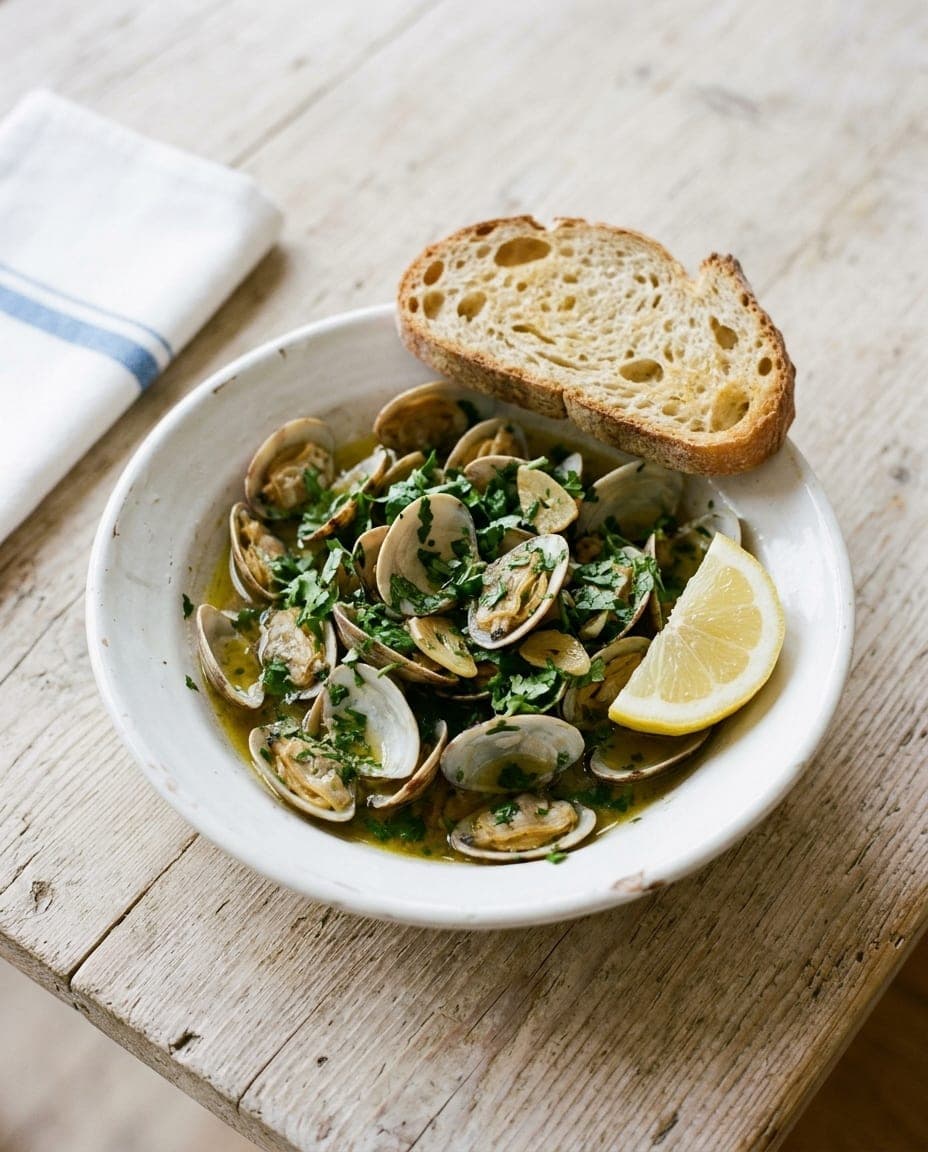
Lagoon clams with garlic, coriander and wine
- Local name
- Amêijoas da Ria Formosa
- Served with
- Lemon, bread for dipping
- Best eaten at
- An Olhão waterfront restaurant
- Pairs with
- Vinho Verde or Algarve white
What it is
Amêijoas da Ria Formosa refers to the grooved carpet shell, a small clam raised in the protected lagoon system behind the eastern Algarve coast. The name translates directly to "clams of the Ria Formosa," tying the ingredient to the barrier-island landscape that stretches for some 60 km from the Ancão peninsula, west of Faro, to Manta Rota. Most are not wild catchings from the open sea but are raised on licensed intertidal plots known as viveiros.
The dish is defined by its simplicity and the quality of its source. The clams are typically prepared in two distinct ways: à Bulhão Pato, a classic style where they are steamed open with olive oil, garlic, fresh coriander and white wine, or cooked inside a cataplana, the traditional hinged copper pan that traps steam and cooks the shellfish gently. In both versions, the focus remains on the natural sweetness of the lagoon water and the texture of the meat, finished with lemon and served hot with crusty bread for dipping.
The home of the grooved carpet shell
The Ria Formosa is a unique natural park and lagoon system running along the coast behind Faro, Olhão, Fuseta and Tavira. It acts as a nursery for marine life, protected by sandbanks that separate the calm waters from the Atlantic swell. This environment is ideal for the amêijoa-boa, the Portuguese name for the grooved carpet shell, which thrives in the sandy beds of the lagoon.
Farming these clams is an old tradition carried out by hand. At low tide, workers walk across the exposed sand flats with short hand tools to harvest the shells from their designated plots. This method requires patience and knowledge of the tides rather than heavy machinery. The lagoon is one of Portugal's main clam-producing areas, and the name on the menu is a promise of where the shells came from.
How it is prepared
The most famous preparation is à Bulhão Pato, named after Raimundo António de Bulhão Pato, a Portuguese poet (1828–1912) with a reputation as a gastronome; the dish honours him rather than being his invention. The method involves heating olive oil with generous amounts of chopped garlic and fresh coriander before adding the cleaned clams and a splash of white wine. The pan is covered, allowing the shells to open in their own steam and the released liquor, and a squeeze of lemon goes in at the end. The dish is served immediately, often still bubbling, with the cooking liquid acting as a savoury broth.
Alternatively, the clams may be cooked in a cataplana. This copper vessel, shaped like two clam shells hinged together, clamps shut and works as a rudimentary pressure cooker, steaming whatever is inside. When used for clams, the cataplana often includes tomato, onion and sometimes potatoes, creating a richer stew where the shells open slowly within the aromatic sauce. In either style, the final step is essential: tearing a piece of bread to soak up the garlic-infused juice or the steam-cooked broth.
Curious facts
- The name honours a poet. Bulhão Pato was a writer, not a cook; food writers place the dish's origin in a Lisbon restaurant that named it after him.
- Hand-harvested sand. The clams are gathered by walking on exposed tidal flats with rakes, a labour-intensive process done by hand rather than by machine.
- The copper vessel. The cataplana is a specific tool made of hinged copper, designed to retain heat and steam, which cooks the shellfish more evenly than an open pan.
- A regional identity. The species lives elsewhere too, but the name Ria Formosa on a menu ties the clams to this one lagoon.
- Bread is essential. The dish is incomplete without a side of crusty bread to dip into the garlic oil or the cooking liquor left in the bowl.
Where to try it
Olhão, the fishing town on the edge of the lagoon, where the trade is based and the restaurants along the front cook what came in that morning. Faro and Fuseta serve the same thing from the same water.
The market in Olhão sells the clams live by the kilo, which is how most local households buy them. A glass of Vinho Verde or an Algarve white goes beside the dish, for the acidity against the oil and the garlic.
Where to try it
4 destinations
 Camper Van Rentals
Faro
Historic walled old town, lagoon islands, salt pans, fishing heritage.
Camper Van RentalsBoat RentalsWine Tasting Boat Rentals
Fuseta
Charming fishing village known for its beautiful beaches and Ria Formosa.
Boat RentalsHiking Boat Rentals
Olhão
Working fishing town with whitewashed houses and access to barrier islands.
Boat RentalsWine Tasting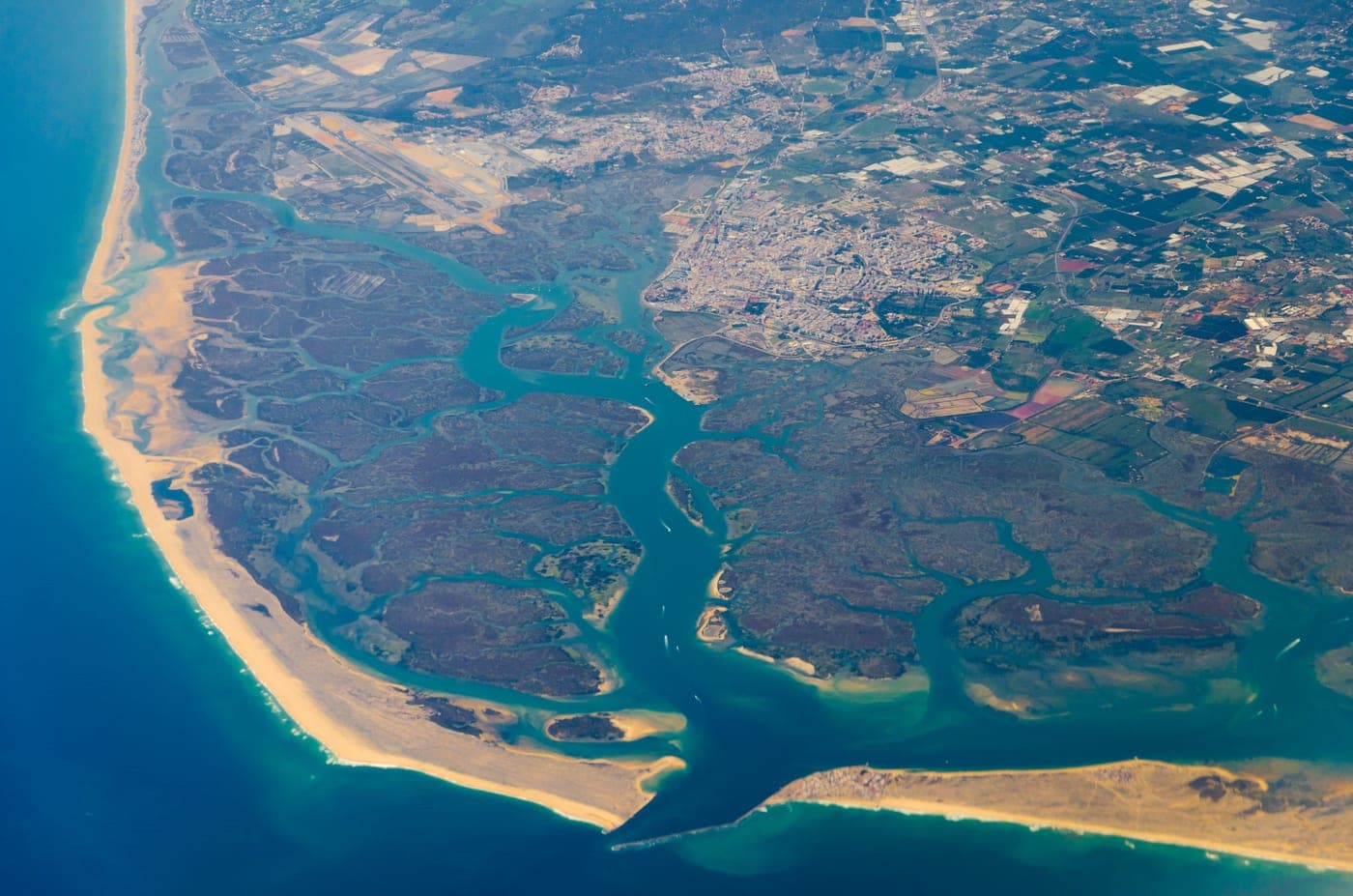 Boat Rentals
Ria Formosa
Stunning natural lagoon system with boat rentals to explore pristine barrier islands and diverse wildlife.
Boat Rentals
1 region
 Wine Tasting14 destinations
Algarve
The Algarve, Portugal's southernmost region, is famed for its stunning coastline and rich cultural heritage. Known for its picturesque cliffs and golden beaches, the area also boasts a unique blend of Moorish and Portuguese architecture. Lagos offers historical significance with its ancient fortifications, while Silves features a well-preserved castle reflecting its past as a Moorish stronghold. The region is celebrated for its local gastronomy, particularly fresh seafood and traditional dishes like cataplana. Off the beaten path, small towns like Tavira and Aljezur showcase authentic Portuguese life, with traditional festivals and local artisan markets. The Algarve is a treasure trove of natural parks, hiking trails, and charming villages, perfect for a deeper exploration of Portugal's diverse landscape.
Wine TastingHikingBoat RentalsLocal Cuisine