Arroz de sarrabulho
Minho winter rice with pork, blood and cumin
- Local name
- Arroz de sarrabulho
- Served with
- Rojões, fried potatoes
- Best eaten at
- A Minho country restaurant
- Pairs with
- Red Vinho Verde
What it is
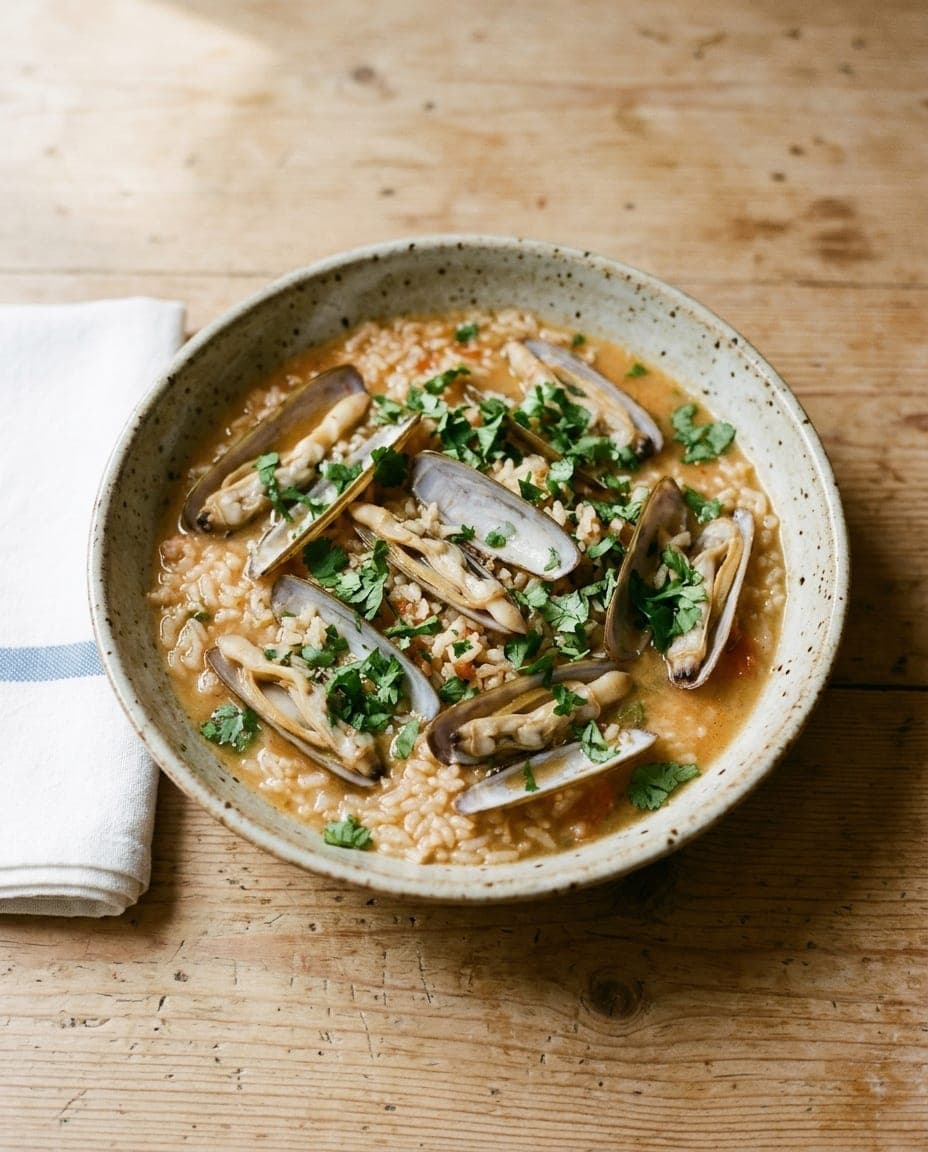
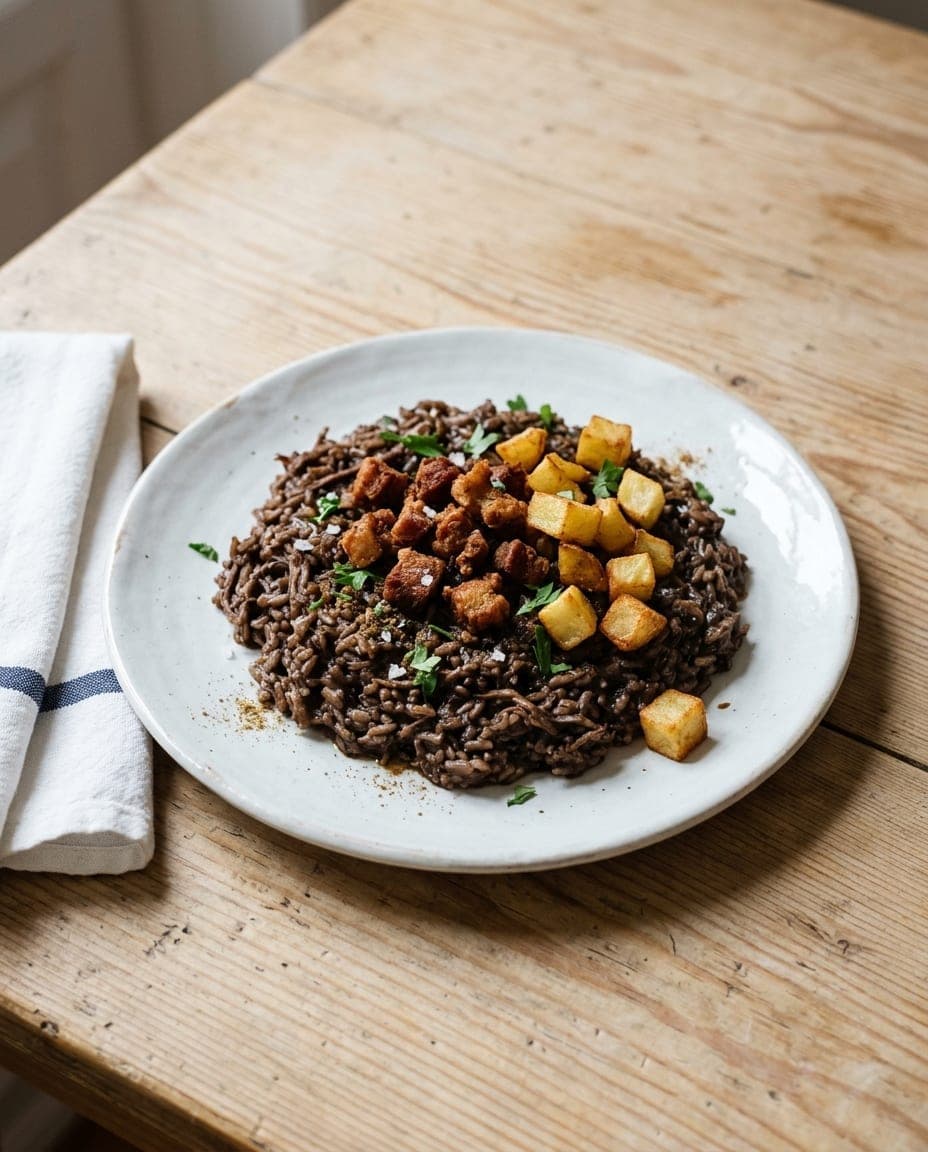
Arroz de sarrabulho is a deep-coloured rice dish from Portugal's Minho region, the green, damp north-west, with Ponte de Lima as its best-known home. It belongs to the winter months and to the matança do porco, the traditional household pig slaughter. The dish is defined by its dark hue, which comes from cooking rice in the broth of several meats, pork above all, with a generous amount of fresh pig's blood. This blood acts as a binder, thickening the sauce and turning the grains a deep brown or black.
The taste is heavy and earthy, dominated by cumin. Cumin is a familiar spice in Minho pork cooking, and here it gives the rice a distinct warmth that cuts the fat of the meat. It is not a light starter but a substantial meal designed to warm the body during the cold, wet weather of the Minho winter.
The winter pig slaughter tradition
Arroz de sarrabulho is inextricably linked to the matança do porco, a practice that has shaped rural life in the Minho for generations. During this season, when the air turns crisp and temperatures drop, households slaughter their pigs to preserve meat for the coming months. Every part of the animal was traditionally used immediately or cured, leaving little waste. The blood, often discarded elsewhere, found its way into the rice pot as a thickener and flavour enhancer.
The dish is not a nationwide staple but a regional speciality tied to this specific time of year. It is at its most common on the menus of country restaurants in Minho when the weather turns cold, a way of making the most of the pig. The preparation requires skill to balance the blood so it does not curdle while still providing the characteristic dark colour and rich texture.
What goes into it
The ingredients are simple but specific, relying on the quality of the pork and the freshness of the blood. There is no single official recipe, as every cook in Minho has their own variation, but the core components remain consistent:
- Meats: Pork above all, including the shoulder, belly, and sometimes the liver or heart, often with chicken, beef and chouriço cooked in the same broth, cut into pieces that soften during cooking.
- Fresh pig's blood: Added to the pot to thicken the sauce and darken the rice, creating a deep, velvety texture.
- Rice: Usually carolino or another round-grain variety that absorbs the flavours of the broth well.
- Cumin: Ground seeds used generously, providing the dish's signature earthy and warming spice, sometimes with clove, nutmeg and a squeeze of lemon.
- Onion and garlic: Used as a base to build depth before the blood is added.
The result is dark, loose and heavy, closer to a wet rice stew than to anything dry. Nothing about it is subtle.
How to eat it
Arroz de sarrabulho is typically served as a main course in a Minho country restaurant, often accompanied by rojões, which are cubes of fried pork that add a crunchy texture to the soft rice. Potatoes are also a common side, offering a neutral base for the intense flavours. In Ponte de Lima the platter can include further local extras such as belouras.
The dish is best eaten with a slice of crusty bread to soak up the remaining sauce. A glass of red Vinho Verde is the traditional pairing, as its acidity cuts through the heaviness of the pork and blood.
Curious facts
- The colour comes from blood. The dark hue comes from the fresh pig's blood added to the pot, which thickens as it cooks.
- A winter speciality. It belongs to the slaughter season, November to February, though in Ponte de Lima some restaurants now serve it well beyond it.
- Cumin defines the taste. Cumin is the defining spice here, setting it apart from most other Portuguese rice dishes.
- Served with rojões. The fried pork cubes are a standard accompaniment, adding a crispy contrast to the soft, saucy rice.
- Regional boundaries. The dish belongs to the Minho and the wider north-west and is rarely found in the south or the Algarve.
Where to try it
A country restaurant in the Minho — around Calheiros, Ponte de Lima or Viana do Castelo — ideally between November and February, the dish's natural season.
Ponte de Lima treats it as the town dish and serves it with rojões as a single plate. Outside the north it is hard to find, partly because fresh blood is now harder to buy than it was.
Where to try it
1 destination
 Wine Tasting
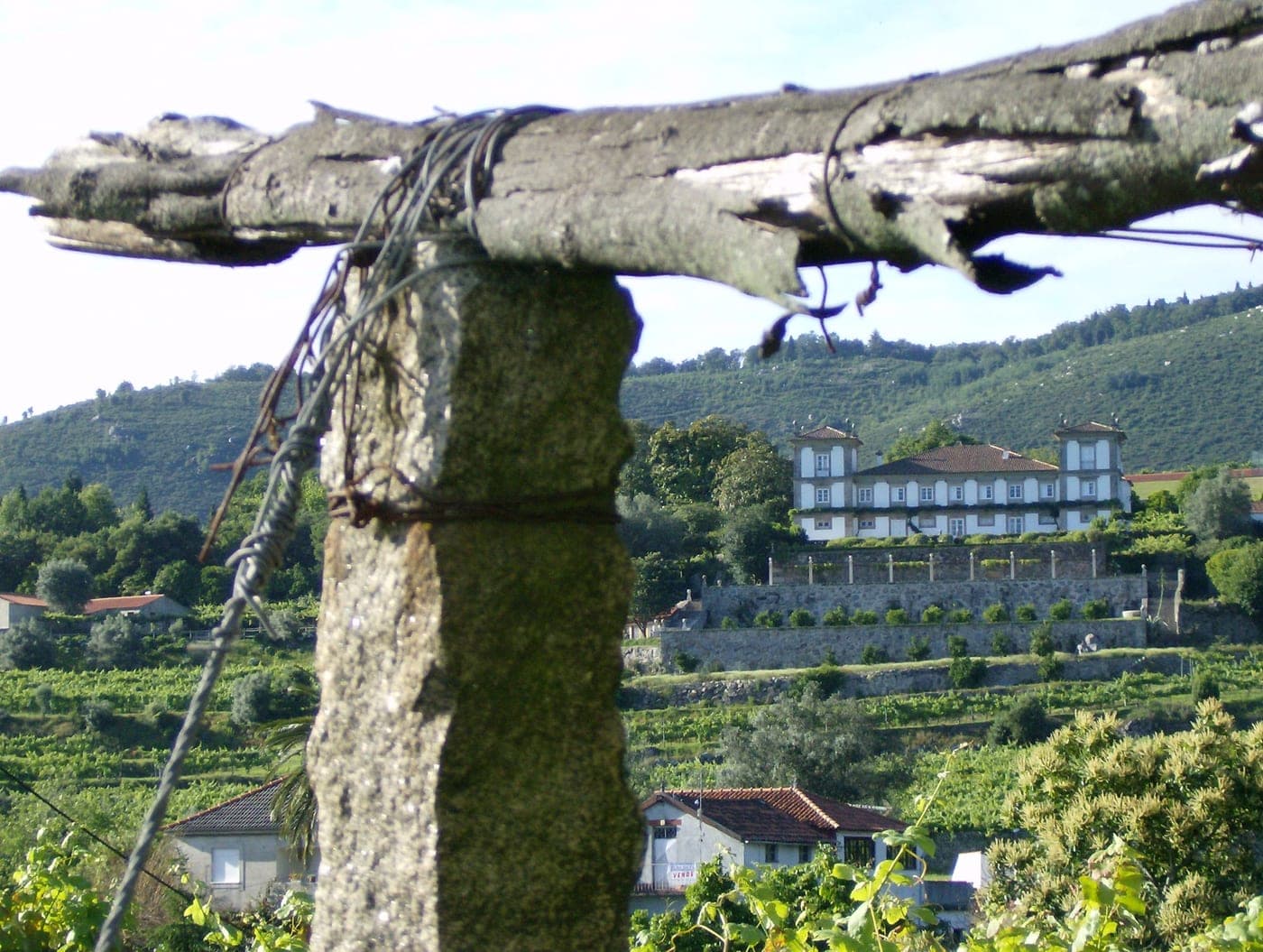
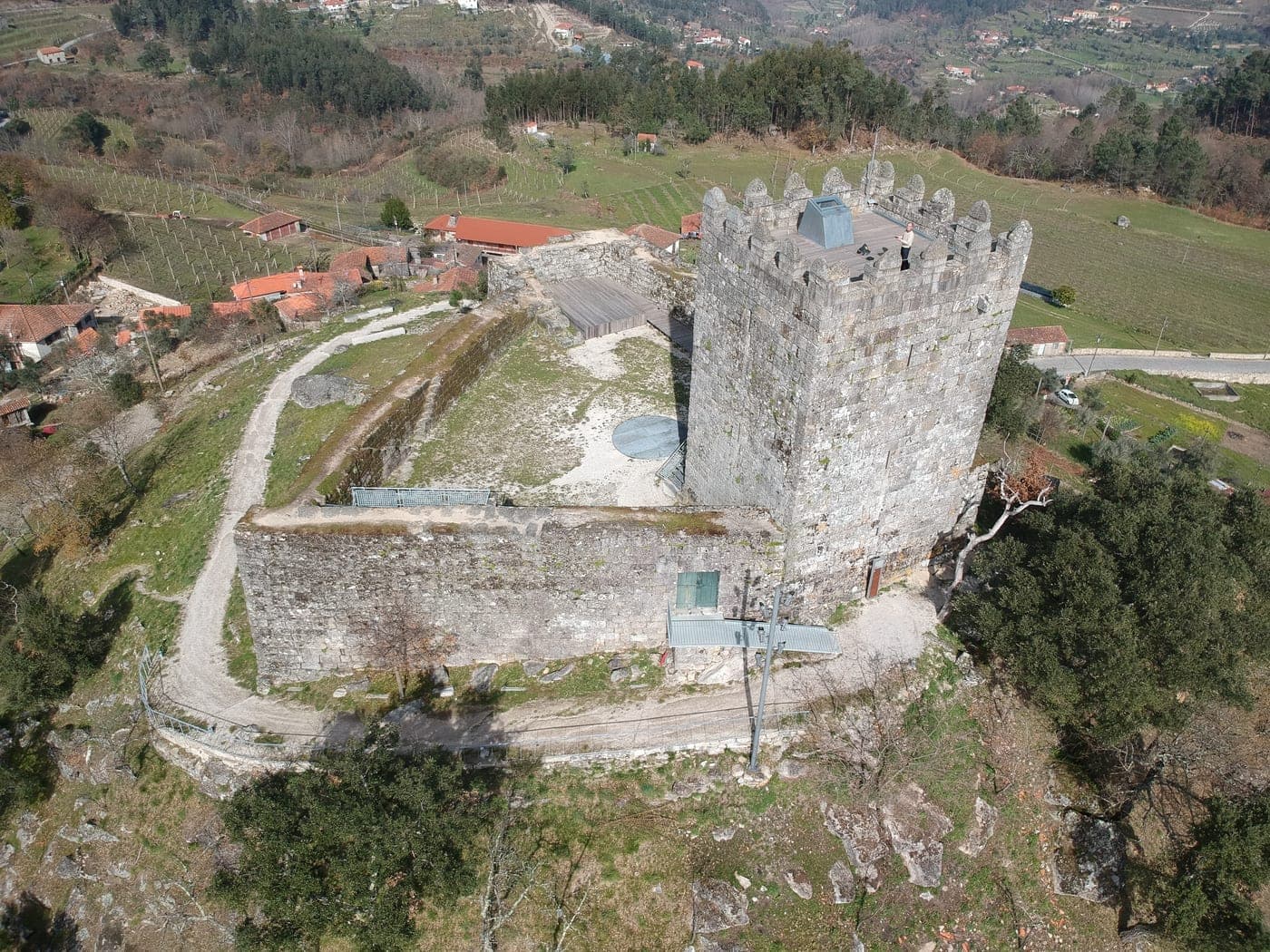
Calheiros
Historic Vinho Verde village with manor houses and wine estates.
Wine TastingHiking
1 region
 Wine Tasting4 destinations
Vinho Verde
This northern region is renowned for its lush vineyards and the production of Vinho Verde, a unique, lightly effervescent wine. It is the largest wine-producing region in Portugal, characterized by rolling hills and a temperate climate. Notable towns include Amarante, with its picturesque bridge and historic buildings, and the coastal town of Esposende, known for its beautiful beaches. The area also features the Peneda-Gerês National Park, a haven for hikers and nature lovers. Visitors can explore traditional festivals such as the Festa de São João in Porto, which showcases local culture and cuisine, including fresh seafood and regional cheeses. Vinho Verde is not just a wine; it's a way of life here, making the region a rich tapestry of experiences beyond the typical tourist path.
Wine TastingHiking