Açorda alentejana
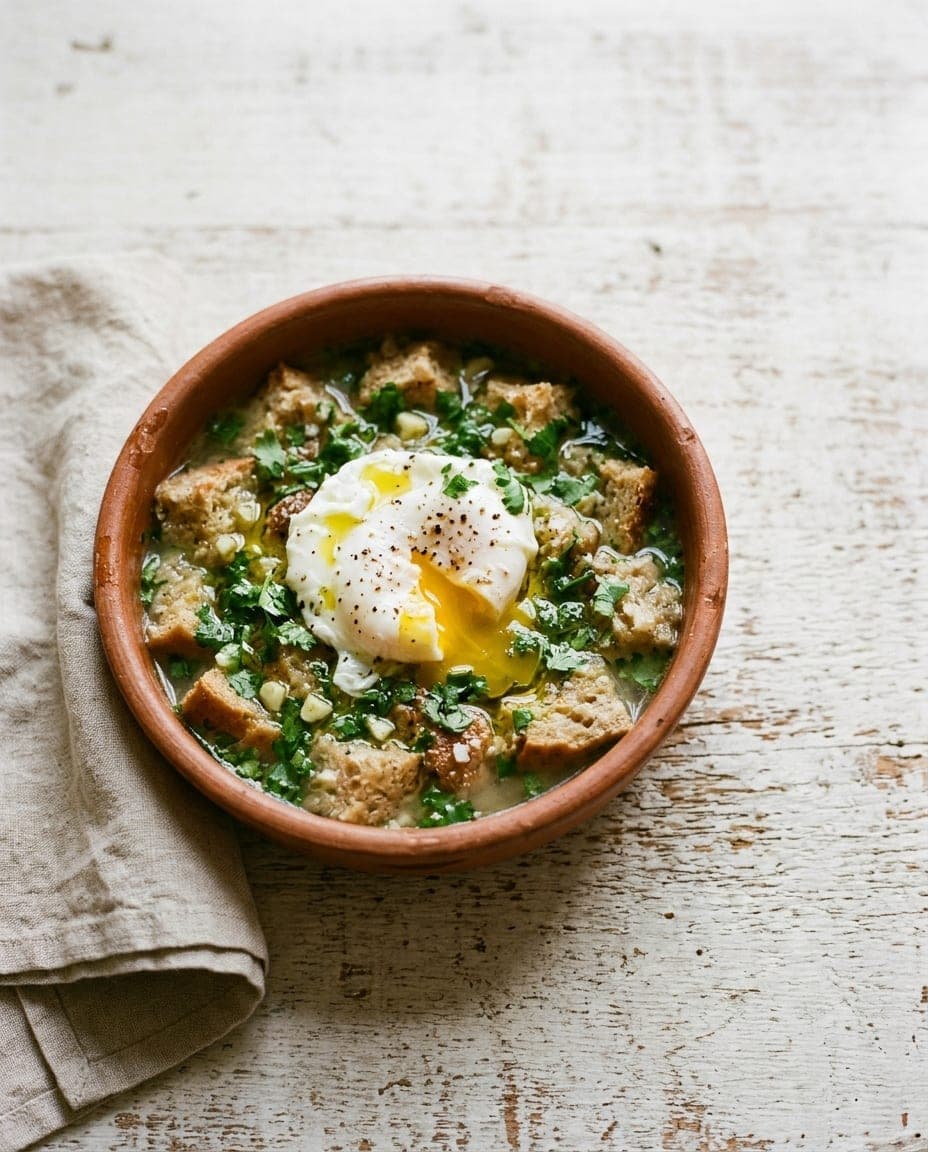
Bread, garlic, coriander and a poached egg
- Vegetarian
- Local name
- Açorda alentejana
- Best eaten at
- An Alentejo taberna
- Pairs with
- Alentejo white
What it is
Açorda alentejana is a humble yet substantial dish from the Alentejo region of southern Portugal. It is a soup with no pot of simmering broth behind it. Instead, it is an assembly of ingredients that transform through patience and temperature rather than fire. The base consists of stale bread, which is soaked until soft but never boiled, then dressed with a potent mixture of garlic, fresh coriander, coarse salt and olive oil. A poached egg sits on top, and the yolk runs into the broth when it is broken.
The dish is bound up with the rhythm of the Alentejo landscape, where wheat fields stretch across the plains and olives grow in abundance. It is a meal born of necessity, designed to make use of bread that has gone hard over days or weeks, yet it has evolved into a celebrated regional speciality. While simple in its construction, the taste is intense and layered, relying entirely on the quality of the olive oil and the freshness of the herbs.
In many parts of Portugal, similar bread soups exist, but the açorda alentejana is distinct for the heavy hand of coriander used to season it. The herb is so central to the identity of the dish that without it, one would be eating a different soup entirely. It is served as a main course and is substantial enough to fuel a long day in the countryside.
The origins of the bread soup
The history of açorda alentejana is tied to the agricultural life of the Alentejo rather than to any specific inventor or cookbook. It emerged from the need to feed labourers working in the vast wheat fields and olive groves, where a hot, filling meal was required without the time for complex cooking. The technique of soaking stale bread in liquid dates back centuries, but the specific combination of garlic, coriander and olive oil is what defines this version.
Unlike other regional dishes that may have been codified by monasteries or noble courts, the açorda alentejana remained a food of the people. It was prepared in farmhouses and village taverns where the cook would take whatever bread was available and soften it with water or stock, often enriched with leftover fish cooking water if salt cod was on hand. The dish did not require a chef to perfect; it required only a bowl, a pestle and a steady hand.
The Alentejo region has always been known for its wheat production, and the bread made there is traditionally dense and long-lasting. This characteristic made it ideal for the açorda, as the bread could be stored for days before being used. Over time, the simple act of softening the bread became a ritual, with the garlic and coriander pounded together to create a fragrant base that would transform the plain loaf into something aromatic and savoury.
How it is made
The preparation of açorda alentejana is an exercise in texture rather than heat. It begins by pounding fresh garlic, coarse salt and a generous handful of fresh coriander leaves together in a mortar. This creates a rough paste that releases the oils and aromas of the ingredients, and it is then scraped into a deep bowl with the olive oil. Boiling water or the cooking water from salt cod is then poured over this mixture, creating a hot liquid base.
Stale bread, torn into chunks, is added to the bowl and left to soak. The bread absorbs the hot liquid and softens, but it does not dissolve into a mush; it retains a texture that is tender yet substantial. Once the bread has softened to the desired consistency, the dish is topped with a poached egg, usually poached in the same water, so that the white is set while the yolk remains runny.
Some versions include pieces of salt cod or its cooking water to add depth and saltiness, though the core elements remain the bread, garlic, coriander and olive oil. The final touch is a drizzle of high-quality Alentejo olive oil, which coats the surface and adds a fruity, peppery note to the dish. The result is a warm, aromatic bowl where the bread acts as a sponge for the flavours of the region.
What goes into it
The ingredients are few, but each one plays a vital role in the final taste:
- Stale bread, usually made from local wheat, which provides the body and texture of the dish without becoming mushy.
- Fresh coriander, used in large quantities to give the soup its distinctive Alentejo character and herbaceous aroma.
- Garlic, pounded into a paste to provide a sharp, pungent backbone that cuts the fat of the oil.
- Olive oil, specifically from the Alentejo region, which is poured generously over the top to add fruitiness and smoothness.
- A poached egg, placed on top to add a creamy element when the yolk breaks into the warm broth.
- Coarse salt, often added to the initial paste or to the water, to enhance the natural flavours of the bread and herbs.
Salt cod turns up in some versions, either flaked into the bowl or present only as the water it was cooked in, which carries salt and a savoury depth into the bread.
How to eat it
It is served in an Alentejo taberna as a main course, in a deep bowl, with more bread on the table. The poached egg is meant to be broken into the soup, allowing the yolk to mix with the garlic and coriander mixture, creating a creamy texture that coats the bread.
The dish pairs naturally with an Alentejo white wine, which offers a crisp acidity to cut the olive oil and the egg yolk. A glass of local beer is also acceptable, particularly on warm days. It thickens as it stands, so the last spoonful is nothing like the first.
Curious facts
- The bread never boils. Unlike traditional soups where ingredients are simmered in a pot, the bread in açorda alentejana is softened by soaking in hot water or stock, preserving its texture.
- Coriander is the soul. The dish would not be considered an açorda alentejana without the heavy use of fresh coriander, which distinguishes it from other Portuguese bread soups.
- A regional marker. Similar bread dishes exist elsewhere in Portugal, but the pounded garlic, coriander and olive oil base poured over plain bread is what marks the Alentejo version.
- Salt cod variations. Some kitchens add salt cod or its cooking water to the soup, but the core recipe relies on the bread and herbs for its flavour.
- Açorda is a family, not a dish. The word covers a whole set of Portuguese bread preparations, including the shellfish açorda de marisco of the coast; the Alentejo version is among the plainest of them.
Where to try it
The best place to eat açorda alentejana is in an Alentejo taberna or a traditional restaurant in towns such as Évora, Beja or Estremoz. These establishments often pride themselves on serving the dish with the correct balance of garlic, coriander and olive oil. In the countryside, one might also find it served in farmhouses that welcome visitors for a meal, offering a chance to taste the bread soup as it was originally intended.
It is everyday food in the Alentejo, eaten at lunch or supper, and it is put together to order, which means a short wait for it.
Where to try it
2 destinations
 Wine Tasting
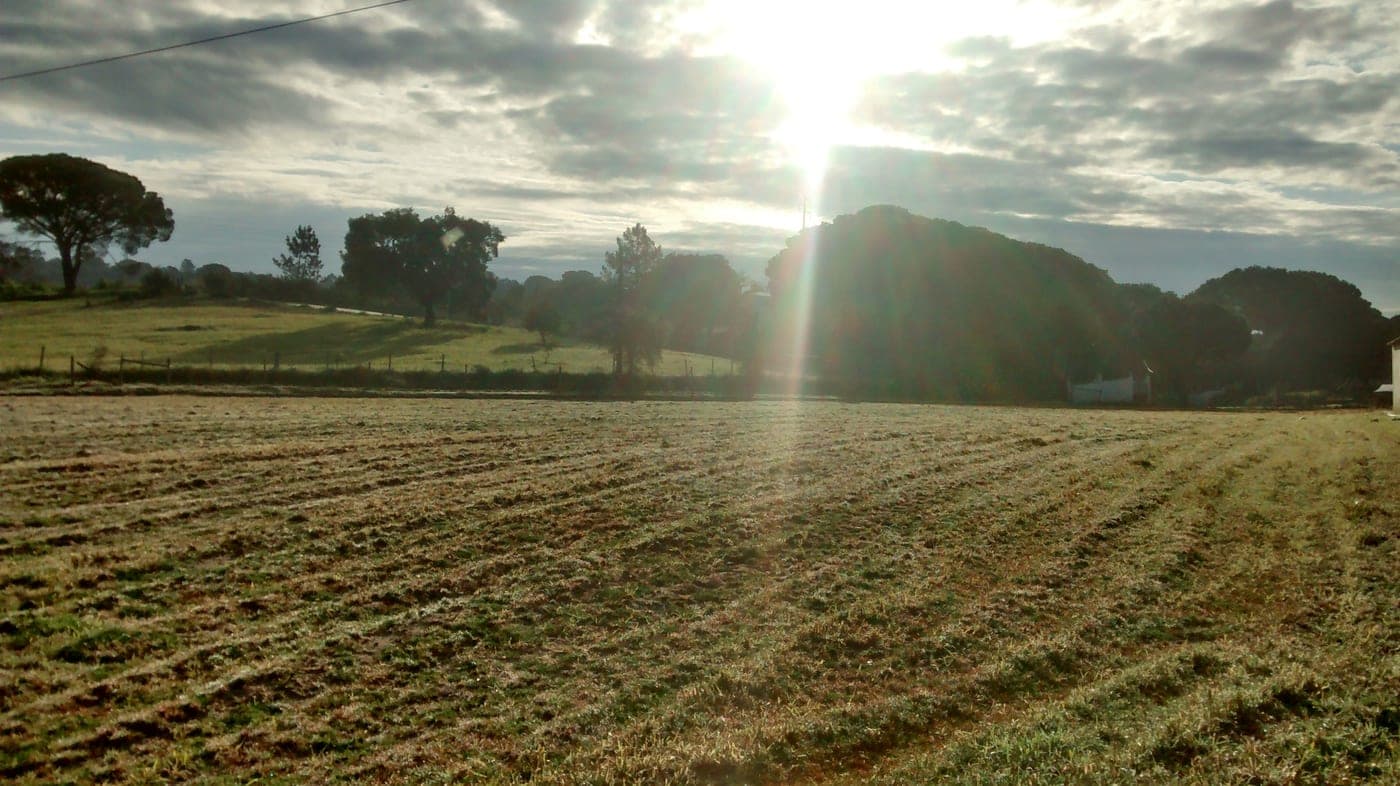
Montargil
Lakeside town in Alentejo with wine production and water sports.
Wine TastingHiking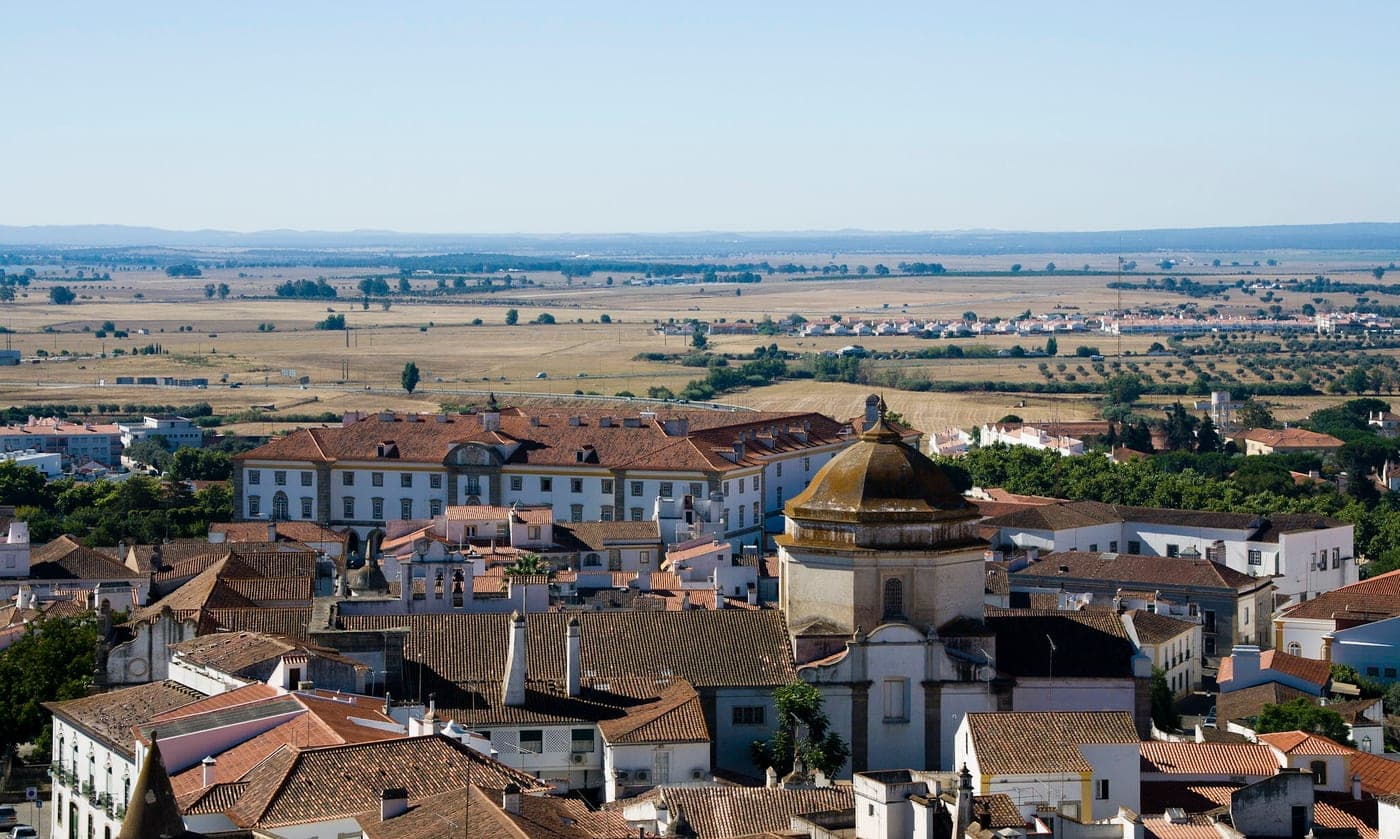 Wine Tasting
Évora
UNESCO World Heritage city in Alentejo wine region with Roman heritage.
Wine Tasting
1 region
 Wine Tasting14 destinations
Alentejo
Alentejo, the largest region in Portugal, features a rich agricultural landscape dotted with vineyards and olive groves. It is known for its unique wines, particularly the robust reds from the Alentejo DOC. The region is home to Évora, a UNESCO World Heritage site with Roman ruins and medieval architecture, and Monsaraz, a hilltop village offering stunning views of the surrounding plains. Alentejo’s coastline, though less frequented, boasts beautiful beaches like Praia da Amália. Additionally, the region is famous for its traditional festivals, such as the Festa de São João in Évora, where locals celebrate with music and dance. Travelers will find a slower pace of life here, with opportunities to explore local markets and sample regional delicacies like açorda and queijos.
Wine TastingHikingLocal Cuisine