Papet vaudois
A Vaud leek and potato stew with smoked cabbage sausage
- Local name
- Papet vaudois
- Served with
- Saucisse aux choux or saucisson vaudois
- Best eaten at
- A Vaud village pinte
- Pairs with
- Vaud Chasselas
What it is
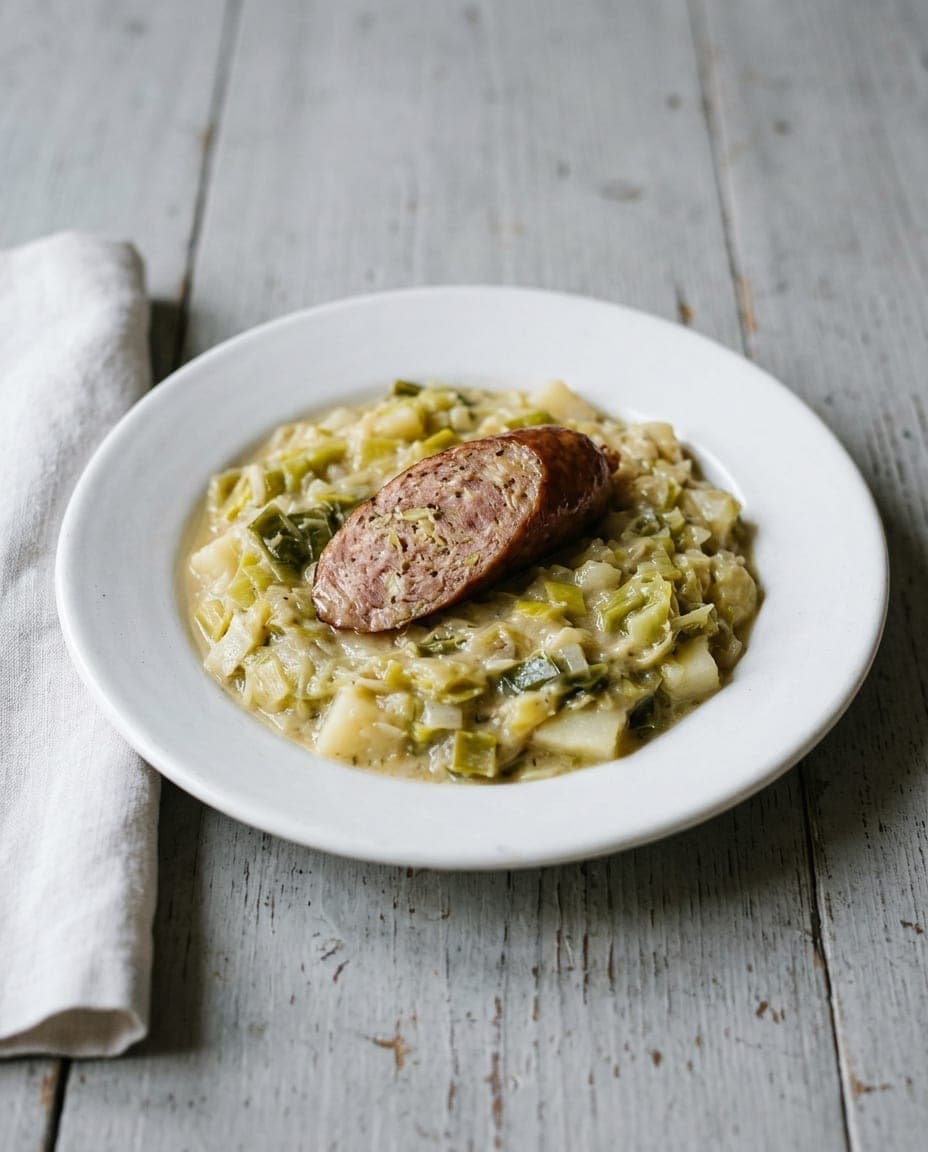
Papet vaudois is the defining winter dish of the canton of Vaud, in the French-speaking western part of Switzerland. It is a thick, pale stew where leeks and potatoes are cooked slowly until they lose their individual shapes and merge into a soft, creamy mass. The dish is not served as a light starter or a simple side; it is a substantial meal, often described as the comfort food of the region.
The identity of the papet relies on its companion: a Vaud sausage, most often the saucisse aux choux, a smoked sausage made with cabbage and pork, or else the plain pork saucisson vaudois. It is poached gently on top of the leek and potato mixture for much of the cooking time. The fat from the sausage infuses the vegetables while the cabbage in the meat absorbs the savoury flavours of the stew. Without one of these sausages, it is simply a papet aux poireaux.
The texture is distinctive, neither a soup nor a mash but something in between. The leeks and potatoes break down to create a dense, almost porridge-like consistency that coats the spoon. It is a dish born from the need to feed families through the long Swiss winter using ingredients that store well: root vegetables, cabbage, and preserved meats.
Where it comes from
The papet vaudois is strictly a regional speciality. While potatoes and leeks are common across Switzerland, this particular combination and its method of preparation are tied to the vineyards and farms of Vaud. The canton's landscape, with its rolling hills and valley floors, provided the conditions for growing the hardy vegetables needed for such a dish.
Historically, the recipe emerged from farmhouse kitchens rather than city restaurants. It was designed to be economical and filling, using cheap cuts of meat and abundant seasonal produce. The slow cooking method allowed tough vegetables to become tender and helped render fat from the sausage into the stew, ensuring no ingredient went to waste. Over time, it became the standard offering at village gatherings and winter celebrations across the canton.
In Lausanne, the cantonal capital, it appears on the menus of traditional restaurants, though it belongs to the villages above the lake. It is a dish that signals the arrival of colder weather, appearing on menus as soon as the first frosts hit the vineyards.
What goes into it
There are no precise measurements for the papet vaudois, as each cook adjusts the ratio of leeks to potatoes based on what is available in the cellar. The core components are simple but require patience:
- Leeks, the white and light green parts only, washed thoroughly to remove any sand before being sliced into rings.
- Potatoes, usually a waxy variety that holds its shape slightly but softens enough to blend with the leeks.
- White wine, typically a local dry white such as Chasselas, used to deglaze the pot and add acidity to cut the richness.
- Cream, added by some cooks towards the end of cooking to bind the vegetables into a smooth, velvety texture.
- Saucisse aux choux, a smoked sausage where the pork is mixed with blanched, pressed white cabbage before being stuffed into casings and smoked; the saucisson vaudois is the usual alternative.
The result is a dish that is mild in flavour but deeply satisfying, with the smokiness of the sausage providing the only strong note against the sweet earthiness of the leeks and potatoes.
How to eat it
Papet vaudois is traditionally served as a main course at lunch or dinner, particularly during the winter months. It is often presented in a large shallow bowl or a deep plate, allowing diners to scoop up the thick mixture easily. The sausage is usually placed on top of the stew or sliced into rounds and mixed in, though some versions keep it whole for carving at the table.
The dish pairs naturally with a glass of dry white wine from the region, such as Vaud Chasselas. The crisp acidity of the wine complements the creamy texture of the stew without overpowering it. In many cases, a crusty piece of bread is served on the side to mop up the remaining sauce, though the thick consistency often means little sauce remains by the end of the meal.
The best setting for this dish is a Vaud village pinte, a traditional tavern where locals gather to drink and eat in a relaxed atmosphere. These establishments often serve the papet vaudois as their signature item, offering a version that reflects the specific habits of the local community.
Curious facts
- The cabbage connection. The saucisse aux choux contains real cabbage mixed with the meat; a popular legend traces it to an imperial visit to Orbe in 879, when there was not enough meat to go round, though it only became widespread in the 19th century.
- A winter necessity. The dish was historically prepared in large batches to feed workers during the cold season when fresh produce was scarce, relying on stored potatoes and leeks.
- Poached, never boiled. The sausage is kept at a bare simmer on top of the vegetables; a hard boil splits the casing and the fat is lost into the pot.
- A single ingredient rule. A version served without a Vaud sausage is considered a different dish, a plain papet aux poireaux, rather than papet vaudois.
- The sausage is protected, the stew is not. Saucisse aux choux vaudoise and saucisson vaudois carry a Swiss IGP; the papet underneath them carries nothing.
Where to try it
A pinte in a Vaud village — the small wine-country taverns of the Lavaux terraces and the hills behind Lausanne — where it is on the board from the first frost to the spring.
It is also the dish of 24 January, when Vaud marks its independence of 1798 and papet is ladled out in quantity on the public squares of towns across the canton. Butchers across Vaud sell the sausage year-round, which is what most households buy when they make the papet at home.
Where to try it
1 destination
 Boat Rentals
Lausanne
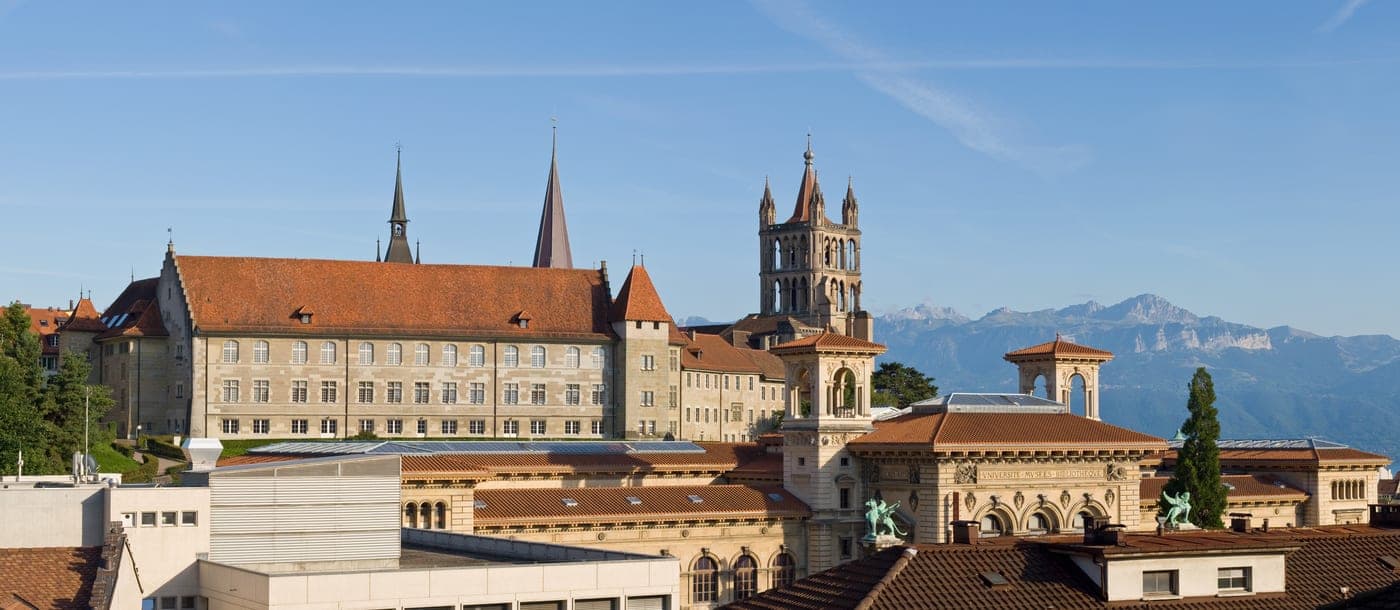
Lakeside city known for its Olympic Museum and vibrant cultural scene.
Boat RentalsHikingLocal Cuisine
1 region
 Boat Rentals10 destinations
Vaud
Vaud is a diverse region known for its stunning landscapes and rich cultural heritage. Nestled along the shores of Lake Geneva, it features the city of Lausanne, home to the Olympic Museum and a vibrant cultural scene. The region is famous for its vineyards, particularly the Lavaux vineyards, a UNESCO World Heritage site, offering breathtaking views and local wine tastings. Montreux, known for its jazz festival, sits nearby, while the medieval town of Yverdon-les-Bains boasts historical thermal baths. Vaud also offers numerous hiking trails in the Jura mountains, providing a glimpse into Swiss natural beauty. With a blend of urban and rural experiences, Vaud is ideal for those seeking to explore Switzerland's lesser-known gems.
Boat RentalsHikingLocal CuisineWine Tasting