Sardinhas assadas
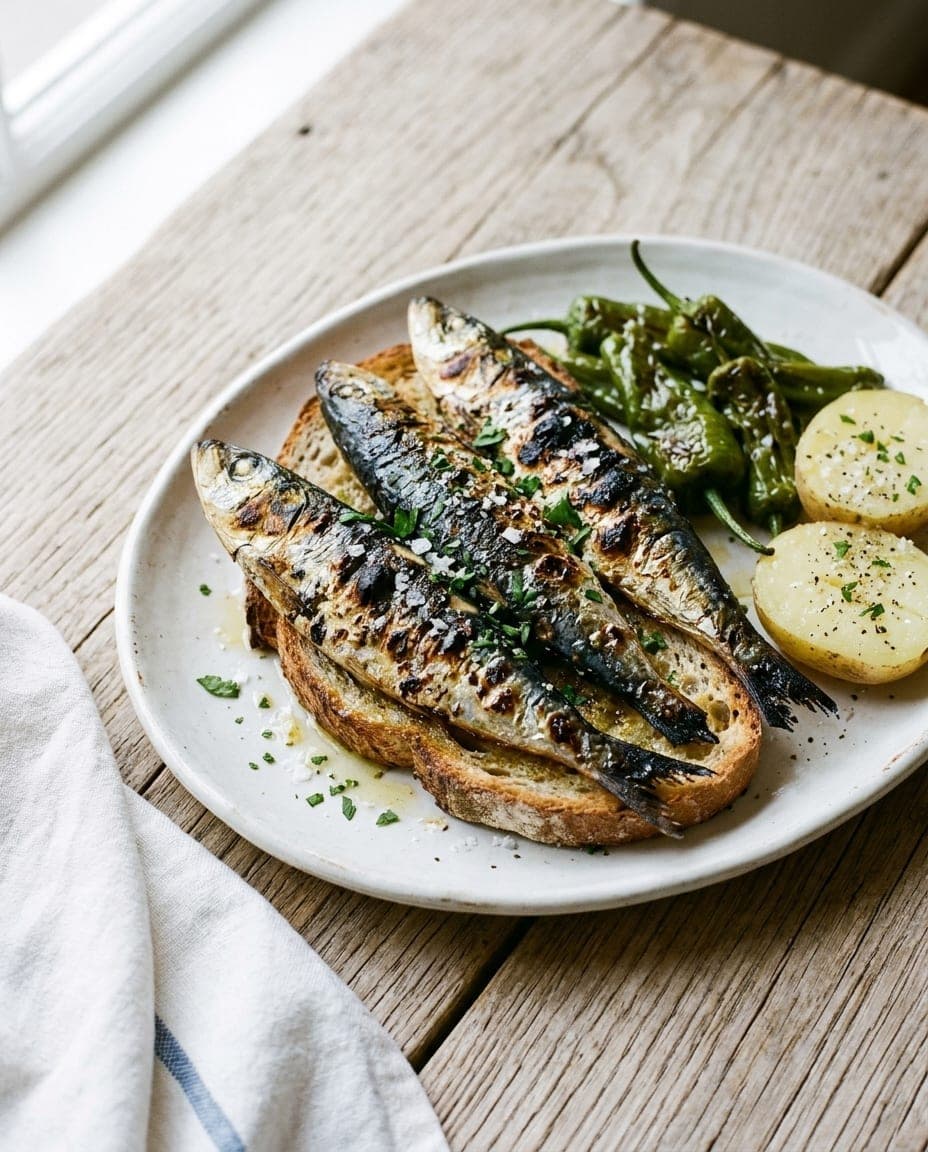
Charcoal-grilled sardines with bread and roasted peppers
- Local name
- Sardinhas assadas
- Served with
- Bread, roasted peppers, potatoes
- Best eaten at
- Lisbon's Santo António street parties
- Pairs with
- Vinho Verde
What it is
Sardinhas assadas are simply grilled sardines, yet they define the summer season for much of Portugal. The dish consists of whole fish, rubbed with coarse salt and cooked over hot charcoal embers until the skin is blackened and the flesh inside remains soft and oily. They are rarely served on a plate in the conventional sense. Instead, the fish are placed directly onto a thick slice of rustic bread, which soaks up the rendered fat, with roasted peppers and boiled potatoes alongside.
The preparation is minimal. The sardines are left whole, rinsed, rubbed with coarse sea salt and placed on a grill without oil or butter. The charcoal provides the heat, leaving a distinctive aroma that signals the arrival of summer in coastal towns and inland cities alike. This is not a dish for the faint-hearted; it requires eating with one's hands, wiping fingers on a napkin or the bread itself. It is a food of directness, where the quality of the fish and the skill of the grill master determine the success of the meal.
The season and the festivals
The window for enjoying sardinhas assadas is narrow and specific. The Iberian sardine stock, shared with Spain, is managed with quotas and a long winter closure to protect the population, so fresh Portuguese sardines are not landed all year round. Fishing usually reopens in late spring, and the best time to seek them out is from June through September, when the fish are fat and rich in oil. During these months, the catch is abundant and the flavour is at its most intense.
The peak of the season coincides with the Santos Populares festivals in June. In Lisbon, the streets fill with charcoal grills throughout June, peaking on the night of 12 June, the eve of Santo António on 13 June. The city transforms into a vast open-air kitchen where neighbours gather to cook over portable braziers. Similar celebrations occur in Porto for São João on the night of 23 to 24 June, and sardines are grilled in coastal towns like Cascais, Ferragudo and Portimão, which has long held a summer sardine festival, throughout the season.
The smoke from these grills becomes part of the festival atmosphere. Whole streets are closed to traffic as people set up tables on the pavement or in courtyards. The air is thick with the scent of charcoal and cooking fish. This is not a quiet dinner but a communal event where the noise of conversation, laughter and music blends with the crackle of the fire. The sardines are the central element of these gatherings, served as soon as they are ready from the coals.
Where it comes from
The tradition of grilling sardines over charcoal is bound up with Portugal's coastal history. Fishing communities along the Atlantic coast have long relied on the seasonal abundance of small oily fish. Before refrigeration, salting was the primary method for preserving the catch; for the grill, though, the fish are fresh and the coarse salt is there to season. It draws out a little moisture and firms the skin before the high heat of the charcoal grill.
In Lisbon and the Algarve, the sardine became a staple that could feed large groups without expensive ingredients. The bread used is often a simple, sturdy loaf, wheat or the maize broa, that can hold up to the oil and the juices of the fish. This simplicity allowed the dish to spread from humble fishing villages to the capital's busy streets. Over time, the act of eating grilled sardines became a symbol of Portuguese summer life, linking the sea to the table in a way that few other dishes manage.
What goes into it
The ingredients of sardinhas assadas are few, yet each plays a vital role in the final result. There is no complex sauce or elaborate garnish; the dish relies on the quality of its components and the technique of cooking.
- Sardines: Whole, ungutted fish rubbed with coarse salt. The fish are the European sardine (Sardina pilchardus), landed off the Portuguese coast during the summer season.
- Bread: A thick slice off a dense country loaf or broa, which acts as the plate and takes up the oil and the juices.
- Roasted peppers: Sweet peppers that have been charred over an open flame, peeled and dressed as a salad (salada de pimentos) to add a smoky sweetness.
- Boiled potatoes: Simple potatoes cooked in salted water until tender, often dressed with olive oil before serving.
The combination creates a balanced meal where the fat of the sardines is cut by the acidity of the peppers and the earthiness of the potatoes. The bread ensures that no part of the fish's flavour is wasted, as it soaks up every drop of oil. This method of eating is practical and efficient, allowing large groups to share a single dish with ease.
How to eat it
Sardinhas assadas are typically eaten in the evening, often as a late dinner or a supper following the day's work or festival activities. The fish are served hot, straight from the grill, and must be eaten quickly before they cool down and lose their texture. The bread is placed under the sardines, and diners use their hands to pull the flesh away from the bones, letting it fall onto the bread.
The roasted peppers are usually peeled beforehand, and their soft, sweet flesh contrasts with the smoky fish. The boiled potatoes are often served on the side, ready to be eaten with the same hand-held approach. A glass of Vinho Verde, a light and often slightly sparkling white wine from the north-west of Portugal, is a classic companion to this dish: its acidity cuts through the oiliness of the sardines and cleanses the palate between bites. At the street parties, beer and red wine are just as common.
When eating in a street festival setting, the atmosphere is informal and lively. People stand or sit on low stools, sharing plates and passing bottles of wine. The focus is on the food and the company rather than formal dining etiquette. In restaurants serving this dish, the sardines may be presented on a large platter with the bread arranged around them, inviting everyone to serve themselves.
Curious facts
- The bread is the plate. It is common for the bread to absorb so much oil that it becomes the most prized part of the meal, often eaten last after the fish is finished.
- Salted before grilling. The coarse salt seasons the fish before it hits the charcoal and is not there for preservation.
- A seasonal harvest. The sardine stock is protected by quotas and a winter closure; the saying goes that sardines are best in the months without an R, roughly May to August.
- Festival smoke. During the Santos Populares in June, the air in Lisbon's streets becomes thick with charcoal smoke, creating a distinct sensory experience that marks the start of summer.
- They are grilled whole. The fish go on the coals ungutted and unscaled, which is held to keep the flesh moist; what is inside is left for the eater to deal with or leave.
Where to try it
June, in Lisbon, during the Santos Populares: Alfama, Mouraria, Graça and Bica put grills in the street and tables on the pavement, and the whole city smells of it for a fortnight.
Otherwise the coast. Cascais on the Lisbon shore, and Ferragudo and Portimão in the Algarve, grill them through the summer on the beach and along the harbours. Out of festival season, the fishing villages are the reliable places: a charcoal grill outside the door is the sign.
Where to try it
3 destinations
 Boat Rentals
Ferragudo
Traditional Algarve fishing village with colorful streets and river views.
Boat RentalsHiking Boat Rentals
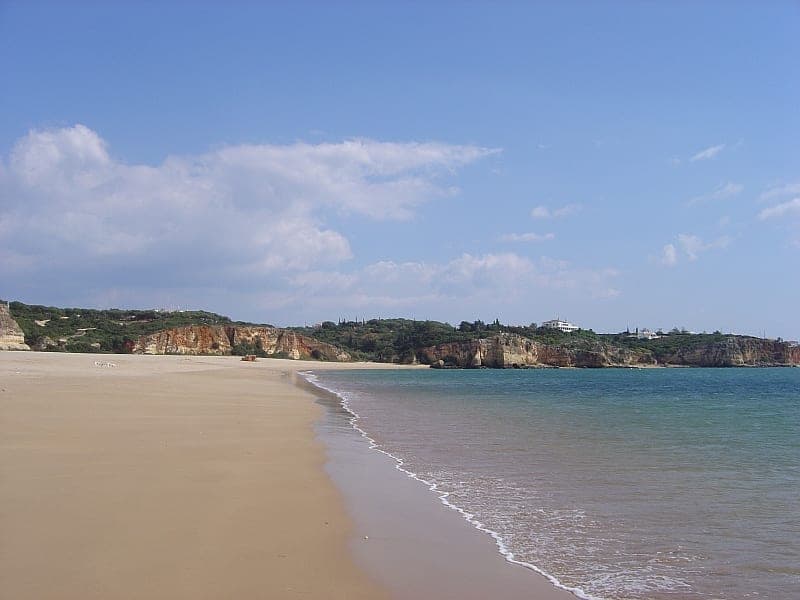
Portimão
Historic fishing port known for stunning beaches and vibrant nightlife.
Boat Rentals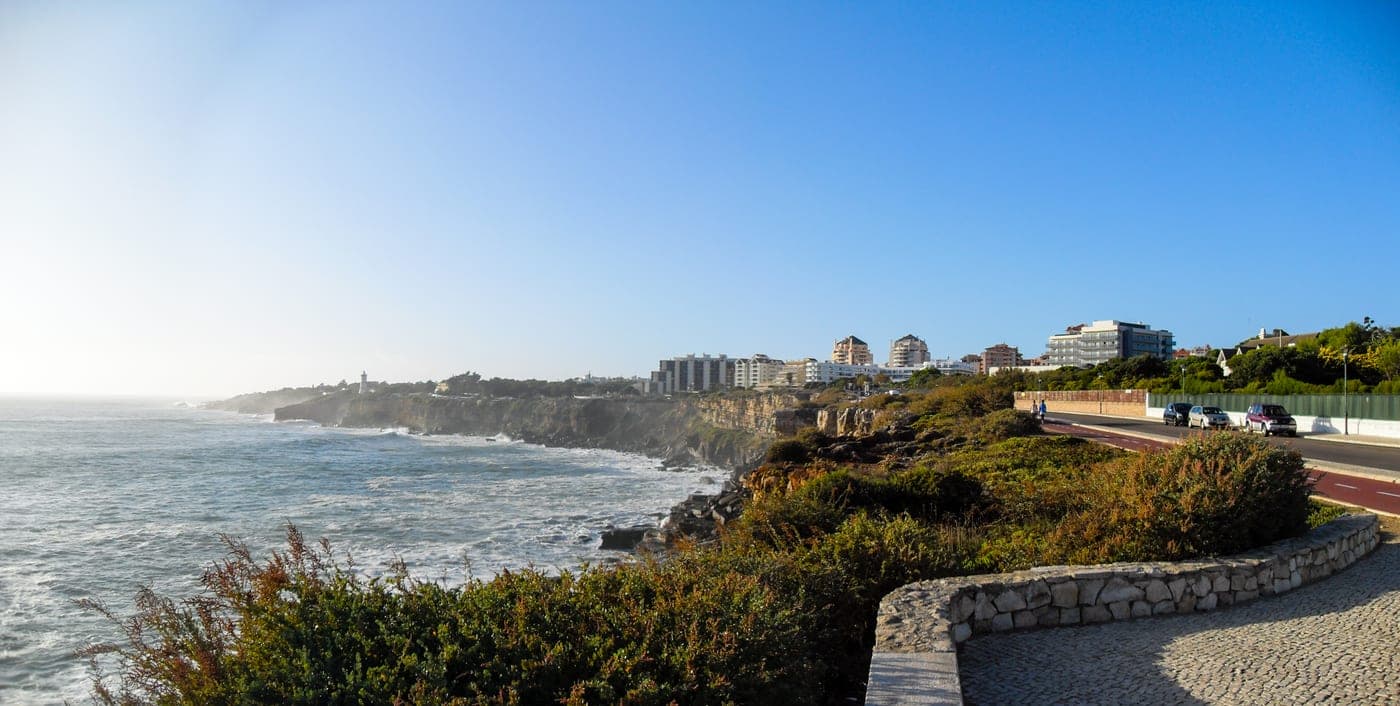 Boat Rentals
Cascais
Elegant coastal town marina near Lisbon with boat rentals and stunning coastline.
Boat RentalsHiking
2 regions
 Wine Tasting14 destinations
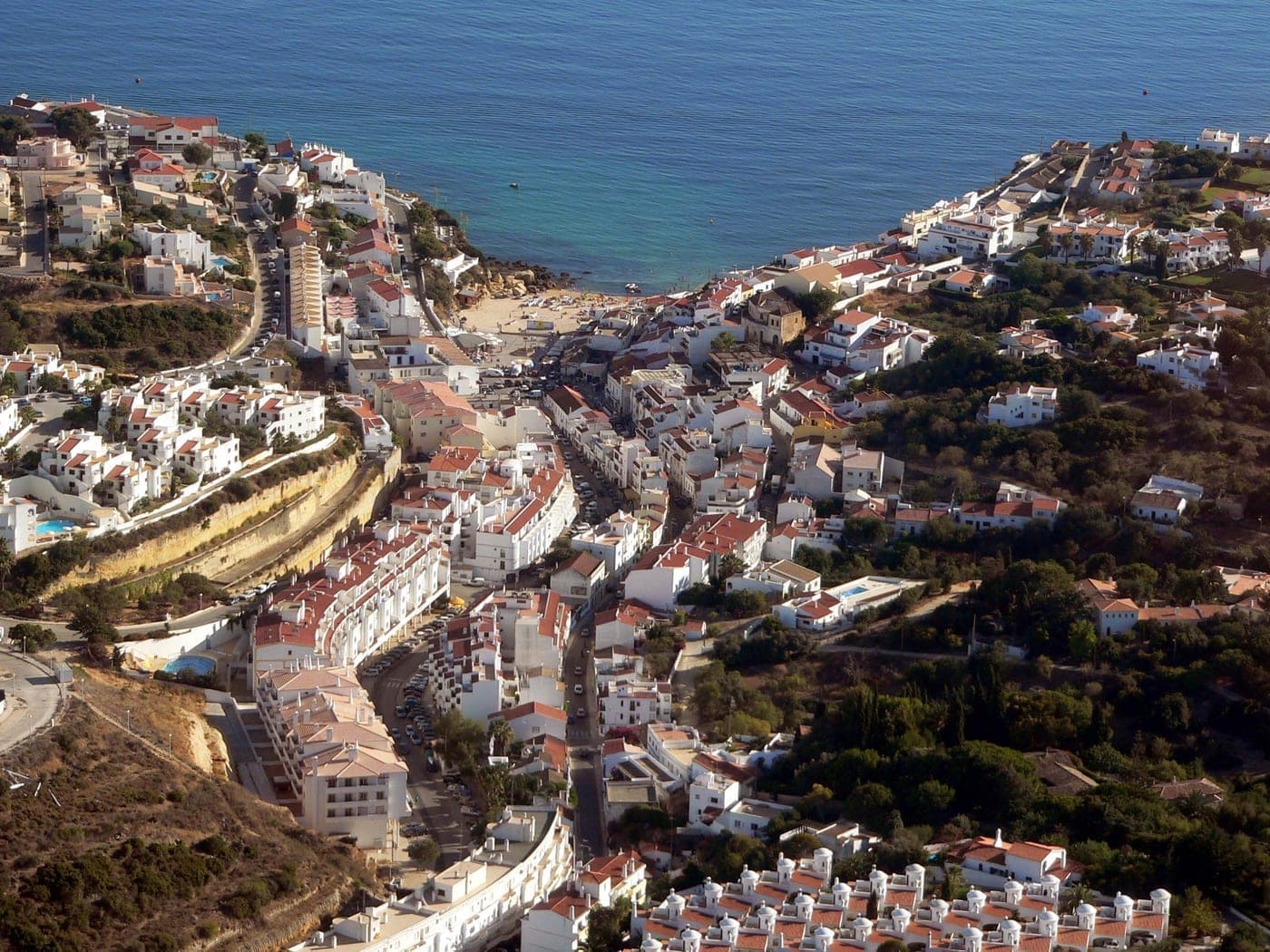
Algarve
The Algarve, Portugal's southernmost region, is famed for its stunning coastline and rich cultural heritage. Known for its picturesque cliffs and golden beaches, the area also boasts a unique blend of Moorish and Portuguese architecture. Lagos offers historical significance with its ancient fortifications, while Silves features a well-preserved castle reflecting its past as a Moorish stronghold. The region is celebrated for its local gastronomy, particularly fresh seafood and traditional dishes like cataplana. Off the beaten path, small towns like Tavira and Aljezur showcase authentic Portuguese life, with traditional festivals and local artisan markets. The Algarve is a treasure trove of natural parks, hiking trails, and charming villages, perfect for a deeper exploration of Portugal's diverse landscape.
Wine TastingHikingBoat RentalsLocal Cuisine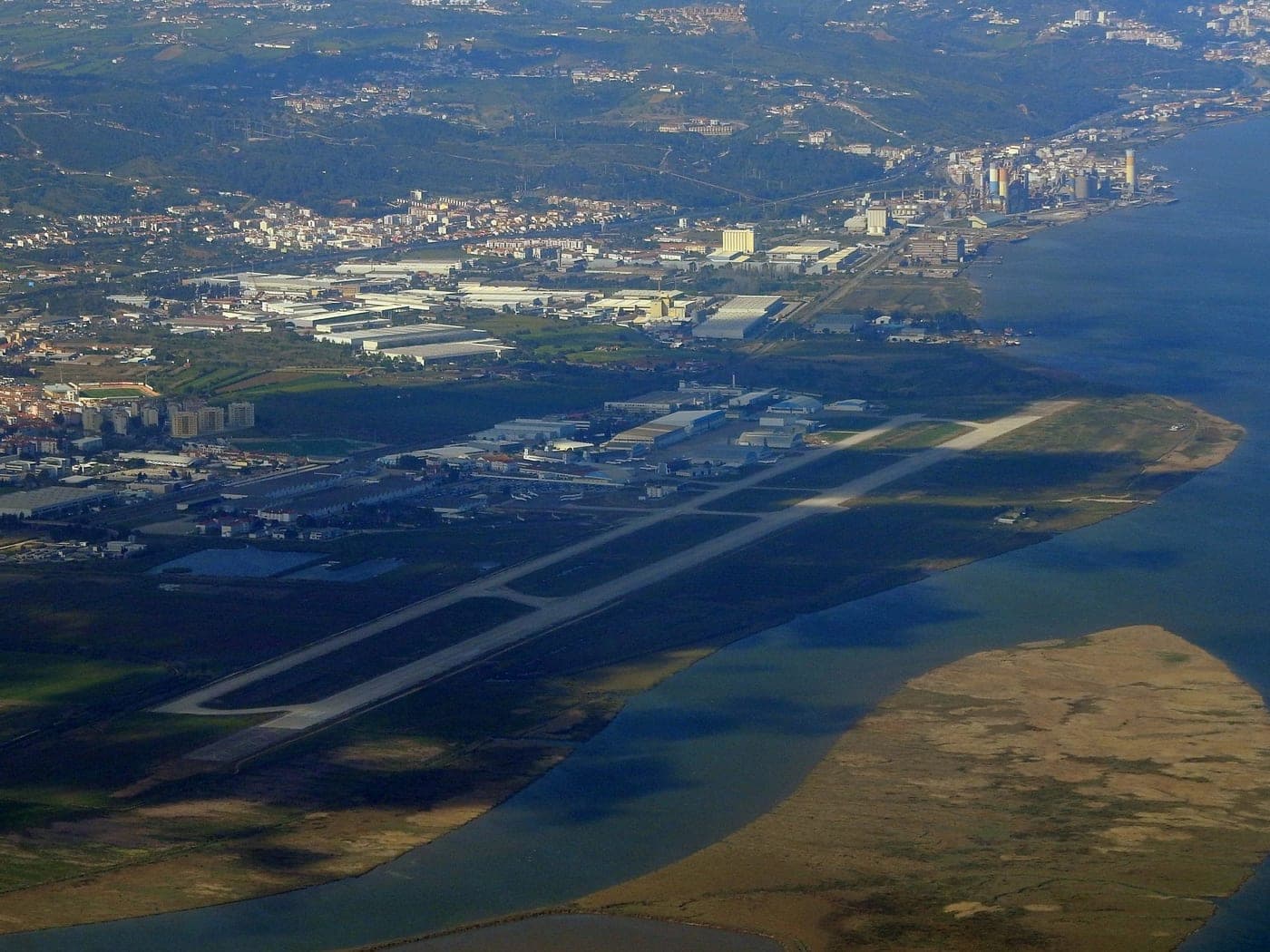 Wine Tasting3 destinations
Lisbon
Lisbon, Portugal's capital, is a vibrant city known for its rich maritime history and unique architectural styles, including Manueline and Pombaline. It is situated on the edge of the Atlantic Ocean, making it the only capital city in Western Europe with a coastline. The Alfama district, with its narrow winding streets, offers a glimpse into the city's Moorish past, while the Belém area is home to the iconic Jerónimos Monastery. Off the beaten path, the neighborhood of Graça provides stunning viewpoints and local eateries. The region also hosts local festivals, like Festas de Lisboa, celebrating culture and tradition throughout June. Lisbon's proximity to the Sintra mountains allows for scenic hikes and exploration of palaces, making it a multi-faceted destination for those looking to explore at a leisurely pace.
Wine TastingHikingCamper Van RentalsBoat Rentals