Queijo de Serpa
Soft, buttery sheep's cheese from Serpa in Portugal's Alentejo
- Vegetarian
- Local name
- Queijo Serpa
- Served with
- Alentejo bread
- Pairs with
- Alentejo red
What it is
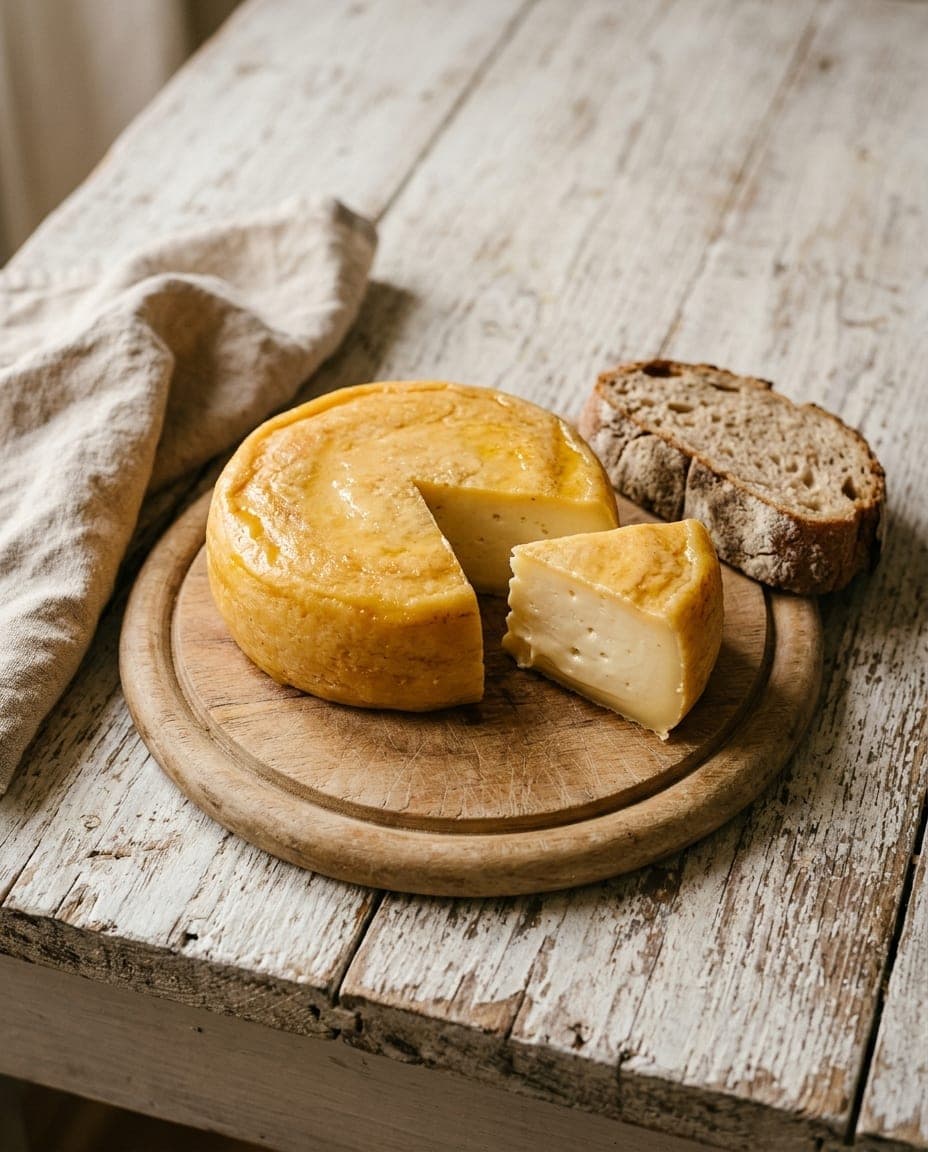
Queijo de Serpa, registered as Queijo Serpa, is a protected designation of origin (PDO) cheese from the town of Serpa and the surrounding lower Alentejo. It is a sheep's milk cheese made with raw milk and curdled using the dried flowers of the cardoon thistle rather than animal rennet. The result is a semi-soft, buttery paste that holds its shape in the wheel but slumps and can run when cut.
The cheese is not mild. It has a strong aroma and a salty, slightly spicy character that deepens as it matures. While many cheeses are sold young and fresh, Queijo de Serpa is cured for at least a month in cool, humid cellars, sometimes longer. During this time it develops a thin, straw-yellow rind, which on some older wheels is rubbed with olive oil and paprika for colour and protection. The inside remains creamy and dense, with a texture that is often described as almost spreadable when the cheese reaches its peak.
How it is made
The defining feature of Queijo de Serpa is the coagulant. In many parts of the world, animal rennet is used to turn milk into curds, but in the Alentejo, local producers have long relied on the cardoon thistle (Cynara cardunculus). The dried flowers are steeped in water to create a liquid extract that acts as a natural enzyme, breaking down the proteins in the raw sheep's milk to form a delicate curd. This method gives a slightly bitter, spicy edge that animal rennet does not.
The milk comes from local sheep breeds raised on the dry plains of the Alentejo. The animals graze on wild grasses and herbs, which influences the flavour of the milk before it is even collected. Once the curd forms it is cut, drained and pressed into shallow moulds. The wheels are salted and moved to cool, damp cellars, where the steady temperature and the humidity let the inside stay soft while the rind sets.
What goes into it
The ingredients are minimal by design, relying on the quality of the milk and the thistle extract:
- Raw sheep's milk, sourced from local flocks in the Serpa area.
- Cardoon thistle flowers, dried and prepared to curdle the milk.
- Salt, added during the moulding or surface curing process.
- Olive oil and paprika, used by some producers on the rind of older wheels to protect the surface and add a touch of colour.
There are no additives, preservatives, or artificial enzymes in an authentic Queijo de Serpa. The strength of the flavour comes entirely from the raw milk and the natural coagulant. Because it is made with raw milk, the cheese retains live cultures that contribute to its unique taste profile, though these can vary slightly between producers depending on the season and the specific herd.
How to eat it
Queijo de Serpa is at its most typical soon after its first month of curing, when the paste is still soft and buttery. The traditional way to serve it is at room temperature, allowing the fats to soften and the aromas to rise. It is rarely eaten with a knife alone; instead, it is often spooned or scooped onto slices of Alentejo bread, a dense, pale wheat sourdough that provides a sturdy base for the creamy cheese. The combination of the salty, tangy cheese and the earthy bread creates a balanced bite that highlights the region's rustic character.
It pairs naturally with the robust red wines of the Alentejo, which can stand up to the cheese's intensity without being overwhelmed. A glass of local red wine or a cold beer complements the saltiness well. It appears on a board with presunto and olives, though the Alentejo way is plainer than that: the cheese, the bread, and the wine.
Curious facts
- Thistle instead of rennet. The use of cardoon thistle is a hallmark of many Portuguese cheeses, and it gives Queijo de Serpa a slightly bitter note that sets it apart from those made with animal rennet.
- A month minimum. While some cheeses are sold within days, authentic Queijo de Serpa must cure for at least 30 days to develop its full character and soft texture.
- Rind treatment. The rind of older wheels is sometimes rubbed with olive oil and paprika, a practice that helps preserve the cheese and colours the surface.
- Raw milk only. The PDO regulations require the use of raw sheep's milk, meaning the cheese carries live cultures that can vary by producer and season.
- Local bread essential. The dense Alentejo wheat sourdough is considered the ideal partner, as its texture holds the soft cheese without becoming soggy too quickly.
Where to try it
Serpa itself, and the small dairies spread across the plains around it, several of which sell at the door. It is on the board in traditional taverns across the lower Alentejo, served with the local bread and a glass of red.
The town holds the Feira do Queijo do Alentejo in late February or early March, which is when the largest number of producers are in one place. Outside the region it turns up in Lisbon cheese shops; outside Portugal, rarely, because raw-milk wheels do not travel easily.
Where to try it
1 region
 Wine Tasting14 destinations
Alentejo
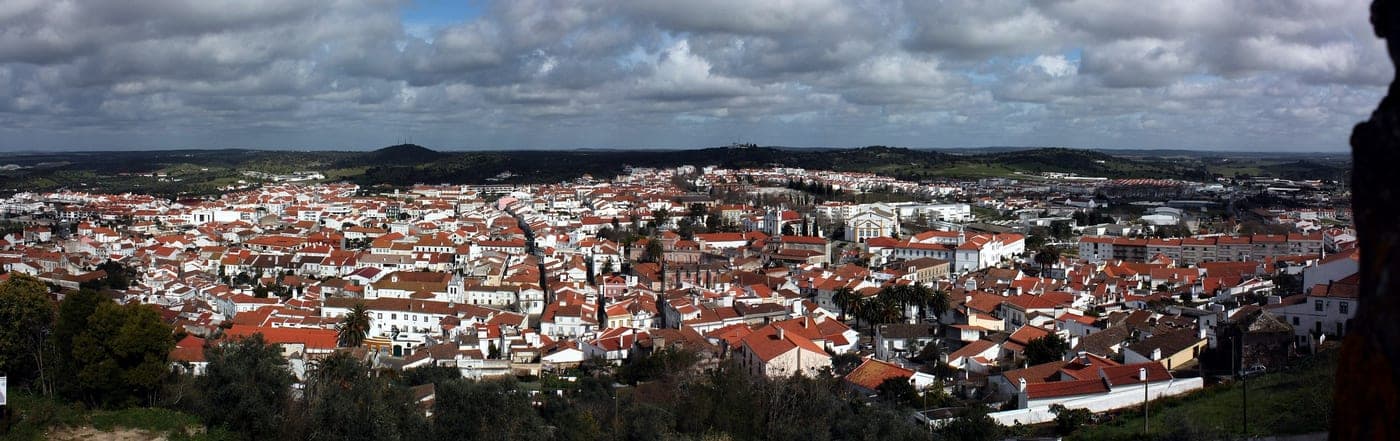
Alentejo, the largest region in Portugal, features a rich agricultural landscape dotted with vineyards and olive groves. It is known for its unique wines, particularly the robust reds from the Alentejo DOC. The region is home to Évora, a UNESCO World Heritage site with Roman ruins and medieval architecture, and Monsaraz, a hilltop village offering stunning views of the surrounding plains. Alentejo’s coastline, though less frequented, boasts beautiful beaches like Praia da Amália. Additionally, the region is famous for its traditional festivals, such as the Festa de São João in Évora, where locals celebrate with music and dance. Travelers will find a slower pace of life here, with opportunities to explore local markets and sample regional delicacies like açorda and queijos.
Wine TastingHikingLocal Cuisine