Pão de rala
Almond pastry with egg-yolk filling from Évora convents
- Vegetarian
- Local name
- Pão de rala
- Best eaten at
- An Évora convent-sweets shop
- Pairs with
- Coffee or Moscatel de Setúbal
What it is
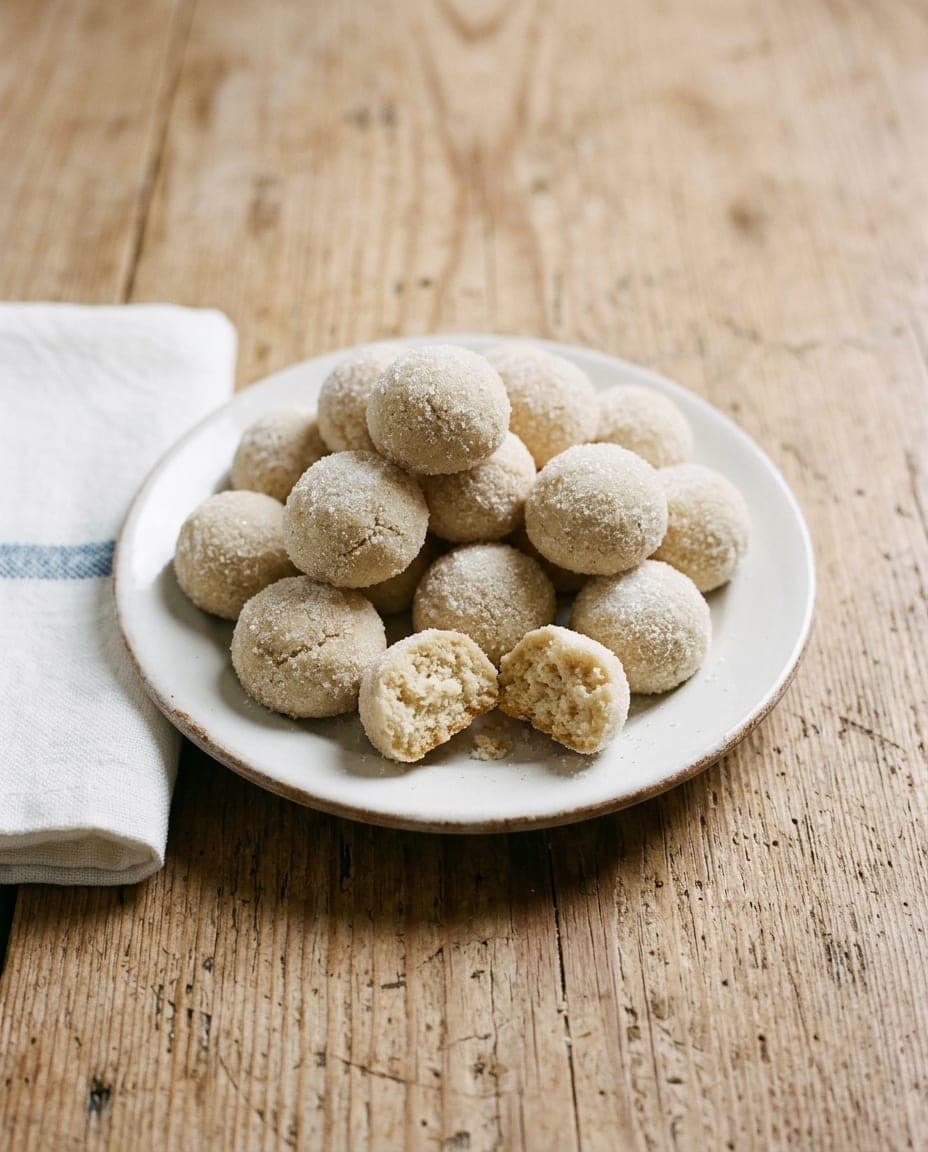
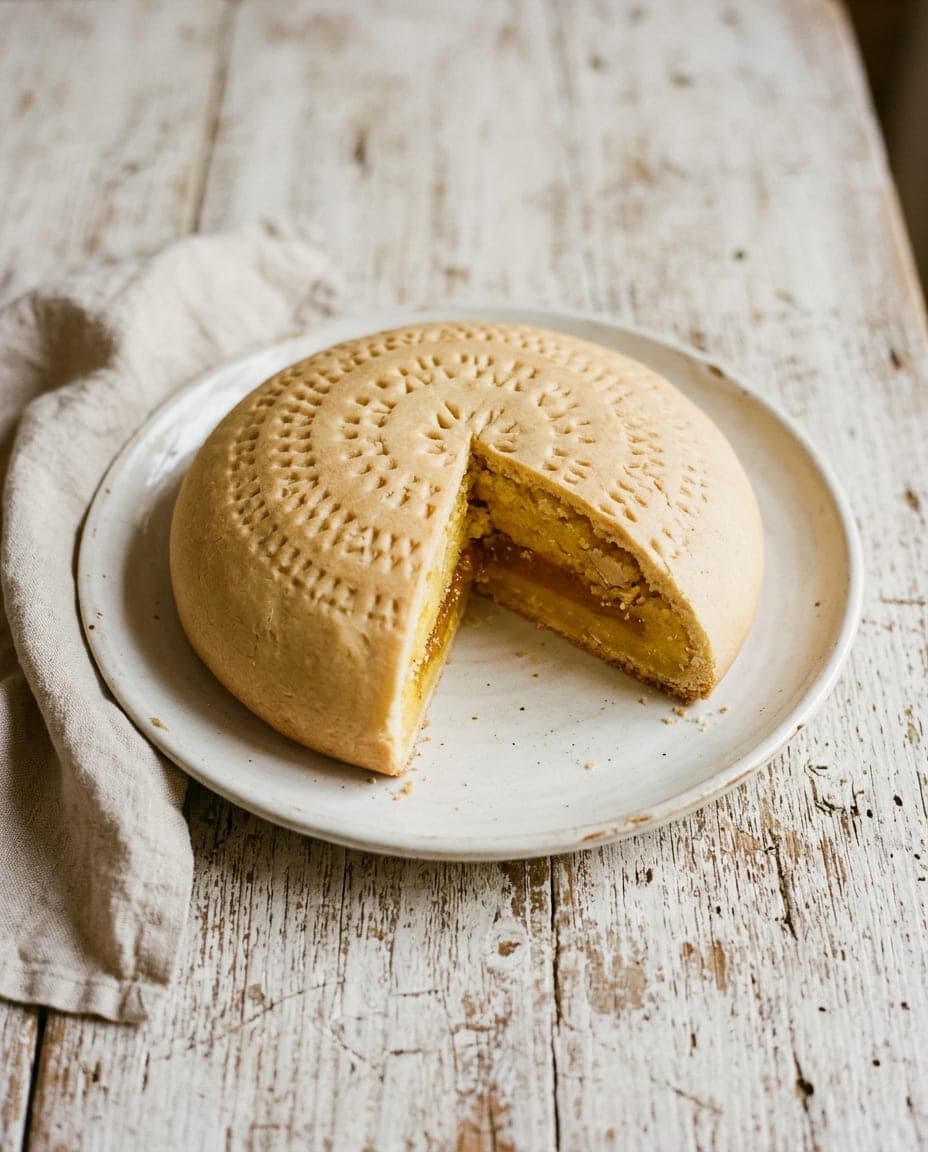
Pão de rala is a round, loaf-shaped sweet from the Alentejo region of Portugal, specifically tied to the city of Évora. Despite its name, which translates roughly to "grated bread", it is not bread at all: it is only shaped to look like a small loaf. It consists of a casing of almond dough, made from ground almonds, sugar syrup and egg yolks, enclosing a dense, sweet filling of egg yolks and sugar.
The texture is distinct: the outer layer is firm and marzipan-like, while the interior remains soft and rich. The recipe is credited to the Poor Clare nuns of the Convento de Santa Helena do Monte Calvário in Évora, who, like nuns across Portugal, are said to have had surplus egg yolks once the whites had gone to uses such as clarifying wine. The result is a confection that feels substantial yet light, balancing the nuttiness of the almond with the intense sweetness of the yolk and sugar.
The convent tradition in Évora
Évora is known for its convent sweets, and several of its shops make little else. While many towns in Portugal have their own signature sweet, the city of Évora has maintained a continuous production of these treats for centuries. It is common to find small workshops in the old quarter that specialise almost entirely in making these sweets, passing down techniques through generations without altering the core recipe.
The origin of the name pão de rala is not settled. Rala is linked to ralar, "to grate", and one view connects it to the grated almonds of the casing; another takes it simply from the sweet's resemblance to a homely loaf. Whatever the etymology, the name has stuck to the loaf-shaped cakes that are now synonymous with the city.
What goes into it
There is no single official recipe, and each workshop guards its own proportions, but the components remain consistent across the region. The filling is the heart of the sweet, relying on the quality of just a few ingredients:
- Egg yolks, which provide the base for the sweet, dense centre, often with fios de ovos (sweet egg threads) folded in.
- Sugar, used in generous quantities to preserve the yolk and create the signature sweetness.
- Ground almonds, cooked with sugar syrup and yolks into the almond dough that encases the filling.
- Doce de gila, the pale jam made from the fig-leaf gourd (Cucurbita ficifolia), which is frequently worked into the filling. This local ingredient gives the sweet a subtle floral note and is a staple of Alentejo convent baking.
The combination creates a taste that is deeply sweet but balanced by the earthy quality of the almonds and the specific taste of the gourd jam. It is not a dish for those seeking savoury notes; it is a pure dessert, designed to be eaten in small quantities alongside a drink.
How to eat it
Pão de rala is traditionally served as a sweet treat rather than a full meal component. The pastry is often wrapped individually in paper and sold by weight or by the piece.
It pairs most naturally with a strong black coffee, which cuts through the sweetness of the yolk and sugar. A glass of Moscatel de Setúbal, the fortified wine from just west of the Alentejo, is also a good companion, offering a honeyed note that complements the almond shell. Slices are usually eaten with a small fork; individual pieces can be eaten by hand.
Curious facts
- A local gourd. The use of doce de gila runs through many Alentejo convent sweets, though this pale fig-leaf gourd jam is also used in other Portuguese regions.
- Egg whites for wine. The usual explanation for Portuguese convent sweets is that egg whites went to clarify wine, leaving a surplus of yolks to be turned into sweets.
- A city of convent sweets. Évora had a large number of religious houses before the orders were dissolved, and the shops that took over their recipes are still clustered in the old town.
- Shaped like bread. Despite the name "bread", there is no bread dough in it; the loaf shape is the only resemblance.
- One convent. The recipe is attributed to the Convento de Santa Helena do Monte Calvário, though today it is made by many independent shops.
Where to try it
Évora, in one of the small shops in the walled town that make convent sweets and little else. They are in the narrow streets between the cathedral and the old wall, and they sell by the piece and by weight.
The cake is also made whole, decorated with almond-paste shapes and cut into slices, which is how it appears on the dessert list of restaurants in the city. Outside the Alentejo it is uncommon; the sweets that travel from this region tend to be the harder, drier ones.
Where to try it
1 destination
 Wine Tasting
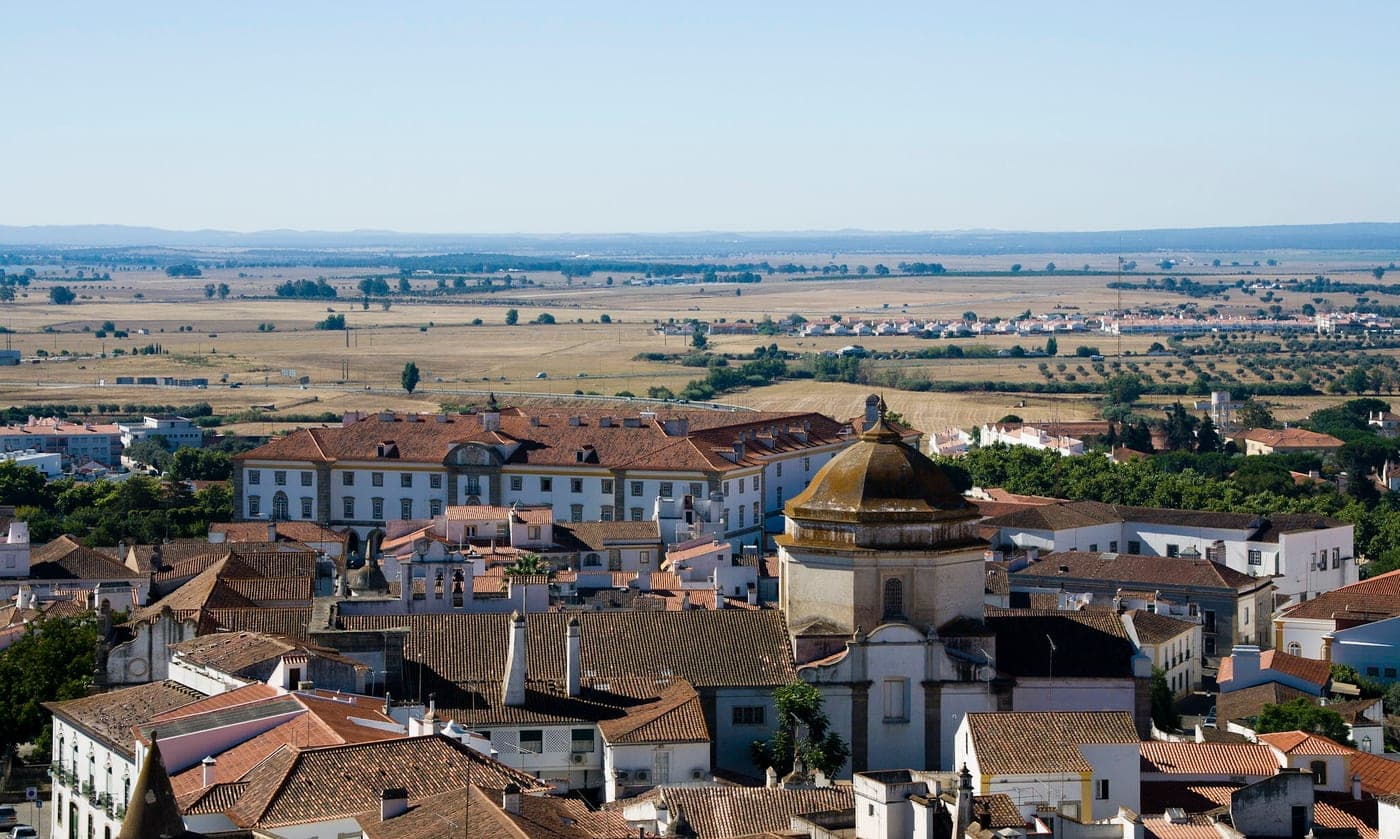
Évora
UNESCO World Heritage city in Alentejo wine region with Roman heritage.
Wine Tasting
1 region
 Wine Tasting14 destinations
Alentejo
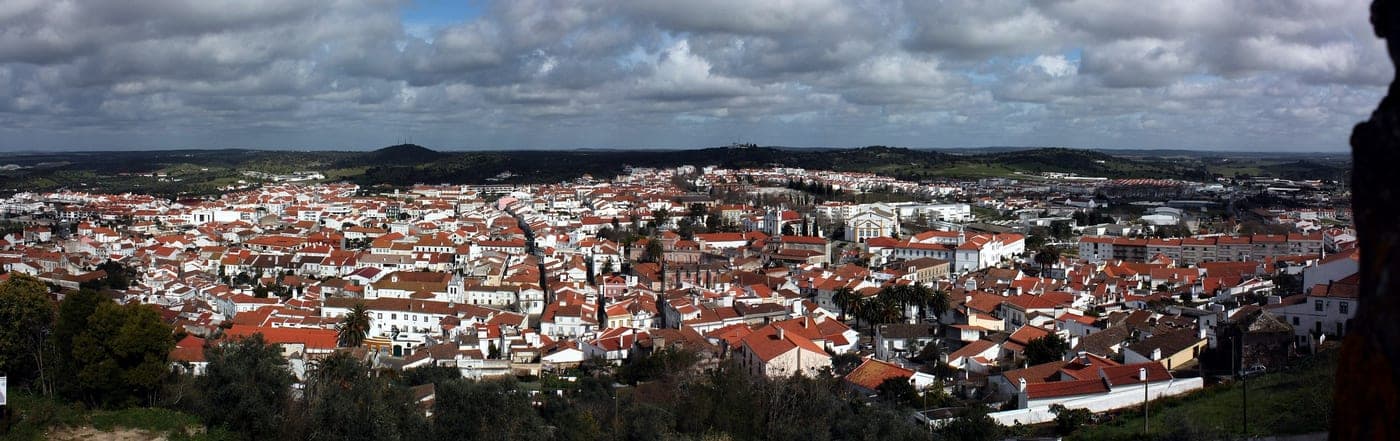
Alentejo, the largest region in Portugal, features a rich agricultural landscape dotted with vineyards and olive groves. It is known for its unique wines, particularly the robust reds from the Alentejo DOC. The region is home to Évora, a UNESCO World Heritage site with Roman ruins and medieval architecture, and Monsaraz, a hilltop village offering stunning views of the surrounding plains. Alentejo’s coastline, though less frequented, boasts beautiful beaches like Praia da Amália. Additionally, the region is famous for its traditional festivals, such as the Festa de São João in Évora, where locals celebrate with music and dance. Travelers will find a slower pace of life here, with opportunities to explore local markets and sample regional delicacies like açorda and queijos.
Wine TastingHikingLocal Cuisine