Ostras da Ria Formosa (oysters)
Lagoon oysters raised on the tide
- Local name
- Ostras da Ria Formosa
- Served with
- Lemon
- Best eaten at
- An Algarve marisqueira
- Pairs with
- Vinho Verde
What it is
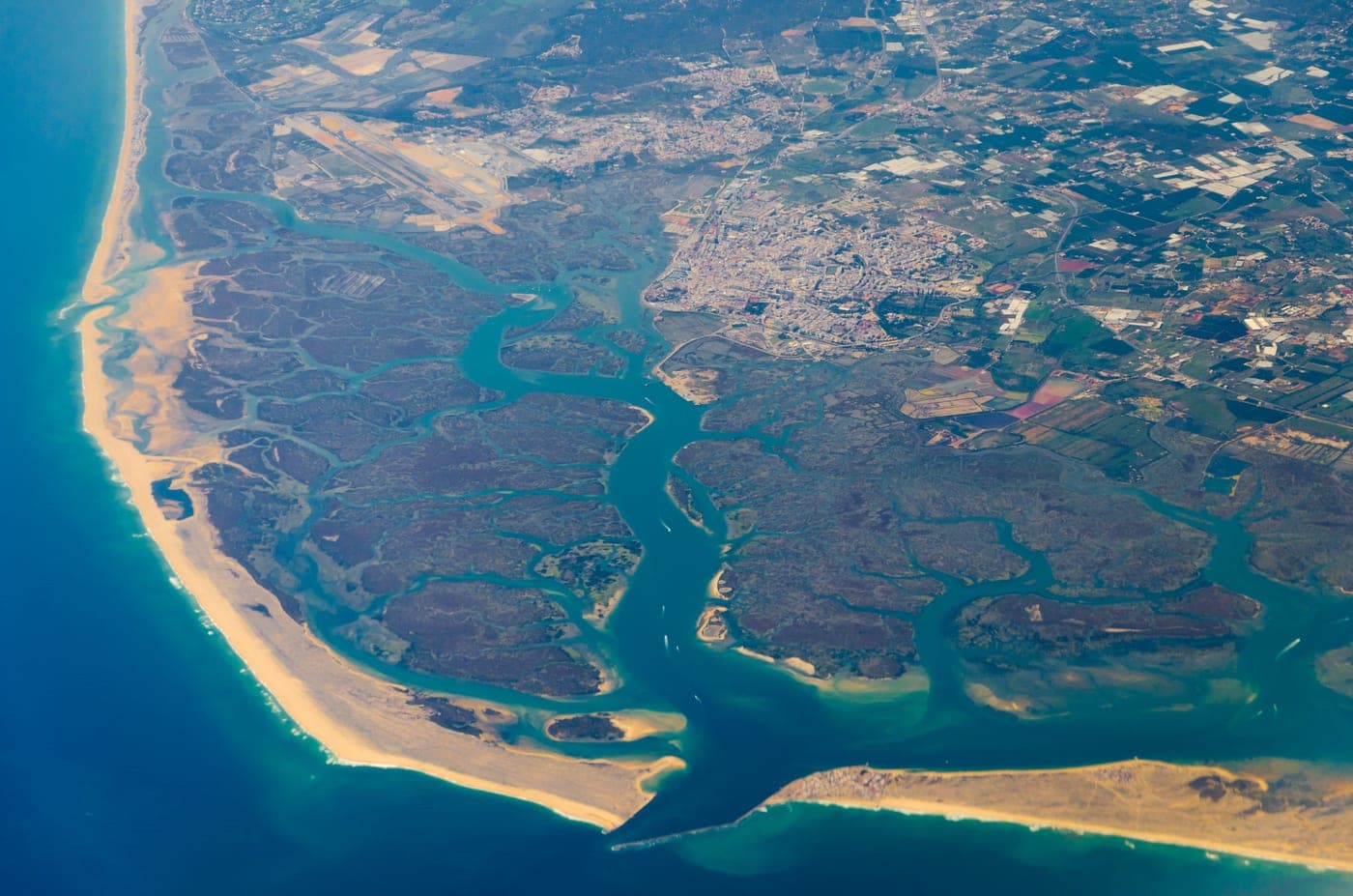
Ostras da Ria Formosa are oysters farmed in the tidal channels of the Ria Formosa, a protected natural park stretching along the central and eastern Algarve coast. The name refers to the specific lagoon system where these shellfish grow, not a distinct biological species. The crop consists almost entirely of Pacific oysters, which replaced the native Portuguese oyster after disease wiped it out in the 1970s, and which now thrive in the mix of fresh river water and salty sea currents that flow through the lagoon's shallow channels.
What distinguishes these oysters is the method used to raise them. Growers hang bags containing the shellfish on wooden trestles set just above the waterline in the tidal creeks. Twice a day, the rising tide covers the bags, allowing the oysters to filter feed on plankton-rich water. When the tide recedes, the bags are exposed to air and sunlight for several hours. Farmers maintain that this daily cycle of wetting and drying is essential, as it firms the flesh and concentrates the flavour more than in oysters kept permanently submerged.
The result is an oyster with a clean, briny taste and a texture that ranges from firm to tender depending on the season. They are not a dish found in every restaurant across Portugal, but rather a regional speciality tied closely to the Algarve coast. In Lisbon or inland towns, they are harder to find than in the coastal belt where the lagoon meets the Atlantic.
The journey from the lagoon
While the oysters are harvested locally, most of the crop leaves Portugal immediately after being shucked and packed. France is the main destination for this high-quality produce, a fact that explains why an Algarve marisqueira often feels like the best place to taste them fresh off the boat. Inland markets or distant cities rarely receive the same volume of local stock.
The harvest takes place year-round, though the taste shifts with the water temperature and the amount of plankton available in the lagoon. Nothing is fed to them: they live on what the tide brings through the channels. This reliance on the environment means that the quality can vary slightly from one month to the next, a detail that local shuckers often note when serving customers.
Because the fishery is small and specific, there are no massive industrial factories or named corporate brands dominating the trade. Instead, the oysters come from small family-run operations along the lagoon's edges, where the work is done by hand in the mud and salt spray.
How it is served
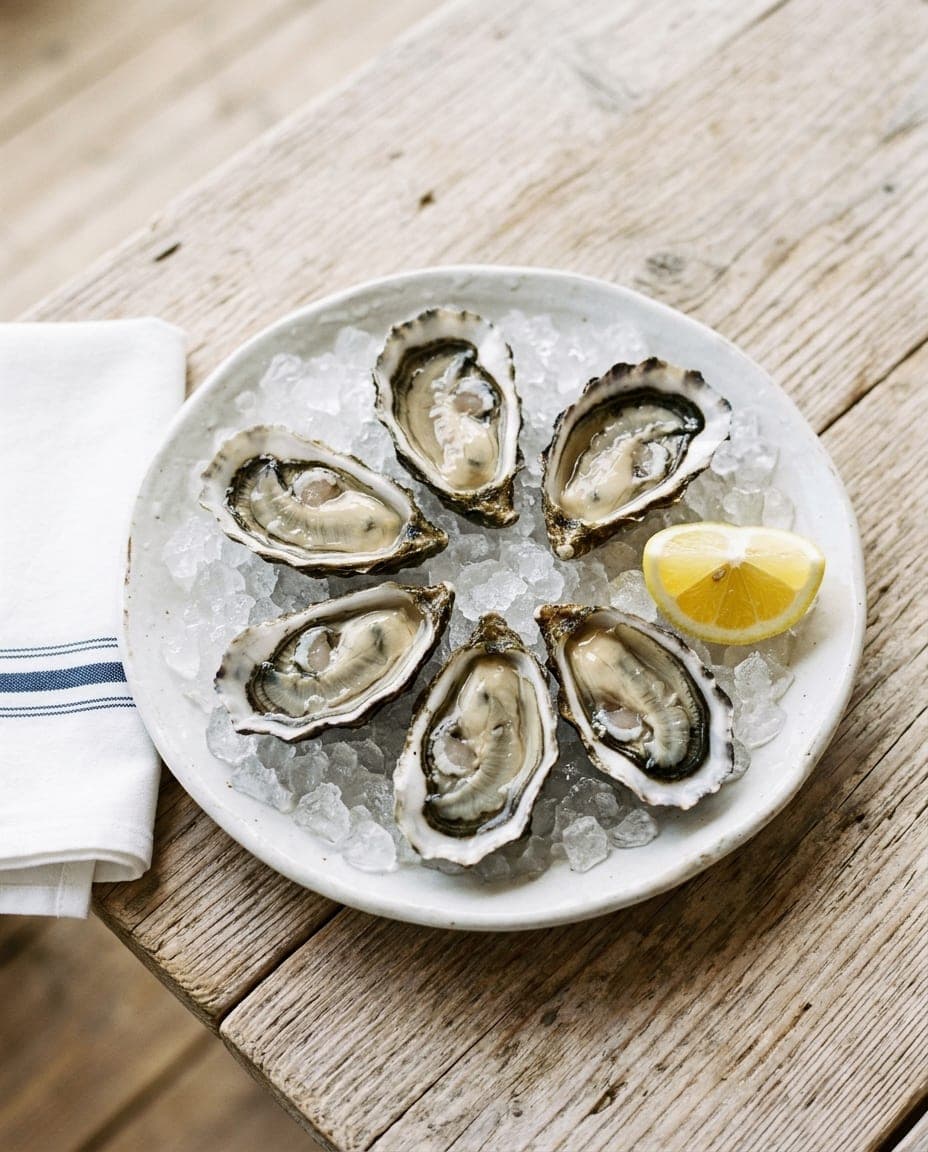
Ostras da Ria Formosa are almost always served raw, cold, and shucked just moments before they reach the table. They arrive on a bed of crushed ice or in a shallow bowl, often accompanied by lemon wedges to be squeezed over each shell. The preparation is minimal: the oyster is released from its shell, perhaps wiped with a damp cloth, and offered with nothing more than the citrus.
This simplicity highlights the flavour of the lagoon water itself. A glass of cold white wine, typically Vinho Verde from the northern regions or a local Algarve white, is the traditional companion. The acidity of the wine cuts through the brine, while the lemon brightens the taste of the shellfish. It is common to eat them in quick succession as an appetiser or part of a larger seafood platter that might include clams, mussels and prawns.
The setting is a marisqueira — a shellfish restaurant, usually plain, usually open-fronted, working from what came in that day rather than from a long menu.
Curious facts
- The bags are exposed daily. Unlike deep-water farms, Ria Formosa oysters spend hours out of the water each day on their trestles, a process farmers say firms the meat.
- Most leave the country. By most estimates the large majority of the harvest is exported to France, much of it to the Arcachon basin, making the local Algarve marisqueira one of the few places to find them fresh in Portugal.
- Pacific oysters only. Despite the regional name, the species farmed here is the Pacific oyster, not the native Portuguese oyster that was farmed in the lagoons until the 1970s.
- No artificial feed. The oysters grow entirely on natural plankton found in the mix of river and sea water within the lagoon.
- A simple presentation. They are served raw with lemon and ice, with no cooking or complex sauces required to bring out their flavour.
Where to try it
The marisqueiras of the lagoon towns — Olhão, Fuseta, Tavira, Santa Luzia — where the channels run behind the islands and the trestles are a few minutes from the kitchen.
Olhão's market halls on the waterfront sell them live by the dozen. They are shucked all year; the taste shifts with the water temperature, and most shuckers have an opinion about which months are best.
Where to try it
1 destination
 Boat Rentals
Ria Formosa
Stunning natural lagoon system with boat rentals to explore pristine barrier islands and diverse wildlife.
Boat Rentals
1 region
 Wine Tasting14 destinations
Algarve
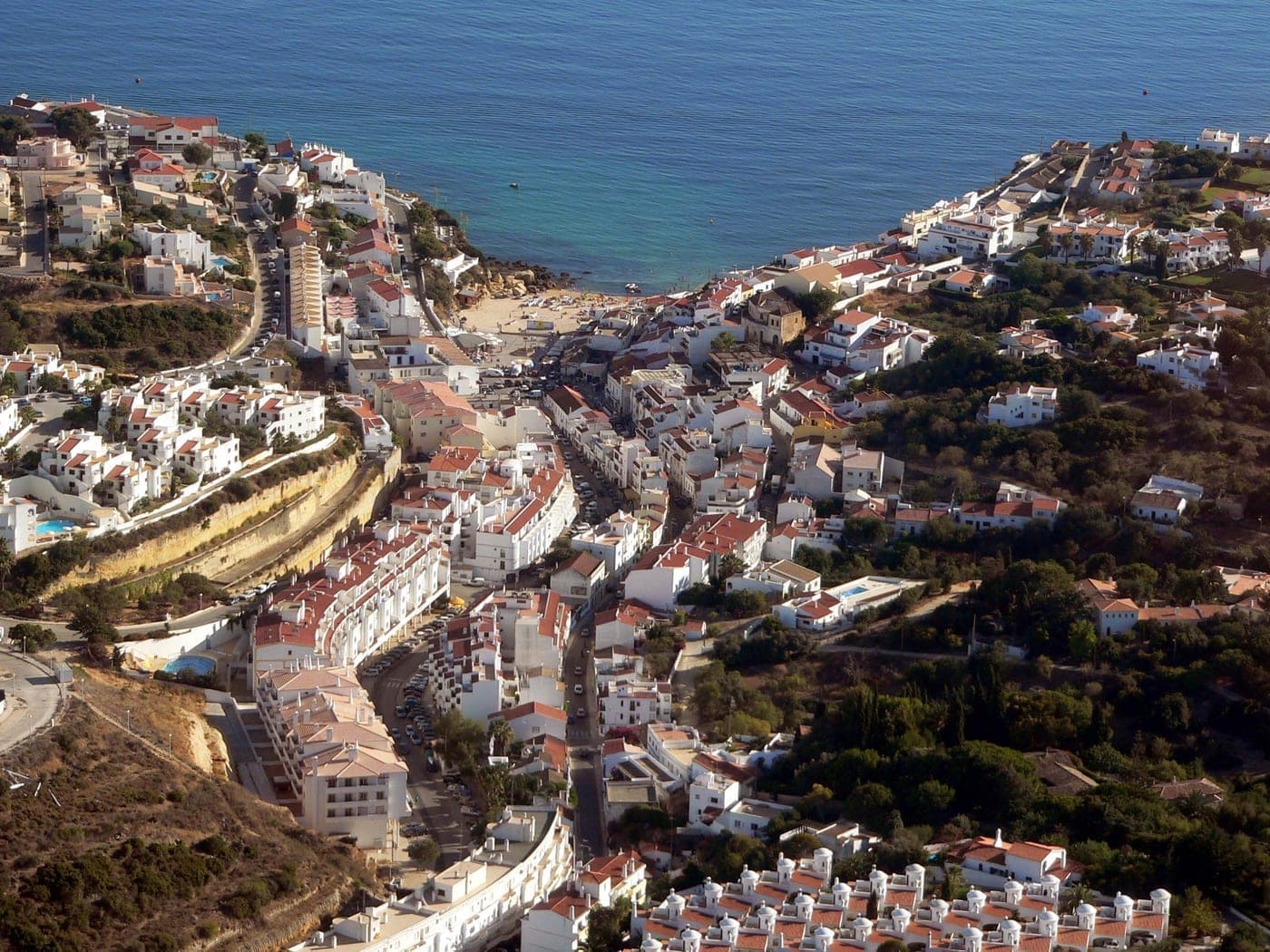
The Algarve, Portugal's southernmost region, is famed for its stunning coastline and rich cultural heritage. Known for its picturesque cliffs and golden beaches, the area also boasts a unique blend of Moorish and Portuguese architecture. Lagos offers historical significance with its ancient fortifications, while Silves features a well-preserved castle reflecting its past as a Moorish stronghold. The region is celebrated for its local gastronomy, particularly fresh seafood and traditional dishes like cataplana. Off the beaten path, small towns like Tavira and Aljezur showcase authentic Portuguese life, with traditional festivals and local artisan markets. The Algarve is a treasure trove of natural parks, hiking trails, and charming villages, perfect for a deeper exploration of Portugal's diverse landscape.
Wine TastingHikingBoat RentalsLocal Cuisine