Folar de Olhão
The layered cinnamon bread of Olhão's Easter table
- Vegetarian
- Local name
- Folar de Olhão
- Best eaten at
- An Olhão bakery
- Pairs with
- Coffee
What it is
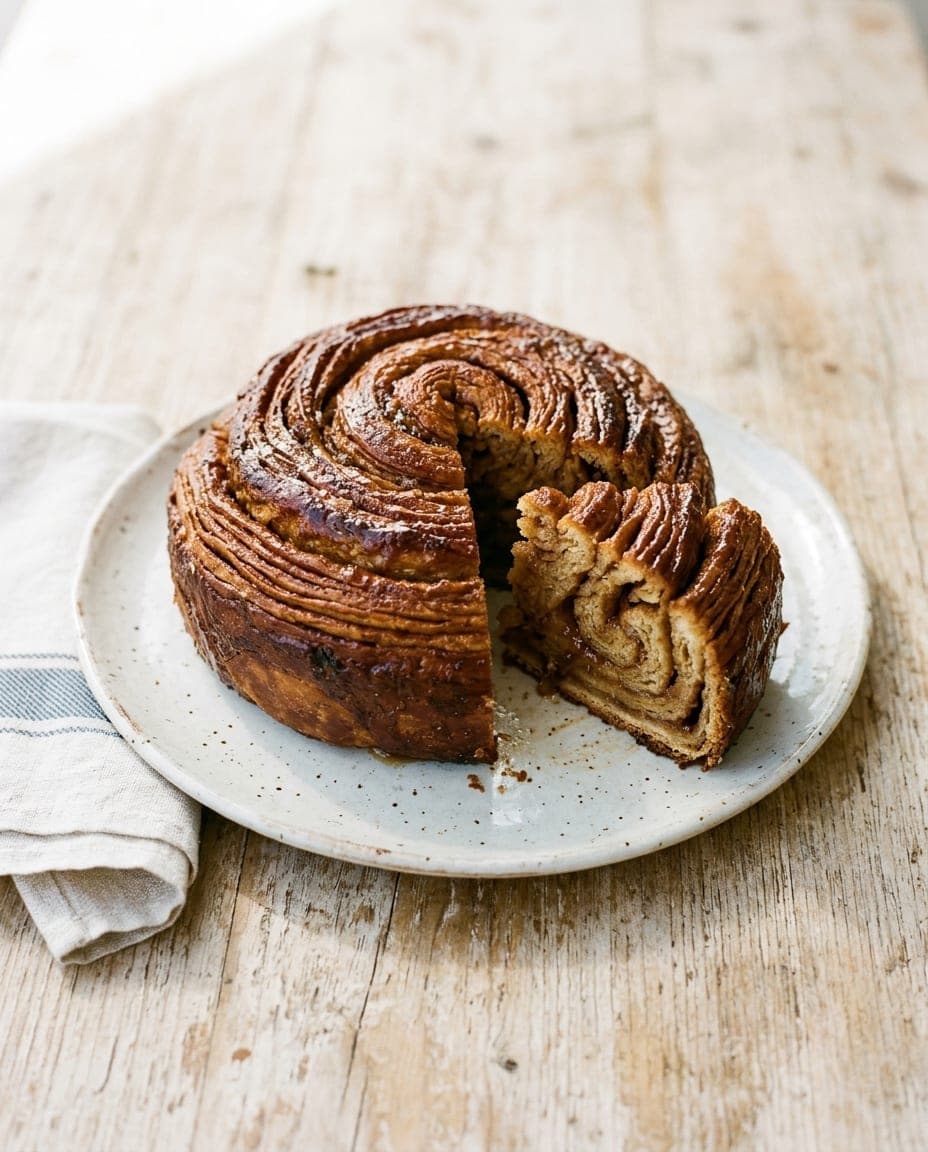
Folar de Olhão is a sweet, layered bread that belongs to the coastal town of Olhão in the Algarve region of southern Portugal. It is a specific local variation of the broader Easter tradition known simply as folar, which appears across the country with many different forms. While northern towns like Chaves bake a savoury loaf packed with cured meats and eggs, the Olhão version is distinctly sweet, featuring thin rounds of dough spread with butter or lard, sugar and cinnamon and stacked in a tall round tin to create a loaf that pulls apart in caramelised layers.
The texture is its defining feature. The baking process transforms the simple ingredients into a bread where the edges become crisp and golden while the interior remains soft and slightly chewy. It is not a cake, nor is it a light pastry; it sits firmly in the category of a substantial sweet bread that serves as a focal point on the Easter table.
Why Olhão makes it different
The story of this bread lies in the specific geography of Olhão. As a fishing port that looked out rather than inland, the town developed its own rhythm, distinct from the inland Algarve and from the north. What carries it is olive oil, sugar and cinnamon rather than eggs, which are left out of the traditional dough.
In Olhão, the sweet folar is a marker of identity. It is not sold as a general Easter treat in supermarkets alongside generic cakes; it is made by hand in specific neighbourhood bakeries, where the dough is rolled out thin and layered with care. The town has kept the recipe alive even as other traditional foods have faded, making it one of the few culinary signatures that remain tied to the daily life of the port.
The contrast with the northern folar highlights how regional variations in Portugal can be stark. In the north, the bread is often a savoury dish for Sunday lunch, sometimes containing smoked sausage or ham. In Olhão, the sweet version began as an Easter offering, baked to mark the end of Lent and the beginning of the spring season. This distinction means that visitors who encounter folar elsewhere in Portugal might be surprised by the sweetness of the Olhão version if they expect the savoury meat-filled loaf.
What goes into it
The ingredients are simple and reflect the local pantry, yet the method creates a complex result:
- Butter or lard (some bakeries use margarine), spread generously between the layers of dough, giving the bread its characteristic sheen and soft texture.
- Brown sugar and ground cinnamon, which form the filling between the sheets of dough and create the caramelised crust when baked.
- Flour, water and yeast, with orange juice, lemon zest and often a dash of aguardente, forming a dough that is rolled out thinly before being layered.
- No eggs in the traditional dough, though some home recipes add them.
The process involves dividing the dough, rolling it into thin rounds, spreading each with the fat, sugar and cinnamon, and stacking five to eight of them in a tall round tin. The result is a bread where each layer has been infused with cinnamon and sugar, creating a texture that separates easily when broken by hand.
How to eat it
Folar de Olhão is traditionally eaten at breakfast or as a mid-morning snack during the Easter period. It is best enjoyed warm, pulled apart by hand so that the layers separate and reveal the caramelised interior. The bread is often paired with a strong black coffee from an Olhão bakery, which cuts through the sweetness and complements the spices.
There is no need to toast it further if it is fresh from the oven; the warmth of the loaf is part of the experience. If the bread has cooled, a brief warming in an oven can restore the crispness of the edges without drying out the centre. It is a food meant for sharing, often placed on a communal plate at the table where families gather to break their fast after Easter morning mass.
Curious facts
- A coastal variation. While folar appears everywhere in Portugal, the sweet, layered version with cinnamon is specific to Olhão and its immediate surroundings.
- Not a cake. Despite its sweetness, it remains a bread, made from yeast-leavened dough rather than a batter or sponge.
- Easter and beyond. It began as an Easter bread, but Olhão's bakeries now make it all year, with output rising sharply before Palm Sunday.
- The northern contrast. In Chaves and other northern towns, folar is a savoury bread with meat and eggs, showing how one name can cover very different foods.
- A national accolade. In 2019 it was voted one of the 7 Maravilhas Doces de Portugal, the country's "seven sweet wonders".
Where to try it
An Olhão bakery in the week before Easter, when the loaves come out warm and are sold whole or by the piece. The town's market halls on the waterfront are the centre of its food trade and the obvious place to start.
The rest of the eastern Algarve bakes versions of it, and the further from Olhão the further the recipe drifts. It is baked all year now, but the week before Easter is still when it matters most.
Where to try it
1 destination
 Boat Rentals
Olhão
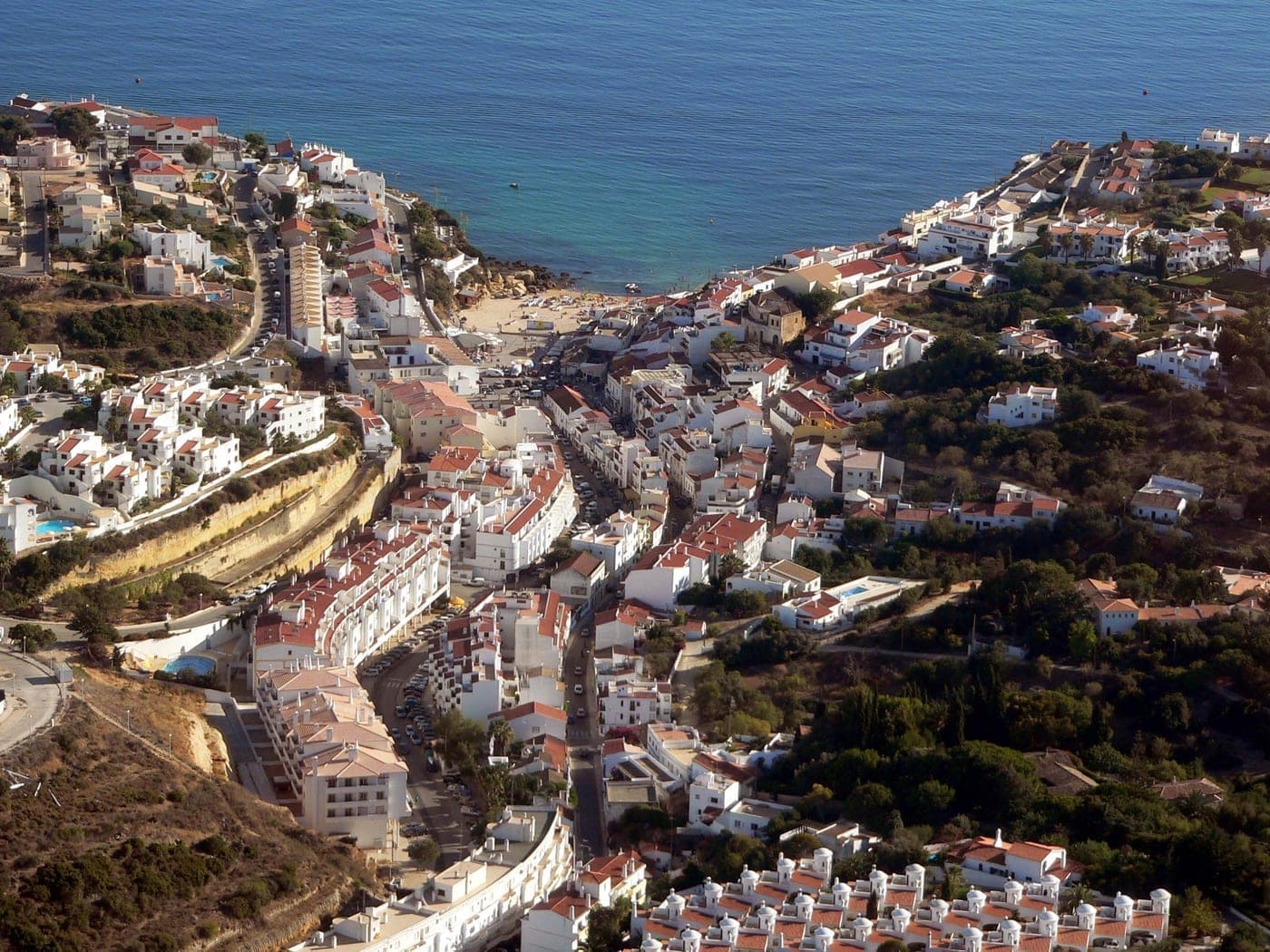
Working fishing town with whitewashed houses and access to barrier islands.
Boat RentalsWine Tasting
1 region
 Wine Tasting14 destinations
Algarve
The Algarve, Portugal's southernmost region, is famed for its stunning coastline and rich cultural heritage. Known for its picturesque cliffs and golden beaches, the area also boasts a unique blend of Moorish and Portuguese architecture. Lagos offers historical significance with its ancient fortifications, while Silves features a well-preserved castle reflecting its past as a Moorish stronghold. The region is celebrated for its local gastronomy, particularly fresh seafood and traditional dishes like cataplana. Off the beaten path, small towns like Tavira and Aljezur showcase authentic Portuguese life, with traditional festivals and local artisan markets. The Algarve is a treasure trove of natural parks, hiking trails, and charming villages, perfect for a deeper exploration of Portugal's diverse landscape.
Wine TastingHikingBoat RentalsLocal Cuisine