Carne de porco à alentejana
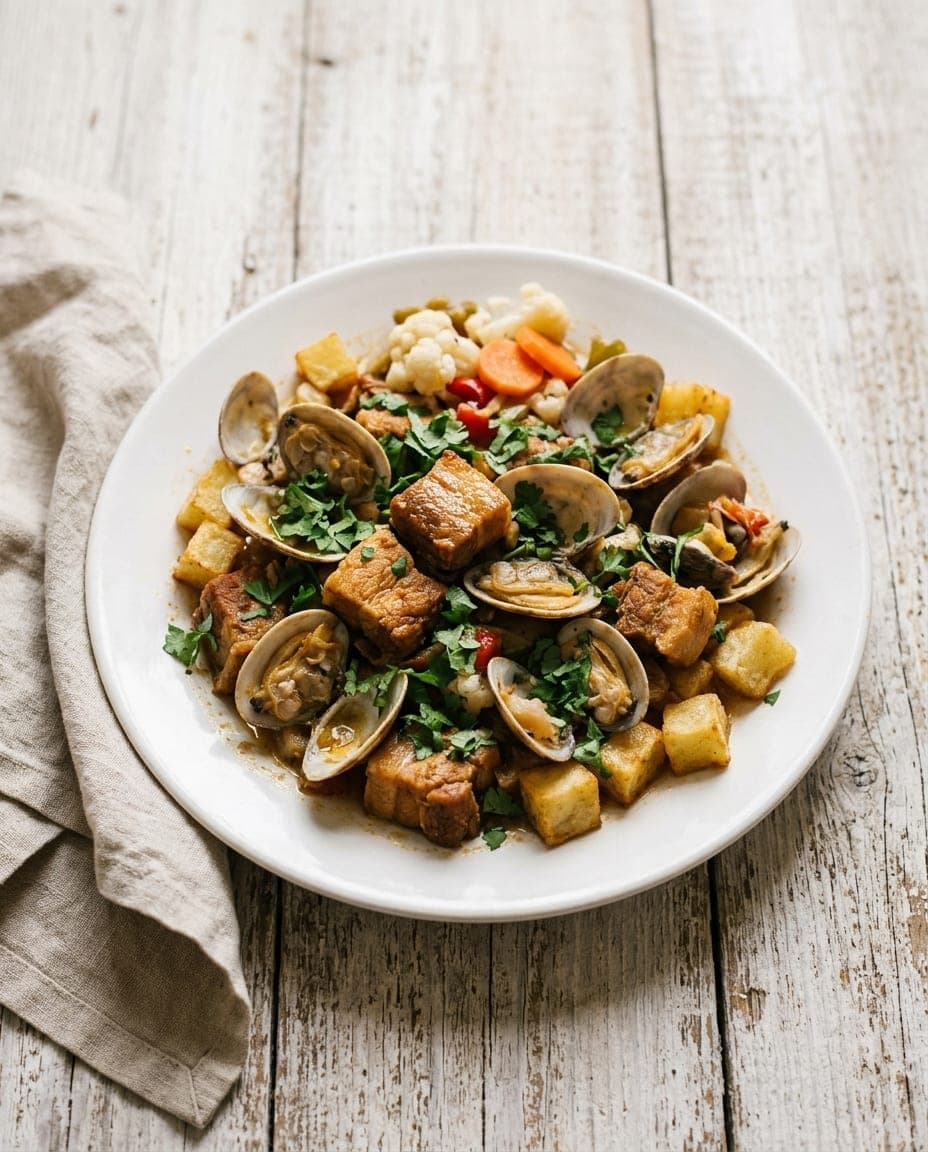
Marinated pork fried with clams and potatoes
- Local name
- Carne de porco à alentejana
- Served with
- Fried potato cubes, pickles
- Best eaten at
- An Alentejo tasca
- Pairs with
- Alentejo red
What it is
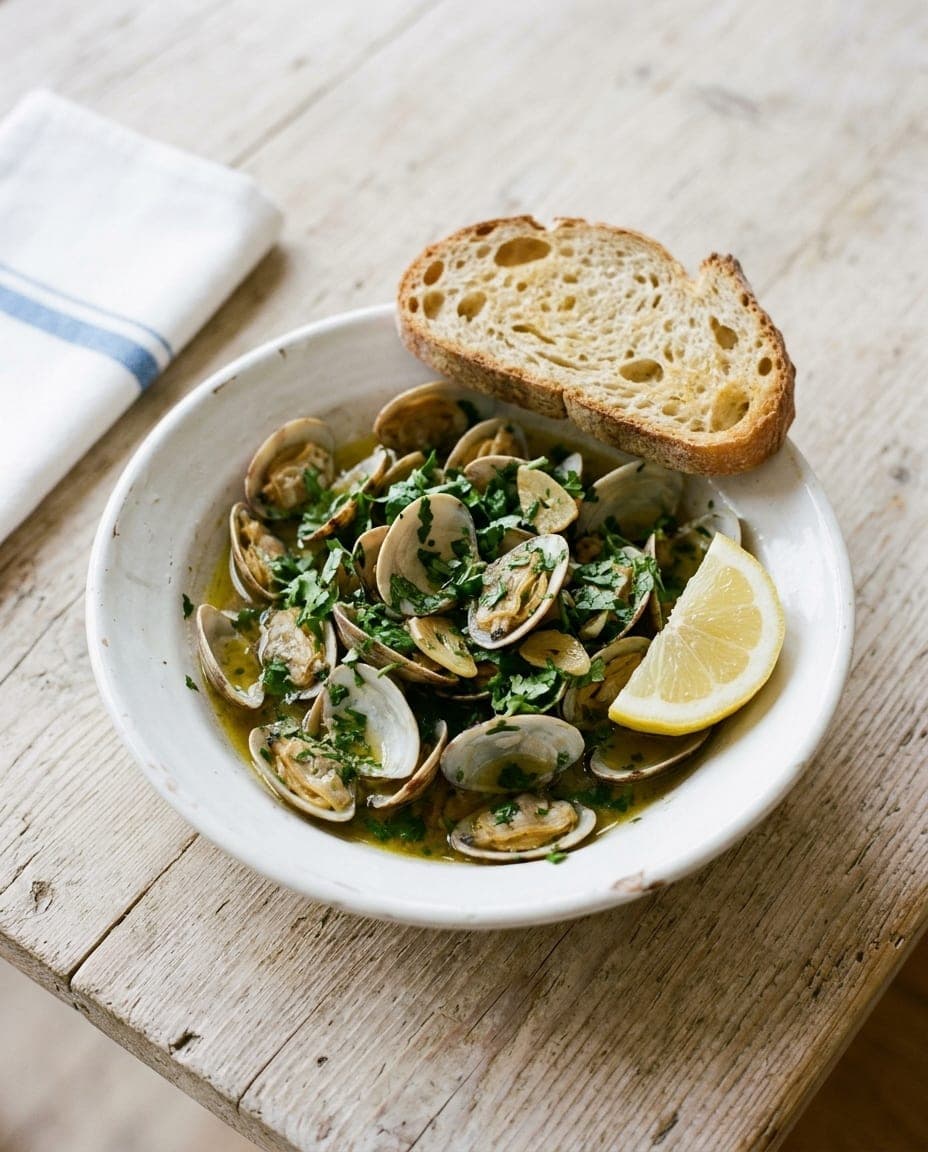
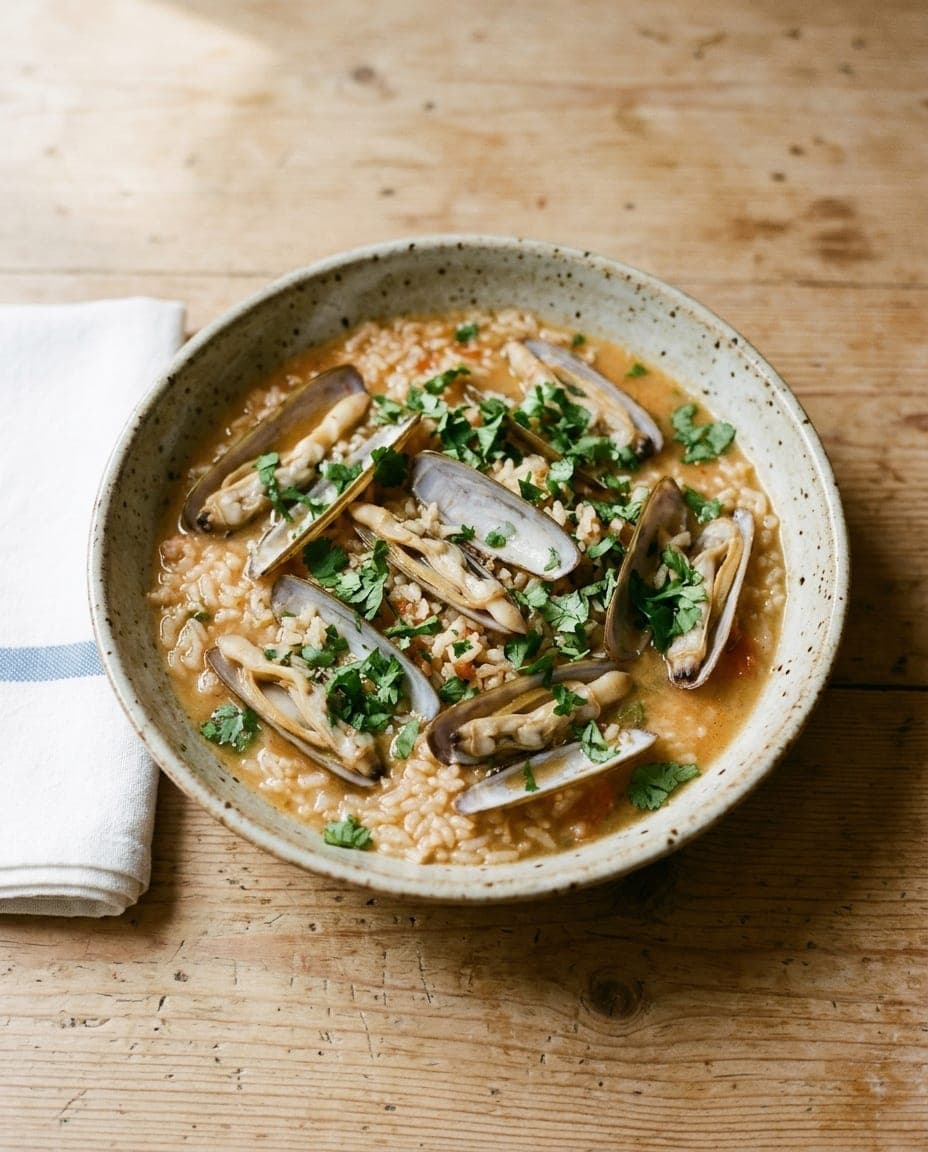
Carne de porco à alentejana is a robust main course that defines the table culture of southern Portugal. It consists of cubed pork, marinated in a paste of red peppers and salt known as massa de pimentão, then fried until golden. The meat is cooked together with fresh clams, which open in the pan to release their liquor into a savoury sauce. The dish is finished with generous amounts of fresh coriander and served alongside cubes of fried potato.
It is a dish of contrast. The pork comes from the dry inland plains of the Alentejo, where black pigs are traditionally run under the cork and holm oaks and fatten on acorns. The clams, however, come from the coast, above all the lagoons of the Algarve. Food writers often point out this geographical contradiction: a recipe named for the interior that relies on the sea. This pairing of inland livestock with coastal shellfish is the central interest of the dish, creating a taste that feels both rustic and coastal at the same time.
The result is a hearty, filling meal. The pork retains a firm texture, seasoned by the salty depth of the red pepper paste. The clams add a briny sweetness, while the potatoes provide a soft, starchy base. It is not a delicate starter but a substantial dish designed to satisfy after a long day in the fields or a journey through the rolling hills.
The history of two worlds meeting
The origins of carne de porco à alentejana are not pinned to a single date or inventor. Instead, the dish represents a convergence of two distinct culinary traditions that have lived side by side for centuries. The Alentejo has long been famous for its pork production and its use of pimentão, a paste of red peppers cured in salt and then ground. This preservation method allowed households to keep the flavour of summer peppers through the year.
Meanwhile, the coastal regions have always relied on shellfish. The practice of cooking clams with meat is common along the Portuguese coast, but the specific combination with marinated pork and potatoes is most strongly associated with the south. The most repeated story places it in the Algarve, where pigs fed on fish-cannery scraps gave pork a fishy taste the clams were meant to hide; another holds that the name simply honours the quality of acorn-fed Alentejo pork. Neither is documented.
The debate over its true home continues. While the name claims the Alentejo, many food writers note that the heavy reliance on clams makes it equally at home in the Algarve. There is no consensus on which region invented it first. The dish simply exists as a shared speciality, accepted by both the interior and the coast as their own.
How it is made
The preparation relies on three key components: the marinated pork, the clams, and the potato garnish. There is no single official method, but the core technique remains consistent across kitchens in the south.
- Massa de pimentão: The pork cubes are first marinated in a thick paste of red peppers and salt, often with crushed garlic and a splash of white wine. This step infuses the meat with a deep orange-red colour and a salty, savoury flavour before it touches the pan.
- The frying: The marinated pork is fried hard in oil or fat until the outside is crisp and the inside remains juicy. The clams are added only at the end of cooking. They open quickly in the heat of the pan, releasing their liquor which mixes with the meat juices to form a light sauce.
- The finish: Fresh coriander is stirred through the dish just before serving. It is accompanied by cubes of fried potato on the side or mixed in, providing a textural contrast to the tender meat and soft clams.
Pickles are served alongside the plate to cut the fat of the pork and the oil. The balance between the salty, smoky meat and the fresh, briny shellfish is the defining characteristic of the dish.
How to eat it
Carne de porco à alentejana is almost always eaten as a main course at lunch or dinner. An Alentejo tasca is the usual setting. It arrives in a shallow pan or a single large dish for the table rather than plated per person.
The potato cubes go through the sauce at the bottom of the pan, and the clams are worked out of their shells with a fork or an empty shell used as pincers.
An Alentejo red is the traditional glass: the tannin holds against the oil and the salt. The pickles are eaten between mouthfuls rather than with them.
Curious facts
- An inland name for a coastal dish. The title claims the Alentejo, yet the clams are strictly from the coast. This geographical mismatch is a well-known point of discussion among food writers.
- The role of pimentão. The red pepper paste acts as both a marinade and a way of preserving peppers, and it flavours much of the Alentejo's pork cooking.
- A shared regional speciality. While named for the Alentejo, the dish is equally popular in the Algarve. No single region claims exclusive ownership of the recipe.
- The potato texture. The fried potato cubes are distinct from the soft potatoes often found in stews. They offer a crunchy contrast to the tender pork and clams.
- A cannery story. The best-known origin tale says Algarve pigs fed on fish-cannery leftovers tasted of fish, and clams were added to mask it. It is colourful, but undocumented.
Where to try it
The Alentejo itself, in an ordinary town tasca, is the obvious place. But it is one of the most common pork dishes in the country, and Lisbon tascas and northern restaurants serve it as a matter of course.
The best are kitchens that cook one batch a day and serve it until it runs out, and the portions are built for people who have been working.
Where to try it
1 destination
 Wine Tasting
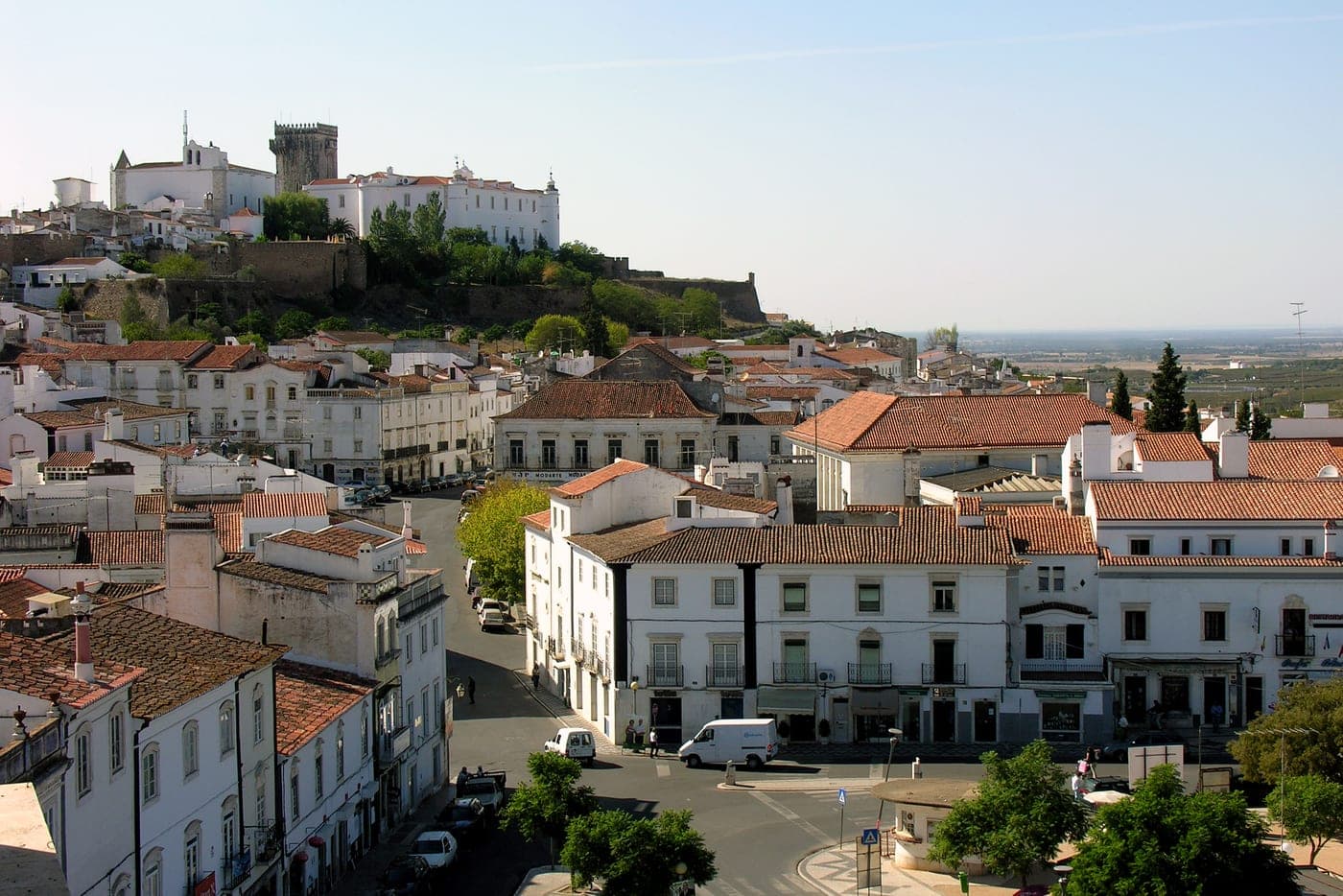
Estremoz
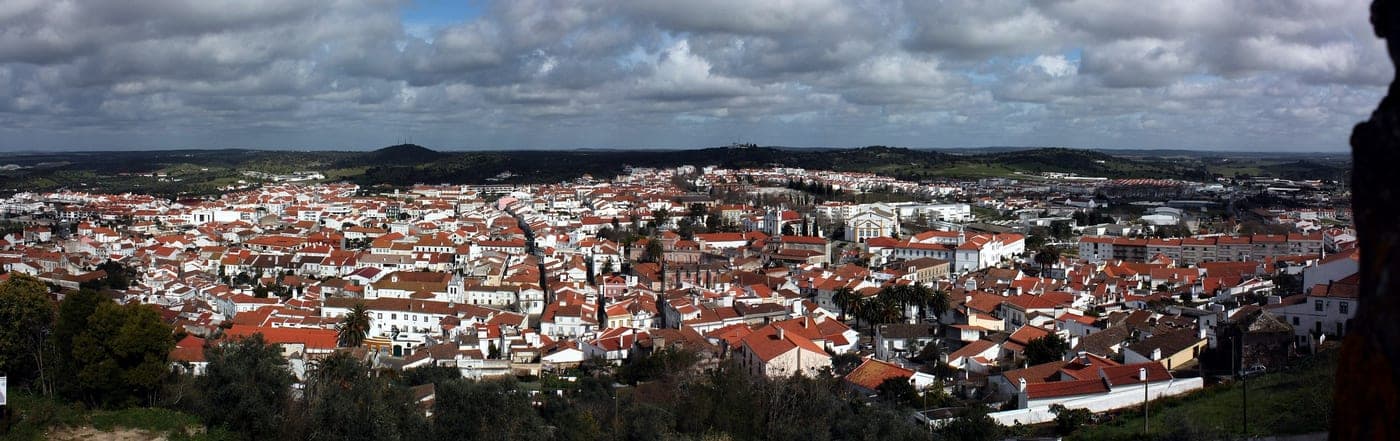
Marble town in Alentejo with wine production and historic castle.
Wine TastingLocal Cuisine
1 region
 Wine Tasting14 destinations
Alentejo
Alentejo, the largest region in Portugal, features a rich agricultural landscape dotted with vineyards and olive groves. It is known for its unique wines, particularly the robust reds from the Alentejo DOC. The region is home to Évora, a UNESCO World Heritage site with Roman ruins and medieval architecture, and Monsaraz, a hilltop village offering stunning views of the surrounding plains. Alentejo’s coastline, though less frequented, boasts beautiful beaches like Praia da Amália. Additionally, the region is famous for its traditional festivals, such as the Festa de São João in Évora, where locals celebrate with music and dance. Travelers will find a slower pace of life here, with opportunities to explore local markets and sample regional delicacies like açorda and queijos.
Wine TastingHikingLocal Cuisine