Wędzona flądra (smoked flounder)
Hot-smoked flounder, eaten warm on the beach
- Local name
- Wędzona flądra
- Served with
- Fresh bread roll
- Best eaten at
- A Baltic beach smokehouse (wędzarnia)
- Pairs with
- Polish lager
What it is
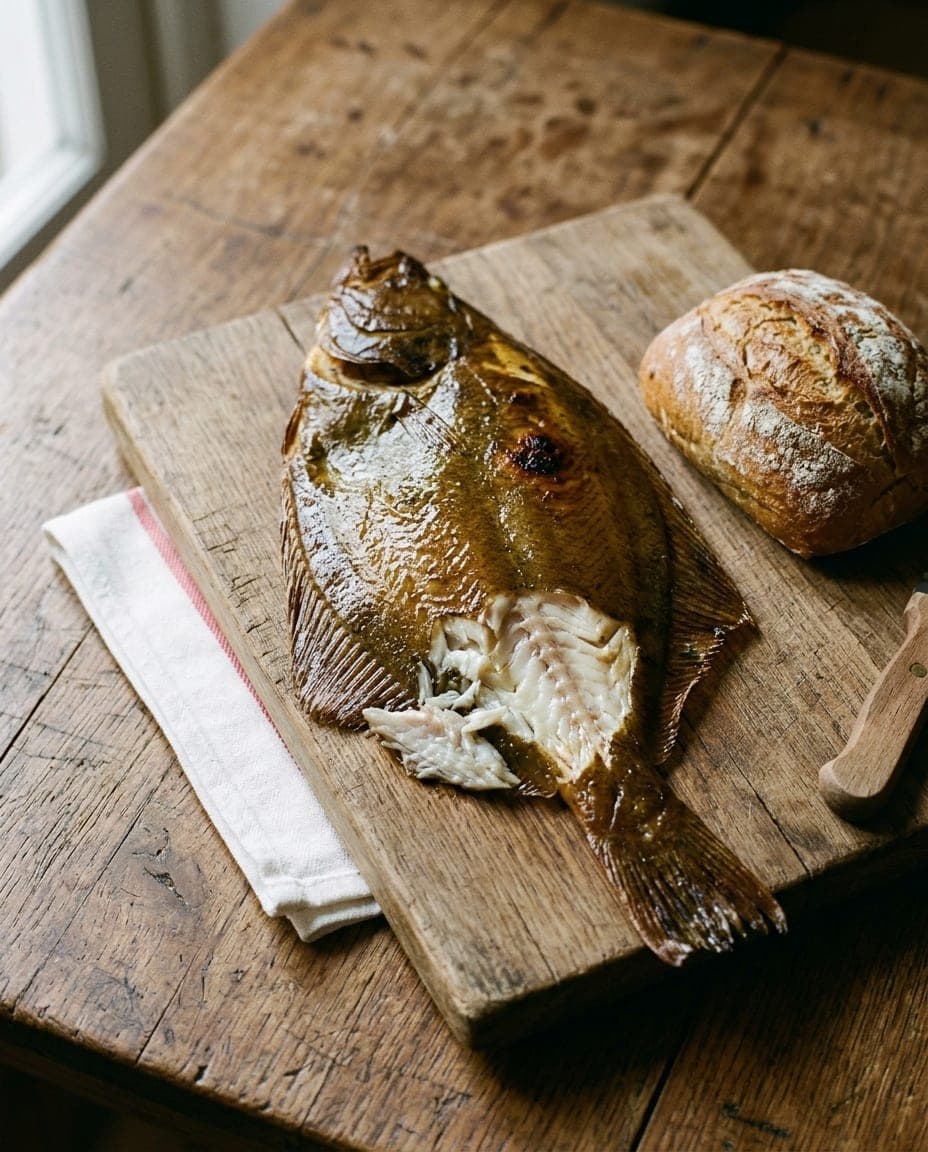
Wędzona flądra, or smoked flounder, is a staple of the Polish Baltic coast, particularly in the regions of Pomerania and West Pomerania. It consists of whole flatfish caught in the cold waters of the Baltic Sea, which are then hot-smoked until the flesh turns opaque and flakes easily. It is beach food rather than a restaurant course.
The fish arrives at the counter warm or piping hot, its skin slightly crisp from the smoke while the meat inside remains tender and moist. It is not a complex preparation; there are no sauces or garnishes to distract from the flavour. The simplicity is the point. A single portion, often just one large flounder, is enough for a light meal or a substantial snack for a hungry walker along the promenade.
Where it comes from
This dish belongs firmly to the stretch of coastline running from Świnoujście in the west to the Gulf of Gdańsk in the east. The wędzarnia, or smokehouse, is a familiar fixture in every seaside town along this route, from the busy resorts to smaller fishing villages. In summer, the air along the promenade carries the distinct scent of burning wood and salted fish, a signal that fresh smoking is taking place inside one of these small buildings.
The practice relies on the abundance of flatfish in the nearby Baltic waters. In the fishing villages, boats can bring their catch straight to the smokehouses, where it is prepared almost immediately. The wędzarnia operates as a community hub rather than a formal dining establishment. People queue at the counter, often standing or sitting on simple wooden benches outside, waiting for the fish to be wrapped in paper and handed over. It is food designed for the beach, not for the fine dining room.
How it is eaten
Wędzona flądra is best enjoyed within an hour of leaving the smokehouse, while the heat still lingers in the flesh. The traditional way to eat it is with the hands. The paper is folded back, the skin peels off, and the flesh is pulled away warm. There are no forks required; the bones are left on the paper, which acts as a natural plate and a convenient place to discard them.
The only accompaniment that matters is a fresh bread roll. A local bakery often supplies these alongside the smokehouse, or they are baked in the same facility. The soft, slightly chewy texture of the roll provides a neutral base that absorbs the smoky oils without competing with the delicate flavour of the flounder. Some vendors might offer a small container of coarse salt for those who wish to season their portion further, but many serve it plain.
A cold Polish lager is the customary drink to pair with this meal. The carbonation cuts through the smoke and the fat of the fish, refreshing the palate between bites. It is a combination that feels perfectly suited to the breezy atmosphere of the coast.
What goes into it
The preparation relies on just three main elements, each chosen for its ability to enhance the natural taste of the fish without masking it:
- Baltic flounder, caught fresh and smoked whole with the head and skin often left on.
- Alder or beech wood, the usual smoking woods, which give a mild smoke that does not overpower the delicate flesh of the flatfish.
- Fresh bread roll, served warm or at room temperature to balance the texture of the fish.
The smoke itself is the primary flavouring agent. The fish is placed in a hot smoker where the temperature rises quickly, cooking the flesh while infusing it with aroma. This method preserves the moisture and creates a distinct smoky crust on the outside. No oil or butter is added during the process; the natural fats of the fish are sufficient to keep it from drying out.
Curious facts
- The smokehouse is the kitchen. Unlike many coastal cuisines where the fish is grilled in public, here the cooking happens inside the wędzarnia, and the customer receives the finished product ready to eat immediately.
- Alder and beech. Strongly flavoured woods can be too much for delicate flatfish; alder and beech, the usual choices, give a gentler smoke that complements rather than dominates the flavour.
- Eaten with the hands. Forks are rarely used for this dish. The paper wrapper serves as both packaging and plate, making it ideal for eating while walking along the beach.
- A summer scent. During the peak season, the smell of wood smoke and fish is a dominant feature of the air along the promenade from Świnoujście to Gdańsk.
Where to try it
The best place to find wędzona flądra is at a beachside wędzarnia in Pomerania or West Pomerania. In the resort towns they usually sit near the harbour or the promenade. Restaurants do not really serve it; the smokehouse counter with a queue in front of it is the whole business.
Where to try it
1 destination
 Boat Rentals
Sopot
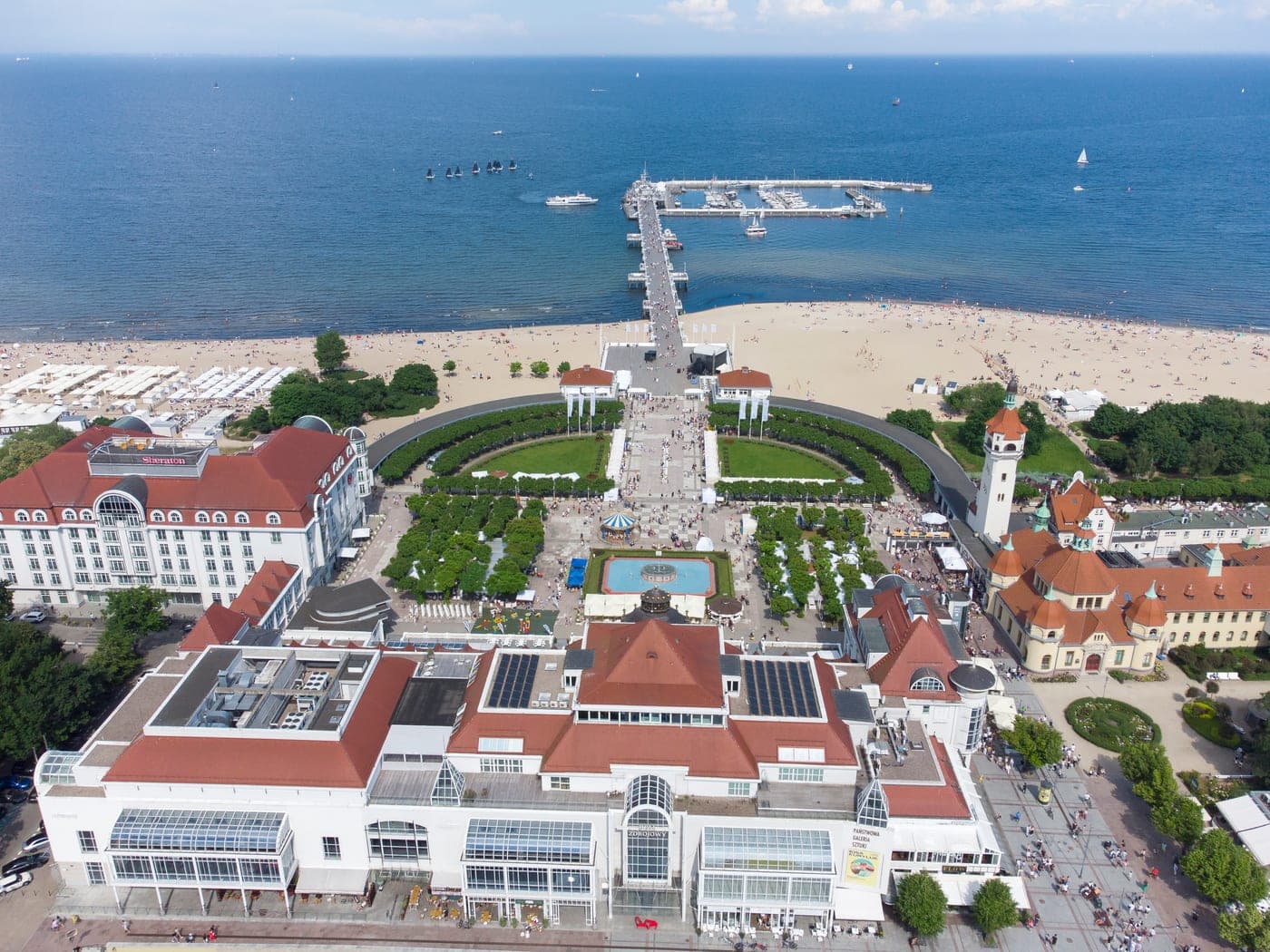
Seaside resort known for its wooden pier, sandy beaches, and vibrant nightlife.
Boat RentalsHiking
2 regions
 Boat Rentals4 destinations
Pomerania
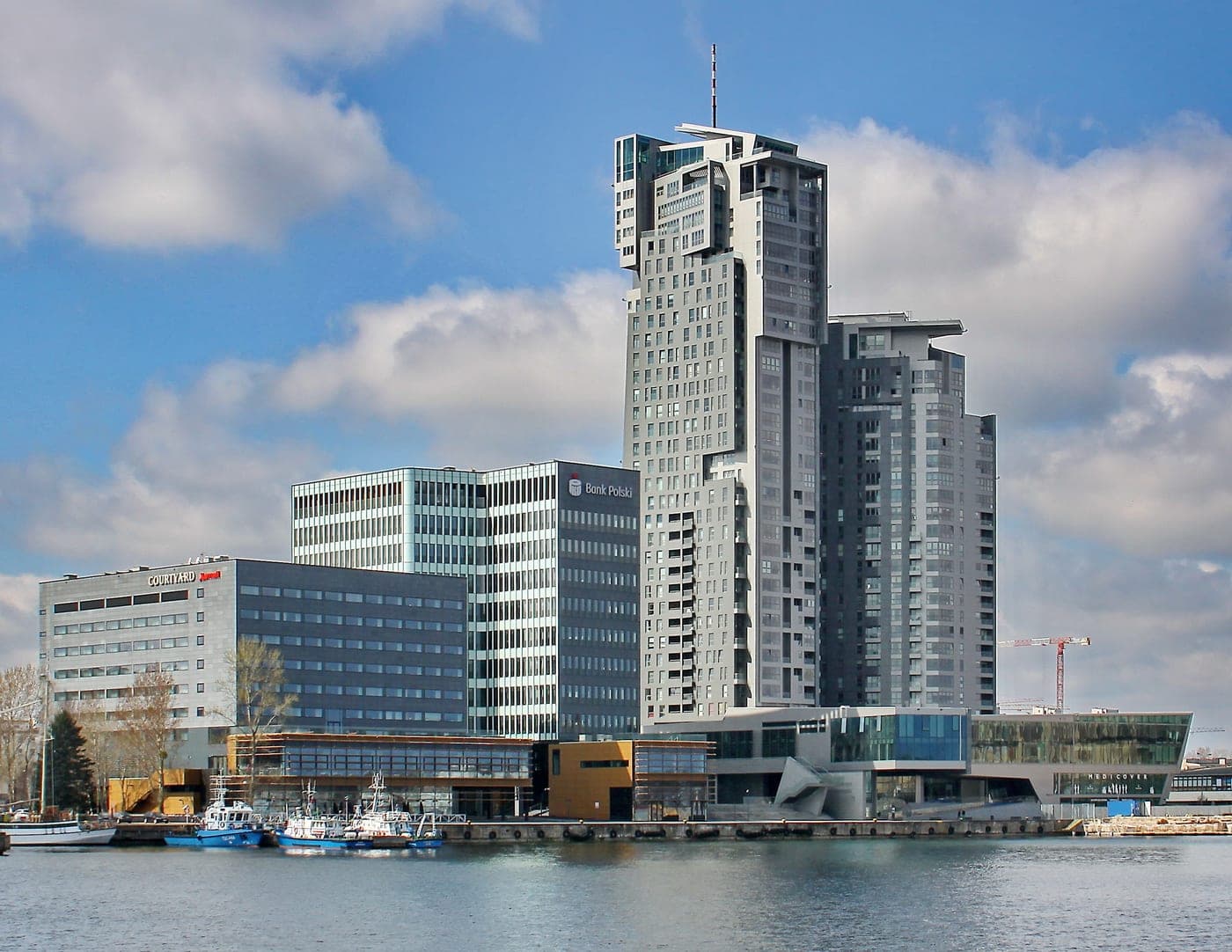
Pomerania stretches along Poland's only sea coast, from the brick gables of Gdańsk to the pine forests and lake country further inland. The pace here follows the water and the season: fishing boats going out at dawn, amber traders setting up their stalls, wooden chairs filling the promenade cafés as the light turns gold in the evening. It is a region built for slow movement, with old town cores small enough to know by foot and a landscape that rewards attention rather than speed. Gdańsk sits at the heart of it, a Hanseatic port whose merchant houses, granaries and long waterfront still trace the shape of a medieval trading city. Its streets open onto the Motława river, where grain barges once queued and where cafés now spill onto the cobbles. A short distance along the coast, Sopot keeps a different rhythm: a wooden pier reaching into the Baltic, spa villas from the belle époque, and a beach that fills slowly through the day rather than all at once. Gdynia, younger and built largely in the interwar decades, shows a different Pomerania again — clean modernist lines, a working harbour, and a seafront that mixes cargo ships with sailing boats. Inland, the region softens into Kashubia, a landscape of lakes, birch groves and villages where wooden architecture and folk crafts have survived largely intact. Painted furniture, embroidery and lace are still made here in small workshops, often in the same families for generations. The land rises gently into a range of low hills known locally as the Kashubian Switzerland, a name that says more about local pride than actual altitude — but the effect, with lakes appearing between wooded ridges, is genuinely striking. Wooden churches, some dating back centuries, stand in villages across this belt of countryside, their dark shingled roofs and plain interiors a quiet counterpoint to the brick grandeur of the coastal cities. The coast itself has its own slow attractions. West of Gdańsk, the Hel Peninsula narrows to a thin strip of dunes and pine, with fishing villages that still land herring and cod each morning. Further west, Słowiński National Park protects a belt of shifting sand dunes, some tall enough to bury trees, pushed steadily inland by wind off the Baltic. Between the dunes and the sea, lagoons and reed beds shelter a variety of birdlife, and the whole stretch feels closer to a desert than to a typical northern coastline. Market squares across Pomerania's smaller towns — Kartuzy, Kościerzyna, Puck — keep a rhythm built around weekly markets, church bells and the changing light off nearby lakes or the sea. Food here leans on what the coast and forests provide: smoked fish sold straight from the smokehouse, dumplings filled with blueberries or mushrooms, and rye bread served everywhere from village bakeries to city cafés. Amber, washed up on Baltic beaches for centuries, is worked into jewellery in workshops that still line Gdańsk's old streets, a craft as tied to the region as the fishing itself. What ties Pomerania together is this contrast held in balance: Hanseatic brick against wooden village churches, open sea against quiet inland lakes, a working harbour against a folk-art tradition that has barely changed. Towns are close enough to link into a single, unhurried route, yet distinct enough that each one adds something the last did not — a port, a spa town, a lake, a stretch of dune. It rewards a traveller willing to slow down to the region's own pace: to sit with a coffee by the Motława, walk a pier at low tide, or watch a Kashubian potter shape clay the same way it has been shaped here for generations.
Boat RentalsHikingLocal Cuisine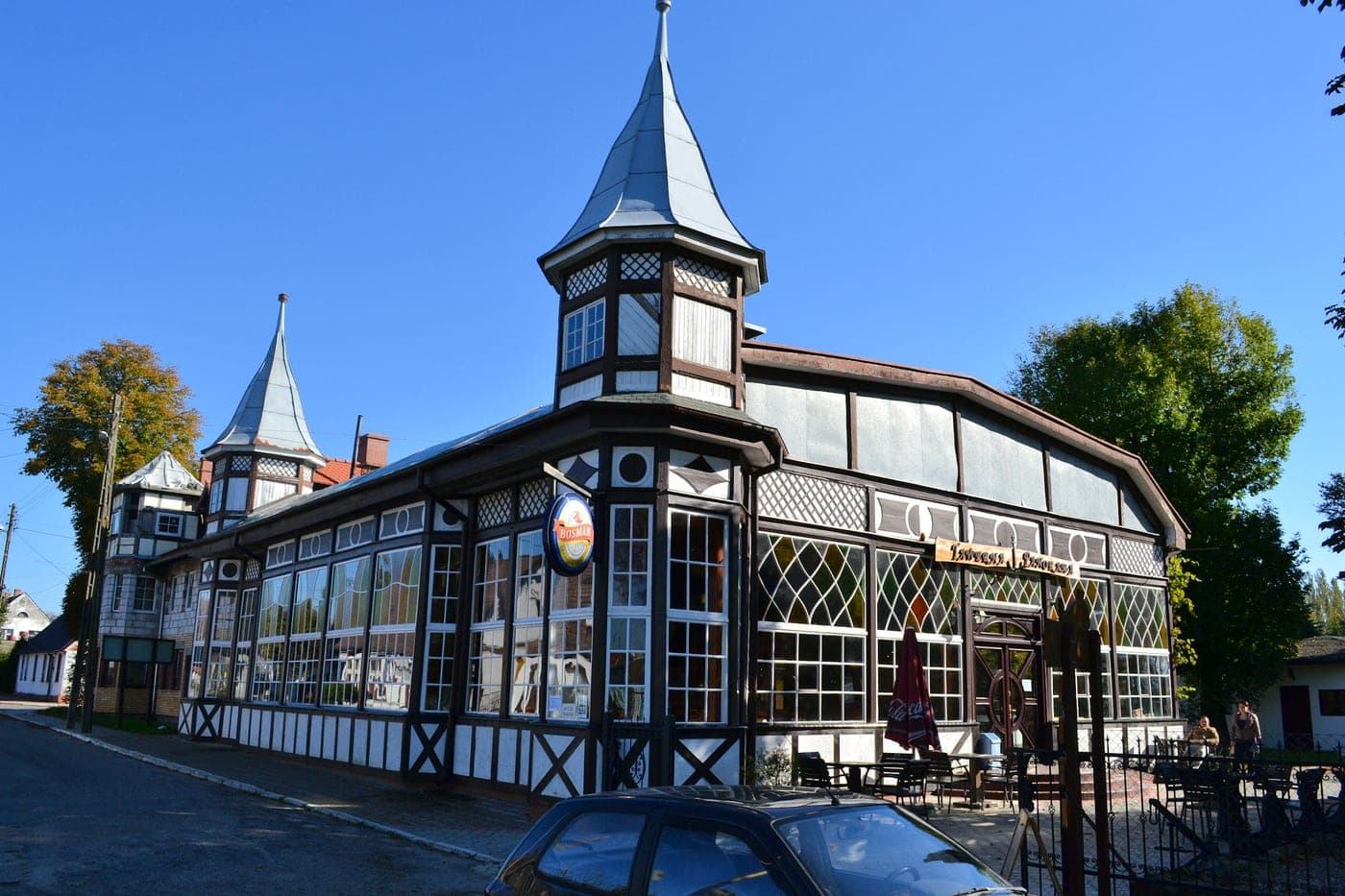 Boat Rentals2 destinations
West Pomerania
The only region in Poland with a coastline, West Pomerania features a diverse landscape of sandy beaches, forests, and lakes. Szczecin, the capital, is known for its maritime history and Gothic architecture, while the charming fishing town of Łeba offers access to the stunning Słowiński National Park, famous for its shifting sand dunes. The region also houses the historic Pomeranian Dukes' Castle in Szczecin and the picturesque village of Darłowo, known for its medieval castle and vibrant harbor. West Pomerania is rich in local gastronomy, including fresh seafood and regional specialties, making it a great spot for culinary exploration. Additionally, the area celebrates traditional festivals that highlight local culture and crafts, offering authentic experiences away from the typical tourist paths.
Boat RentalsHiking