Bigos
Bigos, Poland's hunter's stew of sauerkraut, meat and time
- Local name
- Bigos
- Served with
- Rye bread
- Best eaten at
- A traditional Polish karczma
- Pairs with
- Polish vodka or lager
What it is
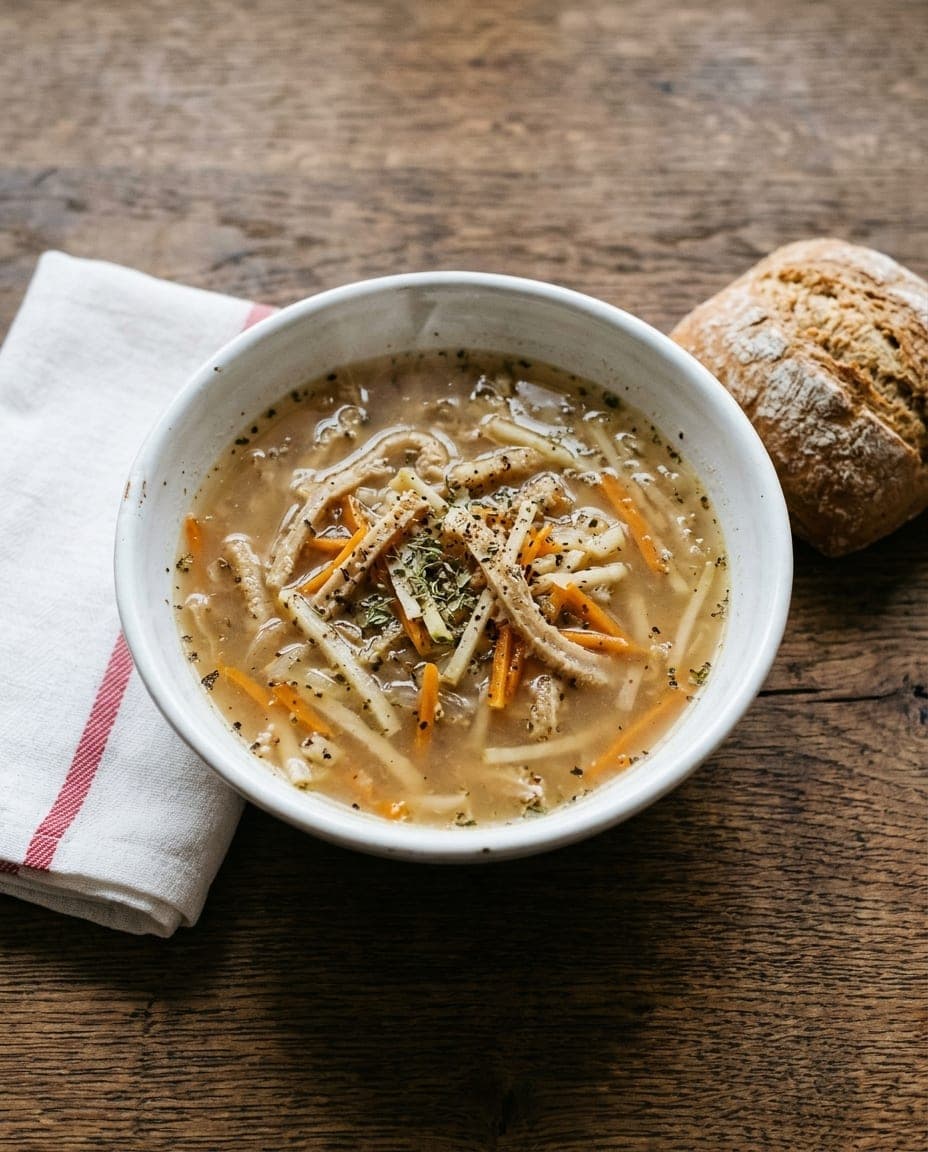
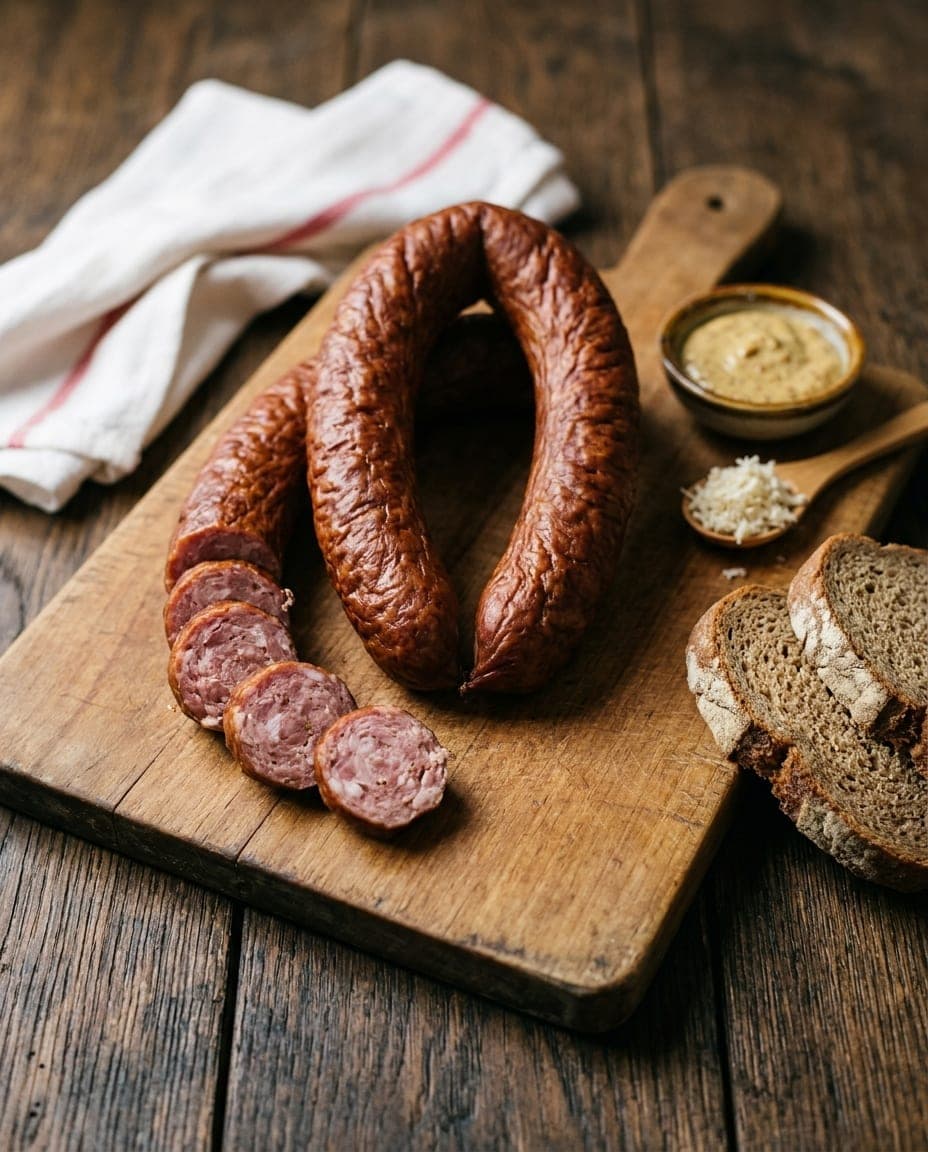
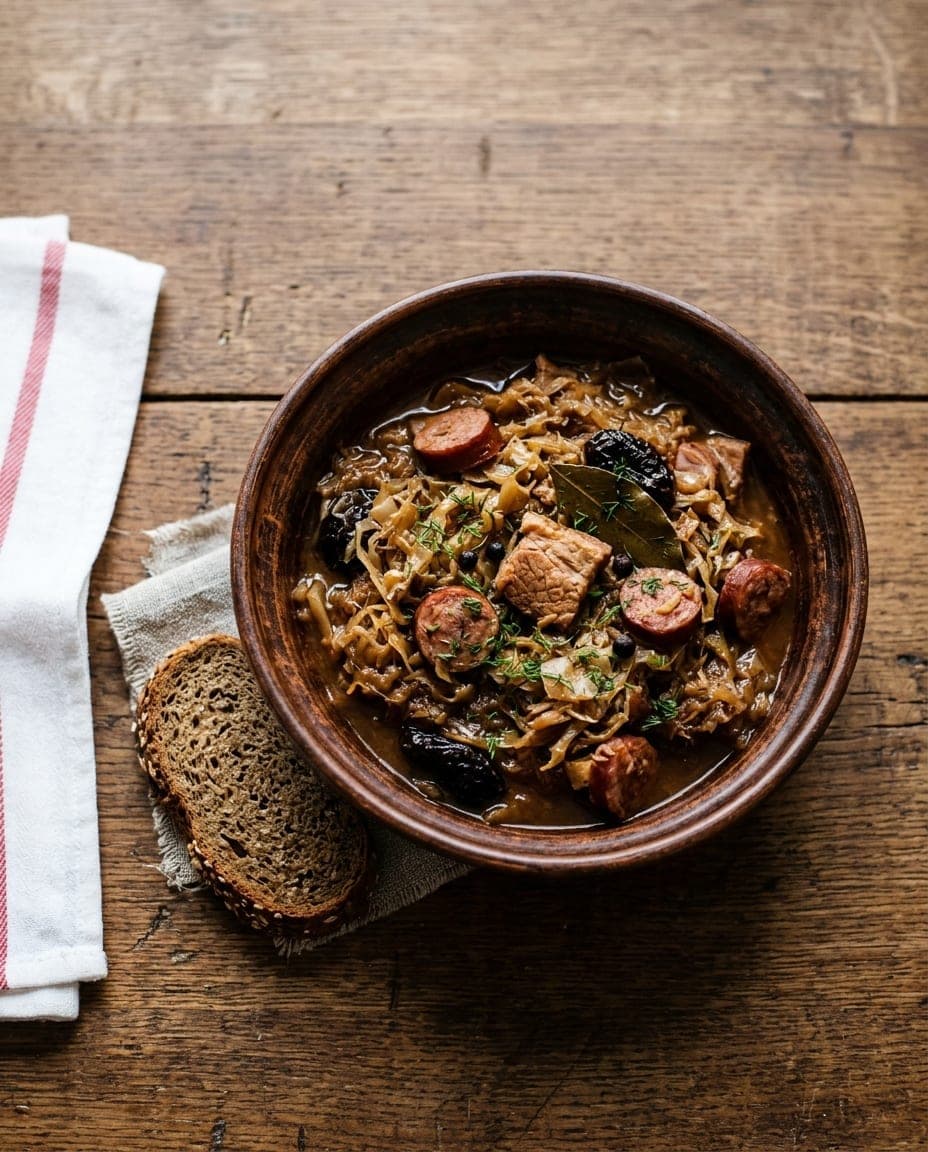
Bigos, often called the "hunter's stew", is one of Poland's most enduring national dishes. It is a deep brown, savoury mixture of sauerkraut and fresh white cabbage cooked slowly until the leaves soften into a thick, rich stew. The base is always sour and sweet, but the character comes from the meat: a combination of pork, beef, game, smoked sausage, bacon and sometimes dried mushrooms.
The dish belongs to winter, to hunting season and to the long nights of Christmas, and it is often made ahead for Easter too. It is not a quick meal. A traditional pot sits on the stove for hours, allowing the cabbage to release its moisture and the meats to infuse the broth with smoky, earthy flavours. What makes bigos truly distinct is the rule that it must be cooked in quantity, cooled down completely, and then reheated two or three times over several days. Polish cooks insist that each time it warms up again, the stew becomes more complex and better than before.
Every household has its own version of the ratio between fresh cabbage and sour sauerkraut. Some regions favour the sharp tang of the fermented leaves, while others lean towards the sweetness of the fresh ones. Despite these variations, the result is always a hearty, filling dish that can sustain a family through a cold day or a long hunting trip.
The hunter's tradition
Bigos comes from the manor and country kitchens of the old Polish–Lithuanian Commonwealth; the word itself is recorded from the 17th century. It became a way for hunters and rural families to use whatever meat was available, whether it was a freshly shot stag, a cured ham bone, or a few sausages made from the last pig of the year. The stew became a staple of the karczma, the rustic roadside inn where travellers and locals gathered to share food and stories.
The dish appears frequently in old Polish literature as a symbol of national identity. In Adam Mickiewicz's epic poem Pan Tadeusz (1834), there is a famous passage in which bigos is heated in kettles in the forest after a bear hunt. The poet writes of the smell of the stew drifting through the woods as the hungry hunters fall on it. This literary mention helped cement bigos as a dish that represents both the land and the people who live on it.
The tradition remains strong across the country, from the Masovian plains to the southern mountains. Because it keeps and travels so well, bigos is still taken along on hunts and outings, to be reheated over an open fire or on a stove. The stew is not just food; it is a link to the past, a way of preserving the harvest and the hunt in a single pot.
What goes into it
There is no official recipe — bigos takes what the household has — but a few things are in every pot:
- Sauerkraut, the sour, fermented cabbage that forms the backbone of the stew and gives it its characteristic tang.
- Fresh white cabbage, chopped into strips to add texture and balance the acidity of the sauerkraut.
- Mixed meats, including pork shoulder, beef, game such as venison or wild boar, smoked sausages like kiełbasa, and bacon.
- Dried mushrooms, which add an earthy depth to the broth.
- Prunes or a spoonful of plum butter (powidła), providing a subtle sweetness that cuts through the sourness.
- Spices such as juniper berries, bay leaves, allspice and black pepper, often added for their aromatic qualities.
- A glass of red wine or a spoonful of tomato paste, used by some cooks to deepen the colour and flavour.
The stew is rarely vegetarian, as the meat is essential to its identity. The result is a thick, dark dish that is both smoky and slightly sweet, with a texture that ranges from tender to soft depending on how long it has been cooked.
How to eat it
Bigos is almost always served as a main course, particularly at lunch or dinner during the winter months. It is typically presented in a large bowl or a deep plate, often accompanied by rye bread or, less often, boiled potatoes. The bread is essential for mopping up the rich broth and soaking up the flavours that linger on the plate.
Pairing bigos with a glass of Polish vodka or a cold lager is common practice. The sharpness of the vodka or the crispness of the beer helps to cleanse the palate between bites of the rich, heavy stew. Some people also enjoy the dish with a slice of pickled cucumber or a small salad to add a fresh contrast to the deep savoury notes.
Curious facts
- The reheating rule. Bigos is traditionally cooked in large batches, cooled, and then warmed up two or three times over several days. Cooks believe each reheating improves the flavour, making the stew richer and more complex.
- A literary star. The dish features prominently in Adam Mickiewicz's Pan Tadeusz, where it is served to the hunters in the forest after a bear hunt, helping to establish its status as a national symbol.
- The karczma connection. Bigos is closely associated with the karczma, the country inn, and with hunting, where the stew was taken along to share during long trips.
- Regional variations. Every family in Poland has its own rule for the ratio of fresh cabbage to sauerkraut, leading to subtle differences in taste from one household to another.
- The meat mix. The dish is defined by its use of whatever meat is available, ranging from game and beef to smoked sausages and bacon, making it a true reflection of rural abundance.
Where to try it
The best place to eat bigos is at a traditional Polish karczma, whether in the Masovian countryside or in the southern highlands. These rustic taverns serve the stew in large pots, often accompanied by rye bread and a glass of vodka or lager. Many local restaurants also offer their own version of the dish, and a winter visit to a country inn remains the most atmospheric way to try it.
For those who prefer to cook at home, bigos can be made with any available meats and vegetables, though the key is to let it simmer slowly and reheat it over several days. The stew is a dish that rewards patience, and the more time it spends in the pot, the better it becomes.
Where to try it
1 region
 Castles1 destination
Masovia
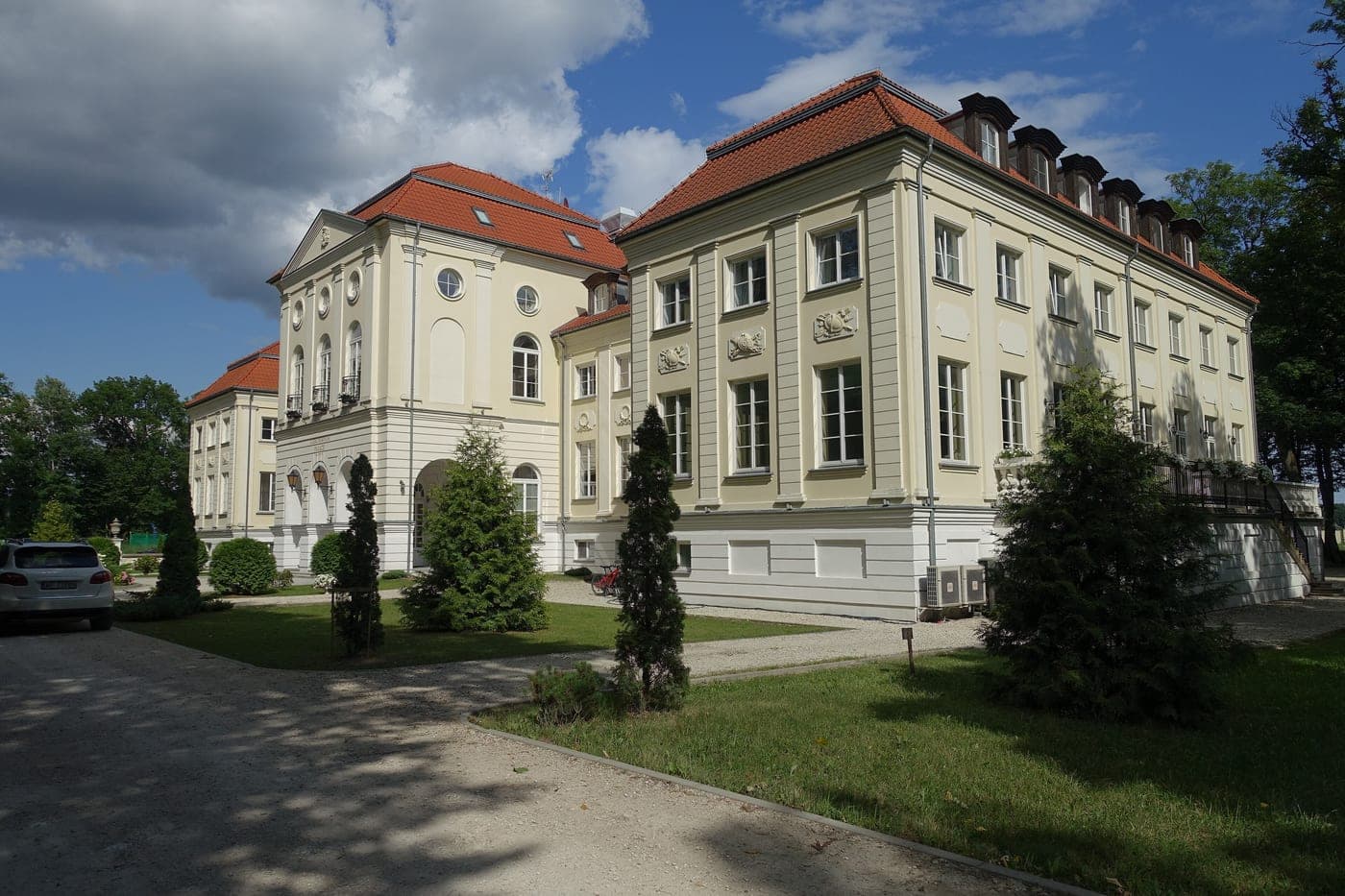
Masovia, the largest region in Poland, is known for its rich history and cultural heritage. Warsaw, the capital city, showcases a blend of modernity and tradition, particularly in the UNESCO-listed Old Town, reconstructed after WWII. The region features picturesque landscapes, including the Vistula River and numerous parks. Off the beaten path, towns like Płock, with its historic cathedral, and the idyllic Kampinos National Park offer a quiet retreat. Masovia also hosts various local festivals celebrating traditional music and cuisine, such as pierogi and żurek. The region's rural areas are dotted with charming villages that highlight local craftsmanship and agriculture, making it a rewarding area for deep exploration.
Castles