Flaki po warszawsku
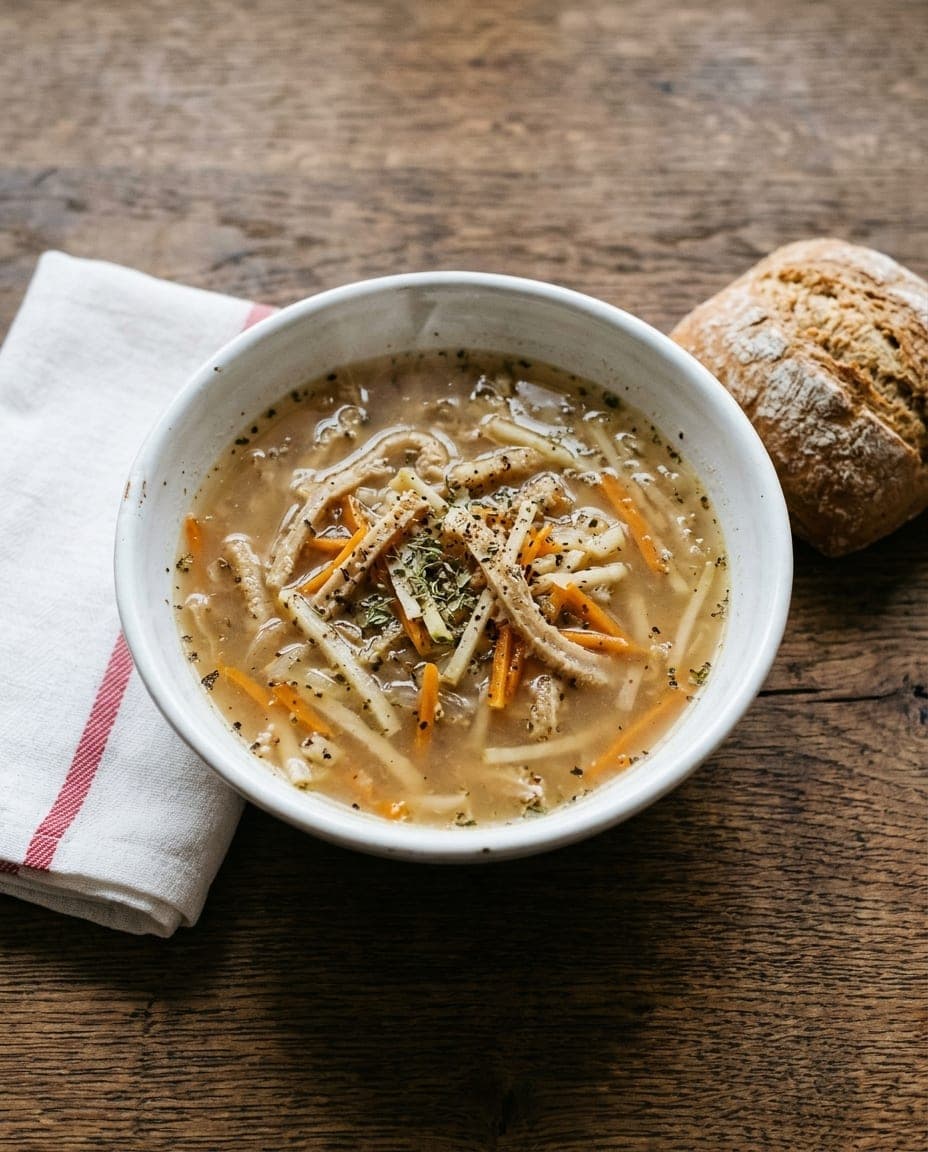
Warsaw tripe soup, marjoram-spiced broth with meatballs
- Local name
- Flaki po warszawsku
- Served with
- Bread roll
- Best eaten at
- An old-style Warsaw bar or restaurant
- Pairs with
- Cold vodka
What it is
Flaki po warszawsku is the name given to a specific style of tripe soup found in the capital city of Poland. It is not merely a soup made from offal; it is a distinct regional dish that belongs firmly to Masovia and, more specifically, to the city of Warsaw. The broth is built on a foundation of beef tripe, cut into fine strips and simmered for many hours until it reaches a soft texture that still holds a slight resistance.
The soup is cooked with root vegetables, often thickened with a light roux, and enriched with a deep beef stock. Its character comes from a precise blend of spices, most notably marjoram, which provides the defining aroma, alongside nutmeg, allspice, black pepper and occasionally a touch of ginger. What marks the Warsaw style is the garnish: small meatballs (pulpety), traditionally enriched with bone marrow, served in the bowl alongside the tripe, with grated hard cheese on top.
This is not a dish for the faint-hearted regarding texture. The tripe requires careful preparation to remove any unpleasant odours before it becomes tender. For those unfamiliar with the result, the experience can be surprising: the tripe is soft yet chewy, offering a distinct mouthfeel that divides diners into two camps. It is an honest, substantial meal rather than a delicate starter, often served as a substantial first course or light main to warm the body and provide energy during the long Polish winter.
Warsaw's tripe tradition and the milk bars
Tripe soup has been eaten in Poland since at least the 14th century, and the Warsaw style, with its meatballs and cheese, was established in the city's kitchens and street stalls before the Second World War; 19th-century cookery writers such as Lucyna Ćwierczakiewiczowa gave recipes for it. Its later life is tied to the bar mleczny, or milk bar. The first opened in Warsaw in 1896, and under communism these subsidised cafeterias multiplied to provide affordable, nutritious meals to the working population.
Tripe soup suited cheap eateries of this kind because it was inexpensive and filling. The long cooking made a tough cut edible, and turned cheap offal into a filling meal. After the political changes of 1989, the surviving milk bars and old-style bars kept their classic menus, and flaki stayed on them.
Today, the soup is found in ordinary Warsaw restaurants and specialised eateries that focus on regional traditions. It remains a favourite for locals seeking a warm, hearty meal that connects them to the city's working-class past. The dish has not been elevated into high cuisine; it sits comfortably as a comfort food, valued for its substance and its connection to the everyday life of Warsaw.
What goes into it
The list is short, and it is the list a household or a state canteen could actually get hold of. The base is beef tripe, cleaned thoroughly and cut into thin strips. It simmers in a clear beef broth enriched with root vegetables such as carrots and parsley roots.
The seasoning is critical to the identity of the dish:
- Marjoram: The primary spice that defines the aroma and taste.
- Nutmeg and allspice: Added for warmth and depth.
- Black pepper: For a sharp, warming finish.
- Ginger: Occasionally used in small amounts to enhance the broth.
- Meatballs (pulpety): Small, round balls of minced meat, traditionally with bone marrow, added to the bowl.
Diners often customise their bowls at the table. Grated hard cheese is the classic Warsaw topping, and some add extra pepper. Some may add a splash of vinegar or a squeeze of lemon to cut the fat.
How to eat it
Flaki po warszawsku is best eaten as a filling first course or light main, typically at lunch or dinner when the weather is cold. The soup arrives in a deep bowl, often accompanied by a fresh bread roll on the side. The meatballs are soft and absorb the broth, while the tripe strips offer a chewy contrast.
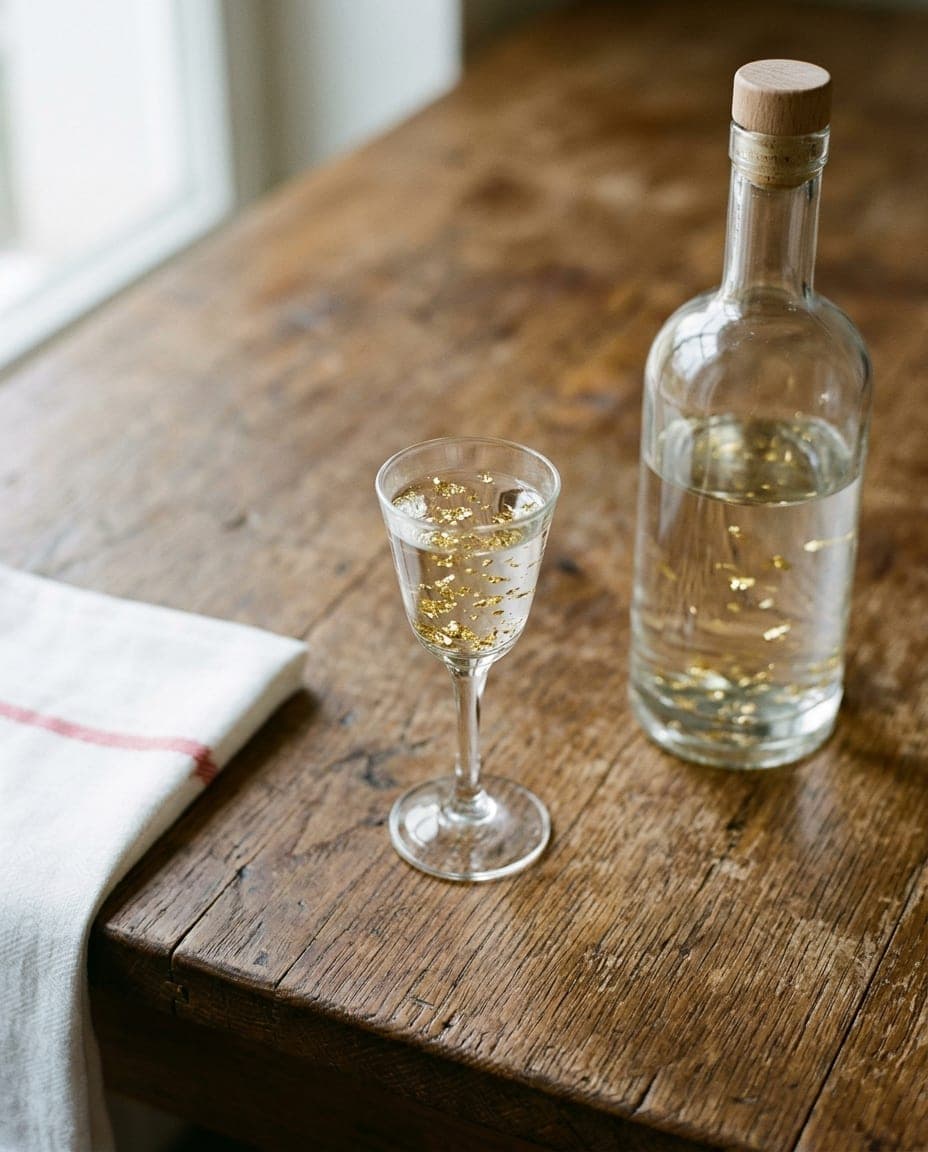
A common setting for this dish is a bar mleczny, a small neighbourhood cafeteria that serves simple, affordable food. Some still keep the decor and menus of the state era, offering a taste of Warsaw's history. A cold glass of vodka is the customary drink to accompany the meal, helping to warm the body further.
The bread roll is used to mop up the remaining broth or to eat alongside the meatballs. The grated cheese and seasonings allow for personal adjustment, but the core experience relies on the natural flavour of the tripe and the spice blend.
Curious facts
- A specific regional style. While tripe soup exists across Poland, flaki po warszawsku is defined by its marrow-enriched meatballs and grated cheese, distinguishing it from other regional variations.
- The milk bar connection. Milk bars, the first opened in Warsaw in 1896, became the place for cheap flaki under communism, and the survivors have kept serving traditional recipes since 1989.
- Texture is key. The tripe must be cooked until tender but not mushy; this specific texture is what separates a good bowl from a poor one.
- A winter dish by habit. It is eaten most in the cold months, though it is cooked all year.
- Simple accompaniments. Grated hard cheese is the classic Warsaw finish, and a fresh bread roll, or a hollowed-out loaf, is the usual vessel or side.
Where to try it
A bar mleczny — the subsidised milk bar, a Warsaw institution that survived the end of the system that created it — is the usual place, and the version served there is often the plain one: tripe, broth, marjoram, bread on the side. A handful of them still operate in the city centre and in Praga across the river, where the old street cry of the bazaar vendors, "pyzy, flaki gorące!", is still remembered.
Older restaurants serving Polish home cooking keep it on the menu as a starter, often richer and more peppery, with the meatballs and cheese of the full Warsaw style. It is a winter dish by habit rather than by rule, and it is cooked all year.
Where to try it
1 region
 Castles1 destination
Masovia
Masovia, the largest region in Poland, is known for its rich history and cultural heritage. Warsaw, the capital city, showcases a blend of modernity and tradition, particularly in the UNESCO-listed Old Town, reconstructed after WWII. The region features picturesque landscapes, including the Vistula River and numerous parks. Off the beaten path, towns like Płock, with its historic cathedral, and the idyllic Kampinos National Park offer a quiet retreat. Masovia also hosts various local festivals celebrating traditional music and cuisine, such as pierogi and żurek. The region's rural areas are dotted with charming villages that highlight local craftsmanship and agriculture, making it a rewarding area for deep exploration.
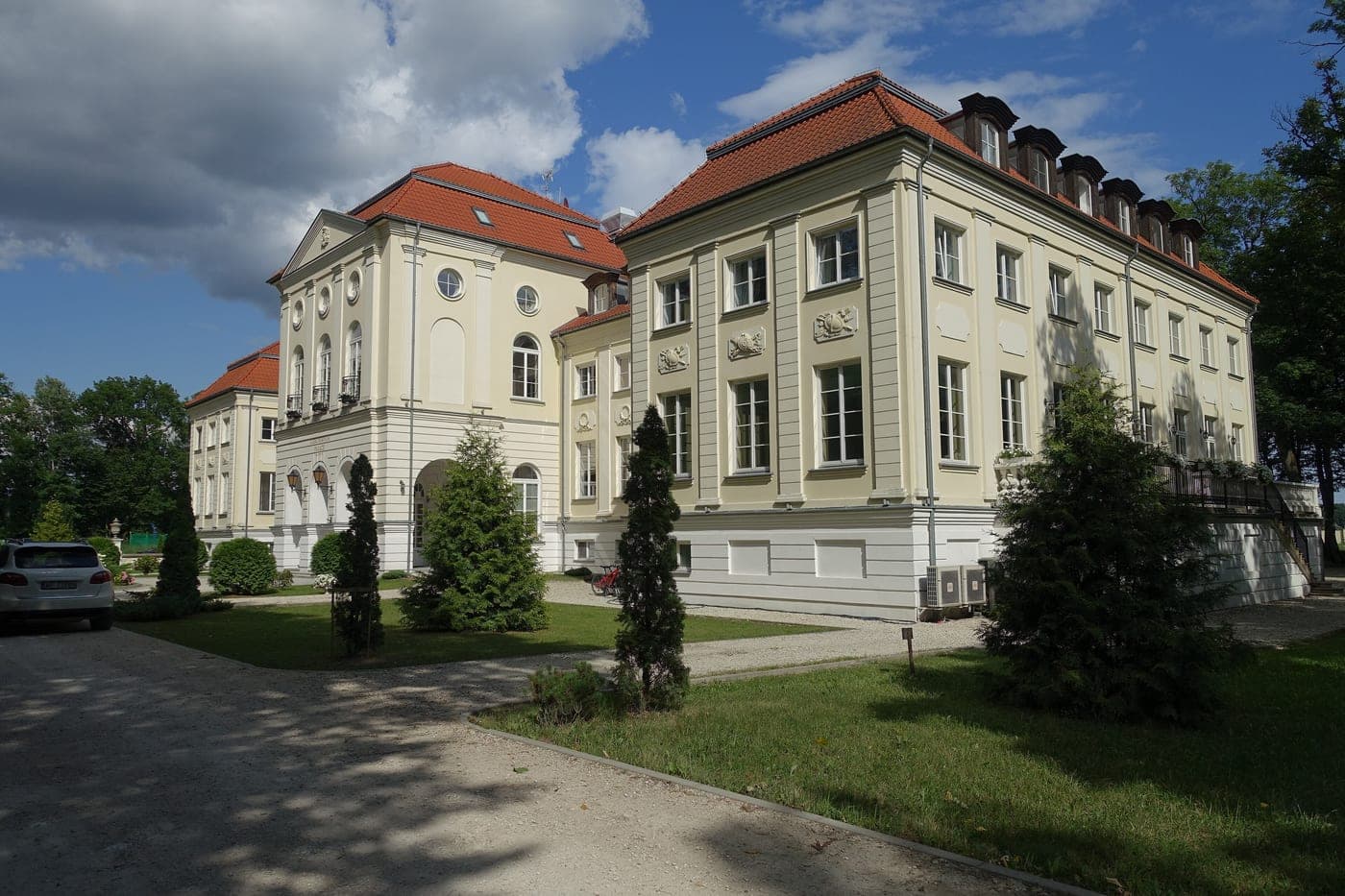
Castles