Strangozzi al tartufo nero
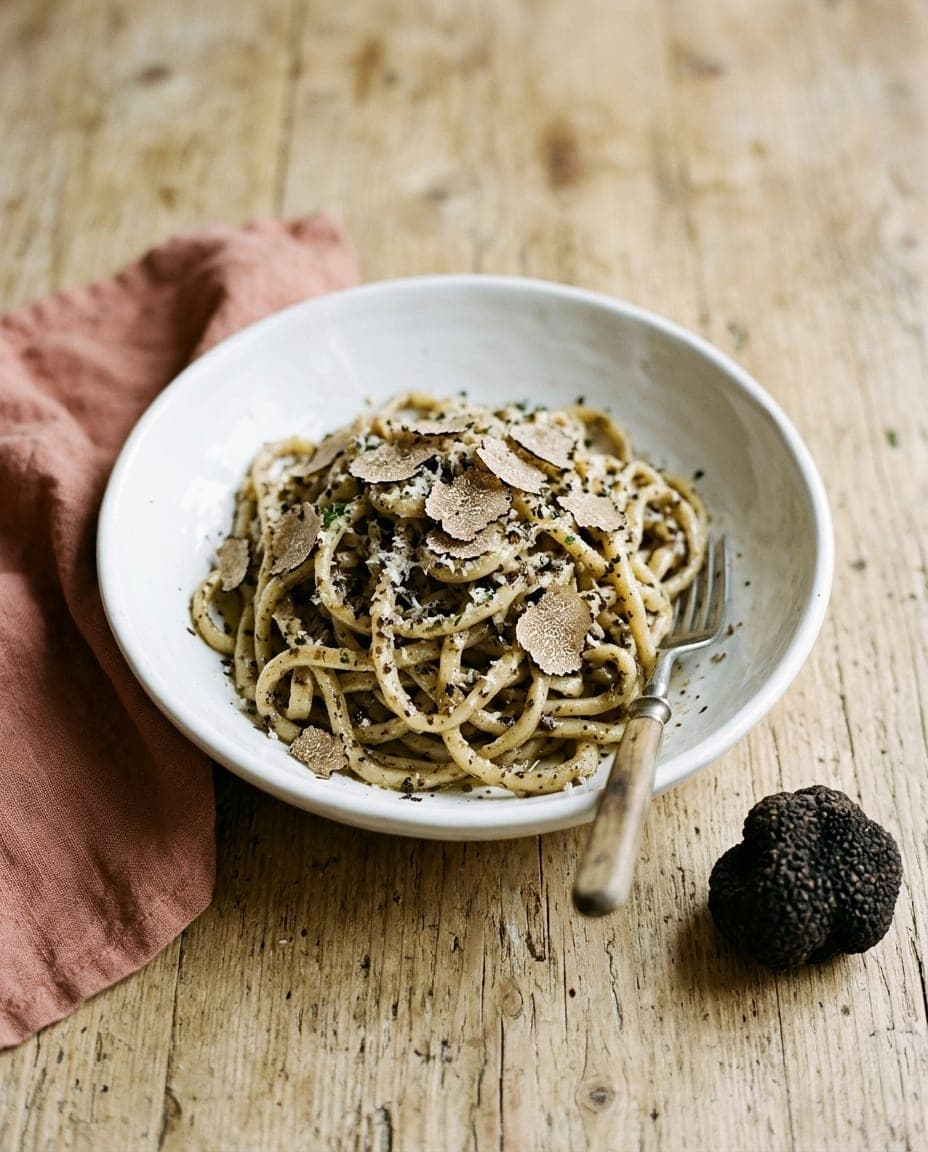
Hand-cut pasta from Umbria shaved with black winter truffle
- Local name
- Strangozzi al tartufo nero
- Best eaten at
- A Norcia or Spoleto trattoria
- Pairs with
- Sagrantino or Umbrian red
What it is
Strangozzi al tartufo nero is a dish of stark simplicity that defines the rustic cuisine of central Italy's Umbria region. It consists of long strips of hand-cut pasta made without egg, dressed simply with oil and finished with black truffle. The pasta itself is known locally as strangozzi, though it also appears on menus as stringozzi; older names include strangolapreti and strozzapreti (not to be confused with the Romagna pasta of that name). The noodle is a rough-hewn strip of dough, rolled to about 2 mm and cut by hand into narrow, almost square-sectioned lengths that resemble shoelaces.
The dish relies entirely on the quality of its two components. The pasta provides a chewy, wheaty base that holds the oil without becoming greasy. The truffle is the star, specifically the black winter truffle (Tuber melanosporum) harvested in the hills around Norcia and the Valnerina valley, or occasionally the summer black truffle. The preparation avoids heavy sauces or rich creams. Instead, the pasta is tossed with olive oil, sometimes warmed gently with garlic and anchovy to create a subtle paste that clings to the rough surface of the noodles before the truffle is applied.
This is not a dish for those seeking delicate textures or complex layering. It is a meal of direct flavour, where the earthy aroma of the truffle dominates the palate, served in trattorias where the focus remains on the ingredients rather than the chef's technique.
The story behind the name
The name strangozzi carries a grim local joke. The most straightforward explanation links it to the Italian stringa, meaning shoelace, which describes the shape of the noodle. A darker piece of folklore, recorded by the Umbria region, claims the name recalls anticlerical rebels in the old Papal States who used leather laces to strangle passing priests, the word supposedly shifting from stringozzo and strongozzo to strangozzo.
These stories are folklore rather than historical fact, but they persist in the kitchens of Umbria. The name also serves as a reminder of the pasta's texture: firm, chewy, and substantial.
The lack of egg in the dough distinguishes it from the famous pasta all'uovo of Emilia-Romagna, and is usually explained by the frugal rural kitchens of Umbria, where flour, water and oil were everyday staples and eggs were often saved for sale.
What goes into it
The ingredients list is short, which makes the quality of each item critical.
- Flour and water: The traditional dough uses only soft wheat flour and water; some cooks add a share of durum wheat semolina. No eggs are added, resulting in a pale, firm texture that remains chewy even after boiling.
- Black truffle: The prized Tuber melanosporum, harvested from the hills of Norcia and the Valnerina during the winter months. The summer black truffle is sometimes used as a substitute, but the winter variety is the standard for this dish.
- Olive oil: Extra virgin olive oil from Umbria acts as the binder. It is often warmed gently with garlic to infuse the fat before tossing with the pasta.
- Anchovy and garlic: A traditional element in many Umbrian truffle sauces that surprises some visitors. The anchovy dissolves into the oil, creating a savoury depth that pairs well with the earthy truffle.
- Salt: Used to season the boiling water and the final dish.
The truffle is never cooked for long. It is either grated raw over the hot pasta, allowing the heat of the noodles to release its aroma, or warmed briefly in the oil with the garlic and anchovy to create a paste. Prolonged heat would destroy the volatile compounds that give the truffle its character.
How it is eaten
Strangozzi al tartufo nero is typically served as a first course (primo) in a multi-course meal, though its heartiness means it can stand alone on a cold day. The pasta arrives at the table hot, often in a deep bowl or a wide plate that allows the truffle shavings to settle between the noodles.
A glass of Sagrantino, the robust red wine from nearby Montefalco, is a classic companion. The wine's tannins cut through the oil and truffle, cleansing the palate between bites. Other Umbrian red wines work well too.
Where it comes from
Strangozzi are documented above all around Spoleto and Foligno, while the black truffle that makes this dish famous comes from the area around Norcia and the Valnerina, where it grows in the soil of the wooded hills. The fresh black winter truffle is gathered from late autumn through winter, when its scent is most potent.
Norcia, a town known for its cured meats and truffles, serves as the culinary heart of the truffle tradition. Here, the black truffle is not just an ingredient but a cultural icon. Pairing it with plain eggless pasta reflects the resourcefulness of Umbrian cooks, who made do with what the land provided: wheat, oil, and the seasonal gift of the truffle.
The dish is a regional speciality rather than a nationwide one. Other Italian regions have their own truffle pasta dishes, but strangozzi with black truffle is firmly associated with Umbria, and it is found above all in small trattorias and rural restaurants.
Curious facts
- No eggs in the dough: Unlike many famous Italian pastas, strangozzi traditionally contains no egg, which gives it a firmer texture.
- The truffle is barely cooked: The black truffle is either grated raw over the hot pasta or warmed briefly in oil; prolonged cooking destroys its aroma.
- Anchovy is traditional: Anchovy with truffle is a classic Umbrian combination that adds savoury depth without a fishy taste.
- A gruesome name: Local folklore ties the name to priests strangled with shoelaces, a tale best taken with a pinch of salt.
Where to try it
The natural place to eat strangozzi al tartufo nero is a traditional trattoria in Norcia, Spoleto or Foligno, where the local truffle is close at hand and the pasta is often made by hand.
The dish is best when the truffle is fresh, so a visit timed to the winter harvest offers the most authentic experience.
Related: Umbrichelli, the hand-rolled Umbrian pasta from the same kitchens.
Where to try it
1 destination
 Agritourism
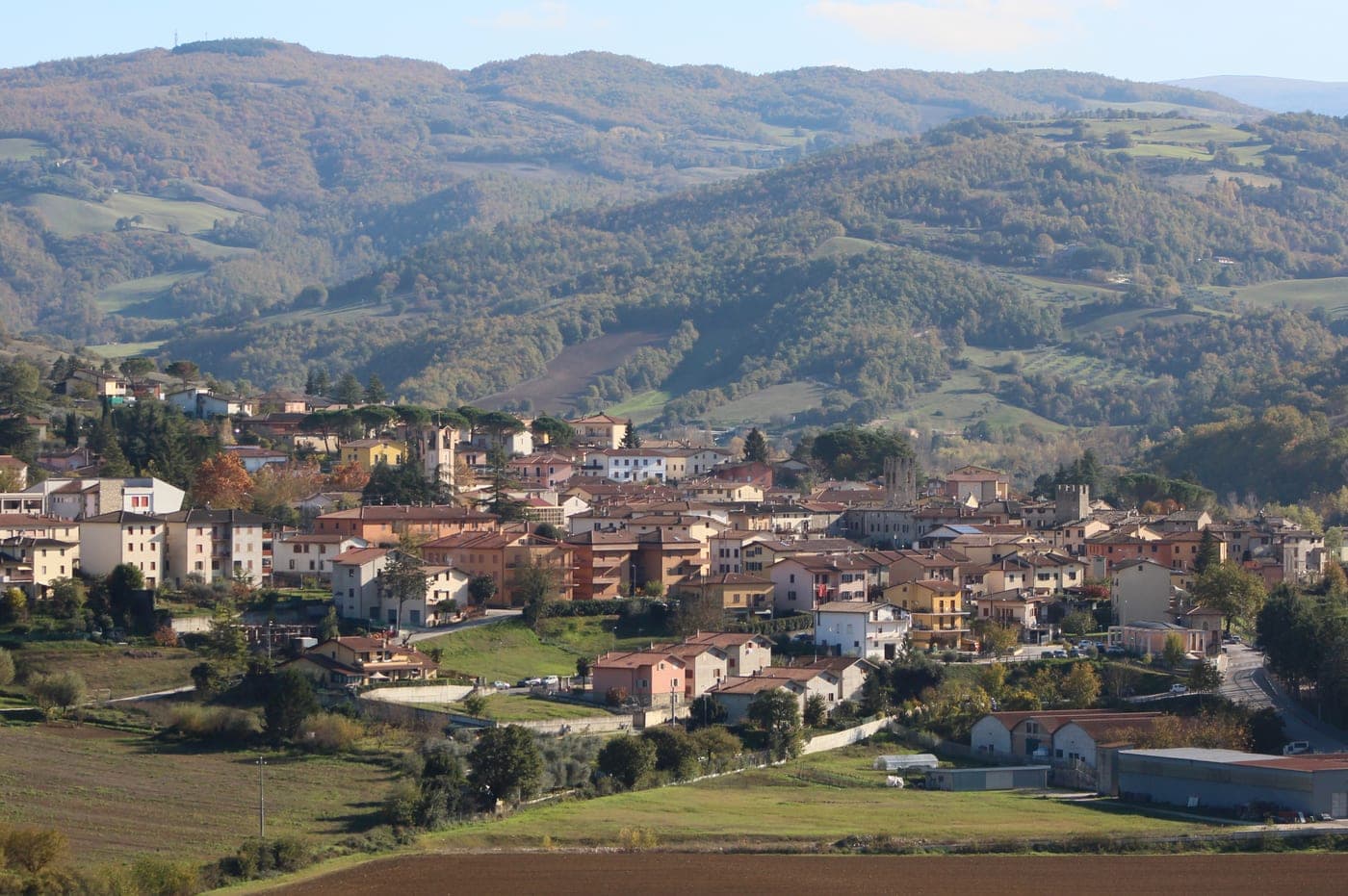
Valfabbrica
Umbrian hills village with truffle farms, olive groves, and authentic medieval atmosphere.
AgritourismHiking
1 region
 Wine Tasting14 destinations
Umbria
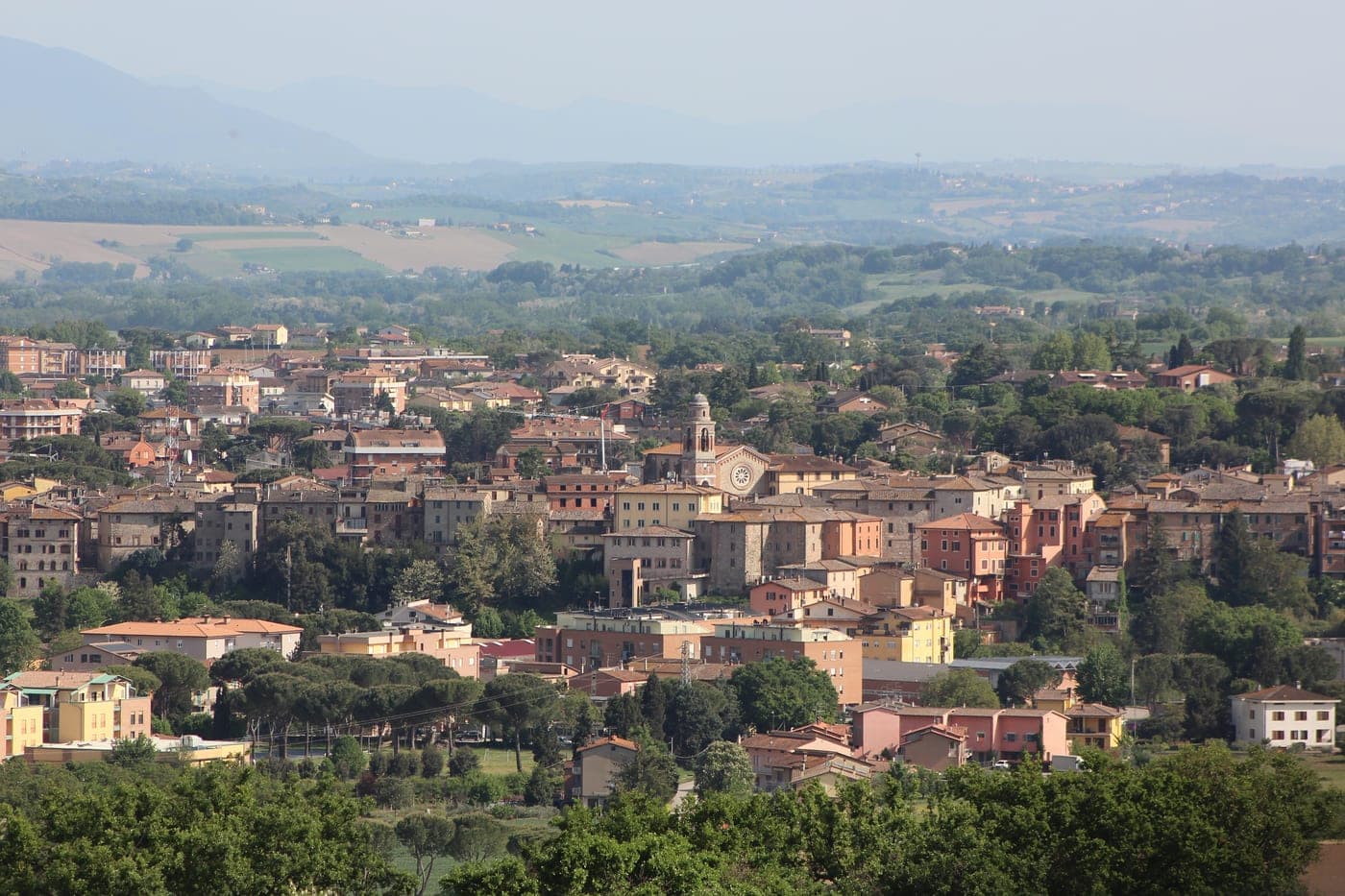
Umbria, Italy's only landlocked region, is known for its rolling hills and rich history. Spoleto, famous for its ancient Roman theater and the Festival dei Due Mondi, offers a glimpse into the region's cultural depth. Assisi, the birthplace of St. Francis, features remarkable frescoes by Giotto in the Basilica and is a UNESCO World Heritage site. The region is renowned for its Sagrantino wine, olive oil production, and traditional cuisine, including truffles and porchetta. With picturesque towns like Todi and Gubbio, travelers can explore narrow streets, local artisans, and regional festivals that celebrate Umbrian traditions throughout the year.
Wine TastingHikingLocal CuisineAgritourism





