Amaro Lucano
The bitter herbal liqueur from Basilicata, created in Pisticci in 1894
- Alcoholic

- Local name
- Amaro Lucano
- Served
- Neat or on ice, after dinner
What it is
Amaro Lucano is a dark, bittersweet herbal liqueur from the region of Basilicata in southern Italy. The name Lucano comes from Lucania, the historical name for the area, which remains one of Italy's less-visited regions, with rugged mountainous terrain and a sparse population. While the town of Matera is known worldwide for its stone dwellings, Amaro Lucano stands as one of the few products from this landscape that has gained a national reputation.
Created in 1894 by Pasquale Vena, a biscuit maker based in the hill town of Pisticci, in the province of Matera, the drink offers a complex profile of bitterness balanced by citrus and spice rather than the sweetness of many Italian liqueurs. The liquid is deep brown, almost black when poured against light, and carries aromas of bitter orange, wormwood and herbs. It is bottled at around 28% alcohol.
Traditionally served neat at room temperature or on ice, it is a ritual of the end of the meal. Around 1900 the Vena family became official suppliers to the House of Savoy, the royal family of the then Kingdom of Italy, and the Savoy coat of arms still appears on the label.
The history of Pasquale Vena and the royal table
The story of Amaro Lucano begins in the back of Pasquale Vena's biscuit factory in Pisticci. According to the company, it was there that he worked out a blend of more than thirty herbs infused in alcohol. The exact recipe has remained a closely guarded secret within the Vena family for generations, though published descriptions mention ingredients such as wormwood, clary sage, gentian, angelica, bitter orange, elderberry and rue.
The drink's reputation grew steadily until it reached the royal court. A few years after its creation the liqueur came to the attention of the House of Savoy, and the Vena family became official suppliers to the royal household. The royal endorsement brought the liqueur to the attention of drinkers across the Italian peninsula, transforming a local creation into a symbol of Basilicata's contribution to Italian gastronomy.
Amaro Lucano has remained rooted in its place of origin. According to the company, output grew from around 3,000 bottles a year in the 1950s to 117,000 litres by 1965, the year the company moved from the historic centre of Pisticci to a new plant at Pisticci Scalo, in the valley below. The Vena family still runs the business, and in 2021 the brand was recognised as a marchio storico di interesse nazionale, a historic trademark of national interest.
What goes into it
The character of Amaro Lucano comes from its infusion of herbs and botanicals, which give it a deep, layered flavour rather than a simple sweetness. While the full list remains proprietary, the profile is defined by a few key elements.
- Bitter orange: Provides a citrus note that cuts through the bitterness.
- Wormwood: A bitter herb often associated with absinthe, adding a sharp, herbal edge.
- Gentian and angelica: Classic bittering roots of Italian amari, giving depth and length.
- Aromatic herbs: Clary sage, rue, elderberry and other plants add complexity.
The result is a drink that is neither cloying nor harsh. It sits somewhere in the middle of the palate, offering a warming sensation that lingers on the tongue. The colour is dark and opaque, hinting at the concentration of the botanicals used in its creation.
How to drink it
Amaro Lucano is a drink for the end of a meal. It is usually ordered as a digestif to close the evening rather than as an aperitif or alongside food. The traditional way to serve it is either neat, at room temperature, or poured over ice. The cold version slightly dulls the bitterness, allowing the citrus notes to emerge more slowly.
The ritual involves pouring a small measure into a short glass and taking a slow sip. It is not meant to be rushed. In Basilicata, where meals can be lengthy and heavy with meat, cheese and bread, a glass of amaro is the customary full stop.
Visitors will often find it on the menu of traditional restaurants in Matera and Pisticci, usually listed alongside other regional spirits or after-dinner drinks. Some choose to sip it while finishing a dessert of figs or chestnuts, but the focus remains on the drink itself as the final note of the dining experience.
Where to find it
The best place to taste Amaro Lucano is in its home territory around Pisticci, where the Vena family still produces the liqueur. Here the drink is a source of local pride and appears in most bars and restaurants that serve traditional food. The wider region of Basilicata, particularly around Matera, also offers it in local bars and trattorias.
Outside the region, Amaro Lucano is sold in bars, wine shops and supermarkets across Italy. It is one of the few spirits from southern Italy that is widely available in cities like Rome or Milan, often alongside other regional amari. However, it remains most memorable when encountered in the context of its origin, after a meal in a rustic tavern overlooking the Lucanian hills.
The label features a woman in traditional Lucanian costume, known as the pacchiana, a long-standing design that reflects the heritage of the region. This image has become as recognisable as the bottle itself, serving as a visual marker of the drink's identity.
Curious facts
- A royal connection. Around 1900 the Vena family became official suppliers to the House of Savoy, whose coat of arms still appears on the label.
- The woman on the label. The figure in traditional Lucanian costume, the pacchiana, has been part of the packaging for decades, symbolising the region's heritage rather than a specific person.
- A family secret. The exact recipe, involving more than thirty herbs, has remained with the Vena family since Pasquale Vena first created it in 1894.
- A move downhill. In 1965 production left the old town of Pisticci for a new plant at Pisticci Scalo.
- A bitter balance. Unlike many sweet liqueurs, the drink relies on wormwood and bitter orange to create a profile that is both sharp and rounded.
Where to try it
1 region
 Wine Tasting3 destinations
Basilicata
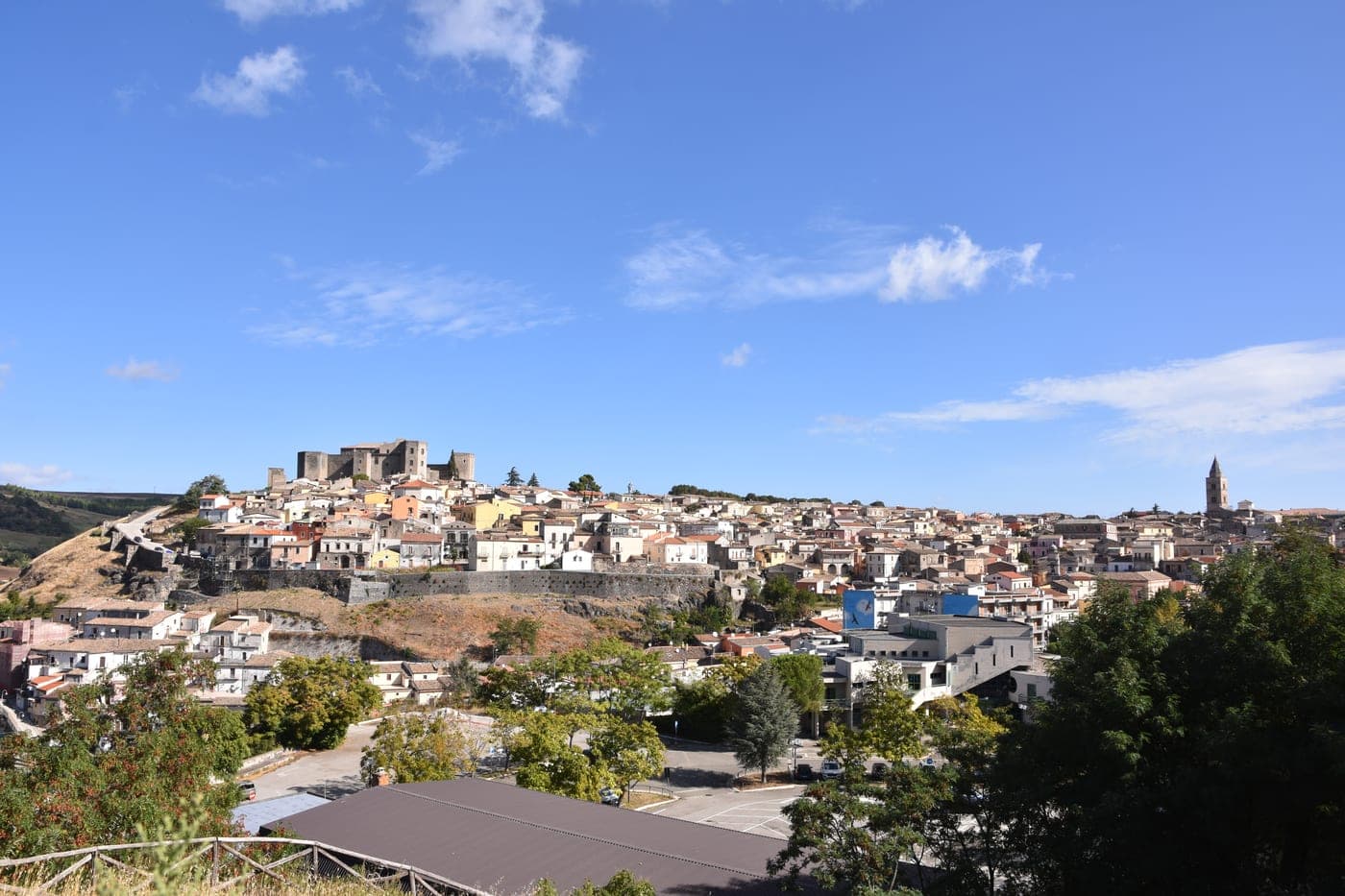
Basilicata is Italy's second-smallest region, rich in ancient history and natural beauty. Matera, a UNESCO World Heritage site, is renowned for its Sassi, ancient cave dwellings carved into limestone. The region boasts a rugged landscape, featuring the Pollino National Park with its diverse flora and fauna. Potenza, the capital, offers a glimpse into local life with its medieval architecture and vibrant markets. Basilicata is also known for its unique cuisine, including hearty dishes like pasta with wild boar and spicy peppers. The region's coastline along the Tyrrhenian Sea is less frequented, providing secluded beaches and authentic coastal villages, ideal for a slower pace of travel. Discover the ancient ruins of Grumentum and the beautiful hilltop towns of Montalbano Jonico and Tursi, which showcase the region's cultural heritage away from the crowds.
Wine TastingHiking