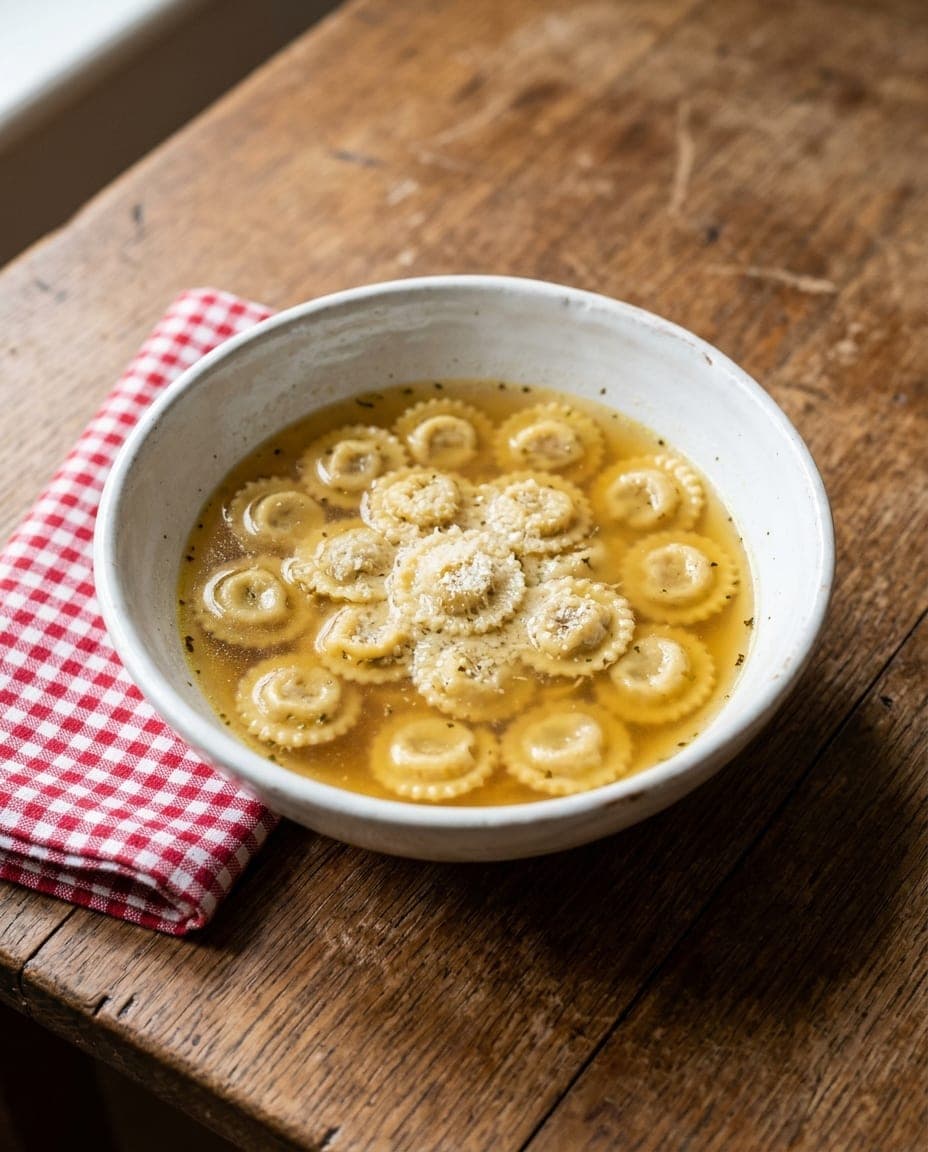
Acquacotta
The Maremma's bread soup of cooked water, greens and egg

- Local name
- Acquacotta
- Served with
- Grated pecorino
- Best eaten at
- A Maremma trattoria
- Pairs with
- Morellino di Scansano
What it is
Acquacotta, literally "cooked water", is a soup born of necessity in Italy's Maremma, the low-lying coastal plain and hill country of southern Tuscany. It began as the food of herdsmen such as the butteri, the mounted cattlemen of the marshes and scrubland, and of shepherds and charcoal burners cooking over open fires. The name is a frank admission that there was almost nothing in the pot: water, stale bread, whatever vegetables and wild herbs grew nearby, and, when available, an egg to finish the meal.
The dish is a staple of cucina povera, or poor cooking, where scarcity shaped the menu. Today it is usually a thick soup of onion, celery, tomato and herbs or wild greens simmered with olive oil, poured over slices of toasted bread, and finished with an egg cooked in the hot liquid. Older versions often started from a little lard or pancetta. The bread softens into the soup, turning water into a substantial meal that could fuel a day of hard labour outdoors.
It is not a refined dish by modern standards, but it carries the memory of the landscape. The Maremma was once a region of malaria and dense marshes, where food had to be simple, filling and easy to make over an open fire.
Where it comes from
The soup is specific to southern Tuscany, with its strongest presence in the Maremma around Grosseto, and versions are also made in the Siena area. Each village and family has its own way of making it.
The recipe changed with the cook's trade as much as with the season. Shepherds and cheesemakers might add cheese, charcoal burners sometimes added mushrooms gathered in the woods, and farmers occasionally added salt cod. The bread was day-old or stale, a common practice across Italy to avoid waste.
The dish is still made year-round, though the vegetables change with the seasons. Wild greens dominate in spring, ripe tomatoes in summer, and mushrooms in autumn. It is a flexible recipe that adapts to the harvest rather than the other way around.
What goes into it
The ingredients are defined by what grows in the Maremma and what was available in a peasant kitchen:
- Stale or toasted bread, usually from a local rustic loaf, placed at the bottom of the bowl to soak up the broth.
- Water and olive oil, the base of the soup, simmered until it takes on the flavour of the vegetables.
- Onion, celery and tomato, the standard ingredients that give the water body and taste; the onions are cooked slowly at the start.
- Herbs and wild greens, such as wild chicory or herbs like marjoram and basil, gathered from the fields or bought at a market.
- An egg, cooked in the hot soup or broken over the top to add body.
The result is a thick, savoury soup in which the bread collapses into the liquid. It is not a clear broth but a hearty mixture where every element blends together. Grated aged pecorino is usually added on top for salt and depth.
How it is eaten
Acquacotta is served as a main course, usually at lunch or early dinner in a local trattoria. The bowl arrives with the bread already softening at the bottom, covered by the hot soup. An egg sits in the centre, its white set but the yolk often still runny, which diners break into the soup to mix through.
It is best eaten immediately, while the bread retains a slight texture and the egg remains warm. A sprinkle of grated pecorino and a drizzle of raw olive oil add a final layer of flavour. The dish pairs naturally with Morellino di Scansano, a red wine from the Maremma that complements the earthy notes of the greens.
Curious facts
- The name says it all. "Acquacotta" means cooked water, a direct reference to the minimal ingredients used in its earliest form.
- A bread foundation. The bread is placed at the bottom of the bowl before the soup is poured, so it absorbs the liquid fully.
- A recipe for every trade. Charcoal burners, shepherds and farmers each adapted the soup with what they had, from mushrooms to cheese to salt cod.
- The egg finish. An egg cooked in the hot soup adds richness to the simple base.
- Not quite vegetarian. Pecorino is the usual topping, and some older versions began with lard or pancetta.
Where to try it
The best place to eat acquacotta is a trattoria in the Maremma, in Grosseto or the surrounding hill villages, where the soup is made with local vegetables and bread. The dish is simple enough that it shines when made with care, and it is at its best in a kitchen that respects its roots.
Where to try it
4 destinations
 Wine Tasting
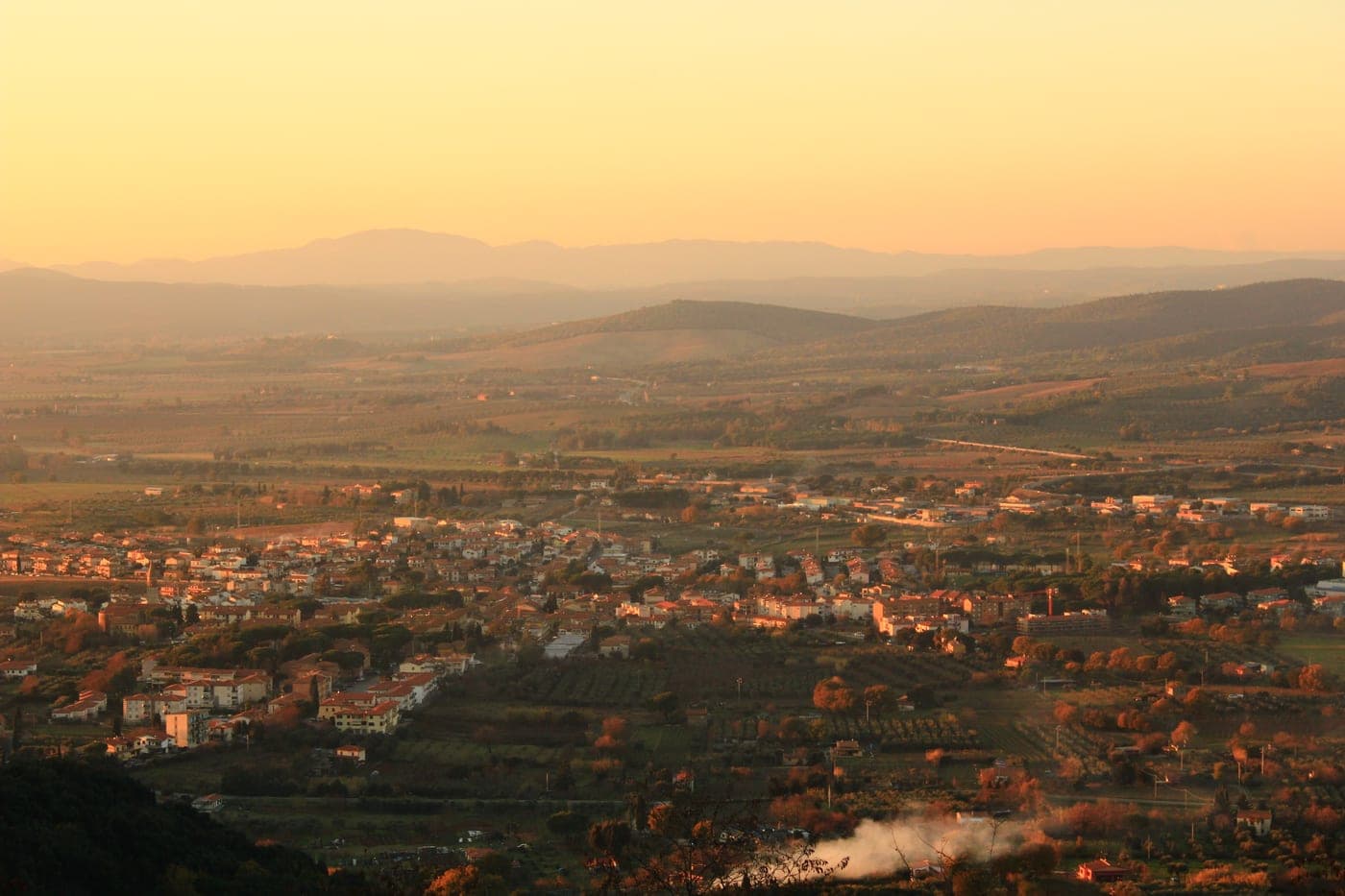
Gavorrano
Former mining town in Maremma with wine production and rural tourism.
Wine TastingHiking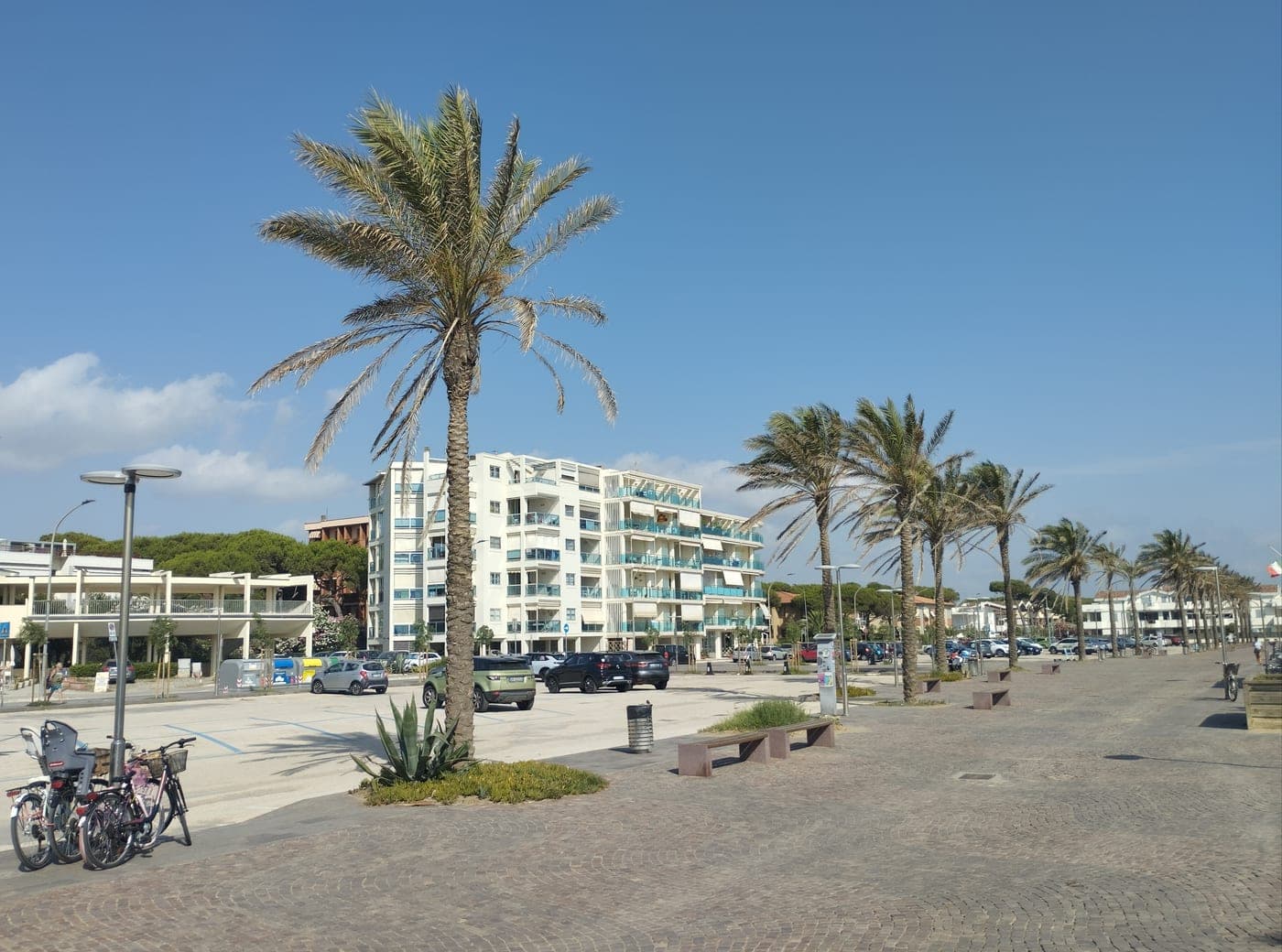 Agritourism
Grosseto
Maremma capital surrounded by agriturismo offering horseback riding, buffalo mozzarella, and coastal countryside.
AgritourismWine TastingHiking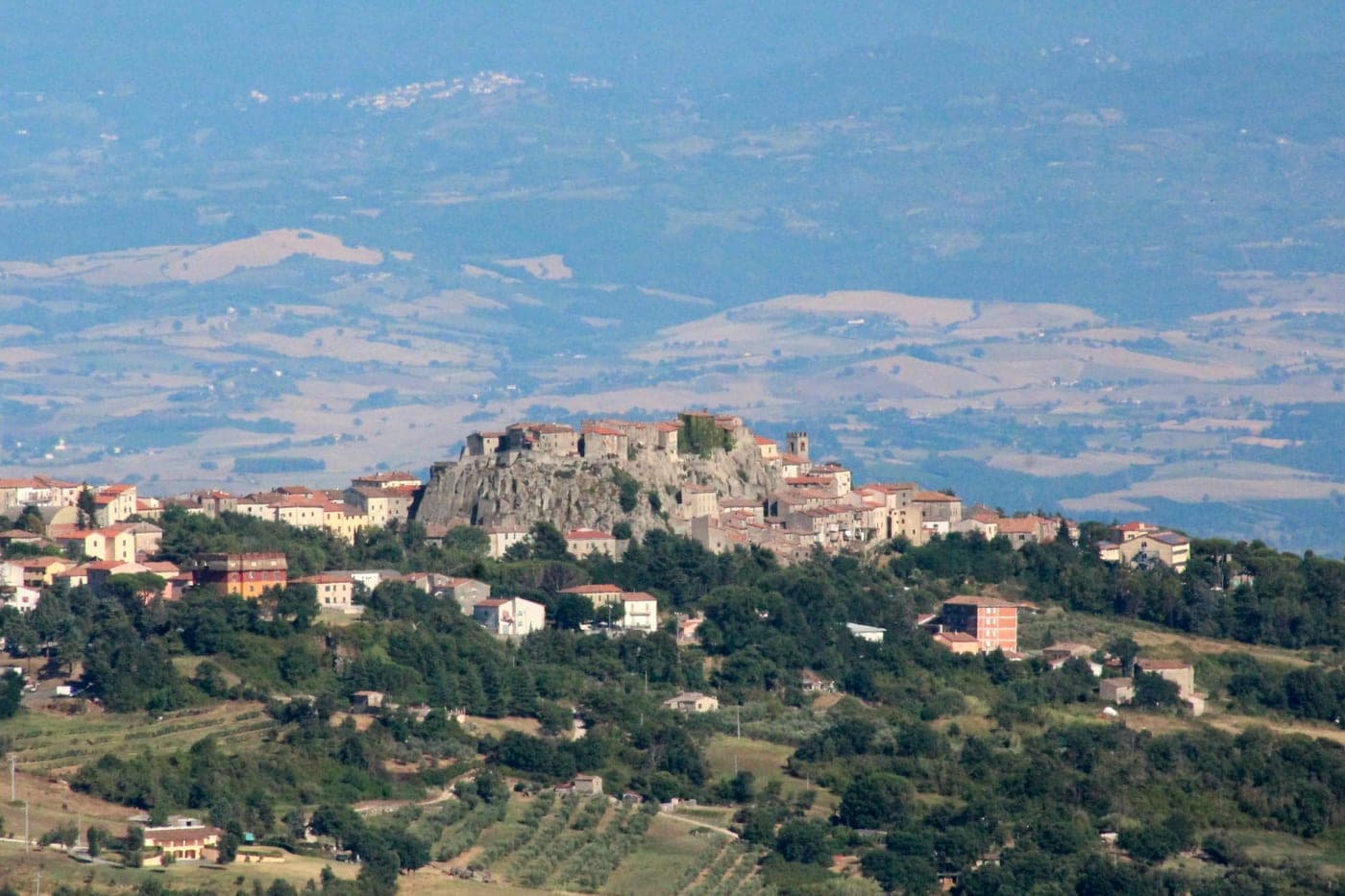 Wine Tasting
Roccastrada
Medieval village in Maremma wine region with local wine estates.
Wine TastingThermal SpasHiking Wine Tasting
Saturnia
Ancient town in Maremma famous for thermal springs and local wine estates.
Wine TastingThermal SpasHiking
1 region
- Wine Tasting38 destinations
Tuscany
Tuscany, known for its rolling hills and rich history, is the second-largest region in Italy. Florence, its capital, is renowned for Renaissance art and architecture, but also worth exploring are smaller towns like Pienza, famous for pecorino cheese, and San Gimignano, known for its medieval towers. The region boasts diverse landscapes from the Chianti vineyards to the coastal Maremma. Tuscany is also celebrated for its local festivals, such as the Palio di Siena, and its traditional cuisine that emphasizes fresh, local ingredients. This area offers a glimpse into Italy's agrarian past with its rustic farms and olive groves, making it a unique place to slow down and connect with the local culture.
Wine TastingThermal SpasHikingAgritourism