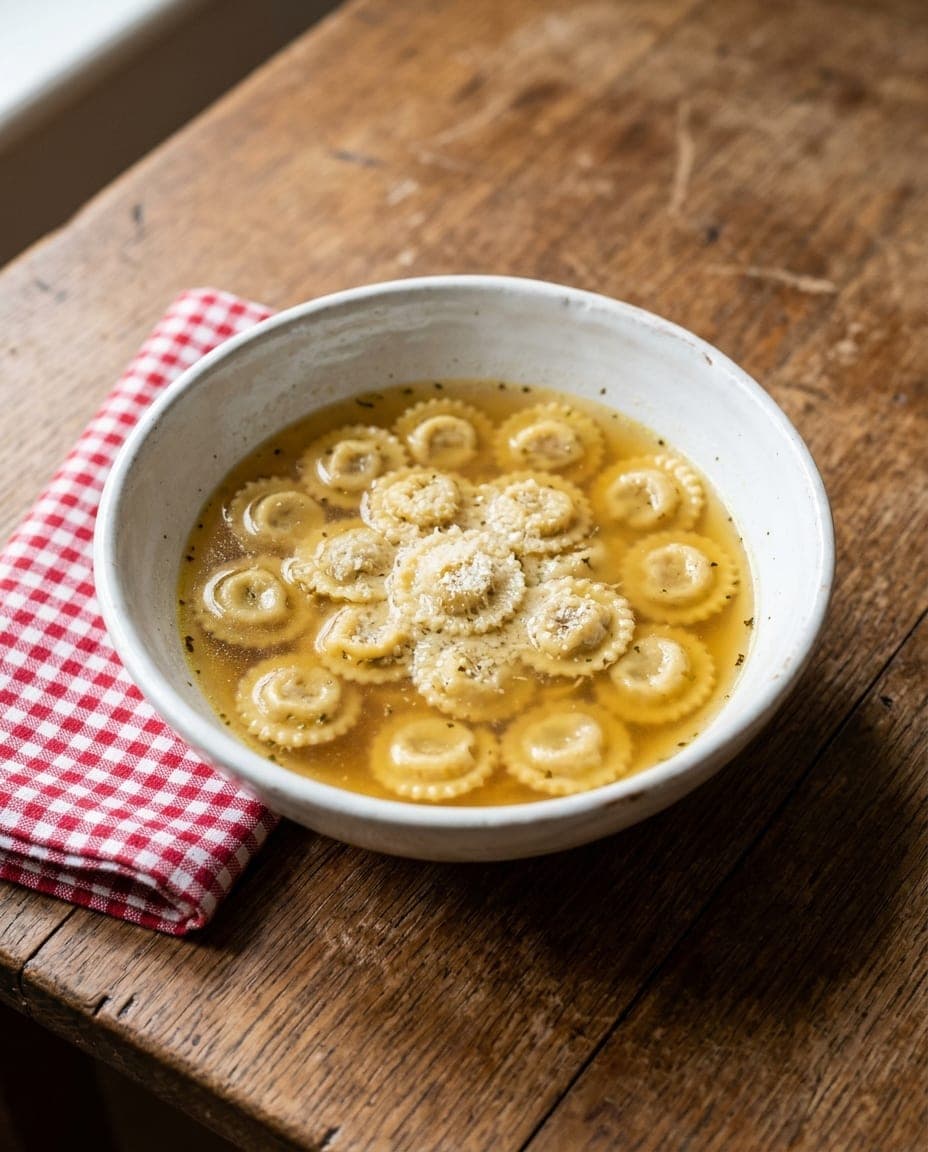
Agnolotti del plin
Pinched meat-filled pasta from Piedmont's Langhe and Monferrato

- Local name
- Agnolotti del plin
- Served with
- Butter and sage or roast juices
- Best eaten at
- A Langhe trattoria
- Pairs with
- Dolcetto or Barbera
What it is
Agnolotti del plin are small, rectangular parcels of pasta from the Langhe and Monferrato areas of Piedmont in northern Italy. They are a regional speciality rather than a dish found across the whole country. The name comes from the Piedmontese word plin, meaning "pinch", which describes the gesture made with thumb and forefinger to seal the filling inside. This pinch is the defining feature of the dish, leaving a visible ridge on every piece.
The pasta itself is a rich egg dough rolled until it is almost translucent. The filling is traditionally a thrifty use of roast meat. It typically combines finely minced roast veal, pork and often rabbit with cooked greens such as Savoy cabbage, escarole or spinach, bound with egg and grated cheese and often seasoned with nutmeg. The result is a filling that is deeply savoury, moist and intensely flavoured by the roasting it began with.
The dish is not heavy despite its rich ingredients. Because the pasta sheets are so thin and the parcels so small, the texture is delicate.
How they came to be
The story of agnolotti del plin is rooted in the rhythm of the Piedmontese countryside. In many farmhouses, the main meal of the week was a roast. Rather than discarding what remained or serving it cold again, the cook would chop the meat and greens finely, mix them with egg and cheese, and wrap them in fresh pasta, while the roasting juices became the sauce.
The method of sealing the filling is what gives the dish its identity. The cook lays out a long strip of dough, places small mounds of filling at regular intervals, folds the dough over, and then pinches it between each mound with thumb and forefinger. This creates the plin that separates one agnolotto from the next. The strip is then cut into individual parcels with a fluted pastry wheel, producing a row of little pockets, each bearing the mark of the hand that made it.
This practice reflects a wider Italian tradition of using up every scrap. However, agnolotti del plin elevated this habit into a refined dish that has become a marker of local identity.
What goes into it
The ingredients are simple, but quality matters greatly. The pasta dough relies on flour and eggs, rolled thin enough to cook quickly without becoming doughy.
- Roast meats: Traditionally a mix of veal and pork, often with rabbit, finely minced after roasting.
- Greens: Savoy cabbage, escarole, spinach or chard, cooked and finely chopped.
- Egg and cheese: Egg and grated Parmigiano bind the filling and add savoury depth.
- Seasoning: Salt, pepper and often a little nutmeg.
There is no single standard version, and every household and trattoria guards its own balance. The filling is never dry, and the best agnolotti are made from the best roast available.
How they are eaten
Agnolotti del plin are usually served as a first course. There are three traditional serving styles, each highlighting a different aspect of the dish.
The most celebrated is al sugo d'arrosto, where the agnolotti are tossed in the juices from the roast, preserving the full depth of flavour. Another classic preparation is with melted butter and fresh sage leaves, offering a fragrant, nutty contrast to the rich filling. The third is al tovagliolo, "in the napkin", where the pasta is served without any sauce at all, wrapped in a cloth, relying entirely on the flavour of the filling. Farmers are said to have carried agnolotti wrapped in a cloth for the merenda sinoira, the Piedmontese late-afternoon meal. This is considered the most restrained way to eat them, favoured by those who want to judge the filling. They can also be served in broth.
The dish is often accompanied by a glass of local red wine. Dolcetto or Barbera are the traditional pairings, as their fruit and acidity cut the fat of the meat and butter.
Where they come from
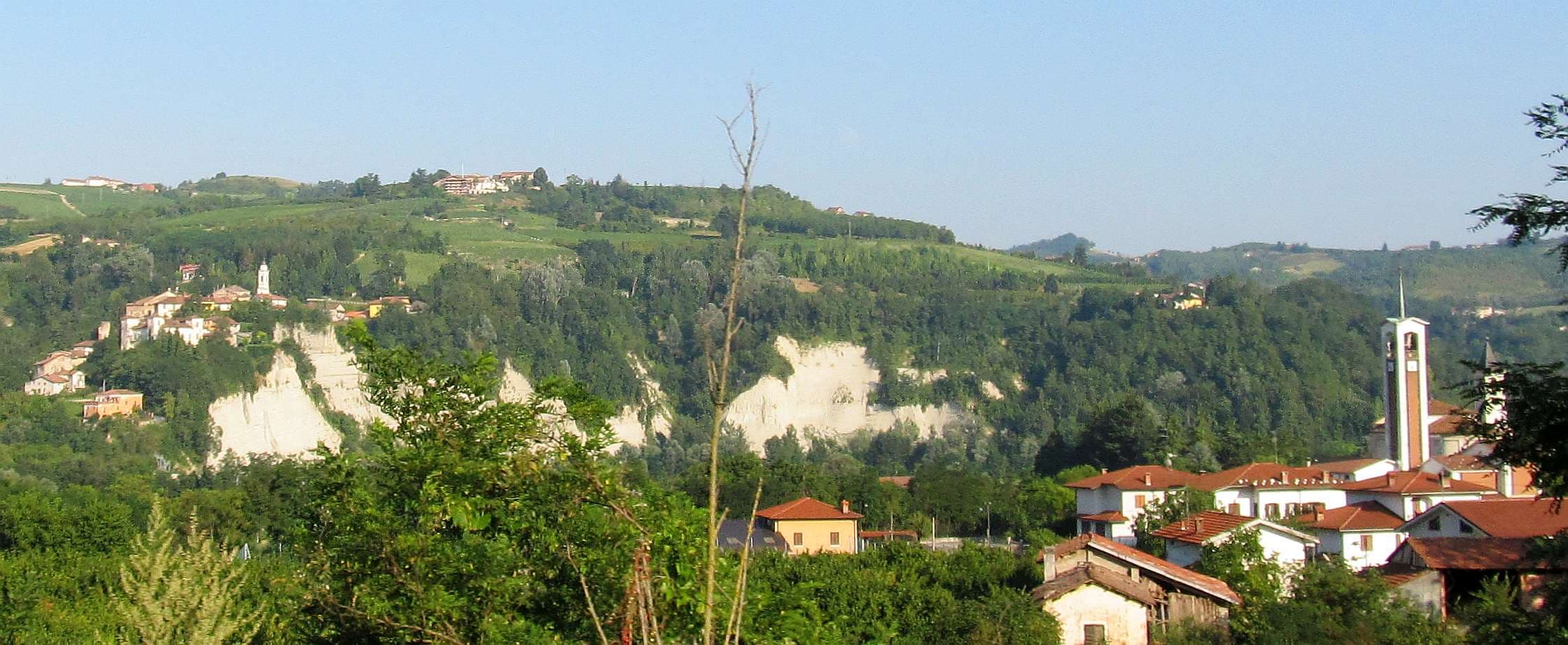
The Langhe in southern Piedmont is the heartland of agnolotti del plin. These hills are famous for their vineyards, which produce some of Italy's great red wines, and for white truffles, but they also have a strong tradition of hearty country cooking. The Monferrato hills to the north-east share similar culinary habits and claim the dish just as proudly.
Villages in both areas have kept the tradition alive through generations of home cooks and local trattorias, where the pasta is often made fresh daily. The dish is now found across Piedmont, from Turin's restaurants to country inns, but it remains most at home in these hills.
The landscape shapes the ingredients. Local farms supply the veal, pork and rabbit, and cabbage grows well in the cool winters of the Langhe.
Curious facts
- The pinch is essential. The plin should be clearly visible on every piece; it is what distinguishes these from other Piedmontese agnolotti, which are larger and square.
- A dish of thrift. The filling was a way to make the most of a roast, yet it has become a celebrated dish served in some of Piedmont's finest restaurants.
- Three serving styles. Roast juices, butter and sage, or plain al tovagliolo, the last being a test of the filling's quality.
- Regional roots. The dish belongs to the Langhe and Monferrato, though similar small stuffed pastas exist elsewhere in Italy.
- The wheel mark. The fluted wheel leaves crimped edges on each piece, adding texture alongside the pinch.
Where to try it
To experience agnolotti del plin as intended, the best choice is a trattoria in the Langhe or Monferrato, or a farmhouse kitchen in the hills, where the pasta is made fresh and the filling reflects the roast of the day.
A typical meal sees the agnolotti served as a first course, with sugo d'arrosto or butter and sage, and a glass of local Dolcetto or Barbera alongside. The dish is best enjoyed slowly, allowing the delicate pasta and rich filling to be savoured.
Where to try it
2 destinations
 Wine Tasting
Albugnano
Hilltop Monferrato village with panoramic views and Nebbiolo vineyards.
Wine Tasting Wine Tasting
Cascina Vallazza
Wine estate area in Langhe with traditional cascina architecture and vineyards.
Wine Tasting
1 region
 Agritourism31 destinations
Piedmont
Piedmont is the second-largest region in Italy, bordered by the Alps to the north and characterized by its rich culinary and viticultural heritage. The region is famous for Barolo and Barbaresco wines, produced in the rolling hills of Langhe, a UNESCO World Heritage site. Turin, the capital, is known for its elegant architecture and historical cafes, while smaller towns like Alba and Asti offer vibrant local markets and truffle festivals. The region also boasts stunning landscapes, from the serene lakes of Orta and Maggiore to the majestic mountains. Its historical significance includes being the birthplace of the Italian unification. Authentic experiences can be found in local agriturismos and family-run osterias, away from typical tourist paths.
AgritourismWine TastingCastlesHiking