Aceto balsamico tradizionale di Modena
Syrupy vinegar aged twelve years or more in wooden barrels in Emilia-Romagna
- Vegetarian

- Local name
- Aceto balsamico tradizionale di Modena
- Served with
- Parmigiano, strawberries
- Best eaten at
- A Modena acetaia
What it is
Aceto balsamico tradizionale di Modena is a dark, viscous liquid that has been transformed over many years into something closer to a concentrated fruit syrup than a simple vinegar. It comes from the province of Modena in Emilia-Romagna, where families have preserved the method for centuries, and it is protected as a DOP (PDO). It is not made from wine but from the cooked must of local grapes, chiefly Lambrusco and Trebbiano, with Ancellotta, Sauvignon, Sgavetta, Berzemino and Occhio di Gatta also permitted.
The defining characteristic of this traditional vinegar is its longevity. It begins as grape must that is cooked down in open vessels until it is reduced and concentrated. This cooked must then undergoes a slow alcoholic and acetic fermentation and ages for a minimum of twelve years; vinegar labelled extravecchio has been aged for at least twenty-five. During this long maturation, the liquid moves through a batteria, a set of wooden barrels of decreasing size made from different woods such as oak, chestnut, cherry, juniper, mulberry and ash. Each year, a small amount is drawn from the smallest barrel, which is topped up from the next barrel up the series, and so on, so that older vinegar is continually refreshed with younger.
It is crucial to distinguish this protected product from the common Aceto Balsamico di Modena IGP found in supermarkets. The latter is made from wine vinegar and cooked or concentrated must, may contain up to 2% caramel, and can be sold after just 60 days of ageing. The traditional version is 100% cooked must, with no additives. It is sold in a distinctive bulbous 100ml bottle designed by Giorgetto Giugiaro, with a numbered seal controlled by the Consorzio.
How it is made
The process relies on the slow interaction between the cooked must and the wooden barrels over many years. Once the grapes are harvested, the must is cooked until it reaches a concentrated, syrupy consistency before fermentation begins. It then enters the batteria, a row of barrels arranged by size, each wood imparting its own subtle character.
Over time, evaporation through the porous wood concentrates the liquid further while it absorbs aromas from the casks. The barrels are traditionally kept in lofts, exposed to the hot summers and cold winters of the Po plain. Each year, the producer draws off a little from the smallest barrel and tops up each cask from the next larger one, a practice known as rincalzo. The final product is therefore a blend of many years, never a single vintage. Nothing is added: no water, sugar or flavourings. The result is dark, glossy and thick enough to coat the back of a spoon.
Before it can carry the name, every batch must pass an organoleptic examination by a panel of expert tasters.
What goes into it
There is only one ingredient in the traditional product:
- Cooked grape must from grapes grown in the province of Modena.
The vinegar does not contain wine vinegar as a separate ingredient; it is the must itself that has undergone fermentation, acetification and concentration. The wooden barrels play an active role in the transformation, each type of cask contributing its own notes to the evolving taste.
How it is eaten
This vinegar is treated with great care. It is rarely cooked, since heat would dull its complexity, and is never wasted on an everyday salad dressing. Instead, it is used in drops. A classic way to experience its full depth is on a sliver of Parmigiano Reggiano, where the savoury cheese meets the sweet-sour notes of the vinegar. It is also served with fresh strawberries, and a few drops can finish a risotto or a piece of grilled meat just before serving.
Because of its intense flavour, a little goes a long way, and the oldest vinegars are often tasted on their own from a small spoon.
The acetaia experience
The best place to understand this product is an acetaia, the vinegar loft where it is made. Many are small, family-run operations in the countryside and towns around Modena; Spilamberto is home to the Consorteria and a museum dedicated to the traditional vinegar. An acetaia is not a factory but a quiet space where barrels line the walls, and the air carries a faint scent of wood and fruit.
Visitors can see the batterie up close and learn how the barrels are arranged by size. Many acetaie offer tastings of vinegars of different ages, showing how the flavour evolves over time. It is a slow experience, matching the pace of the vinegar itself.
Curious facts
- The bottle is fixed. The traditional vinegar of Modena is sold in a distinctive 100ml bottle designed by Giorgetto Giugiaro, so it cannot be confused with other products.
- Two ages. Bottles are either affinato (at least twelve years) or extravecchio (at least twenty-five years).
- No additives allowed. The traditional version contains no caramel colouring, no sugar and no thickeners; its viscosity comes solely from cooking, evaporation and time.
- Wood matters. A batteria combines barrels of different woods, such as oak, chestnut, cherry or juniper, each contributing its own aromatic notes.
- A tasting panel decides. Every batch is judged by expert tasters before it can be bottled under the name.
- Family tradition. Many acetaie are run by families who pass down their batterie and the knowledge of tending them from one generation to the next.
Where to try it
The most rewarding experience is a visit to an acetaia in the province of Modena, where tastings often range from twelve-year-old to twenty-five-year-old vinegars. High-quality traditional balsamic can also be found in specialist food shops in Modena itself, where staff can explain the differences between ages and producers.
Tasting the vinegar on its own, from a small spoon, is the best way to appreciate its texture before deciding how much to buy. The slow pace of the region matches the slow creation of the vinegar, and a visit to an acetaia offers a genuine insight into the culinary heritage of Emilia-Romagna.
Where to try it
1 destination
 Wine Tasting
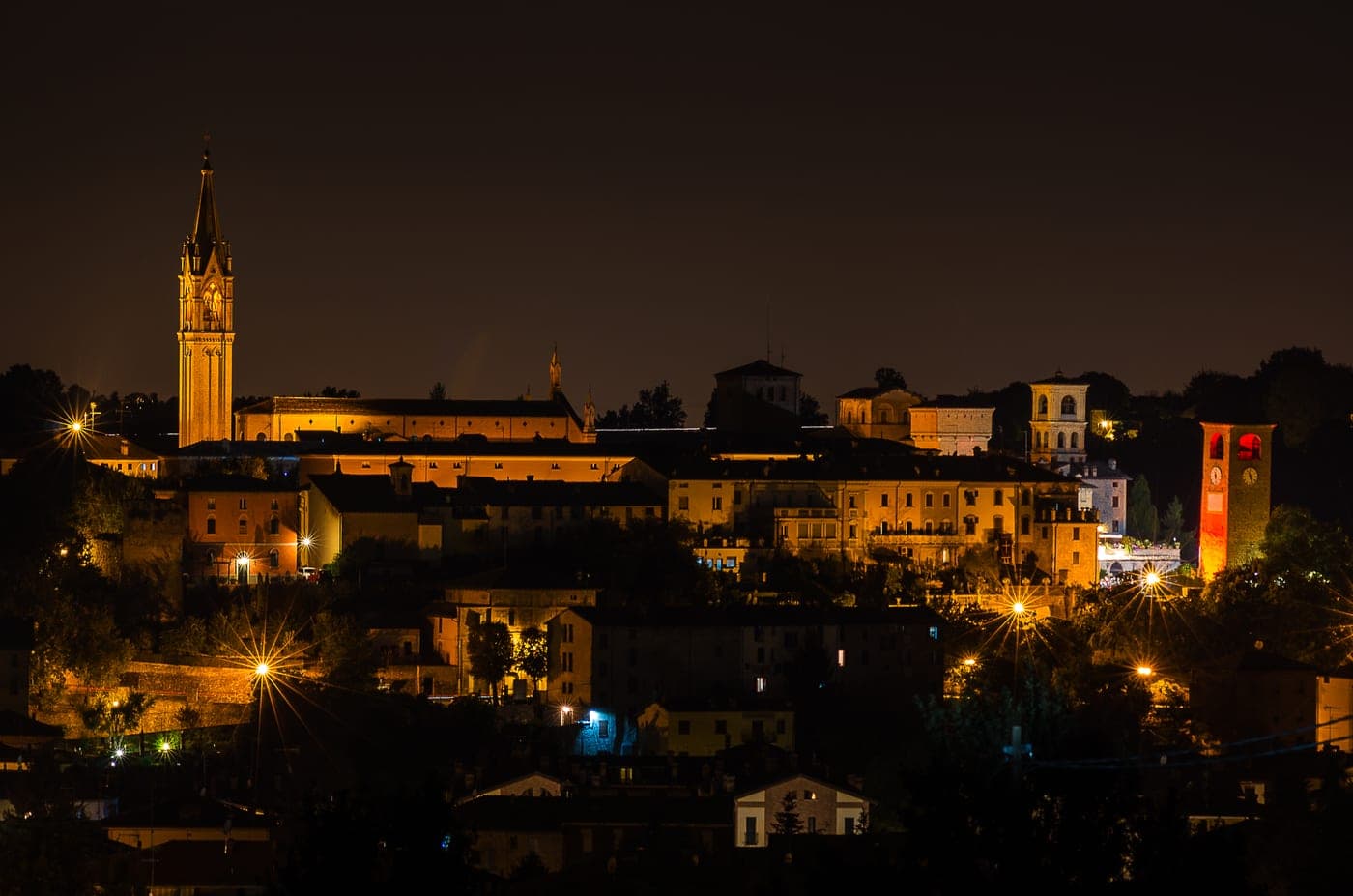
Castelvetro di Modena
Medieval hilltop town famous for Lambrusco Grasparossa sparkling wine.
Wine TastingHiking
1 region
 Wine Tasting9 destinations
Emilia-Romagna
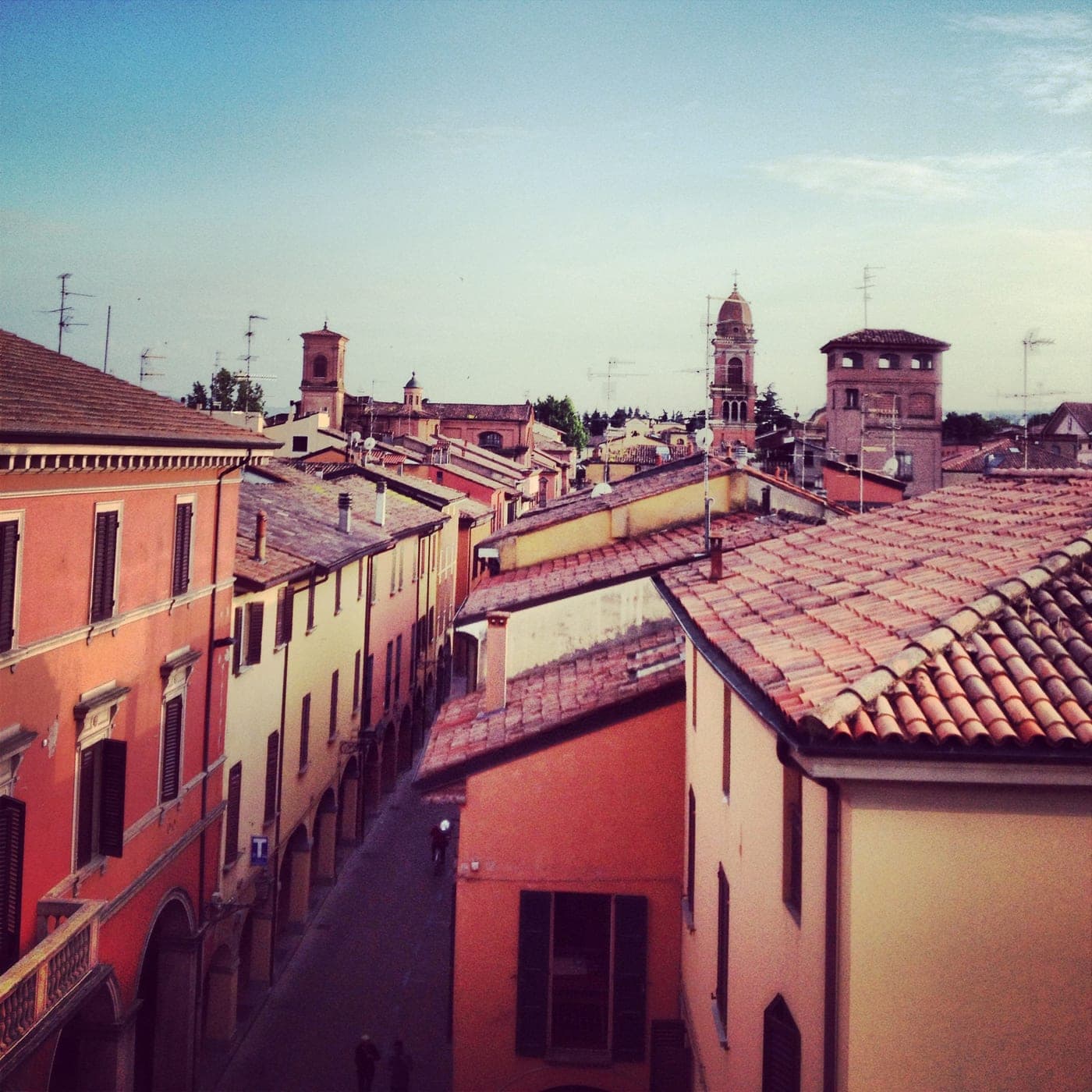
This region in Italy is renowned for its diverse landscapes, ranging from the Apennine Mountains to the Adriatic coastline. It is the only Italian region with a significant stretch of coastline, featuring vibrant seaside towns like Rimini. Bologna, the capital, is famous for its medieval architecture and culinary heritage, being the birthplace of tagliatelle al ragù. The region is also known for its rich history, with towns like Modena showcasing UNESCO-listed sites such as its cathedral and the renowned balsamic vinegar. Slow travelers can explore hidden gems like the medieval village of Dozza, known for its painted walls, or the thermal baths in Salsomaggiore Terme. Emilia-Romagna is the largest region in northern Italy, offering a blend of art, culture, and gastronomy that invites deeper exploration.
Wine TastingHikingCamper Van RentalsLocal Cuisine