Pizzoccheri
Buckwheat ribbons with potatoes, cabbage and mountain cheese
- Local name
- Pizzoccheri
- Best eaten at
- A Teglio trattoria or a Valposchiavo restaurant
- Pairs with
- Valtellina Superiore (Nebbiolo)
What it is
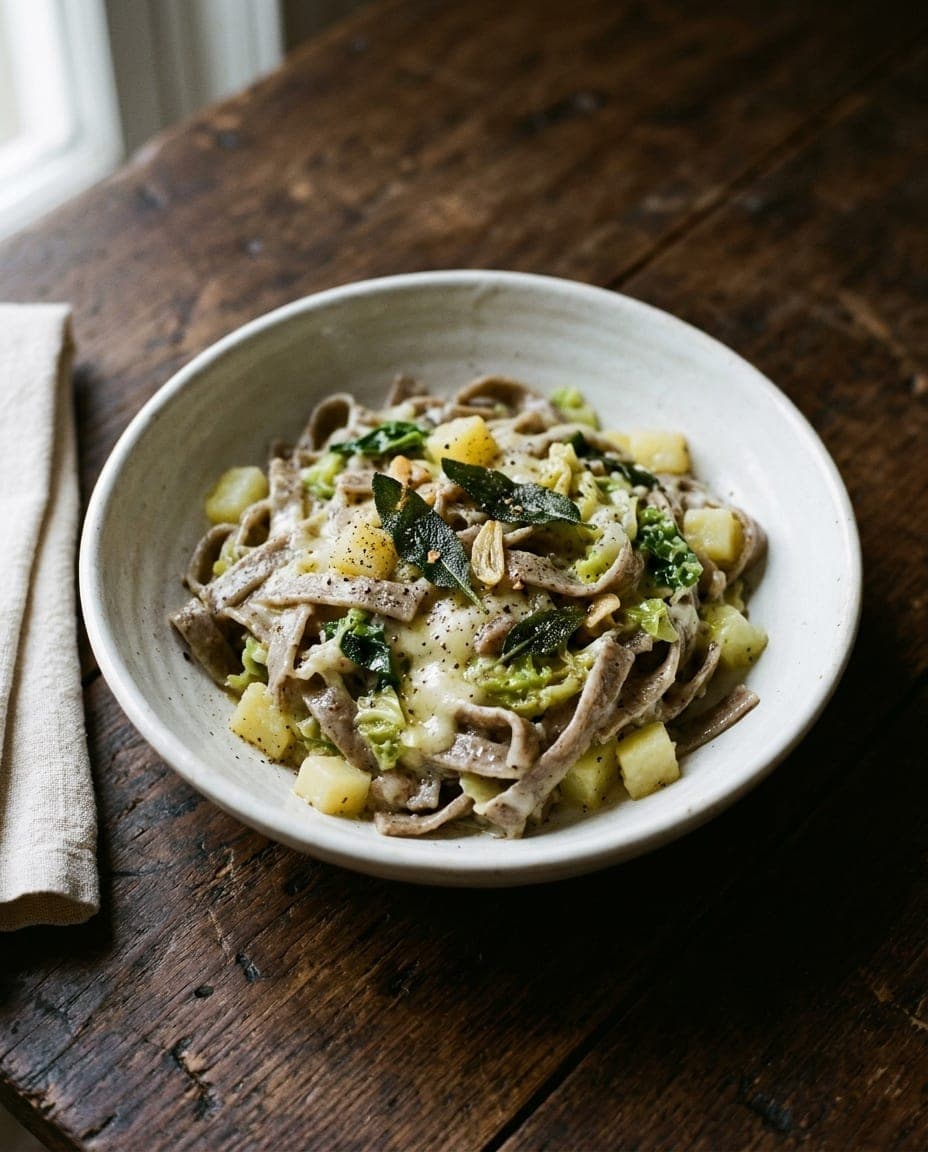
Pizzoccheri are short, flat ribbons of pasta made largely from buckwheat flour with some wheat flour, cooked with chunks of potato and savoy cabbage or chard, layered with mountain cheese and finished with butter fried with garlic and sage. They are the defining dish of the Valtellina valley in Lombardy, and equally at home just across the border in the Swiss Valposchiavo, in Graubünden.
The ribbons are dark grey-brown, with a coarse texture and a nutty flavour that sets them apart from wheat pasta. They hold their shape and keep a slight chew against the soft potatoes and wilted greens, while the cheese softens between the layers and binds everything together. This is not a light starter but a dense, earthy meal built for cold weather and long days outdoors.
The valleys that feed it
The Valtellina runs east from the northern tip of Lake Como into the Alps, a valley of steep slopes and a short growing season. Buckwheat was the answer to that geography. It is not a true grain but a seed, related to rhubarb, that ripens quickly in the brief summer and tolerates poor, cool ground where wheat struggles. For centuries the people of these valleys relied on it for bread and pasta. The origin of the name, pizzòcher in the local Lombard dialect, is uncertain.
Teglio, a village on the sunny slopes of the central valley, claims to be the birthplace of pizzoccheri, and its Accademia del Pizzocchero guards the traditional recipe. Since 2016 the pasta has carried a protected geographical indication (PGI) as Pizzoccheri della Valtellina: only pasta made in the province of Sondrio to the agreed method can bear the name. The PGI rules require at least 20 per cent buckwheat flour, but the traditional Teglio recipe uses roughly four parts buckwheat to one part wheat, making a dough that is dark and fragile.
The dish has never stopped at the border. The Valposchiavo is a side valley that opens directly onto the Valtellina at Tirano, and culinary traditions have always flowed across the passes. The exact origin date and village of first creation remain undocumented, but the recipe has long been a constant of winter meals on the Swiss side too. In the 20th century buckwheat almost disappeared from Valposchiavo as imported grain became cheaper. In recent years a local farmers' cooperative has encouraged farmers to plant it again, and part of the harvest is stone-ground at the old mill in San Carlo, above Poschiavo, so that some kitchens now cook pizzoccheri with flour grown a few kilometres away.
How it is made
The potatoes and the cabbage or chard go into a large pot of salted boiling water first, followed a few minutes later by the pasta, so that everything finishes together, about ten minutes in all. Once tender, it is drained but not rinsed, keeping the surface starch that helps bind the dish.
Assembly happens in a warmed serving dish. A layer of pasta and vegetables goes in first, then pieces of cheese, usually with some grated hard cheese, repeated until the dish is full. Finally butter is heated until it foams, garlic and sage leaves are fried in it until fragrant, and the hot butter is poured over the whole stack, melting the cheese and coating every ribbon and leaf. Many cooks use sage; some recipes use garlic alone.
What goes into it
- Buckwheat flour, the bulk of the dough, giving the pasta its colour and nutty flavour; about 80 per cent in the traditional Teglio mix.
- Wheat flour, making up the rest for structure.
- Potatoes, cut into chunks that soften during boiling.
- Savoy cabbage, cabbage or chard, boiled until tender; their slightly bitter taste holds against the butter.
- Cheese: in the Valtellina, Valtellina Casera, a semi-hard cheese of partly skimmed cow's milk from the province of Sondrio; in Valposchiavo, often a local semi-hard mountain cheese.
- Butter, garlic and sage, fried together for the finishing sauce.
How to eat it
Pizzoccheri are a main course, at lunch or dinner, above all in the colder months. The dish is often brought to the table in a large serving vessel from which everyone takes a portion, and the layers are mixed so that each bite holds all the elements. A plate of pickles or a sharp salad sometimes comes with it.
The usual glass is a Valtellina red made from Nebbiolo, known locally as Chiavennasca, grown on the steep terraces of the valley; Valtellina Superiore is the standard companion. Its tannins and acidity cut the fat of the cheese and butter. A beer does the same job less elegantly.
Curious facts
- Cross-border cousins. Valposchiavo makes its own buckwheat pizzoccheri, while in the nearby Valchiavenna the name is given to small dumplings (gnocchetti) rather than ribbons.
- A fragile pasta. With so much buckwheat, traditional pizzoccheri are more brittle than wheat pasta and can break if handled roughly.
- The cheese guardian. Valtellina Casera has been a protected designation of origin (PDO) since 1996.
- Winter fuel. Many places keep it on the menu all year, but it is in the colder months that it comes into its own.
Where to try it
Teglio is the natural first stop, and nearby towns of the central Valtellina such as Tirano and Chiuro have small family-run restaurants and trattorias serving the dish daily. Another characteristic setting is the crotto, a cool natural cellar dug into the mountainside, traditionally used to store wine, cheese and cured meats; many crotti in the Valtellina and the neighbouring Valchiavenna have become rustic places to eat.
Across the border, the Bernina railway runs down the Valposchiavo from the pass through Alp Grüm and Le Prese to Tirano, and restaurants along it serve the dish through the winter. The valley runs a local label, 100% Valposchiavo, for food grown and made inside it, and kitchens that take part often say so on the menu. In summer the dish comes off the board in some places, a fair indication of how heavy it is.
Where to try it
5 destinations
 Panoramic Trains
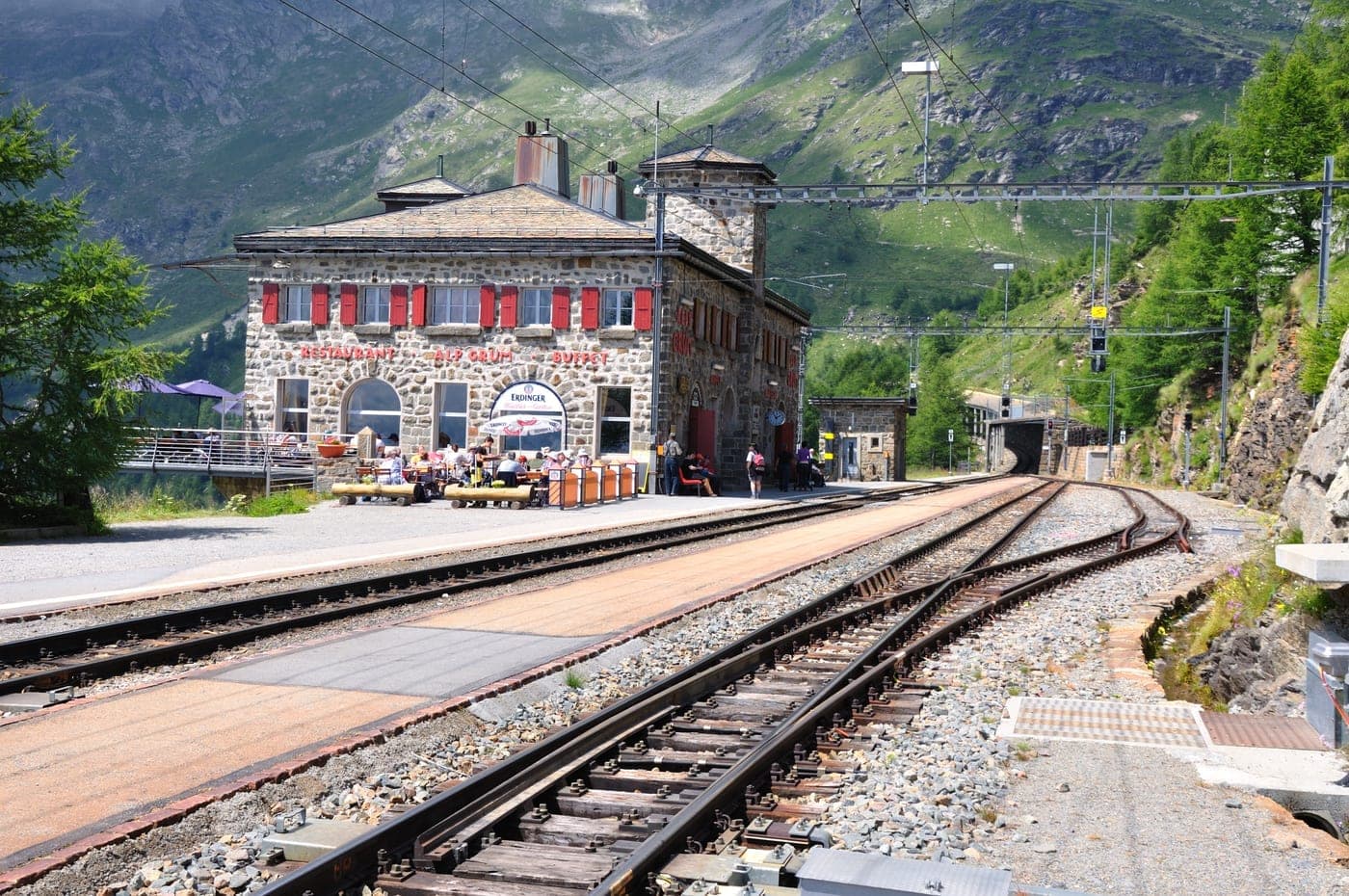
Alp Grüm
Remote mountain station with spectacular views down to Val Poschiavo and Palü Glacier
Panoramic TrainsHiking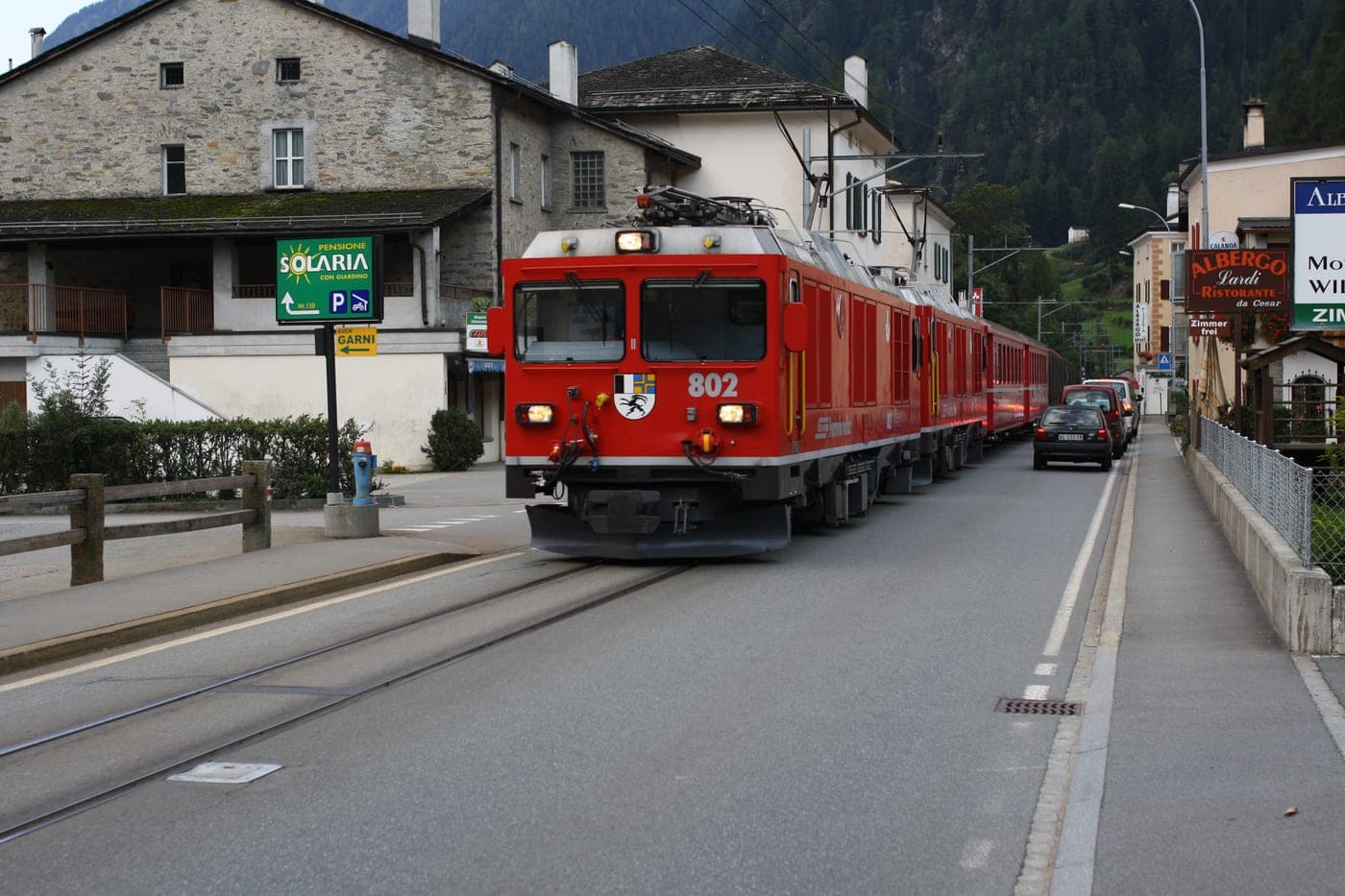 Panoramic Trains
Le Prese
Peaceful lakeside village on Lago di Poschiavo with beaches and mountain views
Panoramic TrainsHiking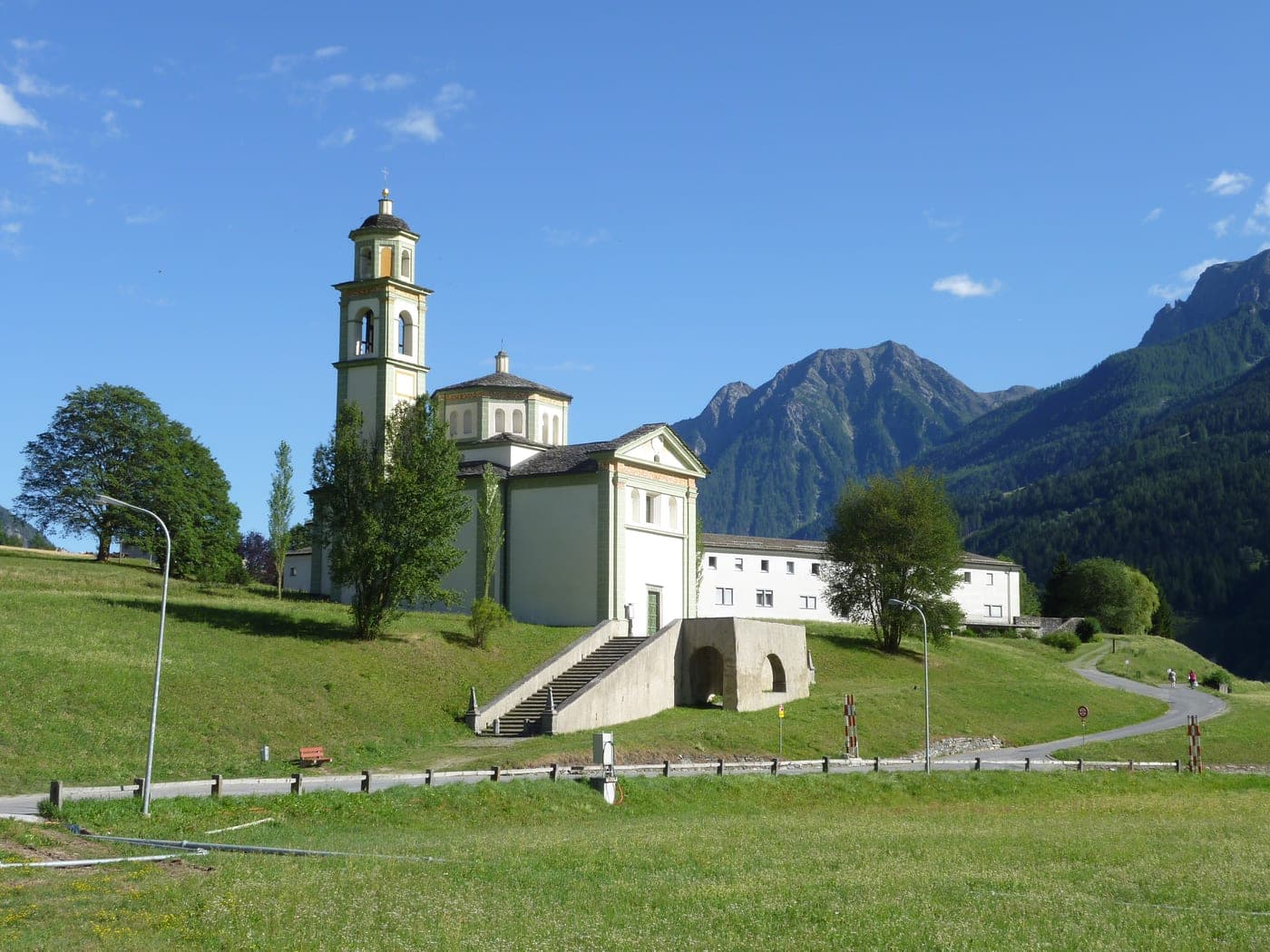 Panoramic Trains
Poschiavo
Italian-speaking Swiss town with baroque churches, historic center, and Mediterranean atmosphere
Panoramic TrainsHiking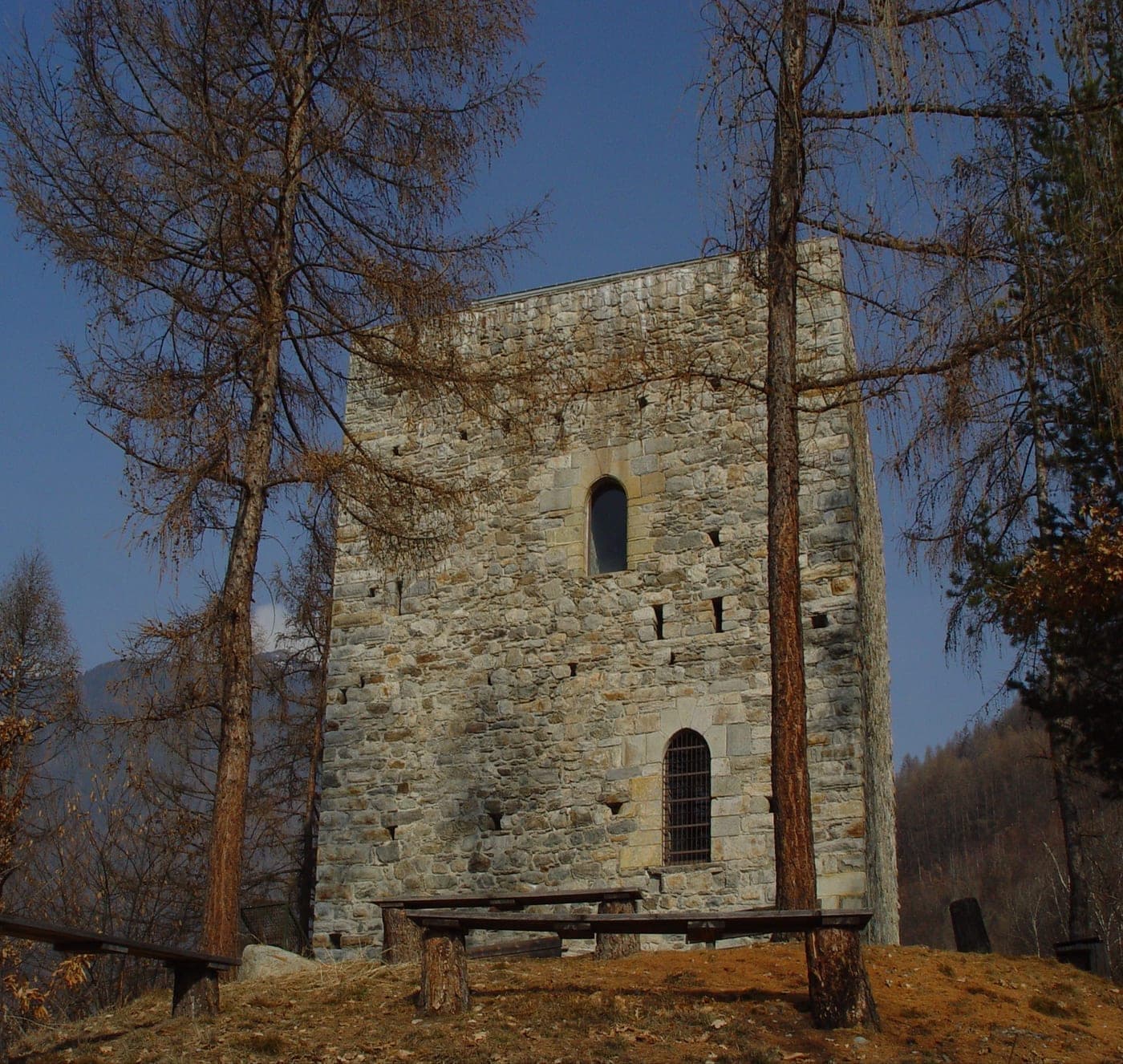
 Panoramic Trains
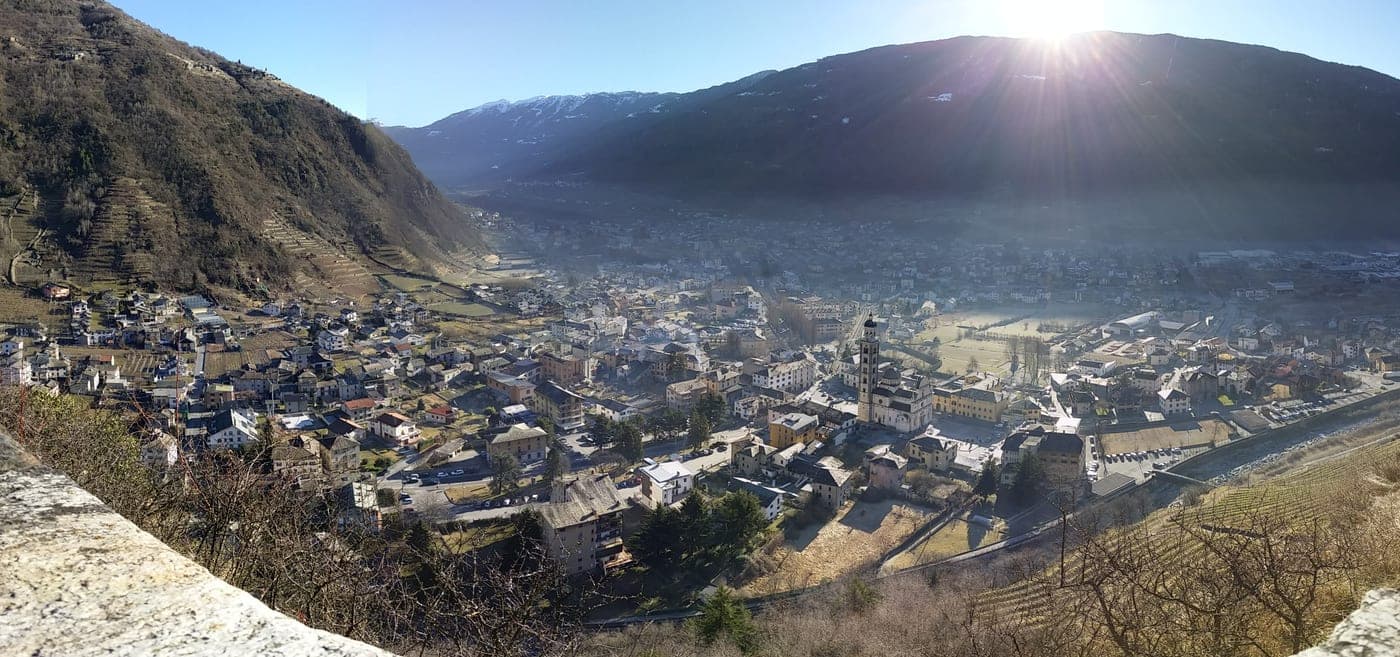
Tirano
Alpine town with pilgrimage sanctuary, terraced Nebbiolo vineyards.
Panoramic TrainsHiking
2 regions
 Panoramic Trains15 destinations
Graubünden
Graubünden is Switzerland's largest canton, known for its stunning alpine landscapes and unique cultural heritage. The region is famous for its diverse languages, with Romansh being one of the official languages. Notable cities include Chur, the oldest city in Switzerland, and the resort town of St. Moritz, renowned for winter sports and luxury. The area boasts the breathtaking Engadin Valley, home to picturesque villages like Sils and Maloja, and offers excellent hiking trails in the Swiss National Park. Graubünden is also known for its traditional cuisine, including hearty dishes like Capuns and Pizzoccheri, reflecting its rich agricultural roots. The region hosts lesser-known festivals that celebrate local traditions, adding to its authentic character.
Panoramic TrainsHiking Boat Rentals12 destinations
Lombardy
Lombardy runs from Alpine peaks in the north down to the flat rice fields of the Po valley in the south, and this range sits behind almost everything the region does well for slow travel. Milan anchors it as a capital of fashion and finance, but the quieter pace that draws travellers who like to slow down lives outside the city, spread across lake villages, hill towns, and wine roads that ring it on every side. Lombardy rewards a traveller who picks one valley, one lake shore, or one wine road and stays with it rather than trying to cover the whole region at once. Lake Como is one of Lombardy's most recognisable landscapes, its stone villages stacked against steep slopes and its old villas opening their gardens to the water. Bellagio, Varenna, and Menaggio each keep a small working harbour where boats still connect the shoreline settlements. Further east, the region also touches the western shore of Lake Garda, where towns like Sirmione sit on a narrow peninsula with Roman ruins at its tip, and Lake Iseo sits quieter still, ringed by Franciacorta's vineyards on one side and Monte Isola, the largest lake island in southern Europe, on the other. Between the lakes, the Brianza hills and the lower Alpine valleys hold smaller villages built around a single church square, a mill, or a market that still runs on its traditional day, largely untouched by the crowds that gather on the main lake shores in summer. Wine gives the region another rhythm, and Lombardy's wine roads are built for slow exploring rather than a single tasting stop. Franciacorta, in the hills east of Brescia, produces Italy's best-known sparkling wine made in the traditional method, and its cellars sit among vineyards that climb gently toward Lake Iseo, many open for visits by appointment. Further south, the Oltrepò Pavese hills near Pavia grow both still and sparkling wines on slopes that agriturismo farms have worked for generations, offering rooms and meals built around what the land produces that season. In the far north, the Valtellina valley grows Nebbiolo on narrow terraces held up by dry stone walls, alongside the mountain cheeses and cured meats the valley is known for; the Strada del Vino e dei Sapori della Valtellina links the terraced vineyards to the villages and cellars below them. The hill towns carry this same unhurried character. Bergamo's upper town, the Città Alta, sits behind a ring of stone walls built by Venice when the city belonged to its inland territories; inside them, narrow lanes lead to a Renaissance chapel and a quiet main square that empties out once the day-trippers head back down. Mantua, ringed by three artificial lakes, kept its Gonzaga-era palaces and squares largely intact and shares a joint UNESCO listing with the smaller fortress town of Sabbioneta, built from scratch as an ideal Renaissance city. Cremona, on the Po plain, has built violins since the Amati and Stradivari workshops opened there, and the craft continues in small workshops around its cathedral square. Pavia, a university town south of Milan, holds a Carthusian monastery on its outskirts whose carved marble façade is one of the region's finest. Smaller villages such as Clusone in the Val Seriana or Gromo, with its old ironworking streets, keep the same rhythm on a smaller scale, each built around a single square, a mill stream, or a covered market. Food ties all of this together, and it is where Lombardy's slow food traditions show clearest. The region cooks with butter and rice rather than the olive oil of the south: risotto alla milanese, coloured with saffron, is the signature dish, while polenta remains a staple in the mountain valleys, often served alongside stewed meat or local cheese. Grana Padano is made across much of the Po plain, and the mountain dairies of Valtellina produce their own aged cheeses, including Bitto and Casera. Markets in the smaller towns still run on a weekly schedule, selling produce grown within a short distance of the stall, and many agriturismo farms across Oltrepò Pavese and Franciacorta serve meals built entirely from what they grow or raise themselves. Landscape and table hold Lombardy together: a lake village built around its harbour, a wine road that climbs from valley floor to ridge line, a hill town that keeps its own pace once the tour groups leave. The towns and wine roads below each hold a different piece of this pattern, from the Renaissance squares of Mantua to the terraced vineyards of the Valtellina, and together they map out a version of Lombardy built for slow travel rather than a checklist of sights.
Boat RentalsWine TastingHikingCamper Van Rentals





