Steirisches Kürbiskernöl
The dark green oil Styria pours over everything cold
- Vegetarian
- Local name
- Steirisches Kürbiskernöl
- Served with
- Salads, eggs, vanilla ice cream
- Best eaten at
- A Styrian Buschenschank
What it is
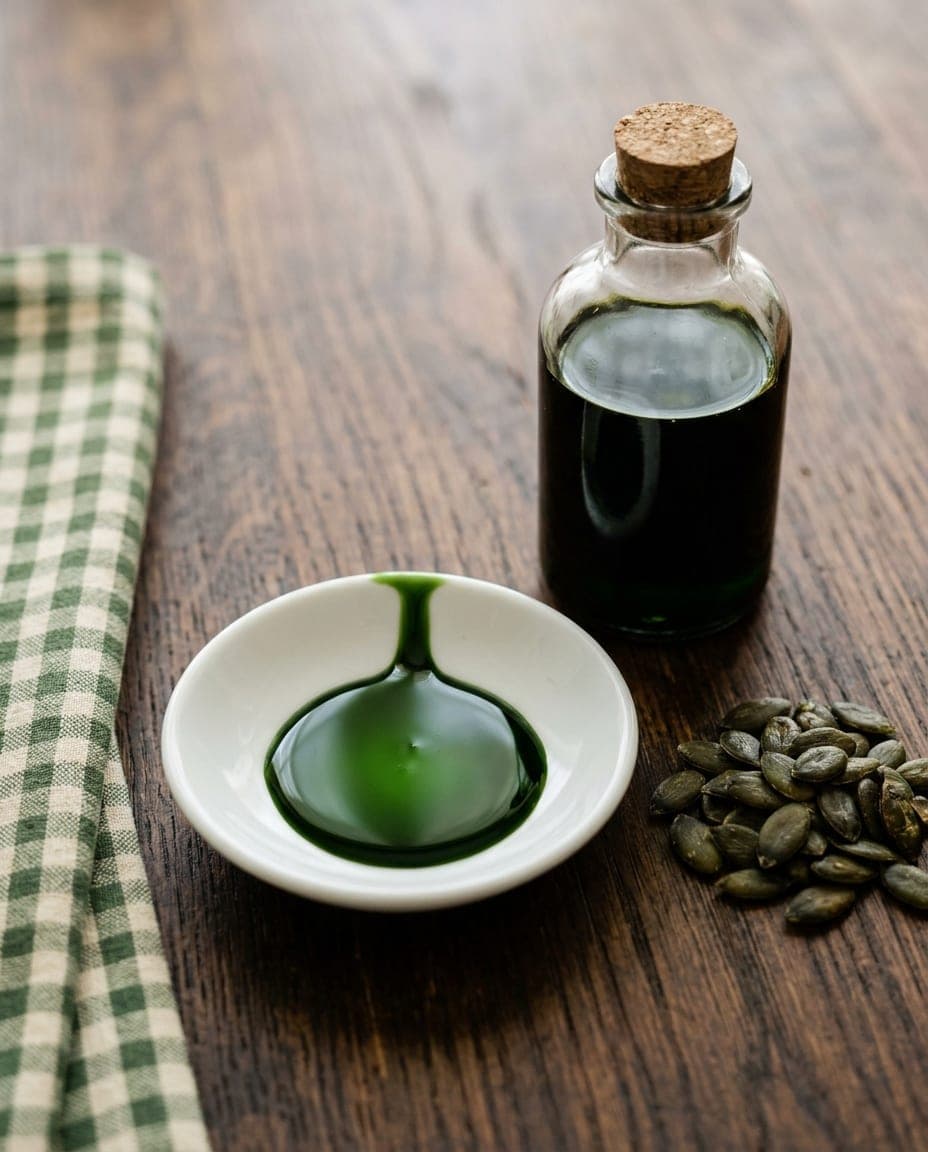
Steirisches Kürbiskernöl is pumpkin seed oil, and in Styria it is poured at the table the way olive oil is in Italy. It is not a cooking oil: it is pressed from roasted seeds, it is thick and almost black in the bottle, and it goes onto cold food and into soup off the heat.
The oil comes from a specific variety of pumpkin known locally as the Steirischer Ölkürbis, or Styrian oil pumpkin. Unlike common pumpkins, these fruits have seeds without a hard outer shell, a genetic mutation discovered on local farms in the late 19th century. The flesh of the pumpkin is generally not used for food; it is often discarded or fed to livestock. The value lies entirely in the seeds, which must be carefully roasted before being pressed.
The taste is strongly nutty, closer to toasted hazelnut than to anything vegetable, and it is never cooked with: heat destroys both the aroma and the colour. It goes into a warm soup off the heat, or over a cold potato salad. The name carries a protected geographical indication in the EU, so an oil sold as Steirisches Kürbiskernöl must be pressed from these seeds within a defined area of southern Styria and southern Burgenland, from pumpkins grown there or in parts of Lower Austria.
The history of the shell-less seed
The oil is older than the pumpkin it now comes from: it is recorded in Styria from the 1730s, pressed from seeds that had to be shelled by hand. Around 1880 Styrian farmers found pumpkins whose seeds had grown without the hard white husk, and those seeds could be pressed without the laborious shelling the old varieties demanded. That pumpkin became the region's crop.
Roasting is the other half. The seeds are dried and ground, then kneaded with water and salt and roasted in a stirred pan until the mass darkens; pressed raw, the same seeds give a pale yellow oil with none of the taste.
The arithmetic explains the price. Roughly two and a half to three kilos of seeds go into a litre of oil, which by common estimate is the yield of thirty or more pumpkins, and every one of them has to be harvested, opened and emptied before the seeds are washed, dried, roasted and pressed. A litre costs considerably more than a bottle of good olive oil, and is used by the spoonful.
There is nothing else in the bottle — no other oil, no additive — which is why a cheap blend under a similar name is a different product.
One peculiarity is worth watching for at the table. The oil is dichroic: a thin film on a spoon or smeared across a plate reads bright green, while the same oil in a thick pool looks dark red. It is an optical property of the oil rather than a test of quality or authenticity, but it is worth a look.
How it is eaten
Most often over a salad, poured at the table rather than mixed into a dressing, dark green against the leaves.
It goes into a bowl of clear soup or over boiled beef, onto scrambled eggs at the last second, and through a potato salad in place of some of the oil in the dressing. The pairing that surprises visitors is vanilla ice cream: a spoonful of the oil over a scoop of it, sometimes with roasted seeds scattered on top, is a common dessert in Styria and works for the same reason salted caramel does.
A warning that locals do not need: the oil stains cloth permanently. A dark spot on a white shirt from a Styrian lunch is not coming out.
Curious facts
- The seed has no shell. A 19th-century mutation on Styrian farms produced a pumpkin whose seeds have no hard husk, which is what made pressing them practical.
- It has two colours. A thin film of the oil looks green, a thick pool looks red — a property of the oil itself.
- No cooking allowed. The oil is never heated; it is only used as a finishing touch to preserve its delicate flavour and aroma.
- Stains permanently. The dark pigment in the oil will leave a lasting mark on fabric, making careful handling essential.
- Dozens of pumpkins to the litre. About two and a half to three kilos of seeds go into one litre of oil.
- The flesh is not eaten. The oil pumpkin is grown for its seeds; the flesh mostly goes back to the field or to livestock.
- It is protected. The name carries an EU protected geographical indication tied to the Styrian growing area.
Where to try it
The best place to taste Steirisches Kürbiskernöl is at a Buschenschank, a traditional farm wine tavern found throughout the Styrian countryside. These establishments are simple, often run by the same family for generations, and serve local wine alongside regional food. The oil is on restaurant tables in Graz too, but it is most at home in the rural setting where the pumpkins grow.
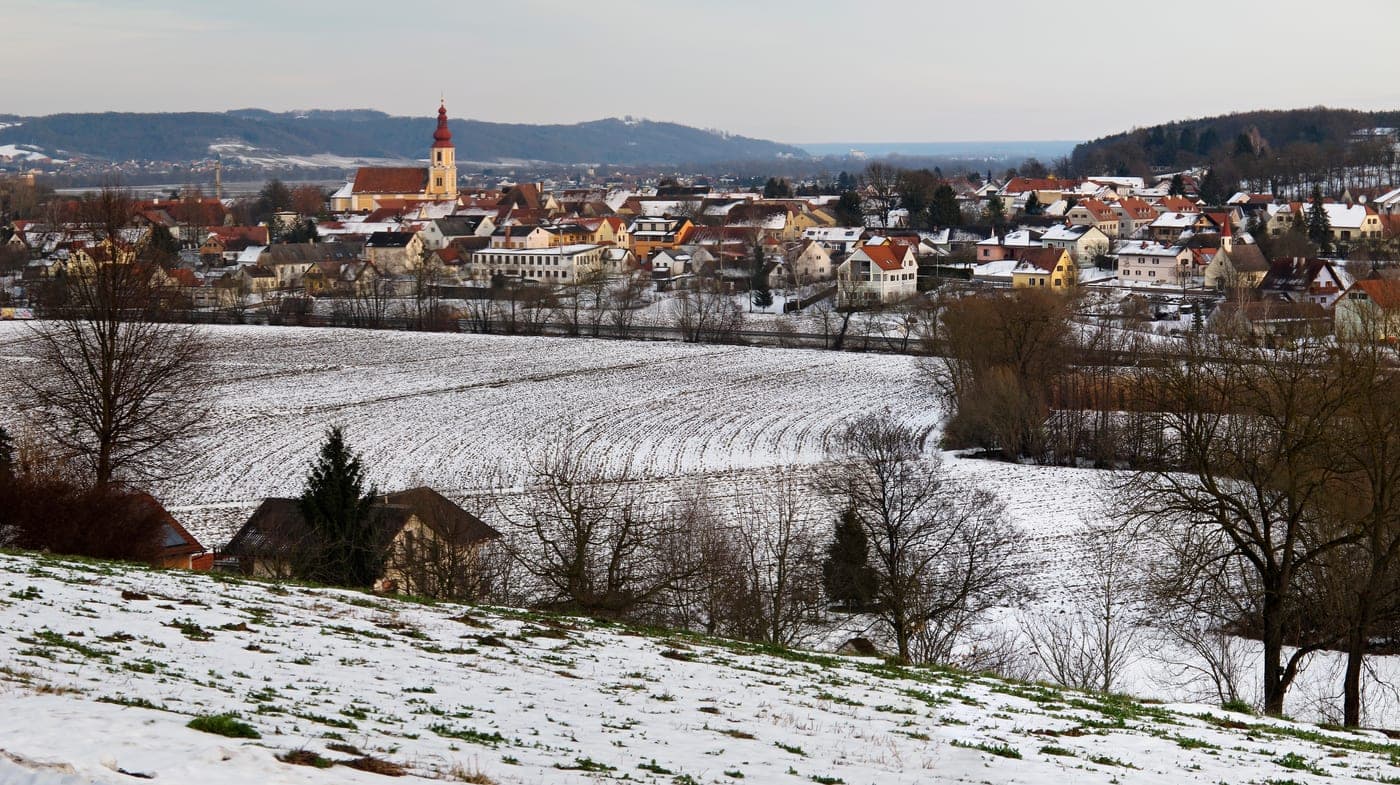
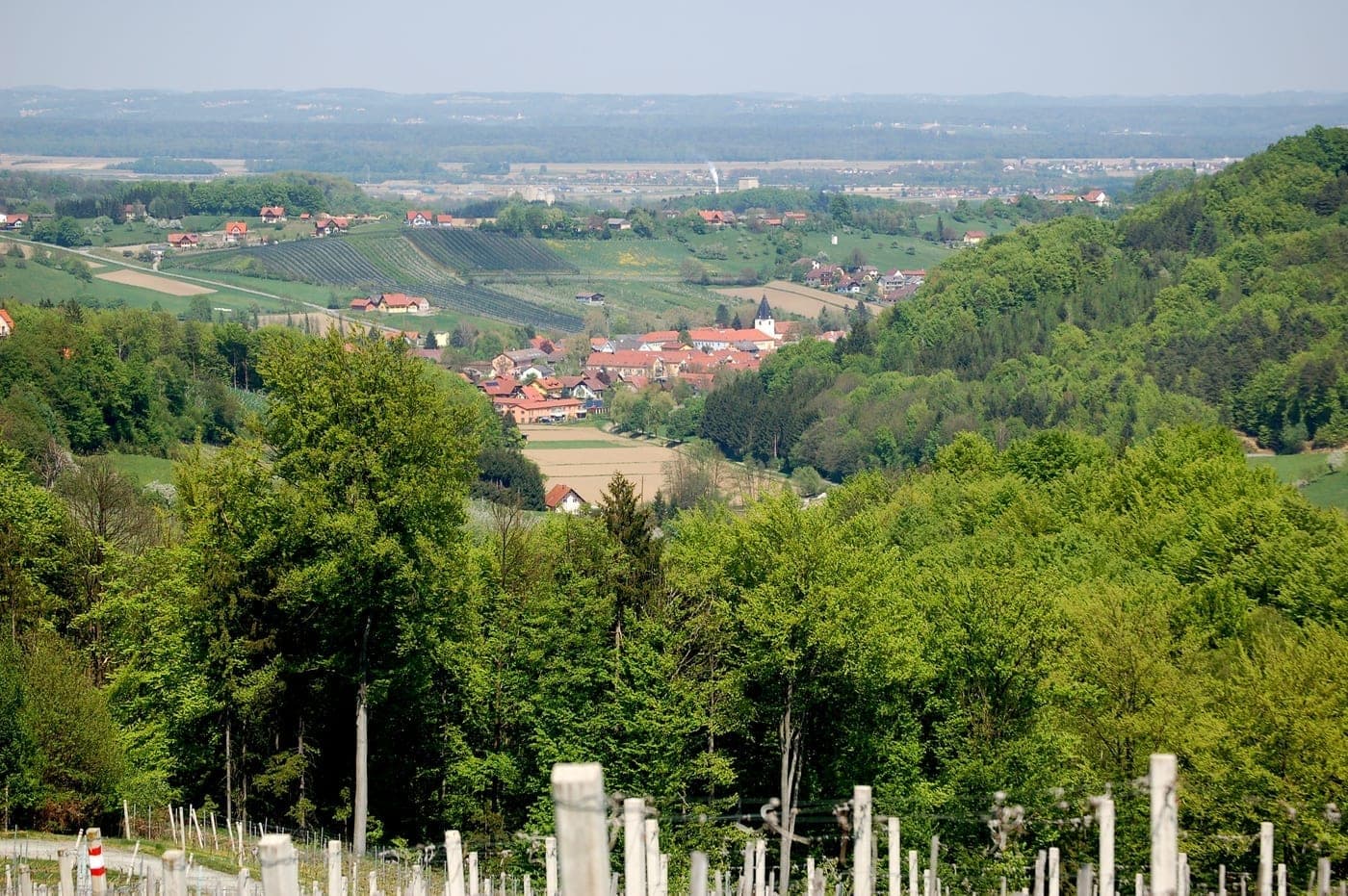
The pumpkin country is south and east of Graz — the countryside around Fehring, Fürstenfeld, Hartberg and Wildon among them — where the fields turn orange in September and the taverns sell the oil in small bottles beside the wine.
Autumn is the time to be there. The pumpkins are harvested from September, the pressing follows, and in a village with a mill the smell of roasting seeds is unmistakable for weeks. Some farms sell directly from the press; oil from the current year is greener and more aggressive than oil that has sat for a few months.
Where to try it
11 destinations
 Wine Tasting
Fehring
Charming town known for its thermal baths and local wine production.
Wine TastingHiking Wine Tasting
Fürstenfeld
Elegant market town with baroque architecture and Augustus Fountain.
Wine Tasting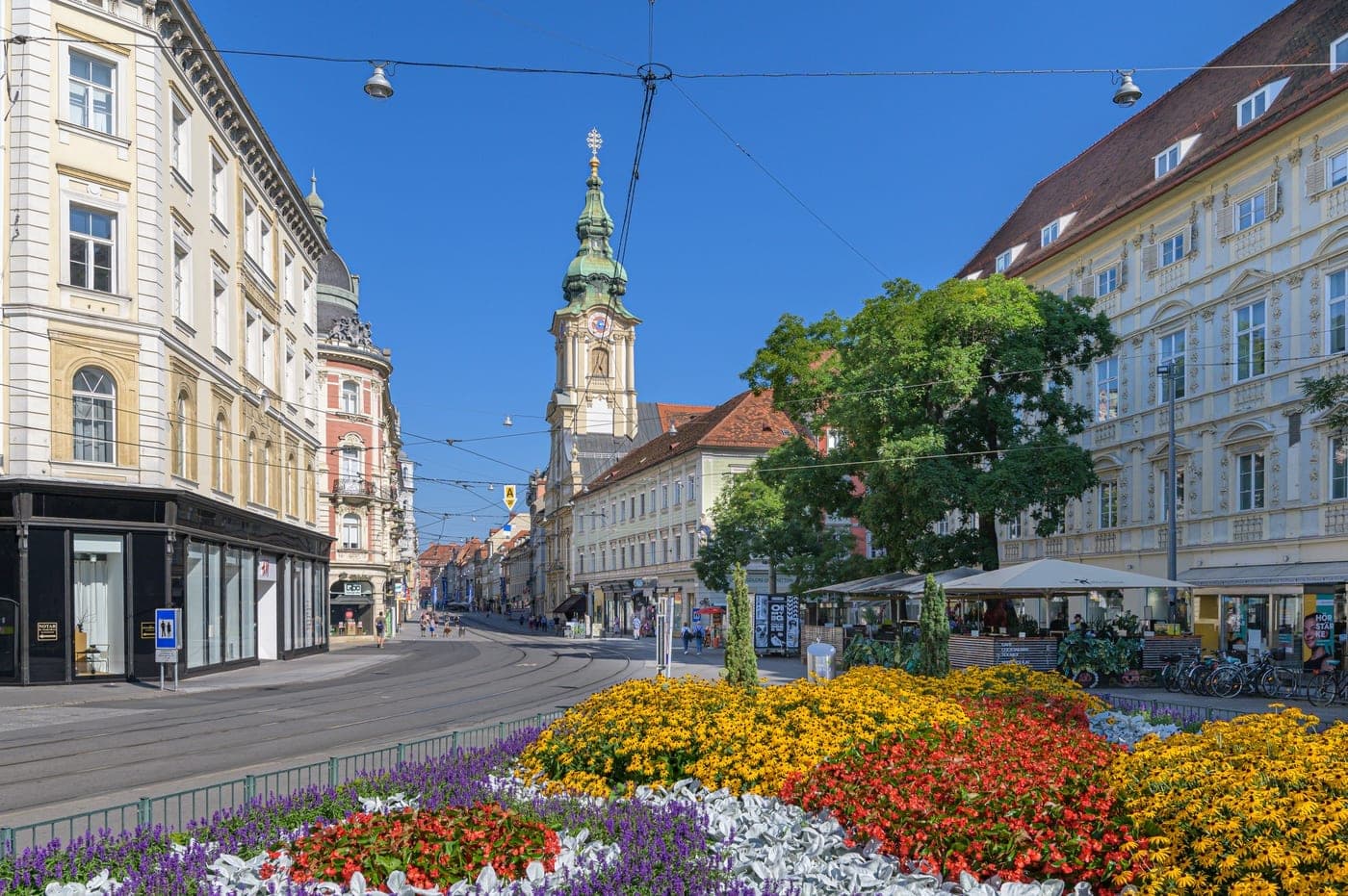 Camper Van Rentals
Graz
Historic city with a UNESCO-listed old town and vibrant culinary scene.
Camper Van RentalsHikingLocal Cuisine Wine Tasting
Großsteinbach
Charming village known for its traditional Styrian cuisine and rich vineyards.
Wine Tasting Wine Tasting
Großwilfersdorf
Village renowned for its traditional Styrian pumpkin seed oil.
Wine Tasting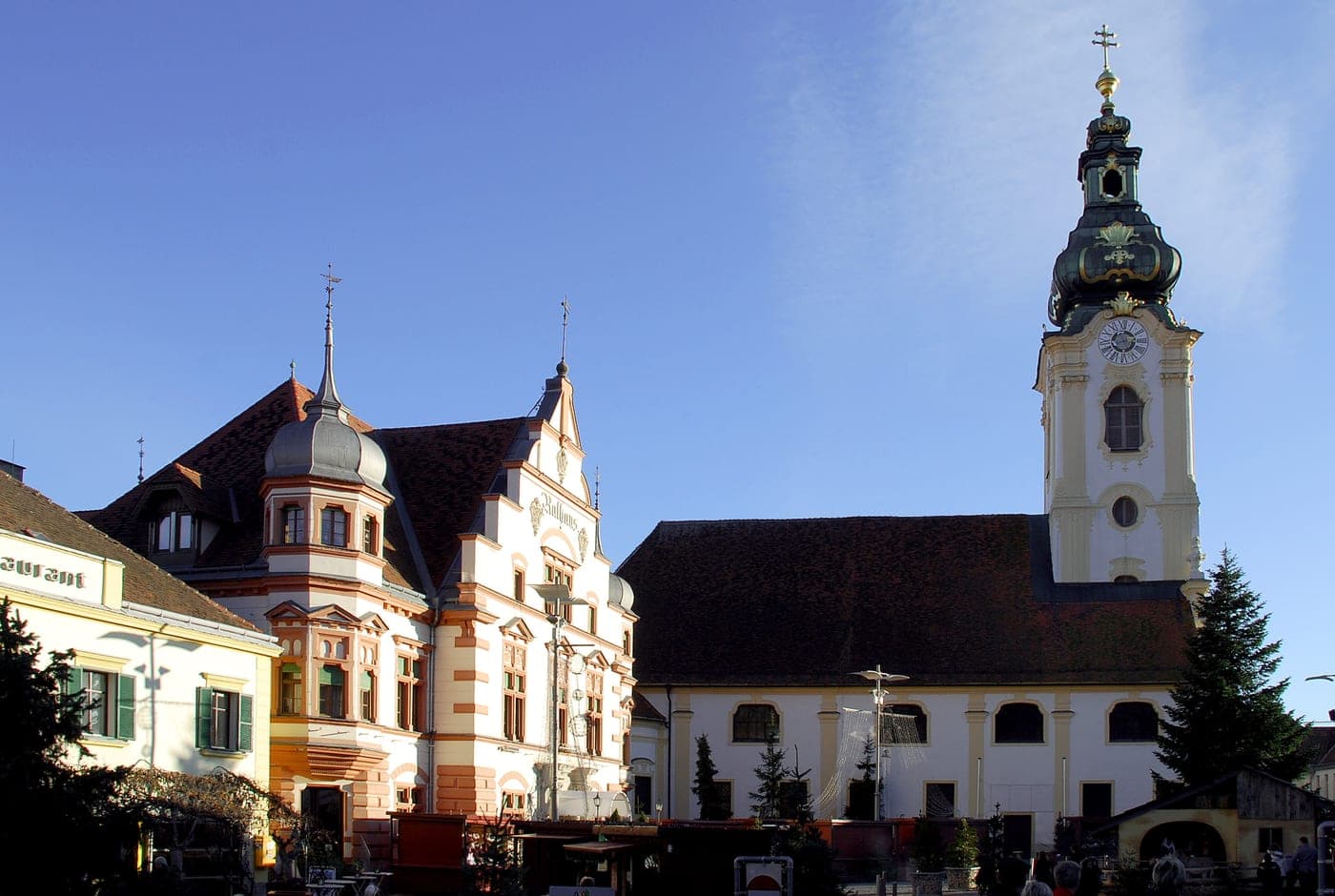 Wine Tasting
Hartberg
Medieval town with fortifications, baroque churches, and authentic village life.
Wine TastingHiking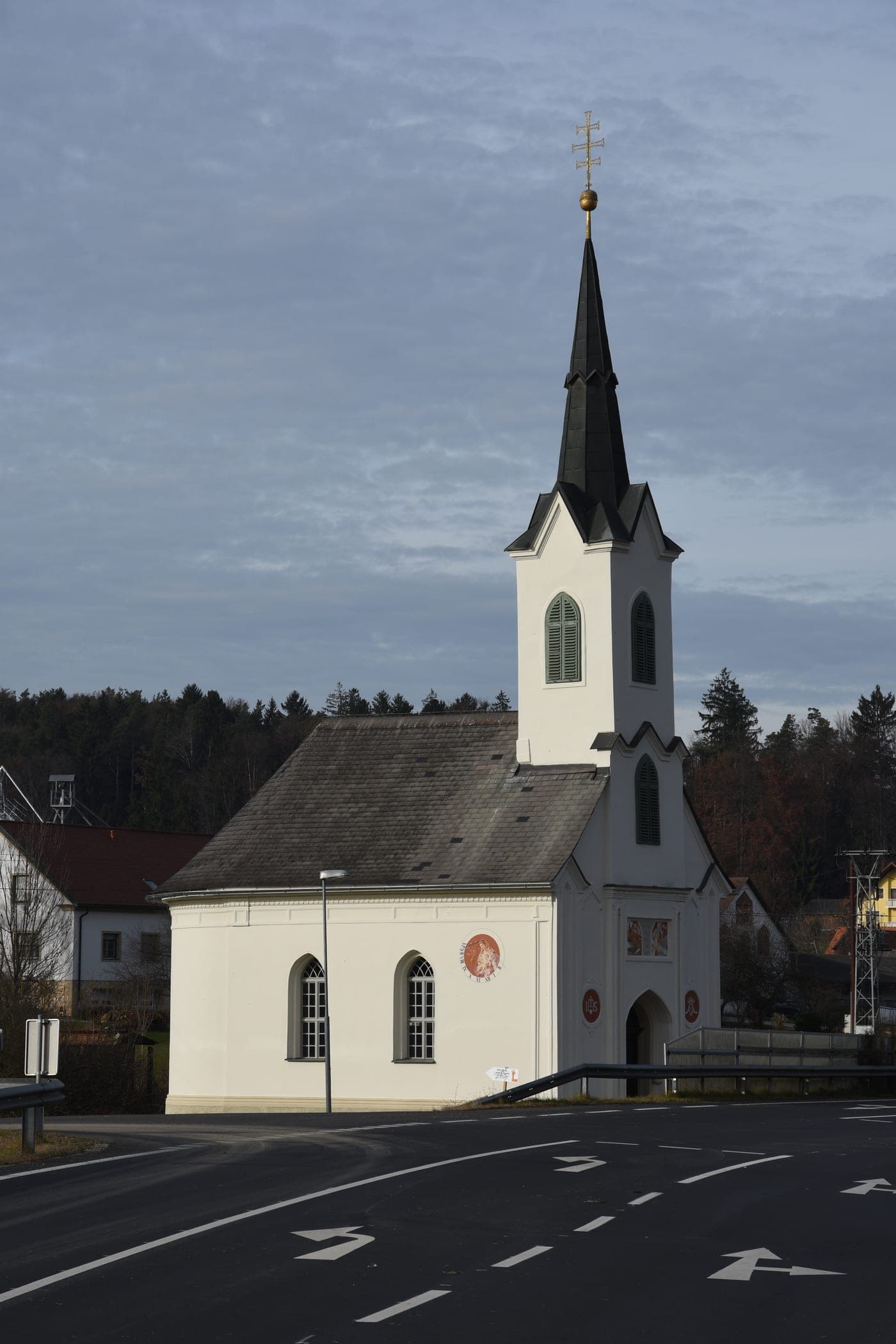 Wine Tasting
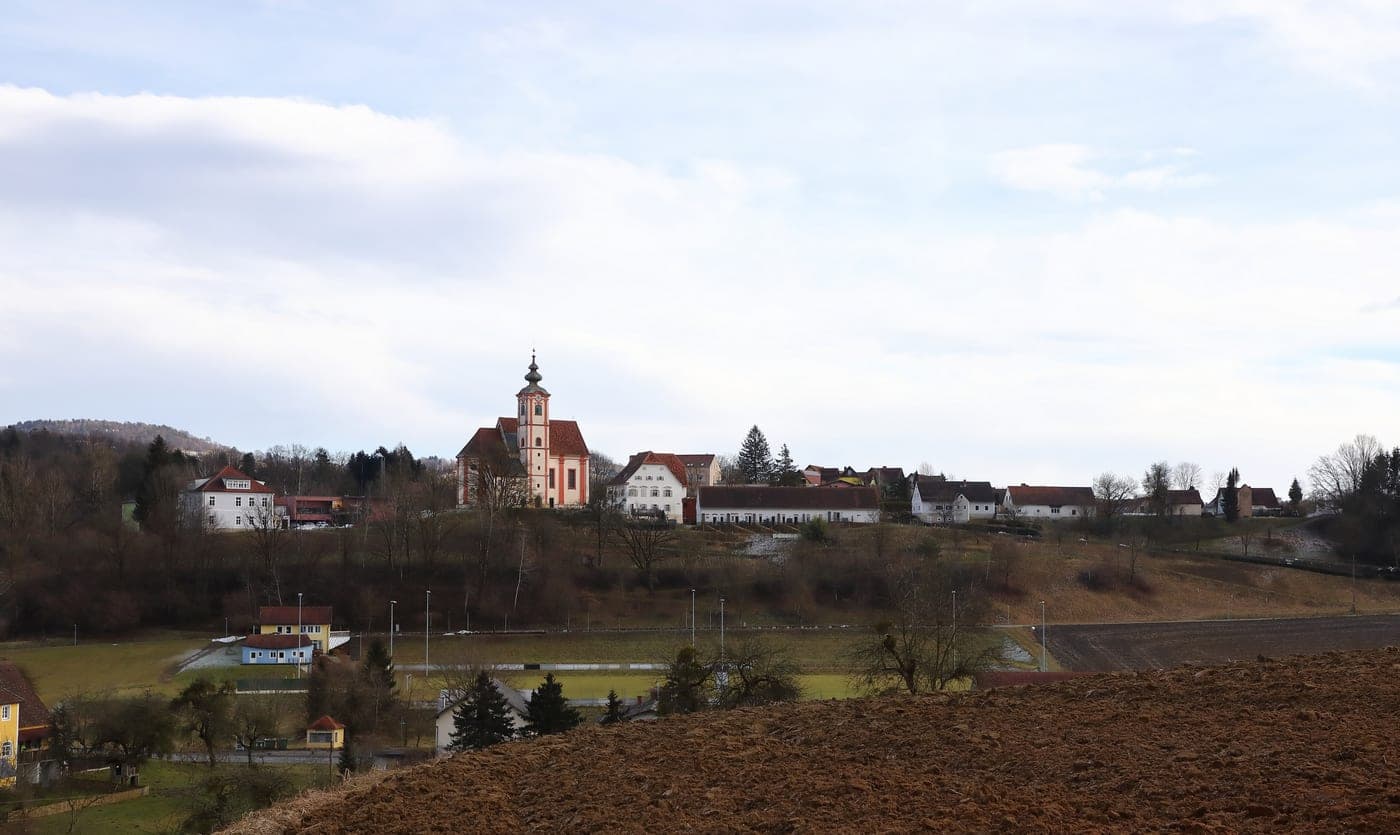
Kirchbach-Zerlach
Charming village known for its historic architecture and local wine production.
Wine TastingHiking
 Wine Tasting
Sankt Andrä-Höch
Village known for traditional Styrian pumpkin seed oil production.
Wine TastingHiking
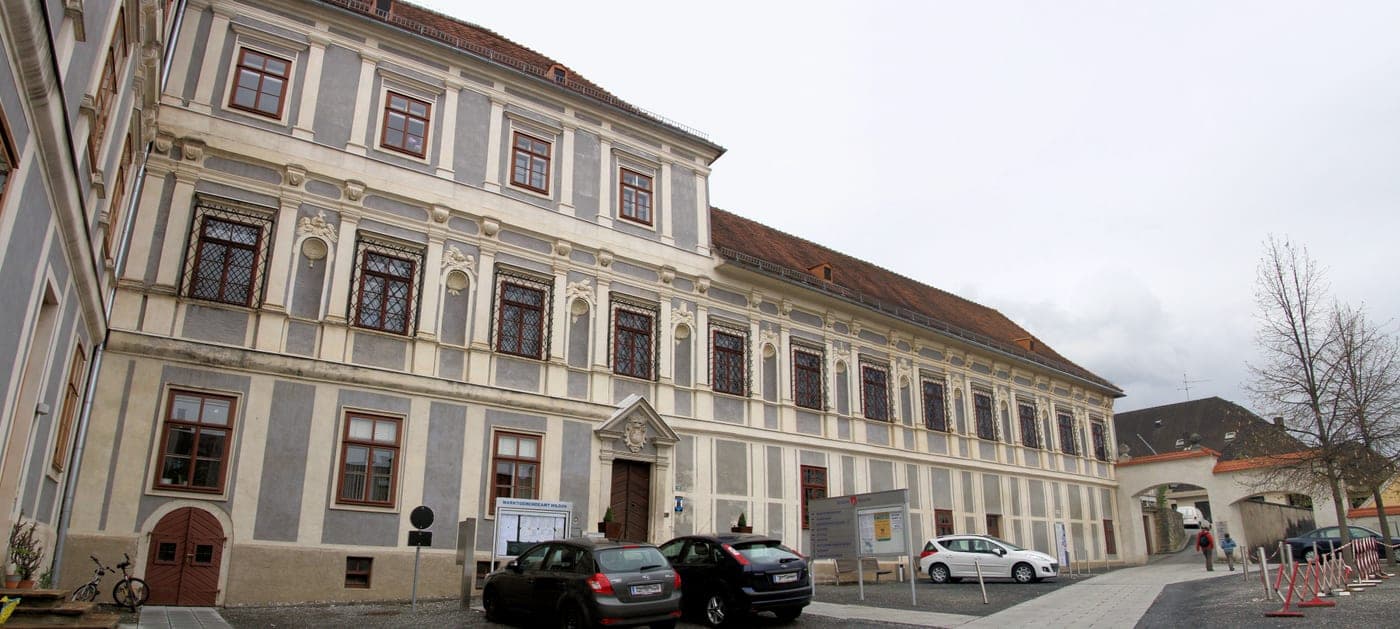 Wine Tasting
Wildon
Medieval castle ruins with commanding views over the Mur valley.
Wine TastingHiking
1 region
 Wine Tasting53 destinations
Styria
Styria is Austria's second-largest region, known for its diverse landscapes ranging from rolling hills to the Eastern Alps. Graz, the capital, is a UNESCO World Heritage site, celebrated for its Renaissance and Baroque architecture. The region is famed for its wine production, particularly the white wines from the Südsteiermark wine route, where picturesque vineyards dot the landscape. Outdoor enthusiasts can explore the Gesäuse National Park, rich in hiking trails and scenic vistas. Unique to Styria, the region also boasts a vibrant culinary scene, with local specialties like pumpkin seed oil and Styrian cheeses. The area features many historic castles and small towns like Riegersburg, known for its impressive fortress and local artisans.
Wine TastingHikingLocal CuisineCamper Van Rentals