Heidensterz
Styria's crumbly buckwheat porridge, served with broth or milk
- Local name
- Heidensterz
- Served with
- Beef broth, milk or sour milk
- Best eaten at
- A Styrian farmhouse inn
What it is
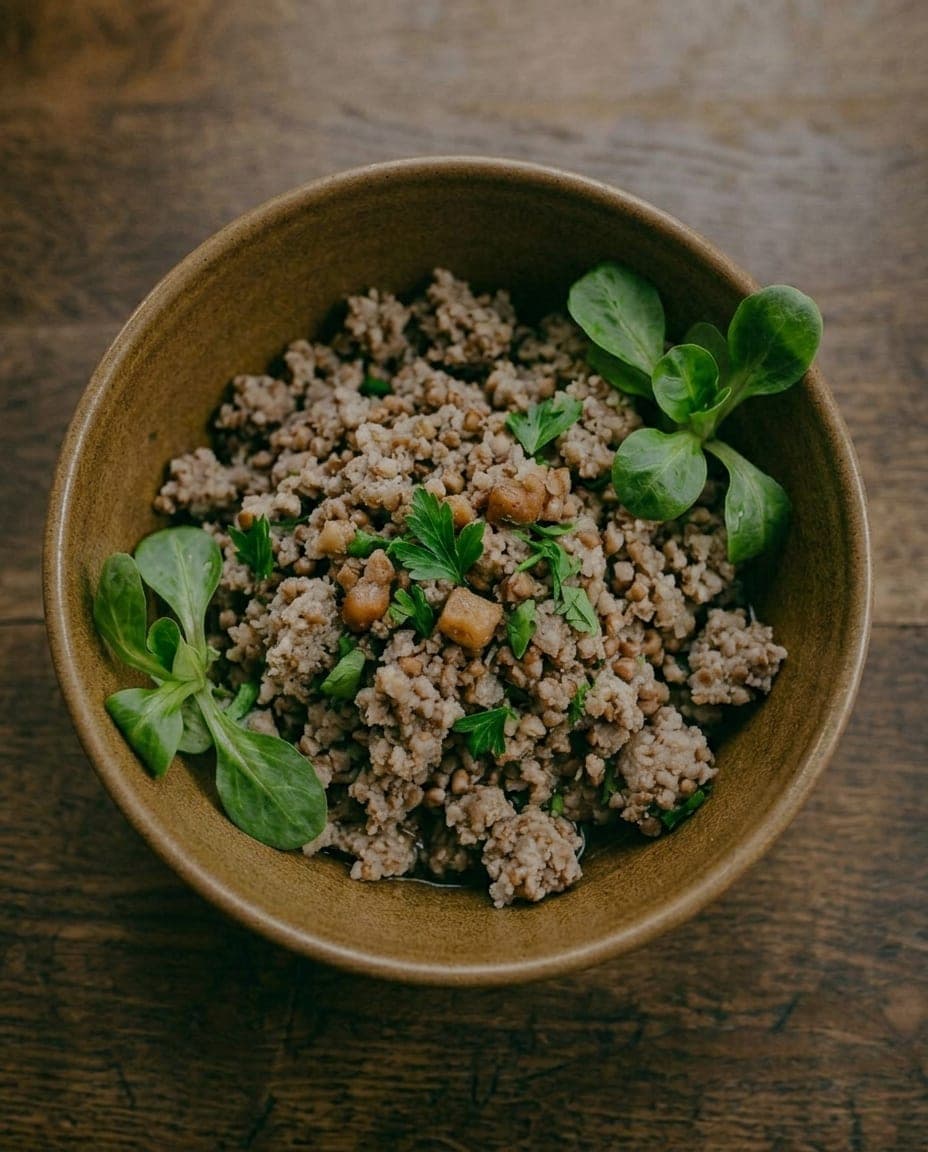
Heidensterz is a simple, hearty dish from the Austrian state of Styria. The name combines Heiden, the local word for buckwheat, with Sterz, describing a stiff porridge that has been broken up into dry, crumbly pieces. It is not a soft, creamy mash but a coarse mixture of grains that hold their shape when eaten.
It belongs to the old farm cooking of Styria and neighbouring Carinthia, where it was once eaten almost daily, and it exists because buckwheat grows where little else will: fast, on thin soil, in a short season, with little care.
How it is made
Buckwheat flour is tipped all at once into boiling salted water with a spoonful of lard and left to steam as a stiff lump. Nothing else is added — no spice, no egg.
Then it is broken up. A fork works the mass into coarse crumbs, and hot lard, often with crisp bacon or Grammeln, is poured over them; some cooks toast the flour first or finish the crumbs in the pan. The point is to stop while they are still separate: a Sterz that has gone soft and sticky has failed.
What arrives at the table is a bowl of dry, nutty crumb waiting for liquid. Hot beef broth poured over it makes a soup of it. Cold milk or sour milk makes something closer to a porridge. Bacon or crackling on top with a green salad beside it is the third way.
Where it comes from
Buckwheat was a catch crop, sown after the main grain was in and harvested late, sometimes almost into the winter. It was the crop that stood between a thin year and a hungry one, and the dish made from it needed four things a farm always had: flour, water, salt and fat. It was probably being cooked by the 15th century, and around 1900 Sterz was still counted Styria's national food.
That is the honest history. There is no inventor and no story about a count or an emperor — only a grain that would grow on bad ground, and a way of cooking it that made it filling.
How it is eaten
As a main course, in a deep bowl, hot. The broth or the milk is usually brought separately in a jug and poured at the table, which is the only ceremony the dish has; a kitchen that pours it in the kitchen has let the crumbs go soft on the way.
Curious facts
- Heiden means buckwheat. The word refers to the specific crop used in Styria, distinguishing it from other grains like rye or wheat.
- Sterz describes the texture. This term applies to any stiff porridge broken up into crumbs, whether of buckwheat, maize or wheat, not just the buckwheat version.
- A second crop harvest. Buckwheat was sown after the main grain harvest, allowing farmers to squeeze an extra meal from the same field.
- Salt and fat. The water is salted and that is the whole seasoning; the taste is buckwheat and the lard poured over it.
- Hoadensterz. In Styrian dialect it is often called Hoadensterz, and it survives best in farmhouse inns rather than restaurants.
Where to try it
A farmhouse inn or a Buschenschank in rural Styria, where it may be on the menu simply as Sterz and comes with broth or with milk. It is the kind of dish a kitchen either cooks because its grandmother did or does not cook at all, and the ones that do tend to say so on the board outside.
Where to try it
1 destination
 Wine Tasting
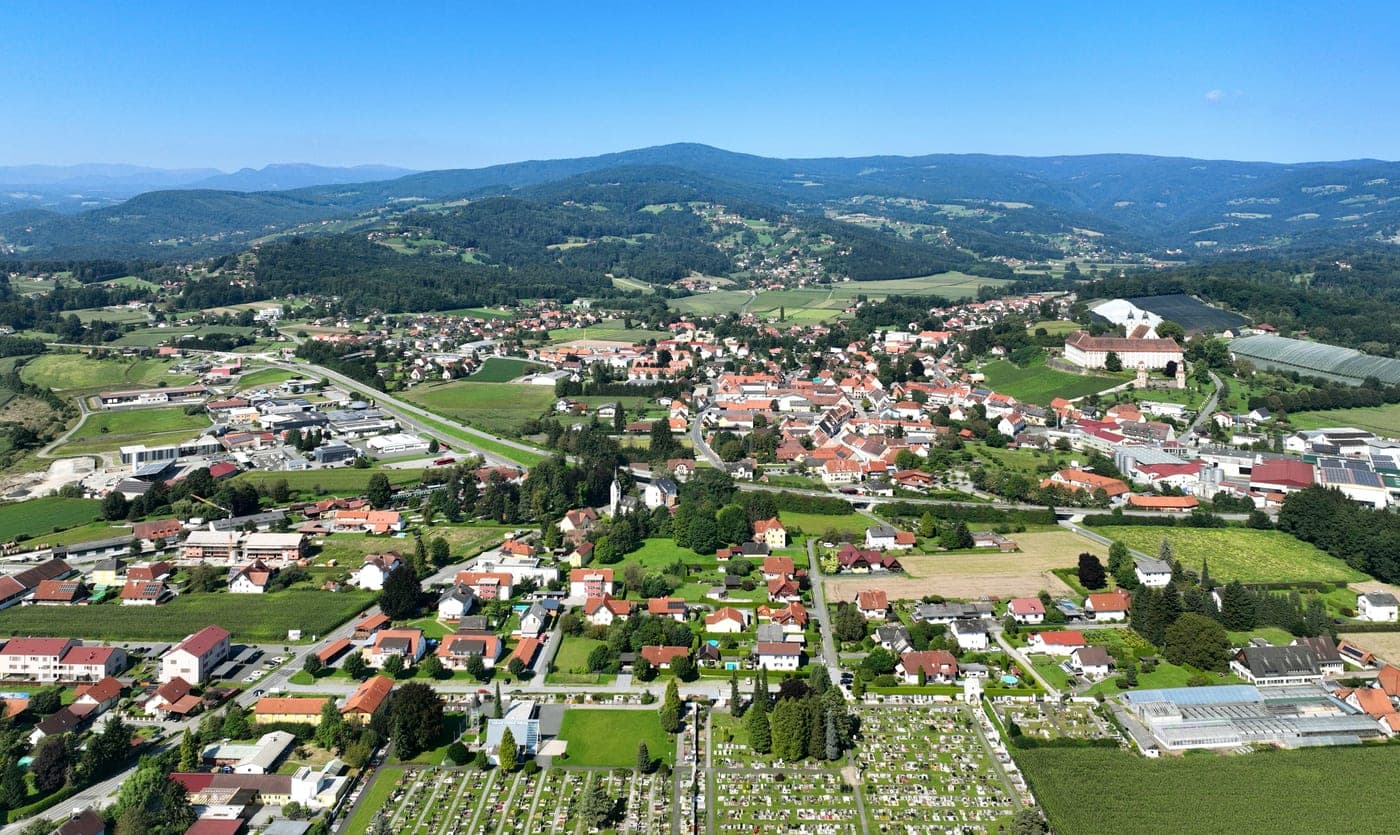
Stainz
Magnificent baroque abbey with cultural museums and wine estate.
Wine TastingHiking
1 region
 Wine Tasting53 destinations
Styria
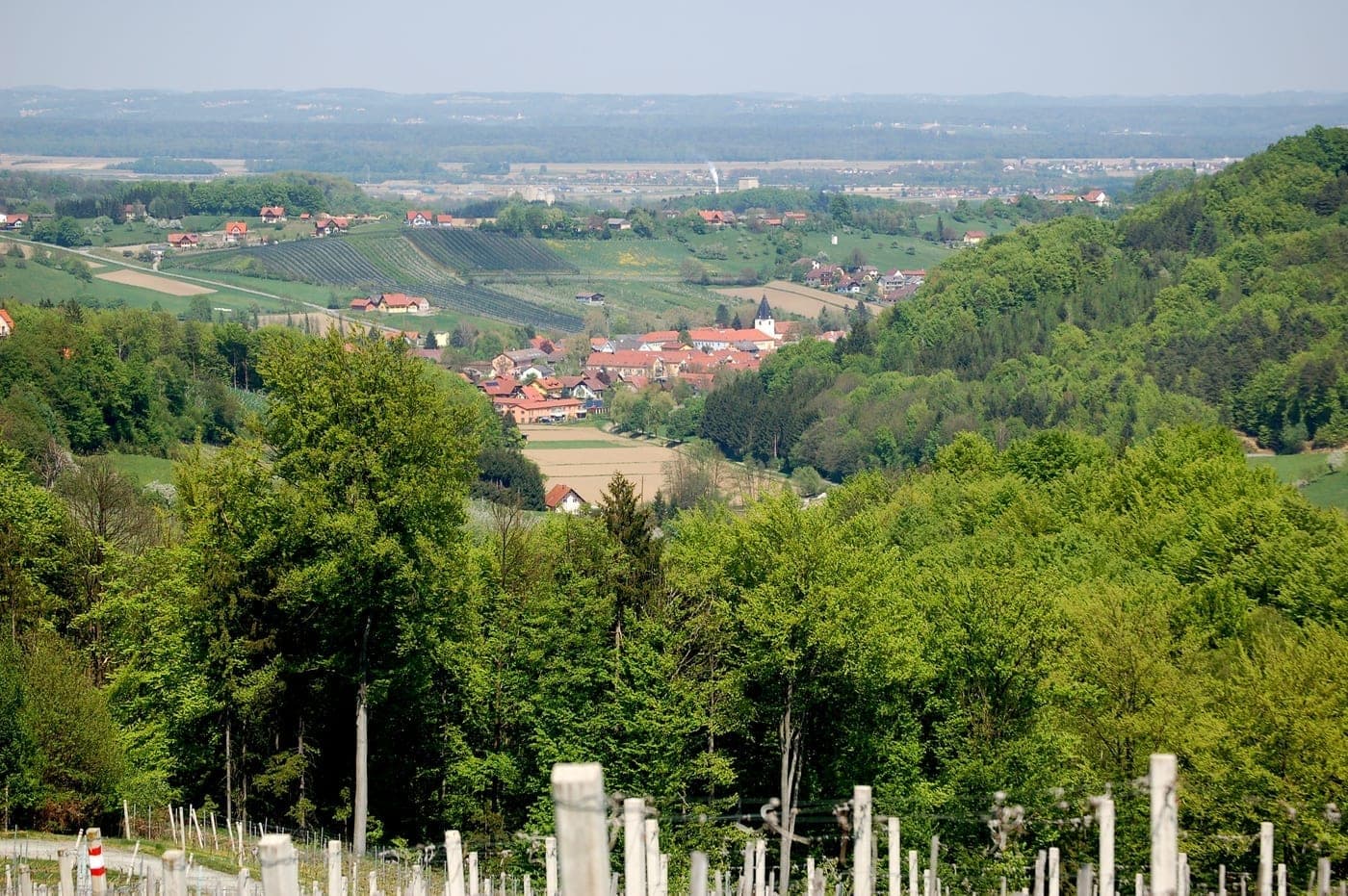
Styria is Austria's second-largest region, known for its diverse landscapes ranging from rolling hills to the Eastern Alps. Graz, the capital, is a UNESCO World Heritage site, celebrated for its Renaissance and Baroque architecture. The region is famed for its wine production, particularly the white wines from the Südsteiermark wine route, where picturesque vineyards dot the landscape. Outdoor enthusiasts can explore the Gesäuse National Park, rich in hiking trails and scenic vistas. Unique to Styria, the region also boasts a vibrant culinary scene, with local specialties like pumpkin seed oil and Styrian cheeses. The area features many historic castles and small towns like Riegersburg, known for its impressive fortress and local artisans.
Wine TastingHikingLocal CuisineCamper Van Rentals