Grammelpogatscherl
Savoury pork-crackling scones from Austria's Burgenland region
- Local name
- Grammelpogatscherl
- Best eaten at
- A Burgenland Buschenschank
- Pairs with
- Welschriesling or Blaufränkisch
What it is
Grammelpogatscherl are small, round savoury pastries from the Austrian state of Burgenland, in the country's far east. They are a regional speciality rather than a dish found across the whole nation, tied closely to the Pannonian plain that stretches into neighbouring Hungary. The name combines Grammeln, the German word for pork cracklings or the crispy remains left after rendering lard, with Pogatscherl, a diminutive form of the Hungarian word pogácsa.
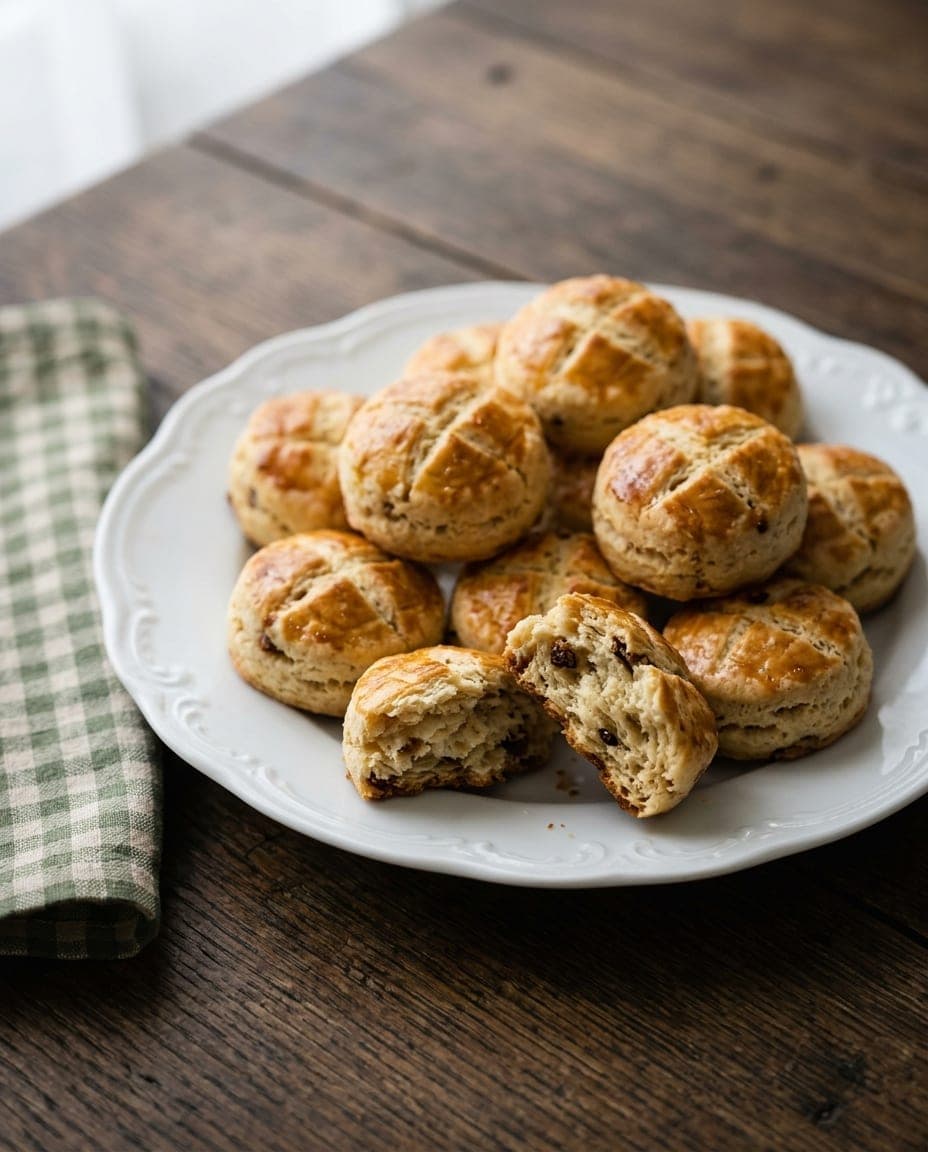
Nothing about them is sweet. They are small buns, usually of yeast dough, with minced pork crackling worked through the dough rather than hidden inside it, scored across the top in a lattice before baking. Warm from the oven they smell of roast pork; the crust is firm and the inside crumbles.
The Pannonian connection
The dish belongs to a family of savoury buns common across the border in Hungary, where pogácsa is a staple tavern food. Burgenland belonged to the Hungarian kingdom for centuries and only became Austrian after the First World War, and the food did not move when the border did. Pogácsa on one side and Pogatscherl on the other are the same pastry, and the crackling version is made in Hungary too, as tepertős pogácsa.
They belong to the wine tavern rather than to the bakery, though village bakers sell them too. The ingredients are what a farm with a vineyard and a pig had: flour, lard, egg, and the crackling left in the pan.
How it is made
The dough is usually a yeast dough, kneaded until smooth and then left to rise. The defining ingredient, Grammeln, are pieces of fried pork fat that have been rendered down until crisp. These are mixed into the dough, sometimes in large chunks and sometimes ground finer, depending on the baker's preference.
Before baking, the tops of the pastries are scored with a knife or a wheel to create a pattern, often a simple cross or a lattice grid. This allows steam to escape during baking and gives the pastry its characteristic look. They are baked until golden brown, then served immediately while still warm. The result is a tender, flaky interior with a savoury, slightly salty crust that holds the pork fat well.
Curious facts
- A shared border food. The dish exists on both sides of the Austrian–Hungarian border, with Hungary calling it pogácsa and Austria using the German term Grammelpogatscherl.
- No recipe book. There is no single official version; each Heuriger or family has its own way of mixing the dough and the ratio of pork cracklings to flour.
- They follow the taverns' hours. Many a Buschenschank opens only at certain times of year, and that is when its pastries are baked.
- A tavern staple. Though bakeries sell them too, the wine-tavern batch is baked to be eaten straight away, with the wine.
- The score matters. The cross or lattice pattern on top is not just decorative; it helps the pastry cook evenly and rise without cracking.
Where to try it
A Buschenschank in Burgenland — the grower's own tavern, serving the house wine with cold food — is where they belong, and they turn up across the province, from the villages around Eisenstadt to the southern districts near Oberwart and Pinkafeld.
They come warm on a wooden board, eaten with the fingers, with a glass of Welschriesling or a light Blaufränkisch beside them. Two or three are a snack with wine; a board of them and some cold cuts is supper.
Where to try it
4 destinations
 Castles
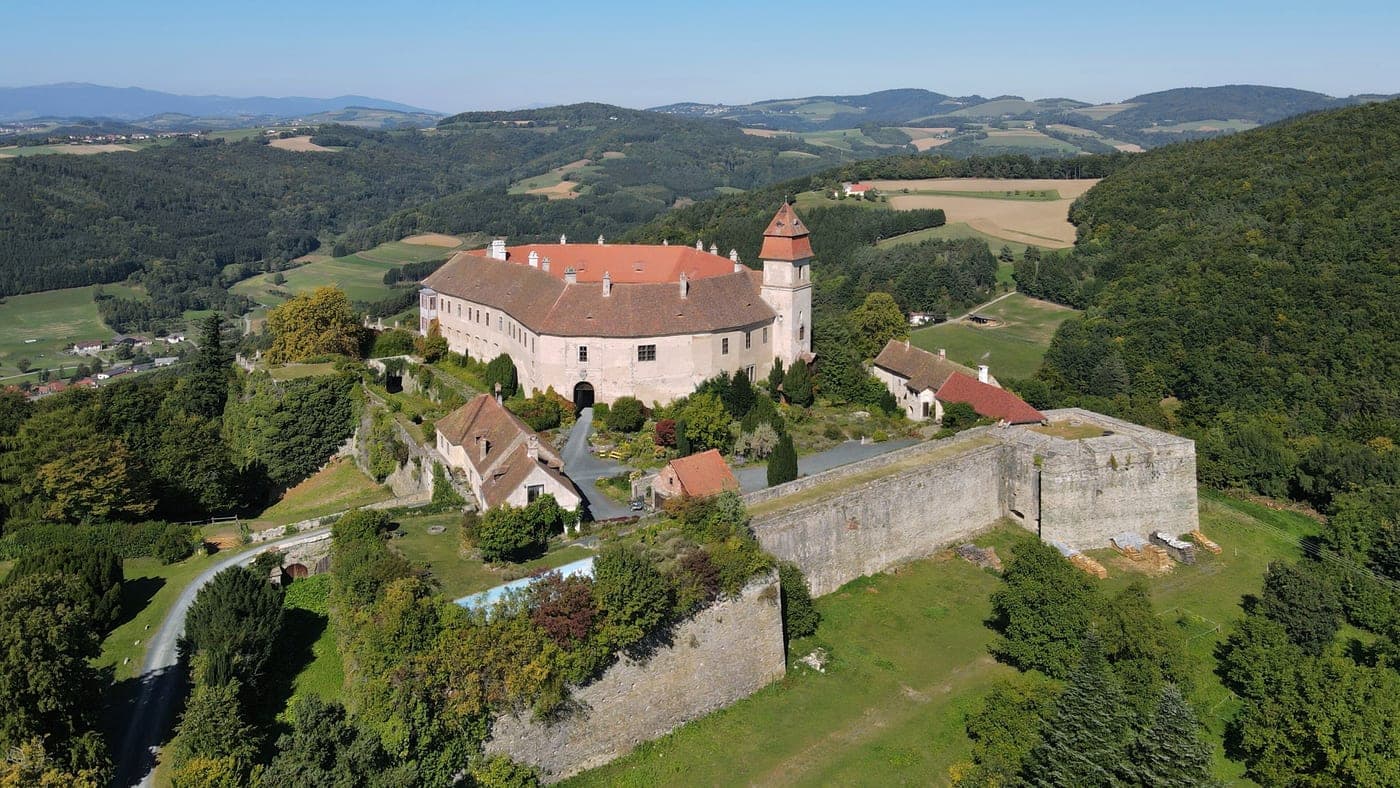
Bernstein
Remote hilltop village in southern Burgenland, home to Austria's highest-situated castle and the only place in Europe where precious green serpentine stone is mined.
Castles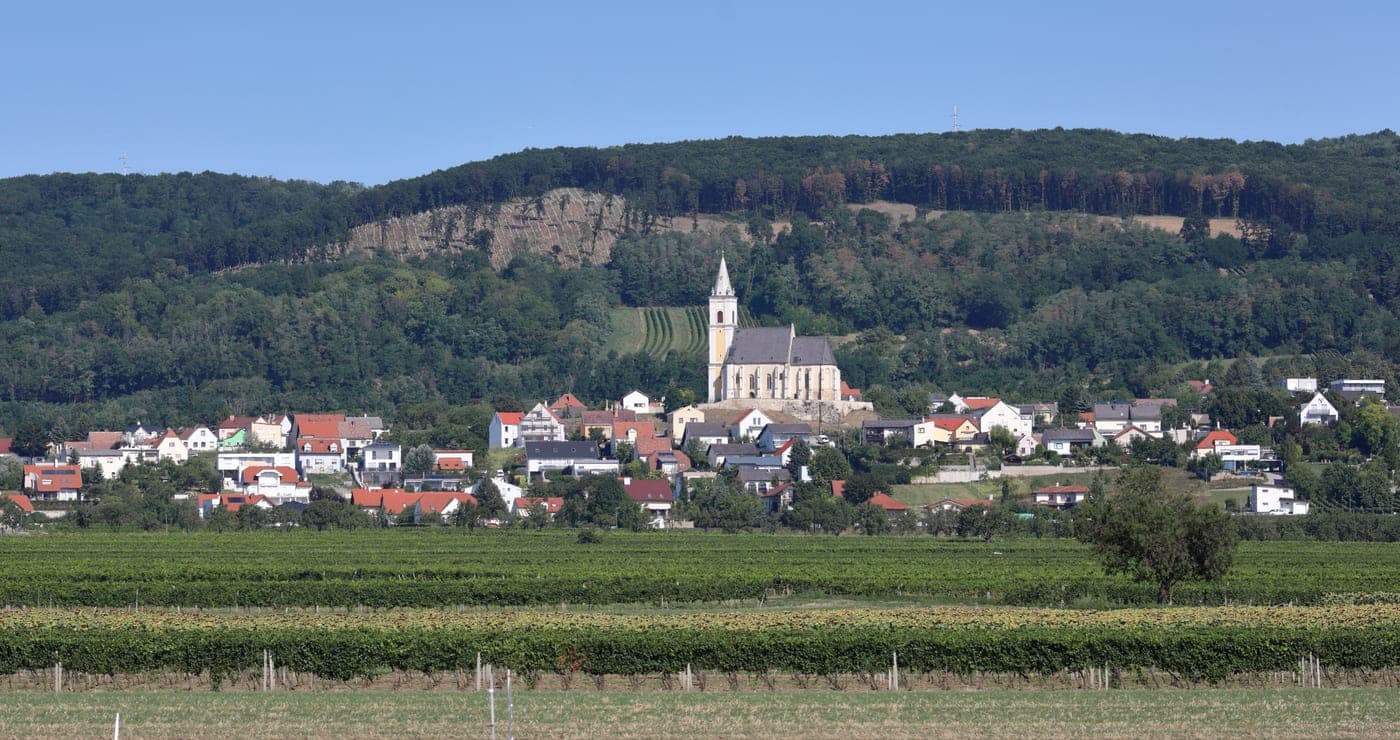 Wine Tasting
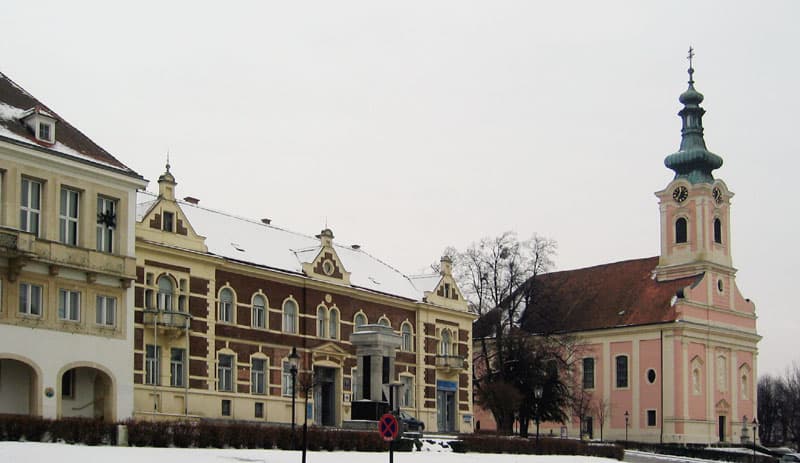
Eisenstadt
Burgenland's elegant capital with Esterházy Palace and Haydn heritage.
Wine TastingHiking
 Wine Tasting
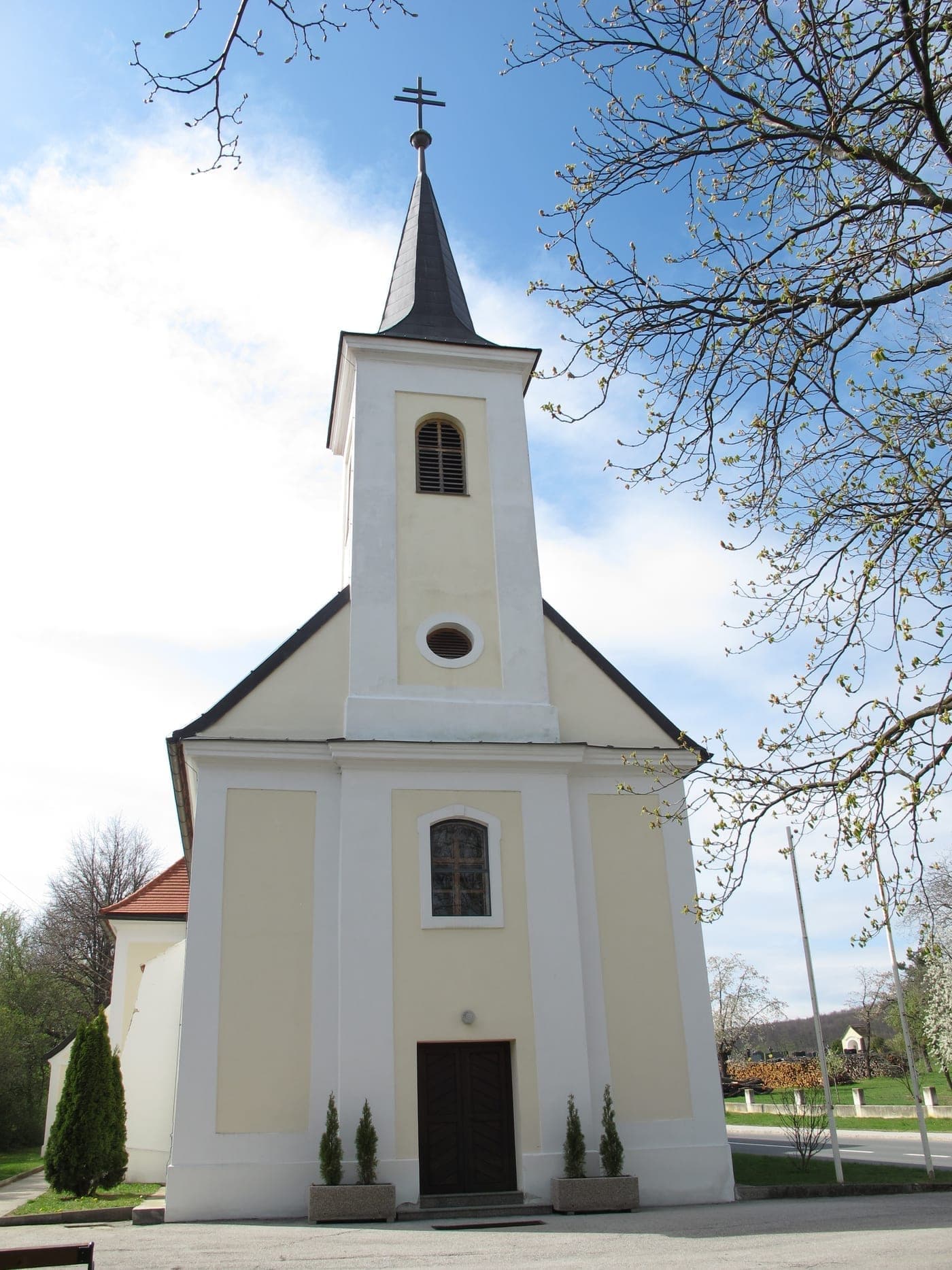
Pinkafeld
Charming town known for its picturesque countryside and local vineyards.
Wine TastingHiking
1 region
 Wine Tasting48 destinations
Burgenland
Burgenland is Austria's easternmost region, known for its diverse landscapes and rich cultural heritage. It is home to the historic city of Eisenstadt, where the Haydn Museum showcases the music of composer Joseph Haydn. The region features the unique Neusiedler See, a UNESCO World Heritage site, famous for its wetlands and birdwatching opportunities. Burgenland is also renowned for its wine production, particularly the sweet wines from the vineyards surrounding the charming town of Rust. Explore lesser-known towns like Lutzmannsburg, known for its thermal baths, or the picturesque village of Mönchhof, celebrated for its local crafts and traditional festivals. Outdoor activities such as hiking and cycling trails along the lake enhance the immersive experience in this less-traveled area.
Wine TastingHikingLocal CuisineThermal Spas