Norfolk dumplings
Light flour dumplings poached on stews in Norfolk
- Vegetarian
- Local name
- Norfolk dumplings
- Served with
- Stew, gravy
- Best eaten at
- A Norfolk family table
- Pairs with
- English bitter
What it is
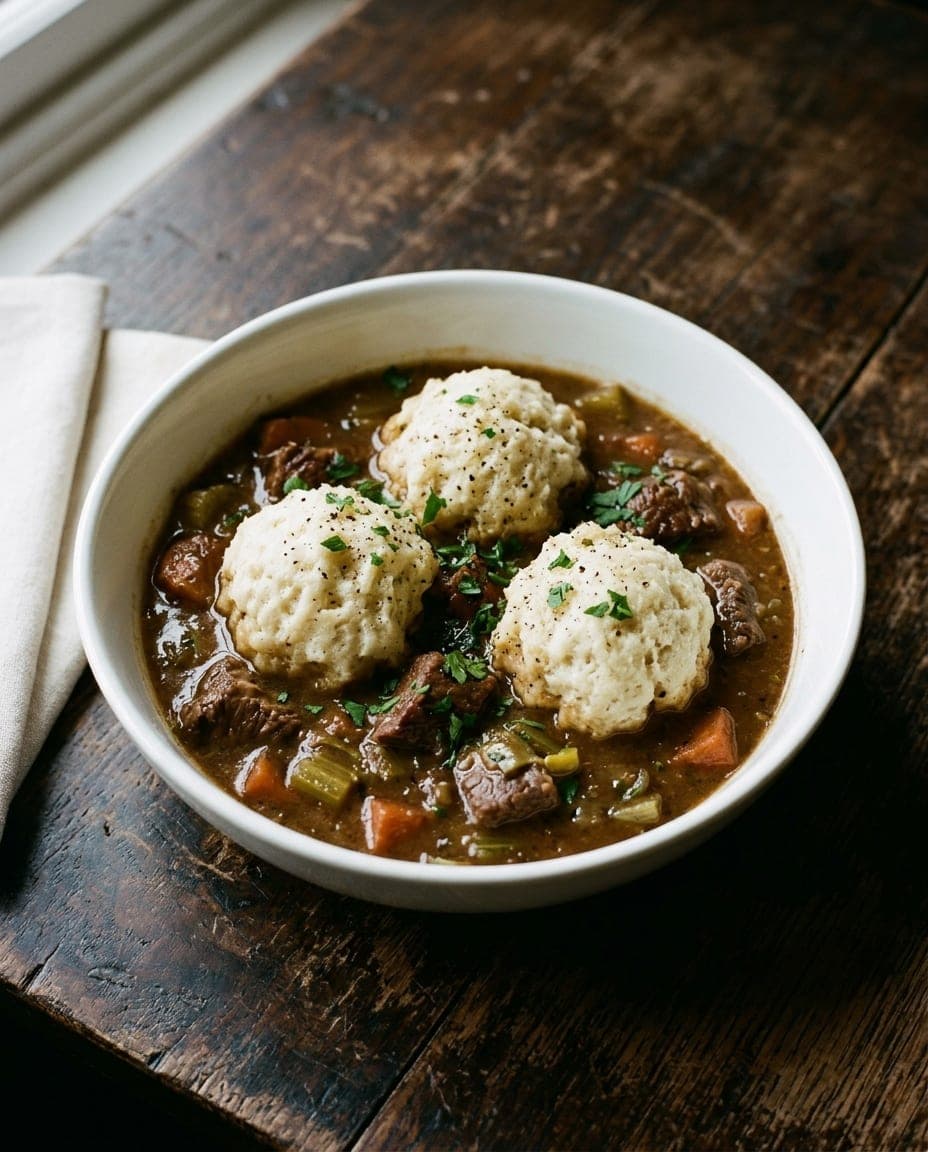
Norfolk dumplings are a regional speciality of the English county of Norfolk. They are light, pale spheres of yeasted dough, traditionally the last of the day's bread dough, which are poached on top of a savoury stew or simmered in a rich stock. Where the suet dumplings of the rest of England are dense and heavy, these are closer to a boiled bread roll. Because they rise and float as they cook, locals often refer to them as "floaters" or "swimmers".
The dish is defined by its absence of suet, the hard beef fat traditionally used in English puddings and dumplings. Instead, the dough relies on flour, yeast and liquid to create a soft, absorbent structure that soaks up the gravy of the stew beneath it. They are not a starter in the modern sense, nor a dessert. They sit firmly as part of the main meal, serving as a vehicle for the meat and sauce rather than a separate course.
The order of eating
The history of Norfolk dumplings is rooted in the practical rhythm of the working day rather than culinary refinement. Historically, they were eaten first, before the meat itself. This custom arose from the need to take the edge off hunger cheaply on long days of work in the fens or on the land. A bowl of stew would arrive with a layer of these light dumplings floating on top. Diners would eat the dumplings and drink the gravy before moving on to the meat.
This order was not merely about hunger; it was an economic calculation. The dumplings provided bulk and warmth at a low cost, stretching the limited supply of meat that might otherwise be too small to fill a hungry adult. The pot went into the middle of the table and the first spoonfuls were the dumplings and the gravy. The meat came after, to a smaller appetite, which was the point.
How they are made
The preparation of these dumplings is straightforward, though the result varies slightly from kitchen to kitchen. The dough consists of flour, salt and warm water raised with yeast, and was originally simply a piece of the day's bread dough. There is no fat folded into the mixture, which distinguishes them from the heavy suet dumplings found elsewhere in England. They are dropped directly onto the surface of a simmering stew, or boiled in water and served with gravy.
They cook for about twenty minutes, during which time they swell and rise to the top of the pot. The heat of the steam cooks them through, giving them a soft, tender texture that holds its shape without becoming tough. They are not fried, nor are they baked separately. The final dish is a single pot where the stew, the meat, and the dumplings have all melded together.
Curious facts
- No suet required. Unlike most English dumplings, these contain no animal fat, relying instead on flour and liquid for their structure.
- Eaten first. The traditional order of consumption was to eat the dumplings before the meat, a habit born from the need to fill up cheaply.
- Floaters and swimmers. The name comes from the way they rise to the surface of the stew as they cook.
- Regional boundary. Suffolk has its own suet-free swimmers, usually raised with baking powder; yeast is what marks the Norfolk version.
- Simple ingredients. The dough uses only flour, water, salt and yeast, with no need for complex techniques.
Where to try it
A country inn or a family-run restaurant in Norfolk, where they come on top of a stew rather than as a dish of their own.
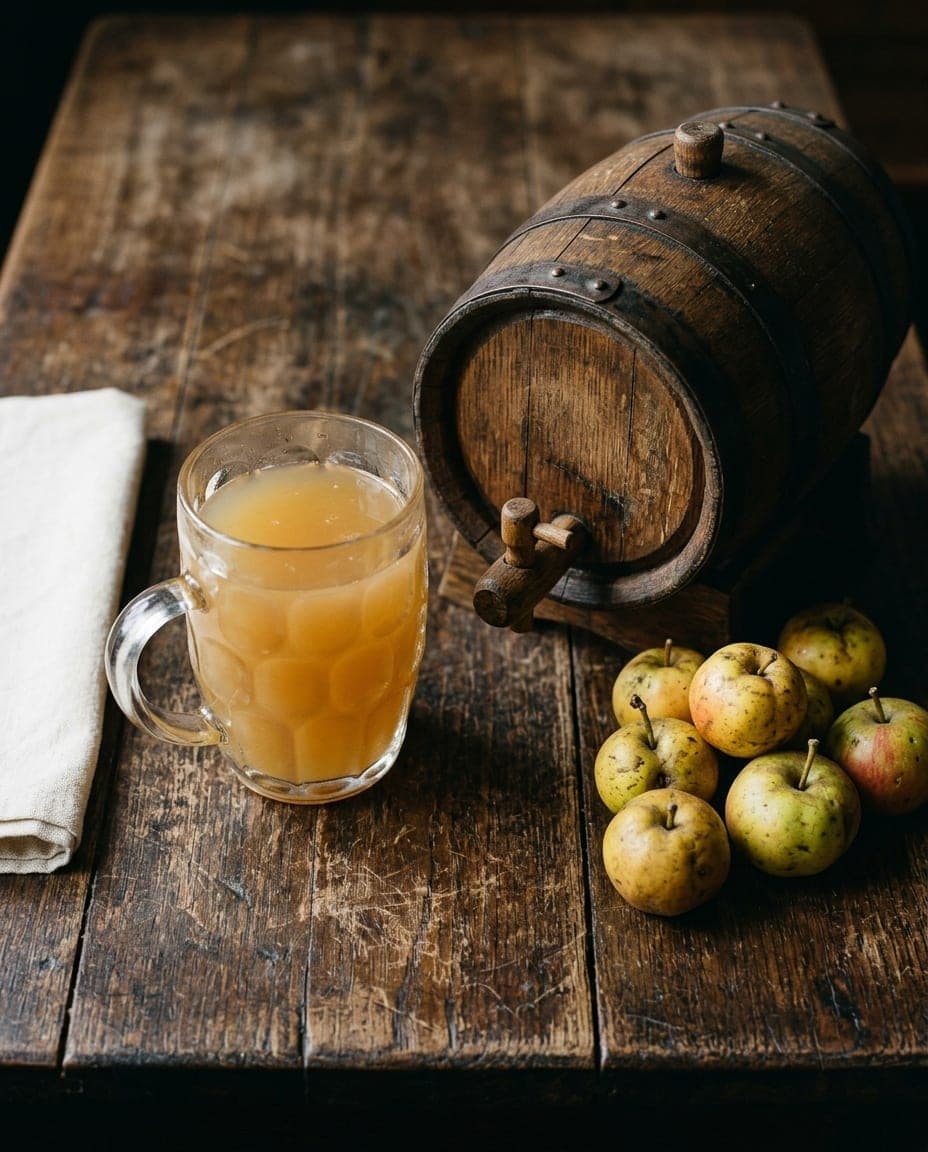
The dish pairs naturally with English bitter, a beer style that cuts the fat of the gravy. While the dish is not found widely outside Norfolk, visitors to the county may find it on menus in places that specialise in East Anglian cooking.
Where to try it
1 destination
1 region
 Boat Rentals1 destination
Norfolk
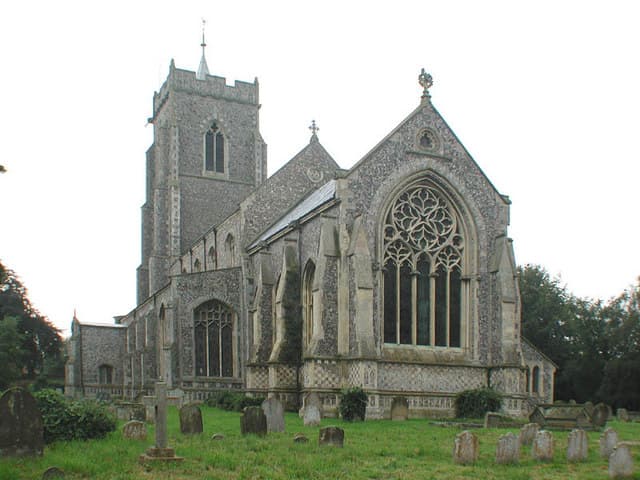
This region features expansive wetlands, sandy beaches, and the historic city of Norwich. Known for its medieval architecture, Norwich has a rich tapestry of history with landmarks like Norwich Cathedral and the Norman Castle. The Broads National Park, a unique network of rivers and lakes, offers opportunities for quiet boating and exploration of wildlife. The coastal areas boast diverse birdwatching sites and traditional seaside towns such as Wells-next-the-Sea. Norfolk is also famous for its local produce, including fine seafood and artisanal cheeses, reflecting its agricultural heritage and fishing traditions. This combination of history, nature, and gastronomy makes it a fascinating area to explore at a leisurely pace.
Boat Rentals