Zürcher Tirggel
Thin honey biscuits from Zurich with carved wooden designs
- Vegetarian
- Local name
- Zürcher Tirggel
- Pairs with
- Tea
What it is
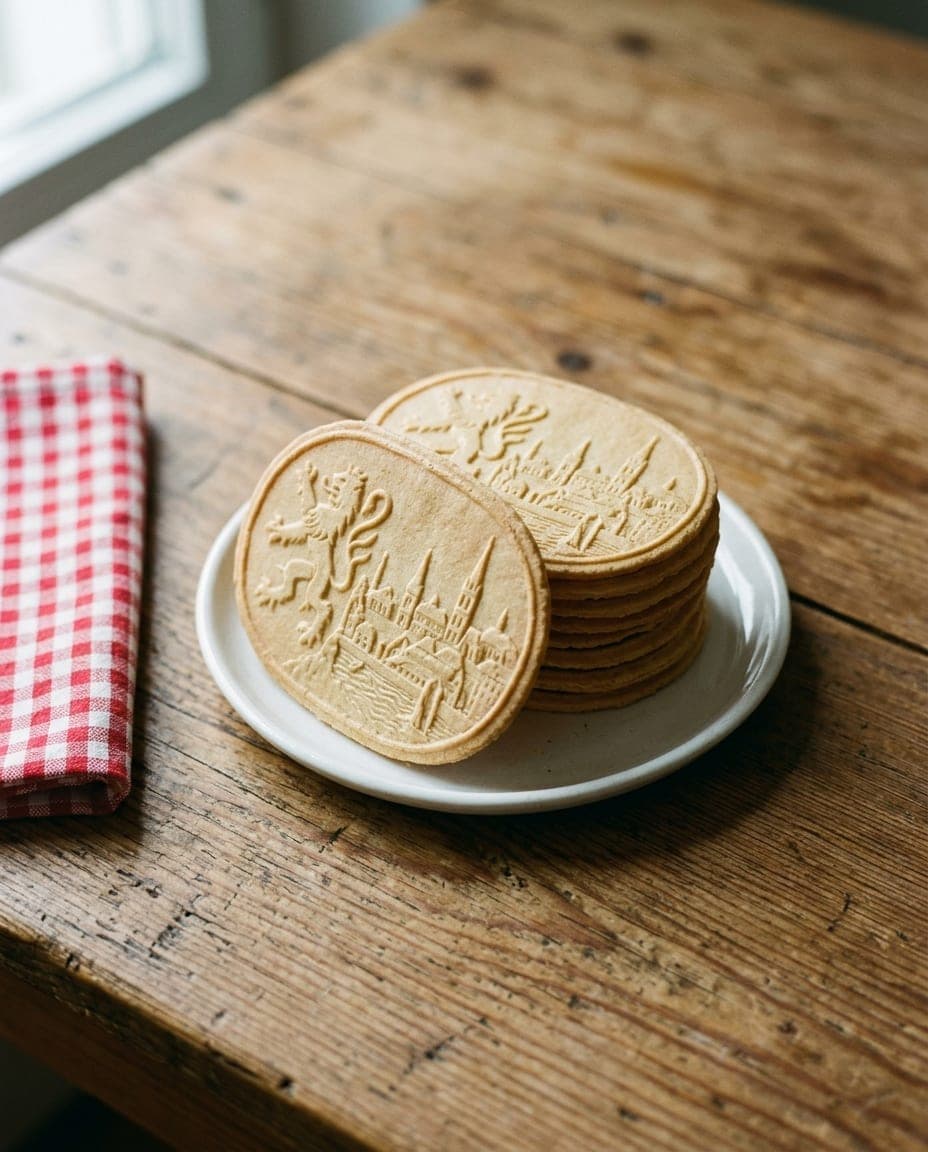
The Zürcher Tirggel are thin, pale biscuits made from flour and honey, spiced and flavoured with rose water, baked until they are crisp and dry. They originate from the city of Zurich and its immediate surroundings, where they have been a staple of the winter season since at least 1461, when they were first recorded. The most striking feature of these treats is not their taste, but their surface: every biscuit bears a raised relief picture carved into the wooden mould used to press the dough before baking.
These designs often depict scenes from Zurich's history, including views of the Grossmünster church, coats of arms, or figures in traditional dress. The baking process is quick and intense, taking place at a high temperature for only a minute or so. This ensures the raised parts of the design turn a light golden brown while the rest of the biscuit remains pale. The result is a hard, dry wafer that snaps rather than crumbles when broken. They are as much a piece of local history as they are a sweet snack, often kept in tins or displayed on plates during the Christmas period.
The wooden moulds and their designs
The tradition relies entirely on the carved wooden moulds. These blocks of wood have been passed down through families and bakeries for generations, and some are centuries old. Each block is hand-carved by a specialist who creates the intricate relief that will appear on the biscuit. The designs are not merely decorative; they serve as a visual record of Zurich's civic identity, capturing architecture and symbols that might otherwise fade from public memory.
The dough is rolled very thin and pressed onto these moulds, so every biscuit carries the carver's picture in relief; many bakeries now also use casts of old moulds. The variety of designs available has changed over time, reflecting shifts in local tastes and political events, yet the core imagery remains rooted in the city's heritage. In recent decades, new moulds have been carved to include contemporary motifs, but the classic scenes remain the most sought after by collectors and locals alike.
How it is eaten
The Tirggel are traditionally served during the Christmas season, which runs from November through December. Their hard texture means they are not meant to be chewed quickly; instead, they are often broken into smaller pieces or held until they soften slightly in the mouth. A cup of hot tea is a common companion, which helps to soften the biscuit just enough to make it more palatable without losing its shape entirely.
They are rarely eaten on their own as a main course. Instead, they appear on small plates alongside other seasonal treats or simply as an accompaniment to a warm drink in a café or at home. Kept dry in a tin, they last for months. The dryness of the biscuit ensures it does not spoil easily, making it a practical gift to give or receive during the holiday season.
Where it comes from
The Zürcher Tirggel are a local speciality of Zurich and are not widely produced in other parts of Switzerland. While similar honey biscuits exist elsewhere in Europe, the specific combination of the hard texture, the embossed designs, and the reliance on wooden moulds is unique to this city. Until 1840 only the city's bakers were allowed to make them; after that, bakers in the countryside joined in and competed with their own designs.
A handful of Zurich bakeries make them in the weeks before Christmas, and each bakery's range of pictures depends on the moulds it owns. This adds to the value of the Tirggel as a seasonal gift or a personal treat for those who know the tradition well.
Curious facts
- The design is the main event. The embossed picture is more important than the flavour, serving as a miniature relief sculpture on an edible surface.
- Wooden moulds are rare assets. Many of the original blocks are centuries old and are treated with great care by the bakers who use them.
- They do not melt easily. The high baking temperature creates a hard structure that resists softening even when held in the hand for a long time.
- A local tradition only. While honey biscuits exist across Europe, the specific Tirggel style is rooted in Zurich and its surrounding canton.
- A seasonal biscuit. Production peaks before Christmas, with a second smaller one before the Sechseläuten spring festival; outside those times they are harder to find.
Where to try it
Zurich in the six weeks before Christmas, in the bakeries of the old town and at the markets around the Niederdorf and the main station, where they are sold in flat boxes and singly.
They are bought as much to look at as to eat: the larger ones are hung on trees or given as gifts with a picture of the city pressed into them. Outside the season and outside Zurich they are hard to find.
Where to try it
1 region
 Camper Van Rentals1 destination
Zurich
Located at the confluence of the Limmat River and Lake Zurich, this region is Switzerland's largest urban area, known primarily for its financial institutions and vibrant cultural scene. Beyond the bustling city, Zurich offers access to numerous hiking trails in the nearby Uetliberg mountain, providing stunning panoramic views. The old town, with its medieval buildings and narrow alleys, reveals a rich history dating back to Roman times. Lake Zurich is a hub for outdoor activities such as swimming and sailing, while the nearby towns of Rapperswil and Winterthur present unique historic sites and museums. The region is also celebrated for its chocolate and cheese, with local markets showcasing artisanal products. Discovering the lesser-known neighborhoods can lead to hidden gems, including local galleries and family-owned eateries.
Camper Van RentalsHiking