Zincarlin
A peppery cone of raw-milk cheese from Valle di Muggio
- Vegetarian
- Local name
- Zincarlin
- Served with
- Bread, olive oil
- Best eaten at
- A Muggio valley grotto
- Pairs with
- Ticino Merlot
What it is
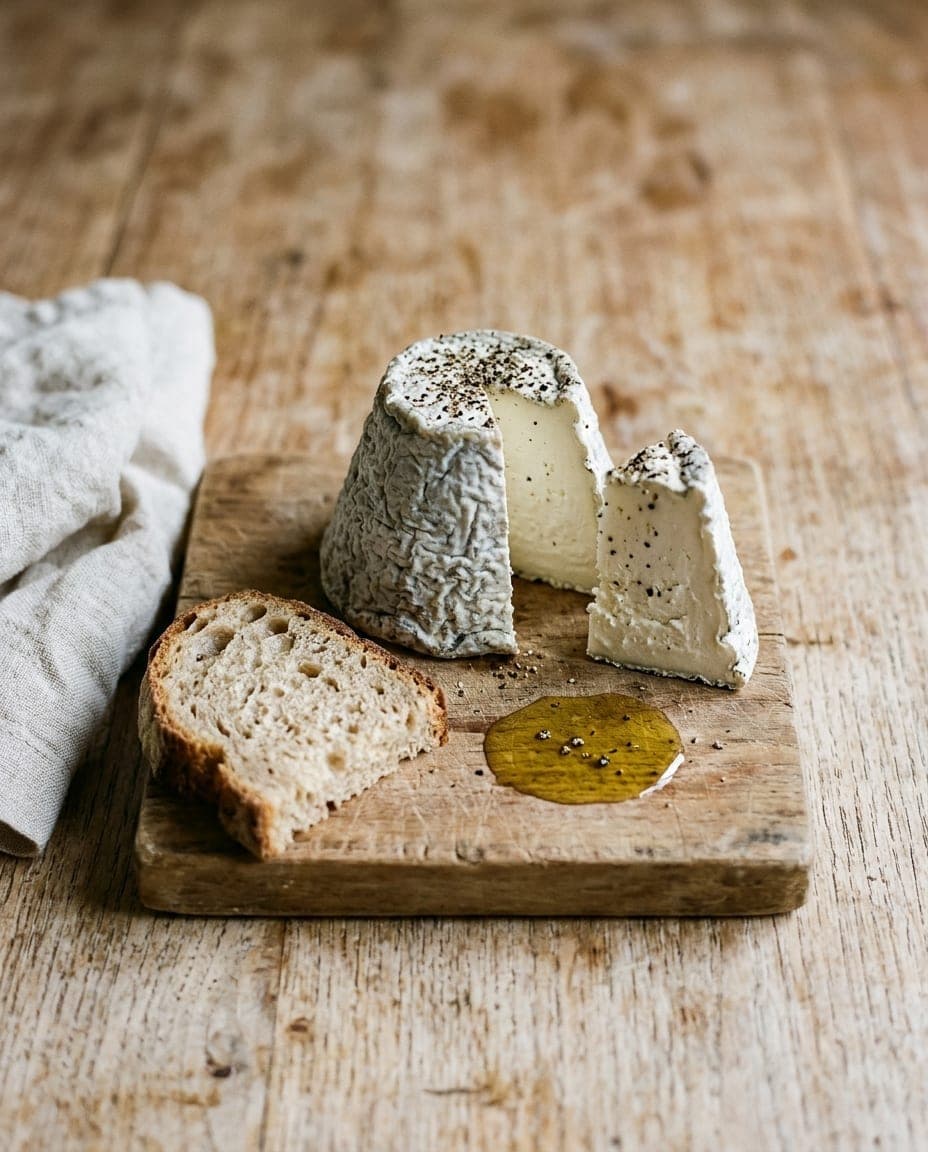
Zincarlin is a small cheese, shaped like a cone or an upturned cup, made from cow's milk, sometimes blended with goat's milk, in the Valle di Muggio. This valley sits at the very southern tip of Switzerland, where the Italian language and culture meet the Alpine landscape. The cheese is raw-milk, meaning it is produced without pasteurisation, and it carries a strong, sharp character that can surprise visitors unaccustomed to such intensity.
The texture is soft and wet, often described as creamy yet firm enough to hold its shape. It smells pungent and earthy, with a distinct peppery bite on the tongue. Despite its rough appearance and potent aroma, the flavour is balanced by a subtle sweetness from the milk and the salt used during production. It is not a cheese for casual snacking; it demands attention and specific accompaniments to be enjoyed correctly.
Produced in tiny quantities by a handful of local makers, Zincarlin was once on the brink of disappearing. As traditional farming methods faded across the Swiss Alps, the small-scale production of this specific cheese nearly ceased. It became Switzerland's first Slow Food Presidium, and after a production protocol was drawn up in 2004, a small group of producers in the Muggio valley revived the aged cheese, sticking to the old ways to keep the variety alive. Today, it remains a regional speciality rather than a product found throughout Switzerland.
How it is made
The technique for Zincarlin is defined by its simplicity and the daily attention it requires. The milk is set slowly with rennet and lactic fermentation, and the unbroken curd drains in cloth for about a day. It is then kneaded with salt and black pepper, shaped by hand and taken to a cool, semi-underground cellar, where it ages for at least two months. The defining step of this process happens almost every day during that maturation period.
The makers wipe each cheese by hand with white wine and salt. This near-daily ritual does more than add flavour; it keeps unwanted moulds away and forms the cheese's distinctive reddish-grey crust, while the pepper kneaded into the paste gives it its sharp heat. There is no complex machinery or industrial intervention involved in this stage, only the careful touch of the producer.
Because the milk is raw and the ageing environment is cool and humid, the cheese develops a wet, almost sticky surface that contrasts with the firmer interior. The result is a compact cheese of 200 to 400 grams when fresh, which concentrates the flavours of the valley into a single form.
What goes into it
The ingredients are minimal, relying on the quality of the local milk and the specific additions used during ageing:
- Raw cow's milk, sometimes mixed with goat's milk to adjust the fat content and taste.
- Rennet, which sets the milk together with natural lactic fermentation.
- Black pepper, kneaded into the drained curd by hand to give the signature heat.
- Salt, kneaded into the curd and used again with the wine on the rind.
- White wine, used almost daily to wipe the surface of the cheese.
- The damp cellar air, which provides the cool, humid environment necessary for the slow development of flavour.
No other additives or preservatives are used. The cheese relies entirely on the natural fermentation of the raw milk and the protective rind created by the wine and salt wash.
How to eat it
Zincarlin is best enjoyed simply, allowing its strong character to take centre stage. It is traditionally served with slices of local bread, which act as a neutral base for the intense flavours. Some add a drizzle of olive oil to soften the sharpness of the pepper and complement the creamy texture of the cheese.
The pairing extends beyond the plate. The sharp, peppery notes of Zincarlin cut through the tannins of a local Ticino Merlot, making the two a natural match. This pairing is most effective when enjoyed in the cool air of a valley grotto or a rustic mountain chalet, where the temperature helps keep the cheese at its ideal consistency.
It is strong enough to end a meal rather than open one, and the wet rind means it goes onto bread rather than onto a cracker.
Curious facts
- The cone shape is deliberate. The small, conical moulds are traditional and give the cheese its compact form, which makes the wine and salt wash easy to apply by hand.
- A near-extinction story. The variety was close to disappearing as modern farming practices took hold, but a local group of producers revived it using the original methods.
- Daily labour. The entire ageing process relies on the maker wiping each cheese by hand almost every day for months, a task that limits production to very small batches.
- Valley specific. While Switzerland has many cheeses, Zincarlin is unique to the Valle di Muggio and is not produced elsewhere in the country.
- A wet crust. The near-daily wine wash creates a distinctively damp rind that sets it apart from drier Alpine varieties like Sbrinz or Appenzeller.
Where to try it
The most authentic experience of Zincarlin comes in the Valle di Muggio itself, particularly in a local grotto or a traditional mountain chalet where the air remains cool and damp.
The valley is a narrow one running down from Monte Generoso to the Italian border, and the handful of producers sell through local shops and a few Ticino cheesemongers. Production is small, so a shop that has it may not have it the following week.
The Valle di Muggio holds a museum of the valley's rural trades, which is the other place the cheese and the method are explained.
Where to try it
1 region
 Boat Rentals1 destination
Ticino
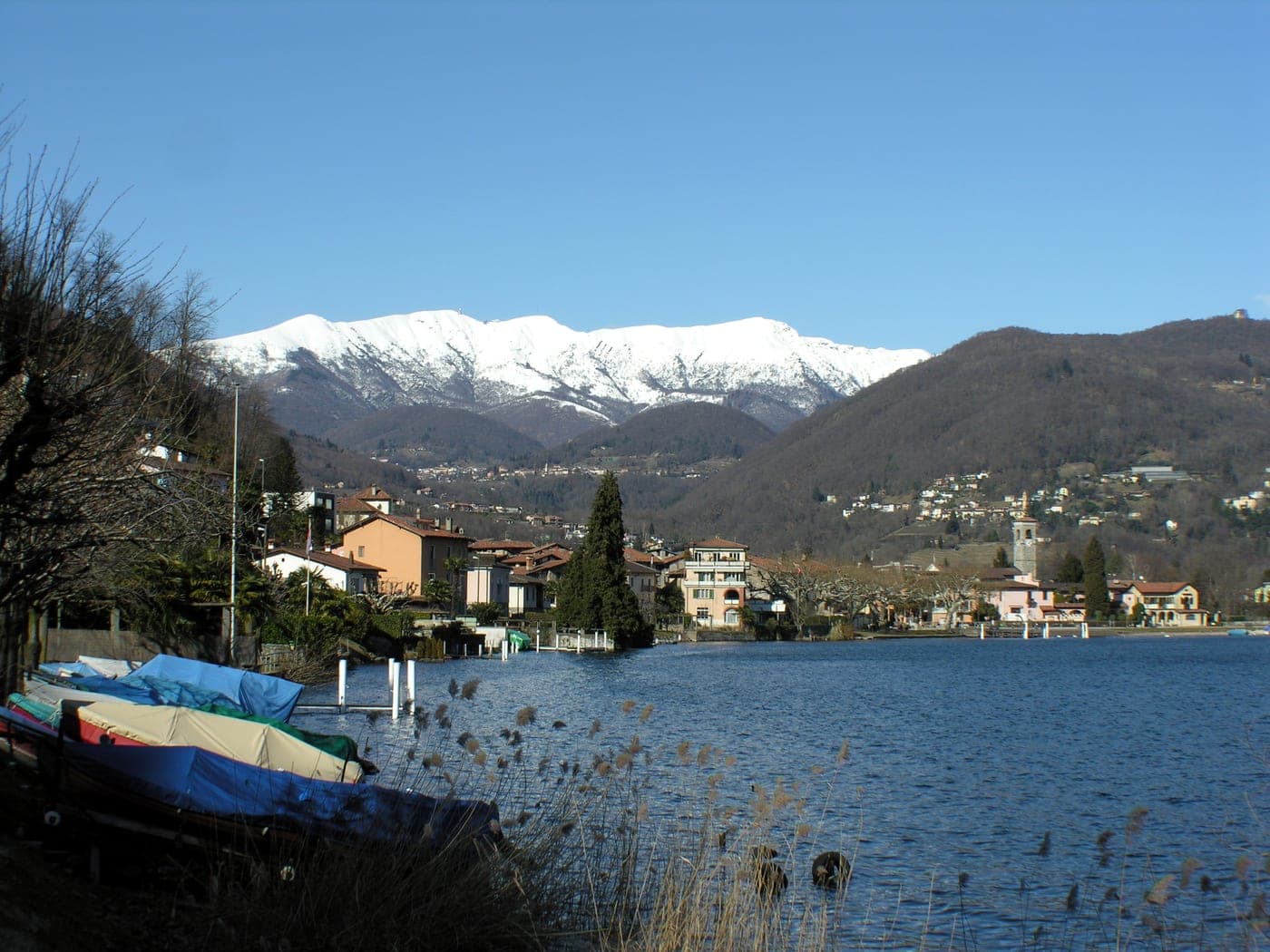
Ticino, the only Italian-speaking region in Switzerland, offers a unique blend of Mediterranean flair and Swiss efficiency. It features stunning landscapes, from the rugged peaks of the Alps to the lakeside beauty of Lugano and Locarno. The region is renowned for its picturesque villages like Morcote, where narrow streets lead to lakeside views. Known for its rich culinary traditions, Ticino is famous for polenta and Merlot wine, showcasing a blend of Italian and Swiss influences. Historic sites such as Castello di Montebello and the UNESCO-listed Bellinzona fortifications reflect its strategic importance. With its mild climate, Ticino is a haven for hiking, cycling, and exploring local markets, making it ideal for a relaxed travel experience.
Boat RentalsHiking