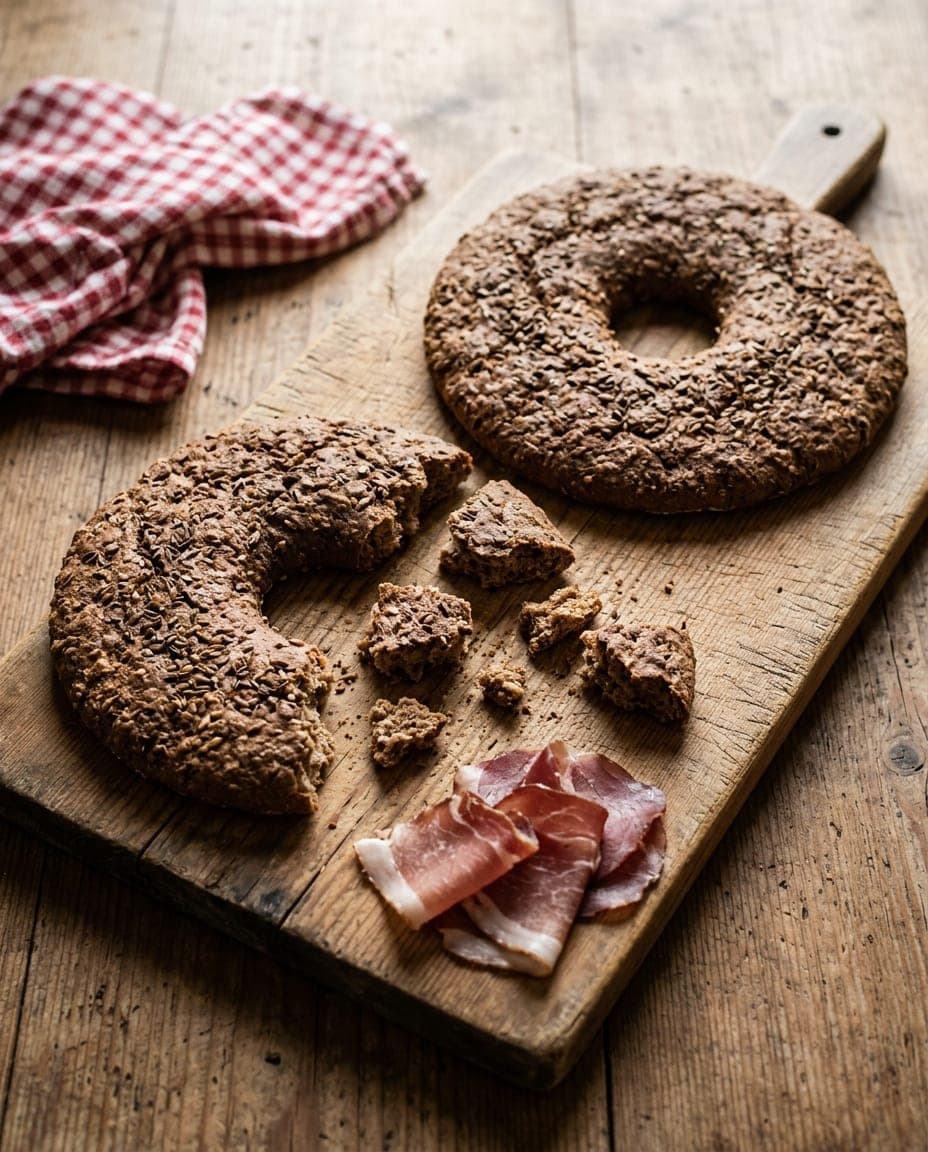
Viande séchée du Valais IGP
Air-dried beef from the Valais, cured with mountain herbs
- Local name
- Viande séchée du Valais
- Served with
- Rye bread, cheese, pickles
- Best eaten at
- A Valais carnotzet
- Pairs with
- Fendant or Petite Arvine
What it is
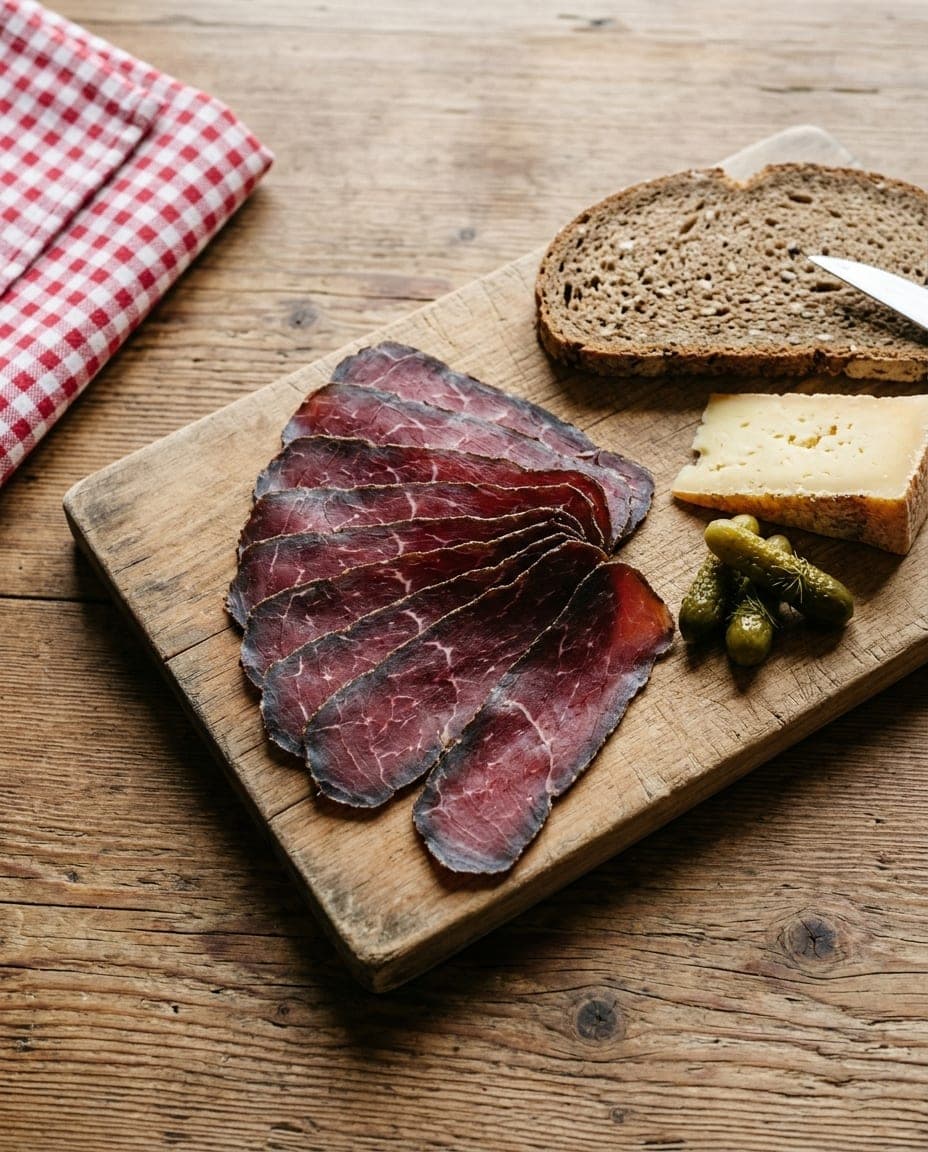
Viande séchée du Valais IGP is a cured meat from Switzerland's Valais valley, where the dry alpine air allows beef to age without rotting. The product comes from cuts of the beef thigh, from cattle born, raised and slaughtered in Switzerland, which are salted, rubbed with spices and mountain herbs and often pressed during the drying process. Once ready, the meat is sliced paper-thin, revealing a dark red interior with a faint sweetness that distinguishes it from other European cured meats.
It holds the status of an Indication Géographique Protégée (IGP), a label that confirms its origin and traditional method within the valley. The dish is not a national staple found across all of Switzerland but rather a regional speciality tied to the specific climate of Valais. It serves as the valley's counterpart to the Bündnerfleisch from Graubünden, though local producers insist the difference lies in the specific blend of herbs used and the unique dryness of the air that surrounds them.
The drying process
The preparation begins with selecting beef from the hind leg. The meat is first salted to draw out moisture and preserve it, then rubbed with a mixture of mountain herbs. Unlike many cured meats that are smoked, this one relies entirely on the air for preservation. Traditionally the pieces were hung in well-ventilated lofts where the dry valley air circulated freely; today most drying happens in controlled drying rooms.
During this period, which lasts five to sixteen weeks depending on the size of the piece, the meat loses 40 to 50 per cent of its weight and concentrates in flavour. It is often pressed into a rectangular shape to ensure even drying and to create a uniform texture for slicing. The result is a firm, dark red product that can be kept for months if stored correctly. The process requires patience and, traditionally, the dry climate of the Valais.
How it is eaten
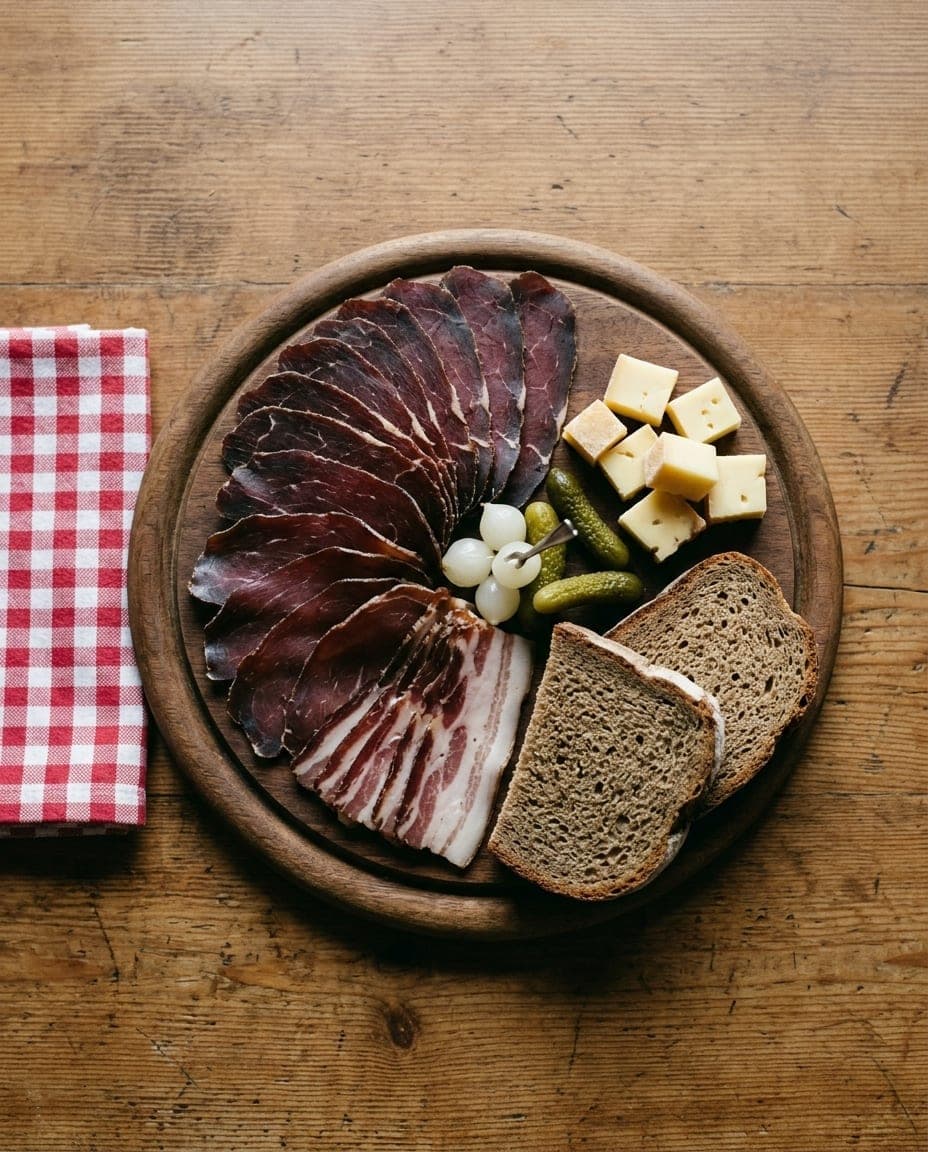
The meat is always served cold, never cooked or heated. It arrives on a wooden board with dark Valais rye bread, slices of raclette cheese cut cold, raw ham and pickled gherkins and onions. The thin slices are arranged in a fan shape, allowing the diner to taste the meat on its own before combining it with the bread and cheese.
A glass of Fendant, the local dry white wine from Chasselas grapes, is the traditional companion. Some prefer Petite Arvine, another aromatic white from the valley. The dish is typically enjoyed as an appetiser or a light lunch component rather than a heavy main course. The setting is often a carnotzet, the small vaulted cellar room attached to a house or a restaurant in the valley, built for drinking wine and eating cold food.
Curious facts
- The IGP label matters. The "Valais" in the name is protected by law, meaning only beef cured and dried in the canton of Valais under the IGP rules can bear the title.
- Herbs define the taste. While the meat is similar to other dried beef products, the specific blend of mountain herbs used in Valais gives it a distinct aromatic profile.
- Pressed into shape. Many producers press the pieces during drying, which gives a flatter, more regular shape and an even texture for slicing.
- No smoking involved. The curing relies solely on the dry alpine air and salt, with no smoke used to flavour or preserve the meat during the process.
- A winter staple. While available year-round in shops, the traditional curing season often aligns with the colder, drier months of late autumn and winter when the valley air is driest.
Where to try it
The Valais itself, on the board of any mountain restaurant or carnotzet, usually as part of an assiette valaisanne with the cheese and the bread.
Butchers in Sion, Sierre, Martigny and Brig sell it by weight, sliced on the machine while the customer waits, which is cheaper than the vacuum packs and noticeably better. The IGP mark is what separates it from dried beef cured elsewhere and sold under a Valais-sounding name.
Where to try it
1 region
 Panoramic Trains3 destinations
Valais
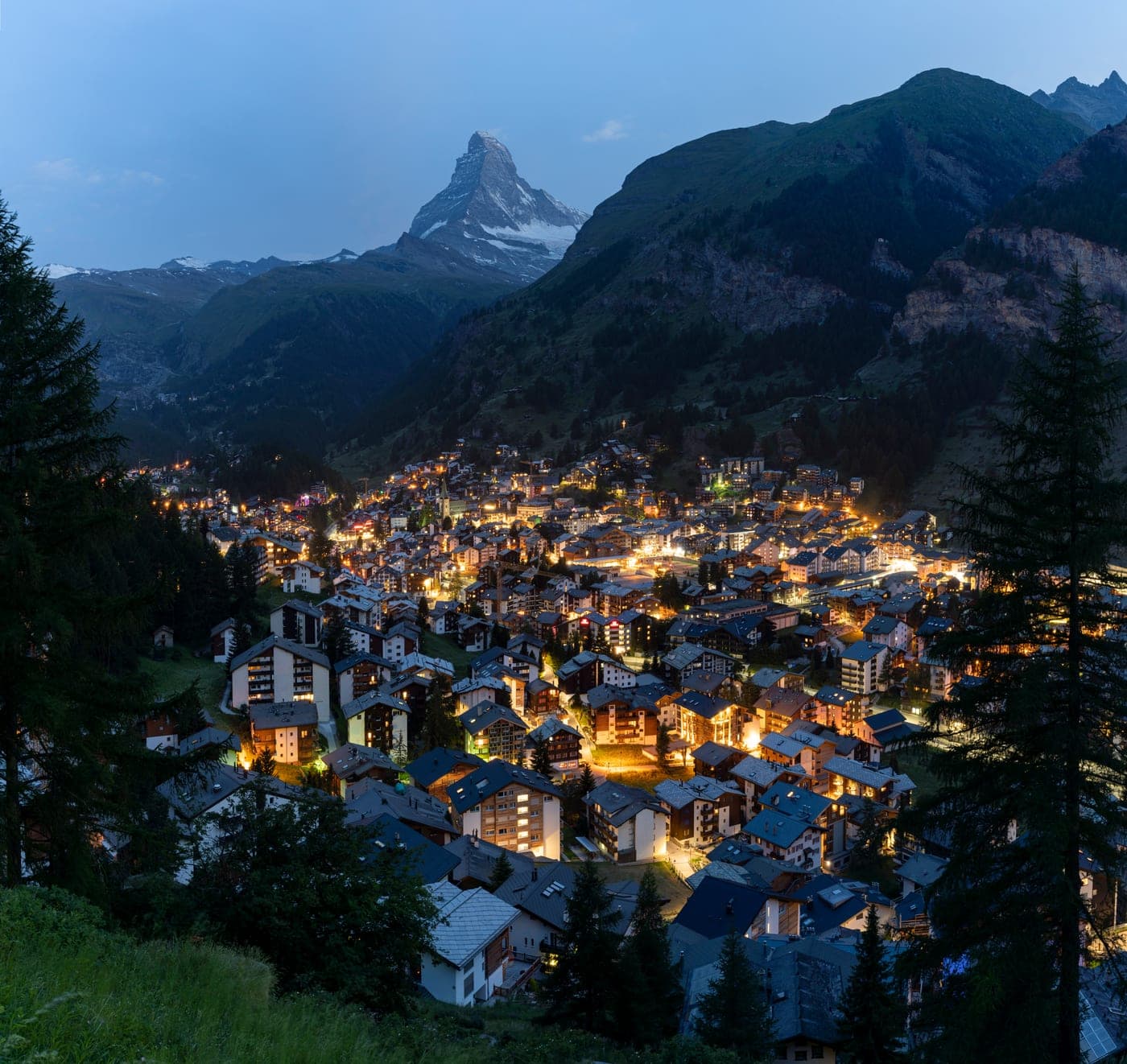
Valais is a prominent region in Switzerland, known for its striking alpine landscapes and rich cultural heritage. It is home to the famous Matterhorn and the largest ski area in the country. The region is characterized by its terraced vineyards, which produce unique wines like Fendant and Dôle. Sion, the capital, boasts a medieval old town and ancient castles. Zermatt, a car-free village, offers access to breathtaking hiking trails. The region is also famous for its local cheeses and traditional festivals, including the Fête de la Saint-Bernard. With stunning mountain scenery and charming villages, Valais invites exploration beyond the typical tourist path.
Panoramic TrainsHikingLocal CuisineWine Tasting