Thurgauer Most (cider)
Fermented apple cider from Switzerland's orchard canton
- Alcoholic
- Local name
- Thurgauer Most
- Served
- Chilled, by the glass
- Best eaten at
- A Thurgau farm Besenbeiz
- Pairs with
- Tilsiter cheese
What it is
Thurgauer Most is the signature drink of Switzerland's eastern canton of Thurgau, an area so thick with apple trees that the rest of the country has nicknamed it Mostindien, or "cider India", since a satirical magazine coined the name in the 1850s, playing also on the canton's India-like outline on the map. It is pressed by big cider houses and small farms alike, but its roots are in the region's orchard meadows. The term covers two distinct states: Süssmost and Saurer Most.
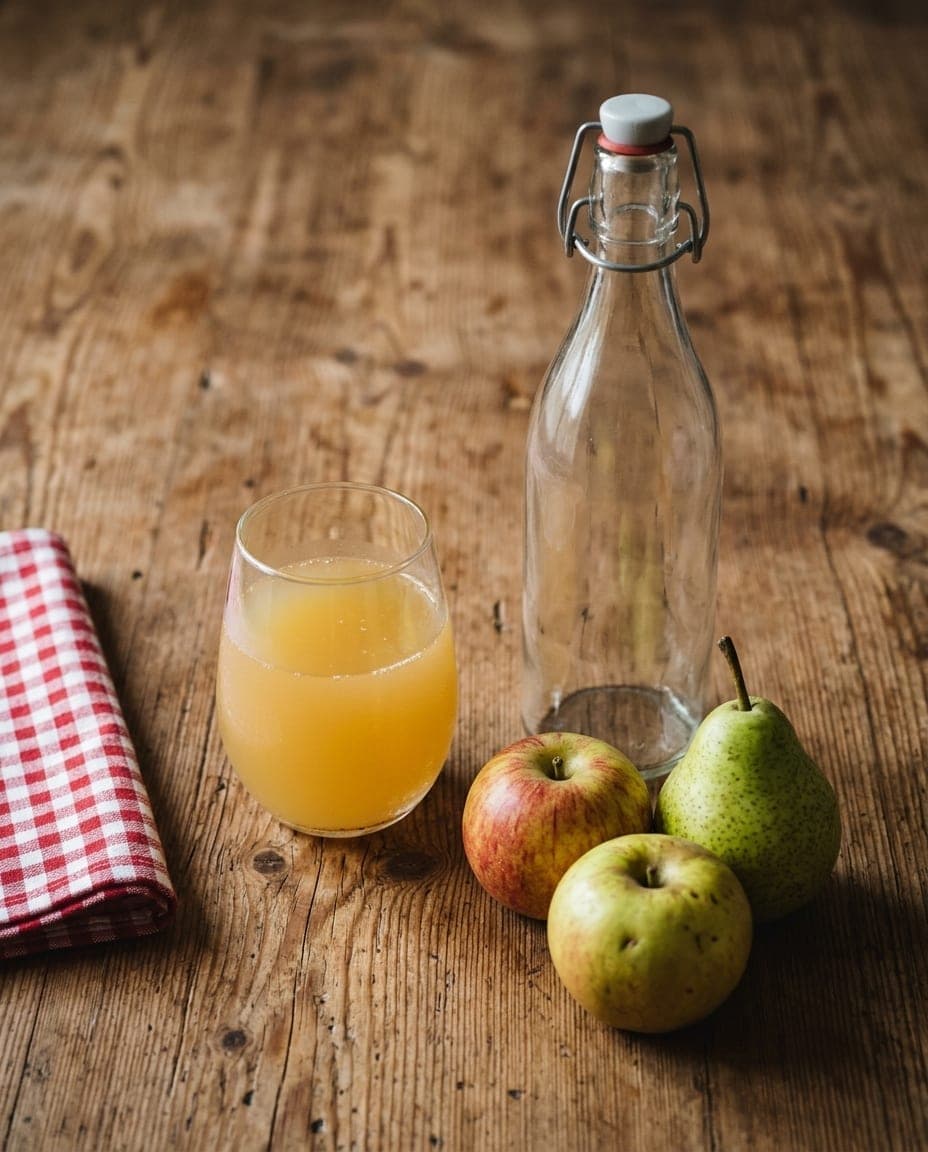
Süssmost is the fresh, unfermented juice pressed directly from the apples and pears, sweet and cloudy. However, the drink that defines the canton is Saurer Most, a dry, lightly sparkling cider that results when that same juice ferments naturally in large wooden or steel vessels. The process turns the sugary must into a sharp, refreshing beverage with a gentle fizz. It is served chilled, often by the glass, and carries a subtle complexity that depends on the fruit varieties in the press.
How it is made
The story of Thurgauer Most begins in the landscape itself. The region is defined not by rows of dense plantation trees, but by high-stem fruit trees scattered across open meadows and pastures. This traditional form of agriculture allows the trees to grow tall and strong while the grass beneath them supports grazing cattle. The orchards are a working part of the local ecosystem rather than an isolated crop.
Pressing takes place between September and November, once the fruit has ripened on the tree. Farmers gather the apples and pears, often using varieties that might be too tart for fresh eating but perfect for fermentation. The juice is extracted and transferred to storage vessels where it sits undisturbed. Over weeks or months, yeasts, either wild ones from the fruit skins or added cultures, begin to work, turning the sugar into alcohol and carbon dioxide. The result is a cloudy, pale gold drink that tastes of orchard, earth, and dry fermentation.
Where it is served
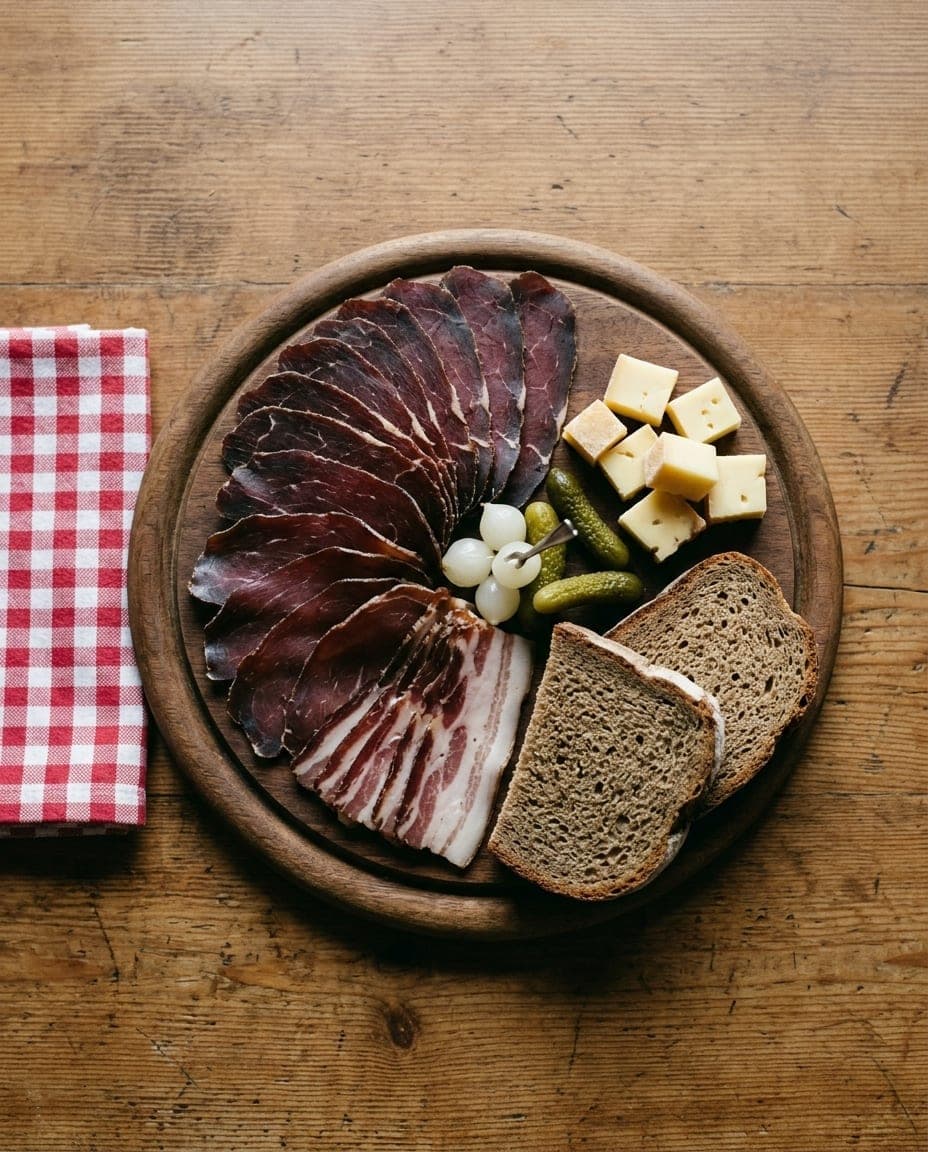
The true home of Thurgauer Most is not a commercial bar or a supermarket shelf, but the Besenbeiz, a farm tavern. These small establishments often open only on certain days or in certain seasons. They are typically run by farmers who serve their own produce alongside simple local food.
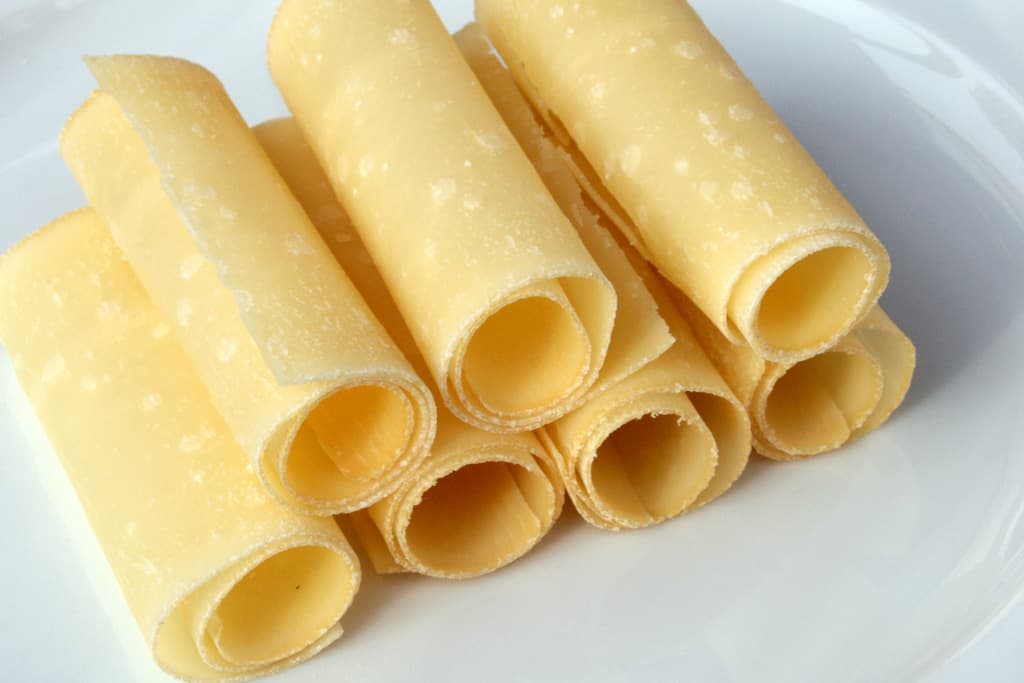
The name comes from the broom — Besen — traditionally hung outside to show the tavern is open, the same custom as the Besenwirtschaft of southern Germany. The menu is short: bread, sausage, and a slice of Tilsiter, the canton's own cheese, against the sharpness of the cider.
Curious facts
- The name means "must". The word Most refers to the unfermented juice in German, but in Thurgau it has come to describe the finished fermented drink as well.
- High-stem trees. Unlike modern commercial orchards where trees are low and dense, the fruit here grows on tall trunks in open meadows, a style that dates back centuries.
- A seasonal window. The pressing season runs from September to November, when fresh Süssmost is sold straight from the press.
- Natural fizz. The light sparkle in the cider comes from natural fermentation in the vessel, not from added carbonation or machinery.
- Regional identity. Thurgau has the largest orchard area in Switzerland, with more than 200,000 high-stem trees, and cider is part of its self-image rather than a niche product.
Where to try it
Thurgau, at a Besenbeiz — a farm tavern, often open only on set days, with a broom hung at the gate. They are scattered across the canton, thickest in the orchard country around Amriswil and Romanshorn, near Lake Constance.
Farm shops sell both the sweet must and the fermented cider year-round, often in bag-in-box packs, and the pressing season from September to November is when the presses are running and the fresh juice is sold at the gate.
Where to try it
1 destination
 Boat Rentals
Romanshorn
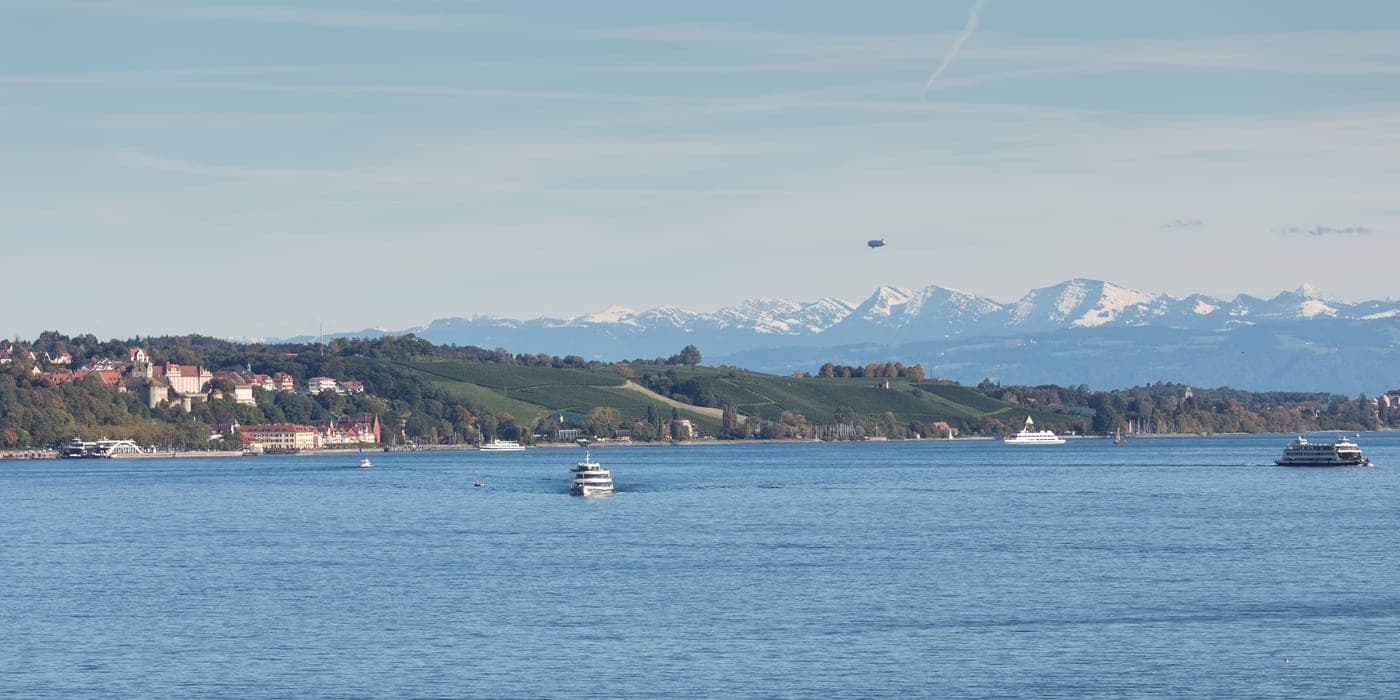
Charming lakeside town with scenic promenades and vibrant festivals.
Boat RentalsHiking
1 region
- Boat Rentals2 destinations
Thurgau
Thurgau sits in Switzerland's northeastern corner, where the land slopes gently down to the wide, calm water of Lake Constance, known locally as the Bodensee. It is the second-smallest canton in the country, and it feels like it: distances between towns are short, the land is soft and rolling rather than steep, and nothing here rushes past a visitor. This is a region built for slow travel — there is plenty to do, but everything worth doing rewards unhurried attention: an orchard in bloom, a market stall selling the season's first apples, a small harbour town with a castle looking out over the water. Locals sometimes call Thurgau "Mostindien" — cider country. Apple and pear orchards cover much of the land between the lake and the low ridges further inland, and the cider pressed from them, known as Most, is part of everyday life here. Spring brings blossom across whole hillsides; autumn brings the harvest, farm stalls, and village festivals built around it. Between the two, the land settles into a green, unhurried rhythm suited to walking. Vineyards share the same gentle slopes, especially where they catch the sun above the lake, and tasting the local wine is usually a quiet, low-key affair. The towns follow the shoreline and the rivers rather than clustering into one center. Frauenfeld, the cantonal capital, sits inland on the Murg river and carries its history in a castle that still overlooks the old town, alongside a museum and a market square that fills on trading days. Along the lake, small towns such as Arbon, Romanshorn, and Kreuzlingen each keep their own character — a harbour, a promenade, an old quarter — without growing large enough to feel like cities. Further along the shore, Ermatingen and Steckborn sit among orchards and vineyards, their waterfronts backed by half-timbered houses and quiet gardens. Inland, the historic towns hold their own stories. Diessenhofen, on the Rhine near the canton's northern edge, keeps a medieval old town and a covered wooden bridge across the river. Bischofszell, where two rivers meet, has a compact center of painted facades and a bridge that has carried travellers for centuries. Nearby, the former Carthusian monastery of Kartause Ittingen now holds art collections, a working farm, and gardens open for a slow afternoon walk. Several small places rather than one big draw is what makes Thurgau work as a slow itinerary. Three to four days is usually enough to link a few lake towns with a stop or two inland, leaving room to sit somewhere for an hour instead of checking sights off a list. A typical stretch might pair a morning in Frauenfeld's old town with an afternoon by the water in Romanshorn or Arbon, or set aside a full day for the orchard country around Ermatingen when the trees are in blossom or heavy with fruit. Medieval castles and fortified manor houses turn up more often than the region's quiet reputation suggests, many still standing amid farmland. Paths link several of them across field edges and orchard rows: Thurgau's landscape is meant to be walked through slowly, with a stop for cider, a plate of local cheese, or a piece of fruit tart along the way. Lake Constance shapes the region's mood as much as its geography. The water is wide enough to blur into the sky on a still day, and the shoreline towns face out toward Germany across it, giving Thurgau a quietly international feel without the crowding that comes with better-known Swiss lakes. Fishing still happens here on a small, local scale, and lake fish shows up on menus in towns along the shore. Thurgau rewards patience more than a packed itinerary. There is no single landmark built to justify a special trip; instead there are orchards, small harbours, a scattering of castles, and towns that stay interesting for an afternoon. Anyone planning time here does better setting a loose route between three or four towns and leaving space between them than trying to cover the whole canton.
Boat RentalsHiking