Taillaule
The lemon-scented brioche of Neuchâtel with raisins
- Vegetarian
- Local name
- Taillaule
- Served with
- Butter, jam
- Best eaten at
- A Neuchâtel Sunday breakfast
- Pairs with
- Coffee
What it is
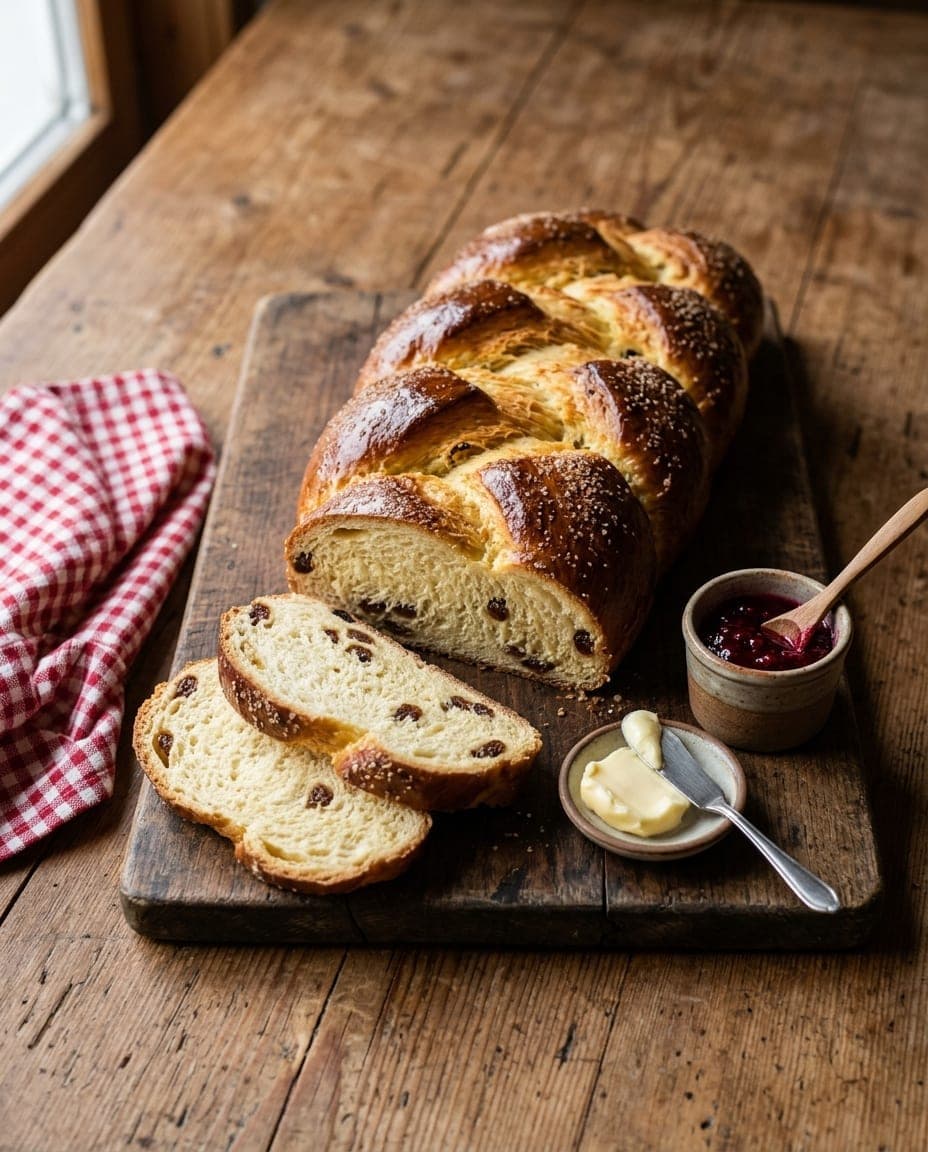
The taillaule is a distinctive loaf from the canton of Neuchâtel, where it occupies a space between bread and cake. It is an enriched wheat dough, leavened with yeast and rich in butter and eggs, usually studded with raisins and scented with lemon zest. The result is a soft, slightly sweet loaf that feels substantial enough for a meal yet delicate enough to be treated as a pastry.
The name is usually traced to the French tailler, to cut, after the cuts snipped into the top of the loaf before baking. These cuts let the dough expand evenly in the oven and leave a characteristic jagged pattern along the top. Today the loaf is baked in a long, rectangular tin, which gives it its elongated shape; older taillaules were shaped as rings or flattened rounds, and the tin seems to have taken over around the 1960s. While it resembles a brioche in texture, the addition of raisins and the specific form tie it firmly to Neuchâtel bakeries rather than French pastry shops.
How it is made
The dough for a taillaule relies on a high proportion of butter and eggs to create its tender crumb. Lemon zest is folded into the mixture to provide a bright, citrus note that cuts the fat. Raisins are distributed throughout the loaf, offering bursts of sweetness against the savoury undertones of the yeast and butter, though some bakers leave them out.
Bakers shape the dough into a long form and place it in a deep tin. Before baking, they glaze it with egg and snip the top with scissors, in a zigzag or a row of diagonal cuts. These cuts are essential for the final appearance, as the dough rises through them to form a golden, jagged crest. The loaf bakes until the crust turns a deep golden brown and the interior is fully cooked but remains soft.
Where it comes from
This bread belongs to Neuchâtel. It is not a dish found across Switzerland, and it is rarely seen even in neighbouring cantons like Vaud or Bern. Instead, it is a local speciality that defines the baking traditions of the region around Lake Neuchâtel.
A similar brioche, without raisins, is recorded at an official meal in 1748. Once a luxury, the loaf now appears in bakeries throughout the year and remains a staple available at any time from local bakeries.
How to eat it
The taillaule is best enjoyed as part of a leisurely breakfast, particularly on a Sunday morning in Neuchâtel. It is sliced thick and served warm or at room temperature, accompanied by a generous slab of butter or a jar of fruit jam. The texture invites the eater to dip a slice into coffee or tea, allowing the lemon and raisin flavours to mingle with the hot beverage.
Strong black coffee is the usual pairing: the butter in the loaf holds against the bitterness, and the lemon lifts both. It is not typically eaten as an evening snack; rather, it anchors the morning meal in Neuchâtel households and café tables.
Curious facts
- The cut defines the name. The scissor cuts along the top are the defining feature of the loaf. Without them, the bread would simply be a standard enriched loaf.
- A regional identity. Unlike many Swiss specialities that appear in multiple cantons, the taillaule is unique to Neuchâtel and rarely found elsewhere.
- An 18th-century pedigree. A brioche made to a similar recipe is recorded at an official meal on 21 July 1748, though without raisins.
- A breakfast staple. The loaf is traditionally served at Sunday breakfasts, often with coffee, rather than as a dessert or side dish.
- Baked in a tin. The long, rectangular baking tin gives the modern taillaule its specific shape and ensures even rising through the cuts.
Where to try it
A bakery in Neuchâtel or one of the wine villages along the lake — Auvernier, Cortaillod, Saint-Blaise — where it is baked through the week and sold whole or by the half.
It is a Sunday-morning loaf above all, bought on the way home from the market with the newspaper. Outside the canton it is little known, even in Vaud and Bern next door, which both have enriched loaves of their own.
Where to try it
1 destination
 Boat Rentals
Neuchâtel
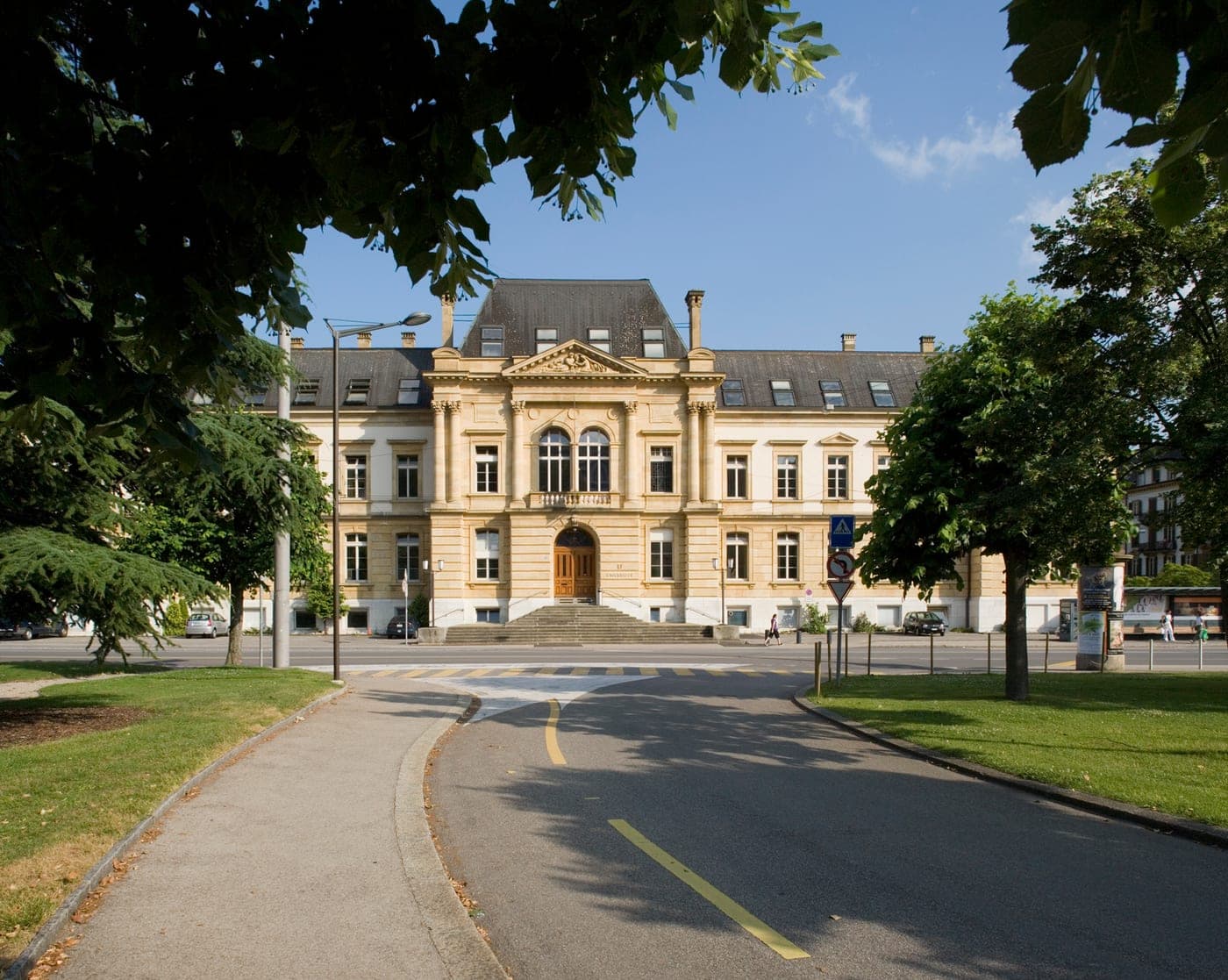
Scenic lakeside city known for its university, watchmaking, and historic architecture.
Boat RentalsHiking
1 region
- Boat Rentals2 destinations
Neuchâtel
Neuchâtel is known for its rich watchmaking heritage and stunning lake views. It is the only region in Switzerland that borders Lake Neuchâtel, providing opportunities for lakeside strolls and water activities. The town of Neuchâtel, with its medieval castle and vibrant university atmosphere, is the largest in the region. Smaller towns like La Chaux-de-Fonds and Le Locle are UNESCO World Heritage sites, recognized for their historical significance in watchmaking. The region also boasts beautiful vineyards producing white wines, particularly Chasselas. Scenic hikes in the Jura mountains offer breathtaking panoramas and a chance to engage with nature. Local festivals celebrate traditional crafts and culinary delights unique to this area.
Boat RentalsHiking