Saucisse aux choux vaudoise IGP
Smoked pork and cabbage sausage from Vaud
- Local name
- Saucisse aux choux vaudoise
- Served with
- Papet vaudois
- Best eaten at
- A Vaud village pinte
- Pairs with
- Vaud Chasselas
What it is
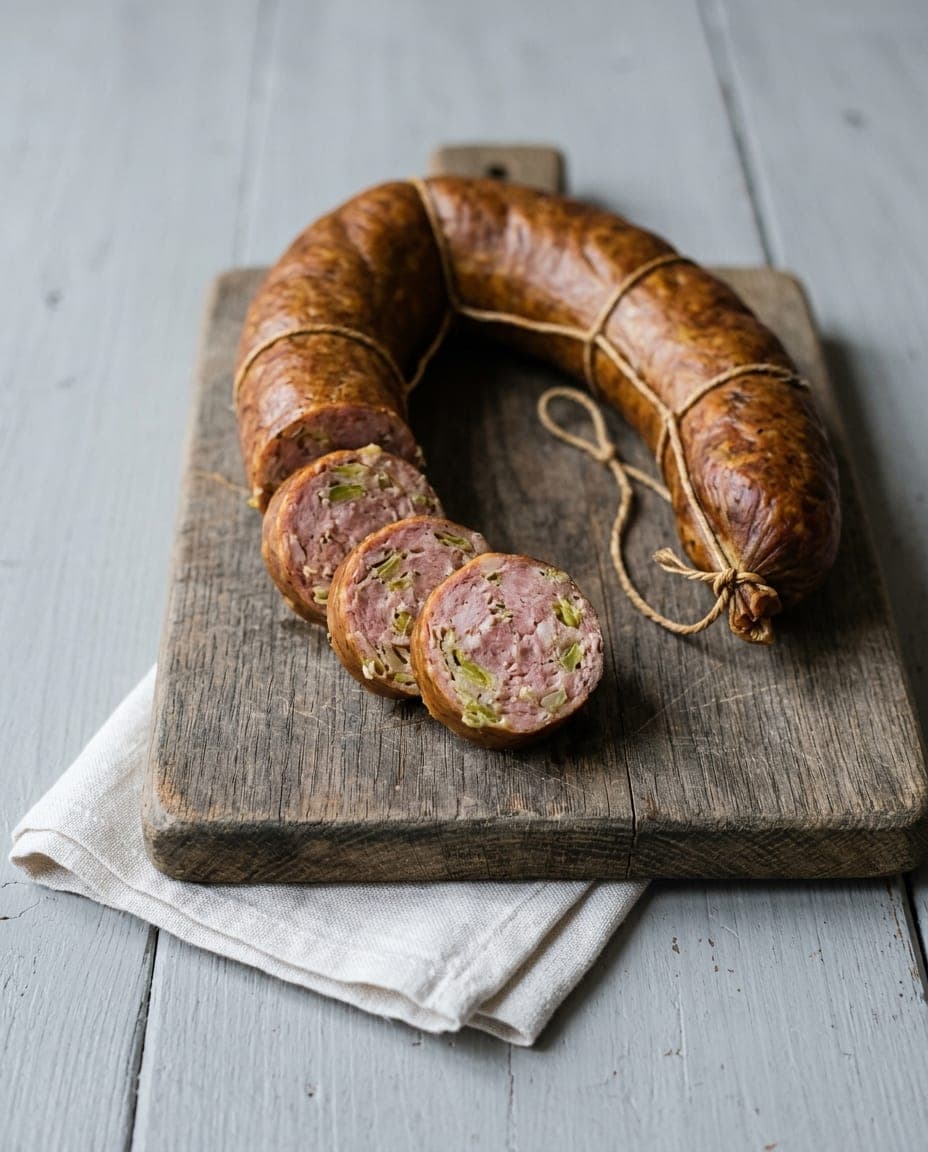
The saucisse aux choux vaudoise is a distinctive cured meat from the canton of Vaud in western Switzerland. It is a smoked pork sausage where blanched, chopped white cabbage is mixed into the meat before curing and smoking, giving the final product a lighter texture and a subtle sweetness that sets it apart from standard Swiss sausages. The sausage carries IGP (Protected Geographical Indication) status, meaning it must be made within the canton of Vaud and follow the registered method.
Unlike many sausages that are sliced cold for sandwiches or fried as a side, this variety is almost always served hot. It arrives on the plate already poached in its own juices or a light broth, ensuring the meat remains tender. The cabbage content prevents the sausage from becoming too dense, creating a texture that sits comfortably alongside hearty stews rather than competing with them.
The fixed pairing
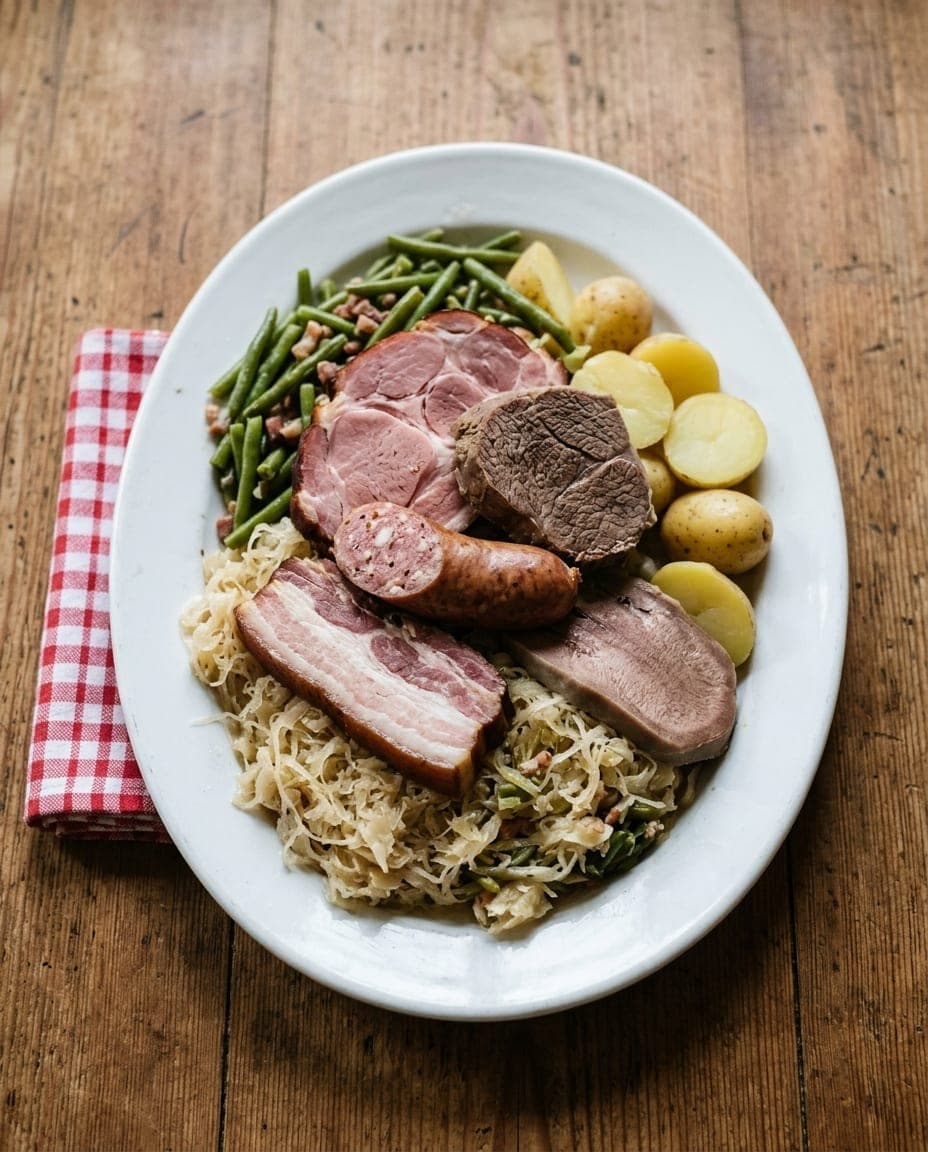
The saucisse aux choux vaudoise has a companion so closely linked to it that the two are rarely mentioned without each other. That partner is the papet vaudois, a rustic dish of leeks and potatoes cooked slowly, often with a splash of white wine, until soft. The combination is considered a complete meal in its own right, eaten mainly from mid-September to April.
The preparation involves poaching the sausage directly in the liquid of the papet or alongside it, allowing the cabbage-infused meat to absorb the earthy flavour of the leeks while the potatoes soak up the smoky juices. The result is a harmonious blend where the savoury cured pork cuts through the sweetness of the potatoes and leeks. This pairing is not merely a suggestion but a standard expectation in traditional Vaud households and village taverns.
How it is made
The production process begins with fresh pork, which is ground and mixed with blanched, pressed white cabbage and spices before being stuffed into curved natural beef casings. The sausages are then cold-smoked over sawdust or wood, softwood or hardwood, which imparts the characteristic aroma and golden-brown colour. Unlike many cured meats that are aged for months to develop a hard texture, its maturation is cut short, so it keeps a softer consistency suitable for poaching.
The IGP rules require the sausage to be made in Vaud from pigs born, raised and slaughtered in Switzerland; the pork and cabbage may come from anywhere in the country, and the smoking must be done by traditional cold smoking, without chemical colouring. No specific recipe is published for public consumption, as each producer guards their own ratio of meat to vegetable, but the outcome remains consistent: a moist, smoky sausage that is never grilled or fried on its own.
How to eat it
It is at its best in a Vaud village pinte, the small wine-country tavern that serves local produce and little else. The saucisse aux choux vaudoise arrives alongside the papet vaudois, often in a large communal pot or on a deep plate where the sausage rests atop the leek and potato stew. It is eaten with a knife and fork, cutting the sausage into bite-sized pieces that are mixed with the soft vegetables.
A glass of Vaud Chasselas, the region's crisp white wine, is the traditional accompaniment. The acidity of the wine balances the fat of the smoked pork and the sweetness of the cabbage. While the dish is substantial enough to be a main course, it is often shared among several diners in the pinte setting, reflecting the communal nature of Vaud dining culture.
Curious facts
- Cabbage inside the casing. The inclusion of cabbage within the sausage mixture is unusual for Swiss cured meats and gives this variety its distinctive lightness.
- Never grilled. It goes into simmering water or onto the stew, never onto a grill; the casing splits and the fat is lost.
- A regional pair. The names saucisse aux choux vaudoise and papet vaudois are so linked that menus often list them together as a single offering.
- Vaud specific. While other Swiss cantons produce smoked sausages, only those from Vaud with the IGP label can use this specific name.
- A legend from 879. Local legend says the sausage was born in Orbe in 879, when an imperial household stayed there and butchers stretched the short supply of meat with cabbage; smoking came later, in the Middle Ages.
Where to try it
A village pinte in Vaud, in the vineyard country above Lake Geneva or in the foothills of the Jura, from the first cold weather onwards. It comes on the papet as a matter of course.
Butchers across the canton sell it raw and smoked, to be poached at home, and it is a fixture of the region's markets through the winter. The IGP mark on the label is what separates it from a plain smoked sausage made anywhere else.
Where to try it
1 region
 Boat Rentals10 destinations
Vaud
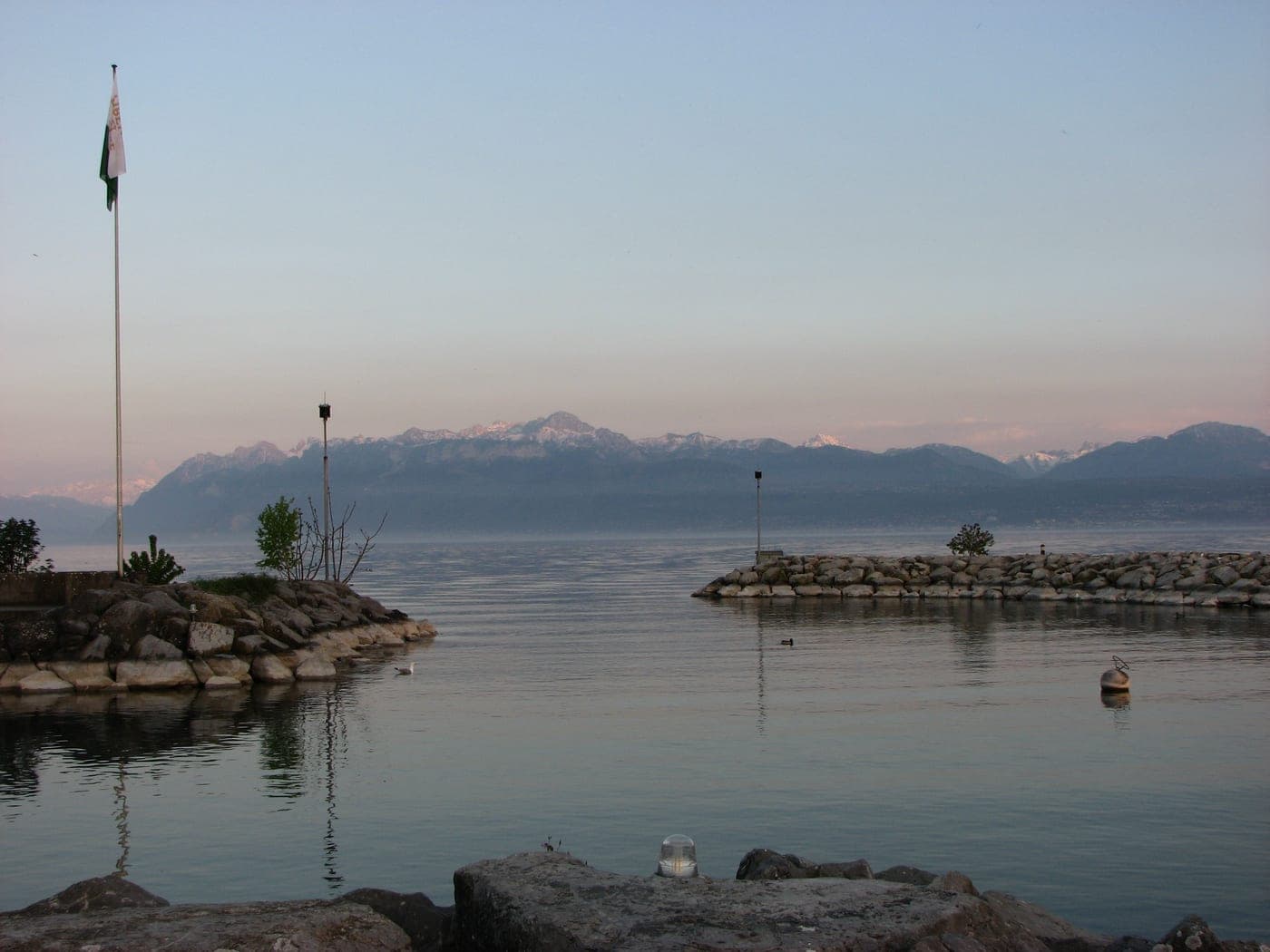
Vaud is a diverse region known for its stunning landscapes and rich cultural heritage. Nestled along the shores of Lake Geneva, it features the city of Lausanne, home to the Olympic Museum and a vibrant cultural scene. The region is famous for its vineyards, particularly the Lavaux vineyards, a UNESCO World Heritage site, offering breathtaking views and local wine tastings. Montreux, known for its jazz festival, sits nearby, while the medieval town of Yverdon-les-Bains boasts historical thermal baths. Vaud also offers numerous hiking trails in the Jura mountains, providing a glimpse into Swiss natural beauty. With a blend of urban and rural experiences, Vaud is ideal for those seeking to explore Switzerland's lesser-known gems.
Boat RentalsHikingLocal CuisineWine Tasting