Polenta
Coarse cornmeal slow-stirred in copper, served with stews
- Vegetarian
- Local name
- Polenta
- Served with
- Brasato, luganighe or cheese
- Best eaten at
- A Ticino grotto
- Pairs with
- Merlot del Ticino
What it is
Polenta is the name given to maize flour cooked slowly in water and salt until it reaches a thick, creamy consistency. In Switzerland it is eaten in many places, but it is most closely tied to Ticino, the Italian-speaking canton in the south. Here, the term usually means a coarse, yellow cornmeal that has been stirred for an hour or more until it pulls away from the sides of the pot.
This is not a quick side dish or a light starter. It is a substantial base, a dense and warming foundation meant to support heavier ingredients. In the Ticino valleys, polenta is rarely eaten on its own. It arrives at the table as a bed for stews, braised beef, or sausages, or it is mixed with melted cheese until the grains are coated in a deep, golden layer. The texture ranges from soft and spoonable to firm enough to hold its shape when sliced after cooling.
The method of cooking remains largely unchanged in traditional settings. The maize is stirred over a low flame for a long time, often requiring constant attention to prevent lumps or burning. This labour-intensive process was once the daily sustenance for farming families, yet today it retains a place of honour on menus in the region's rustic taverns.
The history of maize in the southern valleys
Maize polenta spread into Ticino from neighbouring Lombardy towards the end of the 18th century, first in the Leventina, and only in the 19th century did it reach the whole canton. In the lower valleys the soil and weather suited maize better than wheat or rye, and the grain became the staple food of the poor, eaten every day for generations.
Unlike some culinary traditions that romanticise their origins, Ticino does not hide the humble roots of this dish. For a long time, polenta was the food of the working class, the labourers who toiled in the fields and the vineyards. It provided the energy needed for long days of physical work. The fact that it was once a meal of necessity does not diminish its status today; rather, it adds a layer of authenticity to the way it is prepared and served.
The arrival of maize changed the local diet significantly. While wheat remained for bread in some households, maize became the primary grain for the majority of the population. By the late 19th century, the dish was so deeply embedded in daily life that it defined the culinary identity of the region. Even as other foods became available, polenta remained a constant presence on the table.
The copper pot and the grotto
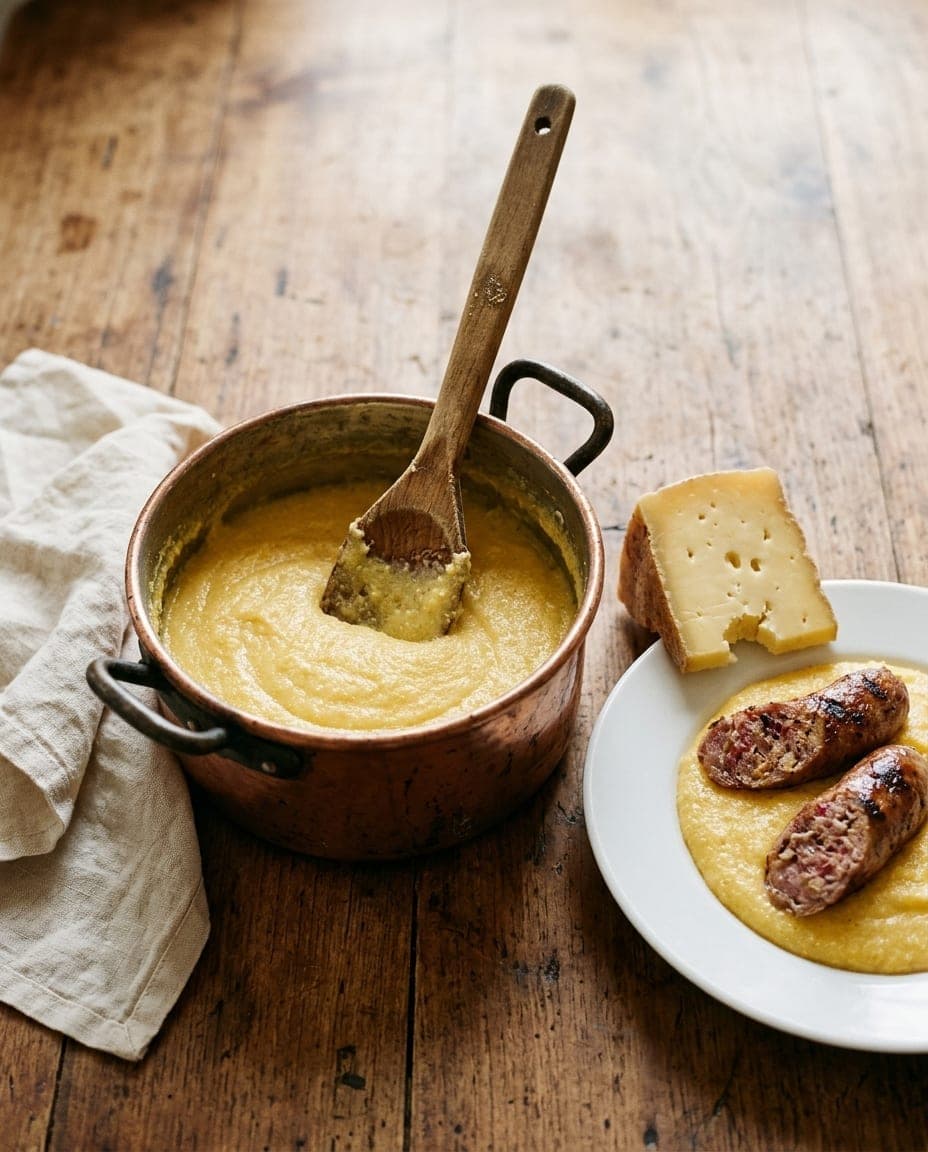
The cooking vessel is central to the experience of authentic Ticinese polenta. In traditional kitchens, particularly those found in the grotti, the maize is cooked in a paiolo. This is a large, hanging copper pot suspended over an open wood fire. The copper conducts heat evenly, allowing the grain to cook slowly without scorching, while the open flame imparts a subtle smokiness to the dish.
A grotto is a type of rustic tavern or restaurant, often located in a cellar or a cave-like space with stone walls and low ceilings. These establishments are common throughout Ticino and serve as the heart of local social life. In many grotti, the cooking area remains visible to diners, allowing them to watch the cook stir the polenta with a long wooden spoon. The rhythmic motion is essential; without constant stirring, the mixture would stick to the bottom or form lumps that ruin the texture.
The paiolo is not merely a tool but a symbol of this culinary tradition. While modern electric stoves and aluminium pots are used in some kitchens for convenience, the copper pot over wood remains the standard for those seeking the true character of the dish. The slow cooking process requires patience and skill, turning simple maize into something rich and complex.
What goes into it
The ingredients for Ticinese polenta are few, yet their quality matters greatly. The base is always coarse yellow maize flour, which provides a distinct grainy texture and a nutty flavour that finer varieties lack. Salt is added to the water to season the grain as it cooks, but no other spices or fats are typically mixed in during the initial cooking phase.
The dish comes alive when it is served with its traditional accompaniments. In Ticino, polenta is most often paired with one of three options: a rich beef stew known as brasato, a local sausage called luganighe, or melted cheese. The choice depends on the season and the occasion, but each combination offers a different profile of flavour and texture.
- Brasato: A slow-braised beef dish cooked with wine, onions, and herbs until the meat falls apart. The deep, savoury sauce soaks into the polenta, creating a moist and hearty meal.
- Luganighe: These are fresh local pork sausages, seasoned with salt, pepper, spices and sometimes wine. They are grilled or fried and served alongside or on top of the polenta.
- Cheese: In colder months the cheese goes into the pot — formaggio d'alpe ticinese or another alpine wheel — and is stirred through until the grains are coated.
The result is a dish that feels substantial and warming, designed to provide sustenance after a long day outdoors. The maize itself has no strong flavour of its own; it acts as a canvas for the ingredients served with it.
How to eat it
Polenta in Ticino is eaten at lunch or dinner, often in the company of others at a communal table. In a traditional grotto, the dish is served hot and soft, ready to be eaten immediately. It is common to see diners using a fork to scoop up the polenta along with the meat or cheese, allowing the sauces to mix together on the plate.
The tables are long and shared, and the polenta comes to them in the pot.
A glass of local wine complements the meal perfectly. Merlot del Ticino is the regional red wine that pairs best with polenta, its fruity notes cutting through the fat of the cheese or the heaviness of the beef stew. The wine is not an afterthought but an essential part of the dining experience in this region.
For those visiting a grotto, the meal often begins with a simple starter before moving to the main course of polenta and its toppings. It is a dish meant to be savoured slowly, allowing the flavours of the maize and the accompaniments to settle on the palate. The texture should be soft yet substantial, holding together without being stiff or dry.
Curious facts
- The copper pot is essential. While aluminium or stainless steel pots are used elsewhere, the paiolo in Ticino ensures even heat distribution and prevents burning during the long stirring process.
- Maize was a poor person's food. For centuries, polenta was the daily meal of the working class in Ticino, providing energy for labourers rather than being a luxury item.
- The grotto is the home of the dish. These rustic taverns, often with stone walls and low ceilings, are where the traditional cooking method over wood fire remains most common.
- Merlot is the canton's grape. Ticino was replanted with Merlot after phylloxera destroyed its vineyards, and Merlot del Ticino is what is poured with polenta.
- It is a regional emblem. Polenta is eaten well beyond Ticino in Switzerland, from the Graubünden valleys to the Rhine valley with its own Ribelmais, but nowhere is it as central to the local identity as here.
Where to try it
The best place to eat polenta is in a traditional grotto in the Ticino valleys. These establishments are found in towns such as Locarno, Bellinzona, and smaller villages along the Maggia or Verzasca rivers. In these grotti, the dish is prepared daily using the same methods that have been used for generations.
In the smaller valleys the paiolo still hangs over a wood fire and the stirring is done in sight of the tables. Grotti are seasonal in the upper valleys — many close through the winter — so autumn is the point at which the cooking and the opening hours line up.
Where to try it
1 region
 Boat Rentals1 destination
Ticino
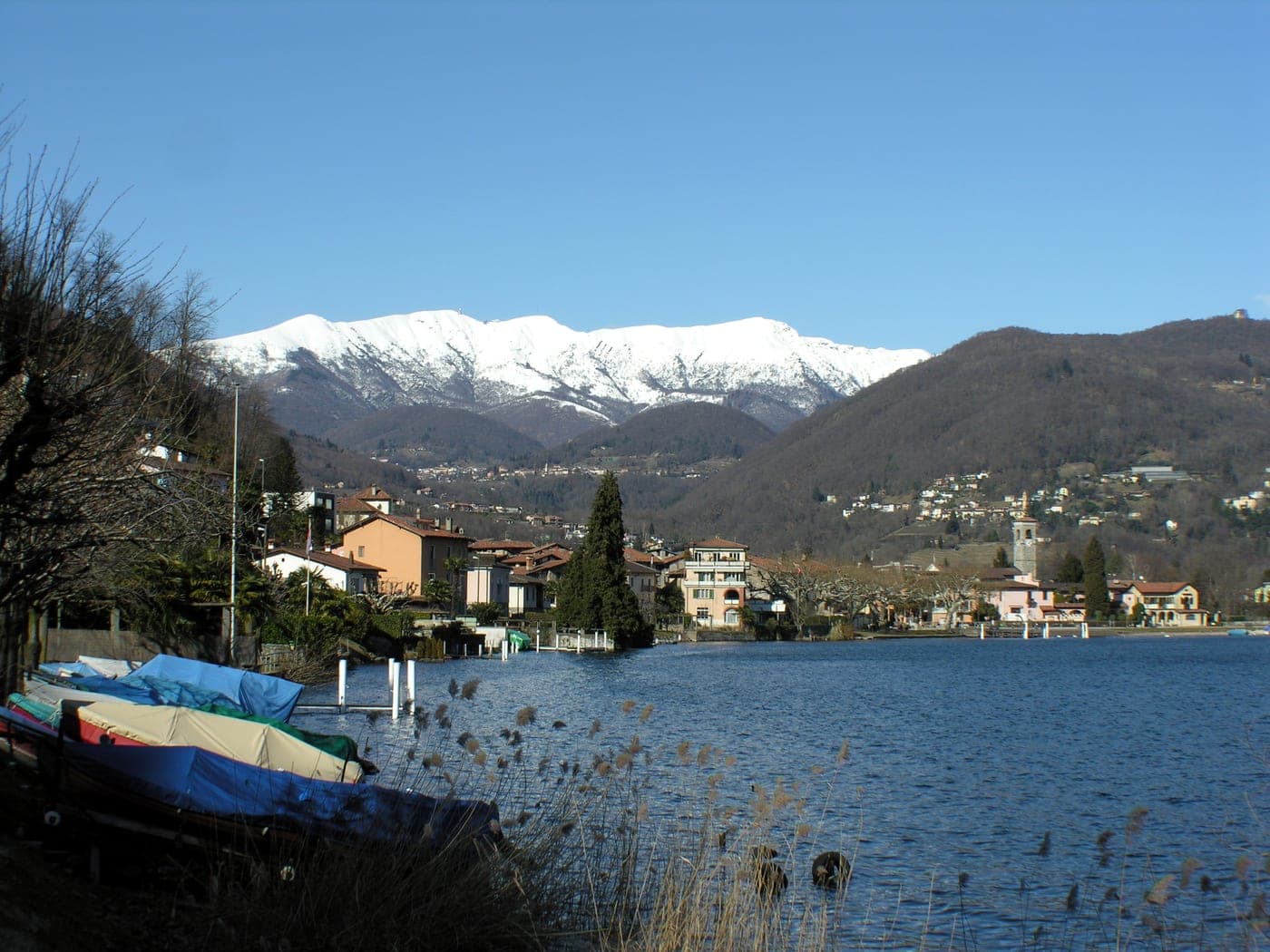
Ticino, the only Italian-speaking region in Switzerland, offers a unique blend of Mediterranean flair and Swiss efficiency. It features stunning landscapes, from the rugged peaks of the Alps to the lakeside beauty of Lugano and Locarno. The region is renowned for its picturesque villages like Morcote, where narrow streets lead to lakeside views. Known for its rich culinary traditions, Ticino is famous for polenta and Merlot wine, showcasing a blend of Italian and Swiss influences. Historic sites such as Castello di Montebello and the UNESCO-listed Bellinzona fortifications reflect its strategic importance. With its mild climate, Ticino is a haven for hiking, cycling, and exploring local markets, making it ideal for a relaxed travel experience.
Boat RentalsHiking