Marroni (roasted chestnuts)
Roasted sweet chestnuts sold in paper cones across Ticino
- Vegetarian
- Local name
- Marroni
- Served with
- Hot, in a paper cone
- Best eaten at
- Ticino autumn chestnut festivals
- Pairs with
- Merlot del Ticino
What it is
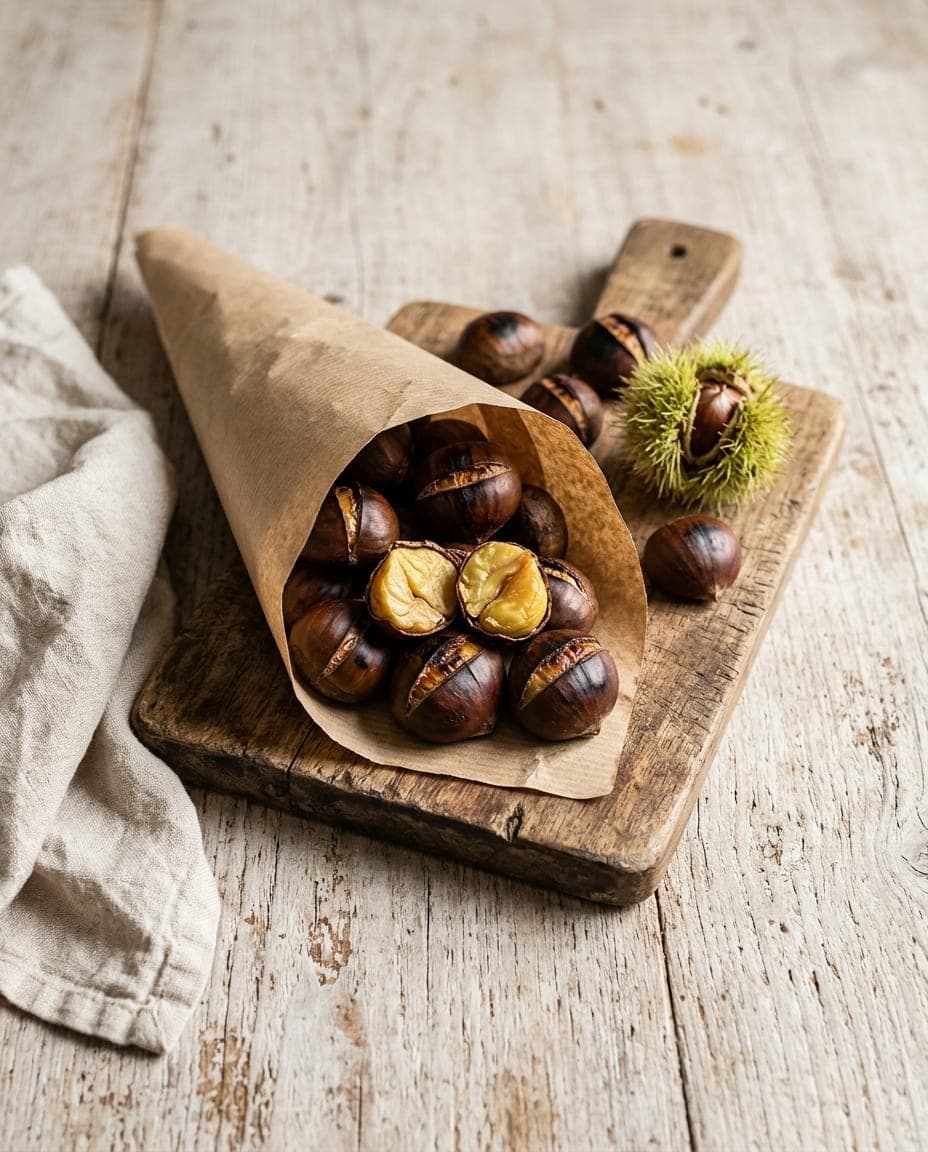
Marroni are simply sweet chestnuts, roasted over open coals and sold by street vendors from October into the new year. The name is the Italian word for the large, sweet cultivated chestnut, and it is used across Switzerland, from Ticino, the southernmost canton, to the German-speaking north. While chestnuts grow in many parts of the country, this specific treat is the defining flavour of the autumn season in the south.
The experience begins with the smell: a warm, nutty aroma rising from the perforated metal pans where the nuts are shaken over embers. They arrive hot, often too hot to hold, wrapped in simple brown paper cones that protect the hands from the heat while keeping the shells crisp. The flesh inside is soft, sweet and slightly floury. This is not a pastry or a cooked dessert served on a plate; it is a snack meant to be eaten standing up, walking along a street corner or watching the leaves fall in a valley village.
The history of the chestnut tree
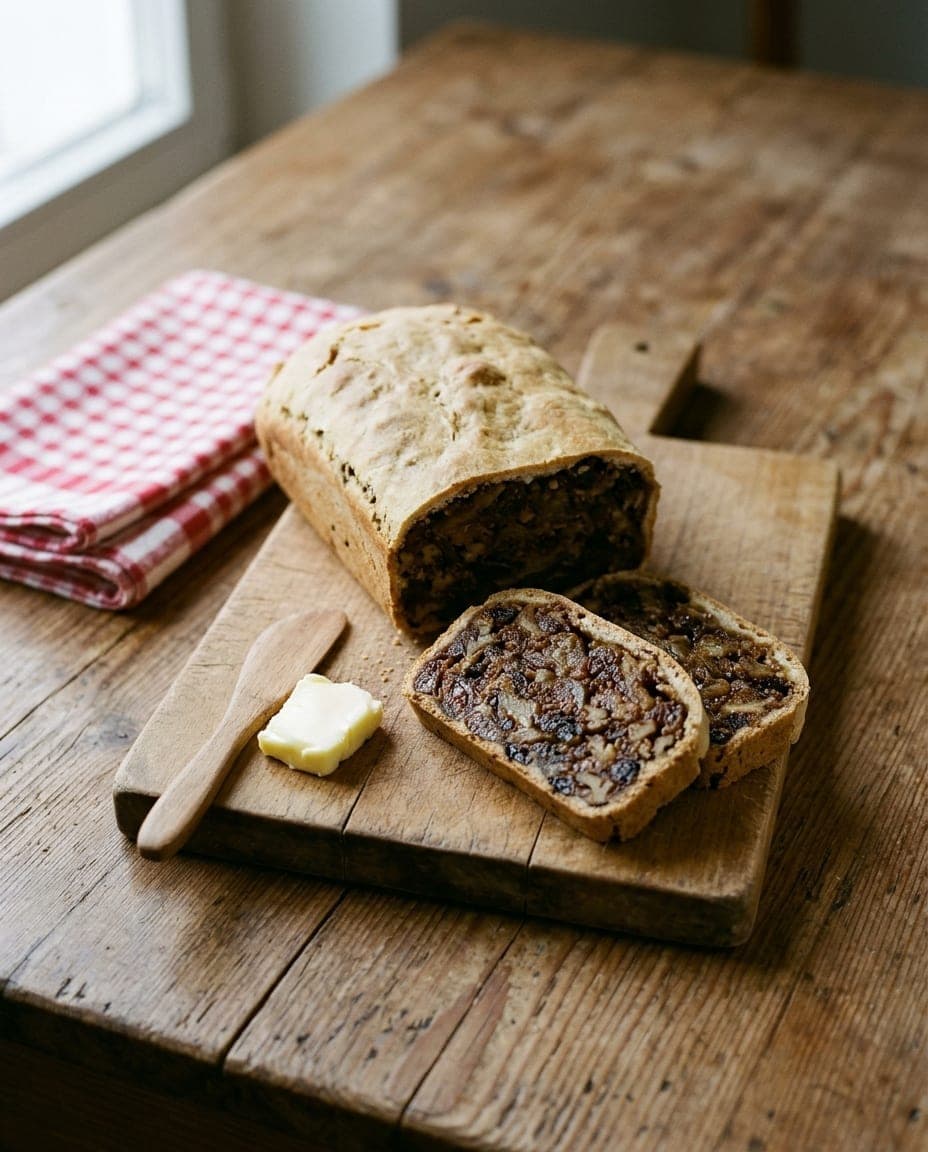
In Ticino, the sweet chestnut tree was once more than a source of food; it was a lifeline. For centuries, the steep southern slopes provided forests that fed the valleys when grain would not grow at higher altitudes or in the poor soil. Before modern transport, these trees sustained entire communities through the winter months. Dried and ground, the nuts made a flour that stood in for bread grain; breads and cakes baked from it are still made in the valleys.
This deep reliance on the tree shaped the landscape and the culture of the region. As agriculture changed and wheat became more accessible, the chestnut moved from a daily necessity to a seasonal celebration. Today, the stands that appear every autumn are a reminder of that era when the harvest determined whether a family would eat well through the cold months. The tradition is not tied to a single inventor or a specific year but has evolved over generations of valley life.
What goes into it
The ingredients are minimal by design. There are no added sugars, spices or oils in the traditional version.
- Sweet chestnuts, selected for their size and sweetness; Ticino's own harvest is small, so most city stands roast nuts from northern Italy, France or Portugal.
- Wood fire or charcoal, used to roast the nuts slowly until the shells split open.
- Salt, scattered on the hot shells by some vendors and left off by others.
The process relies entirely on the quality of the nut and the skill of the roaster. A good stand will turn the chestnuts frequently in the perforated pan to ensure even cooking without burning the outer shell. The result is a nut that is easy to peel when hot, with a skin that separates cleanly from the soft, yellow flesh inside.
How it is eaten
They are bought from the stand and eaten standing beside it, out of the paper cone. The shell is split already from the roasting and comes away between finger and thumb, which is a job best done while they are almost too hot to hold.
The best time to try them is during the autumn festivals held in villages across Ticino. These gatherings often feature rows of roasting stands, local music and a relaxed atmosphere where families gather to watch the nuts cook. The warmth of the food matches the cooling air of the season. A glass of Merlot del Ticino is a common companion, its tannins a foil for the sweetness of the chestnut.
Curious facts
- The cone is part of the ritual. The paper cone is not just packaging; it keeps the hot nuts warm and allows the steam to escape so the shells do not become soggy.
- A winter staple. In some traditional households, chestnuts were dried on racks in attics and stored for months to be used in soups or ground into flour during the long winter.
- The pan is perforated. Chestnuts are roasted in a long-handled pan drilled with holes, set straight over the coals and shaken so the shells char and split without the flesh burning.
- Seasonal timing. The first Ticino chestnuts ripen in October, which is when the village festivals are held and the city stands start to appear.
Where to try it
A street stand, from October into the new year. They appear on the same corners every autumn in Zurich, Bern, Basel and Lucerne as well as across Ticino, usually outside a station or at the edge of a market square, and they are gone again by spring.
Ticino is where the tradition is rooted rather than transplanted. The chestnut villages in the Malcantone and the valleys above Locarno hold castagnate through October — roasting festivals where the nuts are done by the sackful over open fires, with Merlot poured beside them — and the chestnut woods on the slopes above are the reason any of it exists.
Where to try it
1 region
 Boat Rentals1 destination
Ticino
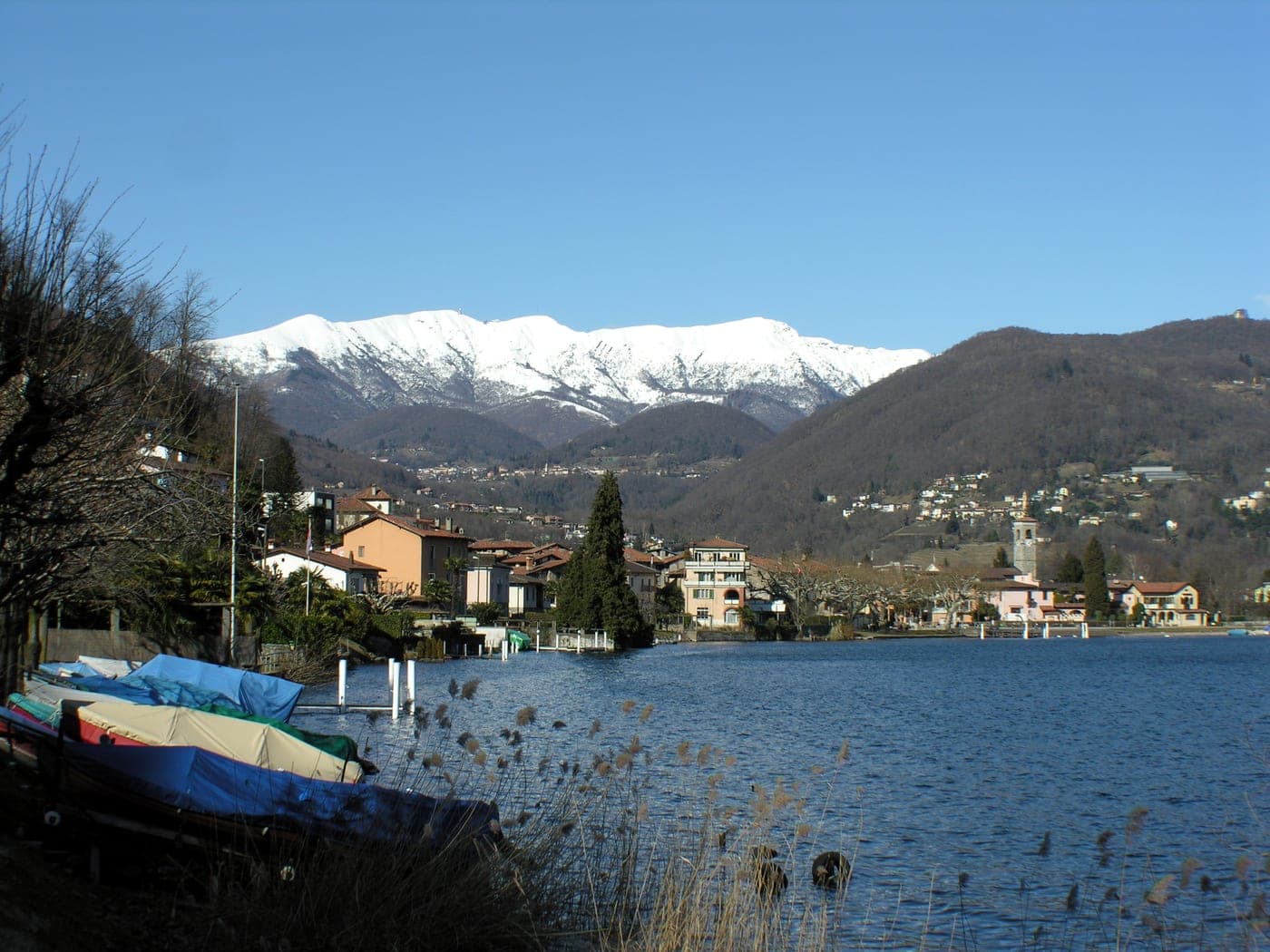
Ticino, the only Italian-speaking region in Switzerland, offers a unique blend of Mediterranean flair and Swiss efficiency. It features stunning landscapes, from the rugged peaks of the Alps to the lakeside beauty of Lugano and Locarno. The region is renowned for its picturesque villages like Morcote, where narrow streets lead to lakeside views. Known for its rich culinary traditions, Ticino is famous for polenta and Merlot wine, showcasing a blend of Italian and Swiss influences. Historic sites such as Castello di Montebello and the UNESCO-listed Bellinzona fortifications reflect its strategic importance. With its mild climate, Ticino is a haven for hiking, cycling, and exploring local markets, making it ideal for a relaxed travel experience.
Boat RentalsHiking