Maluns
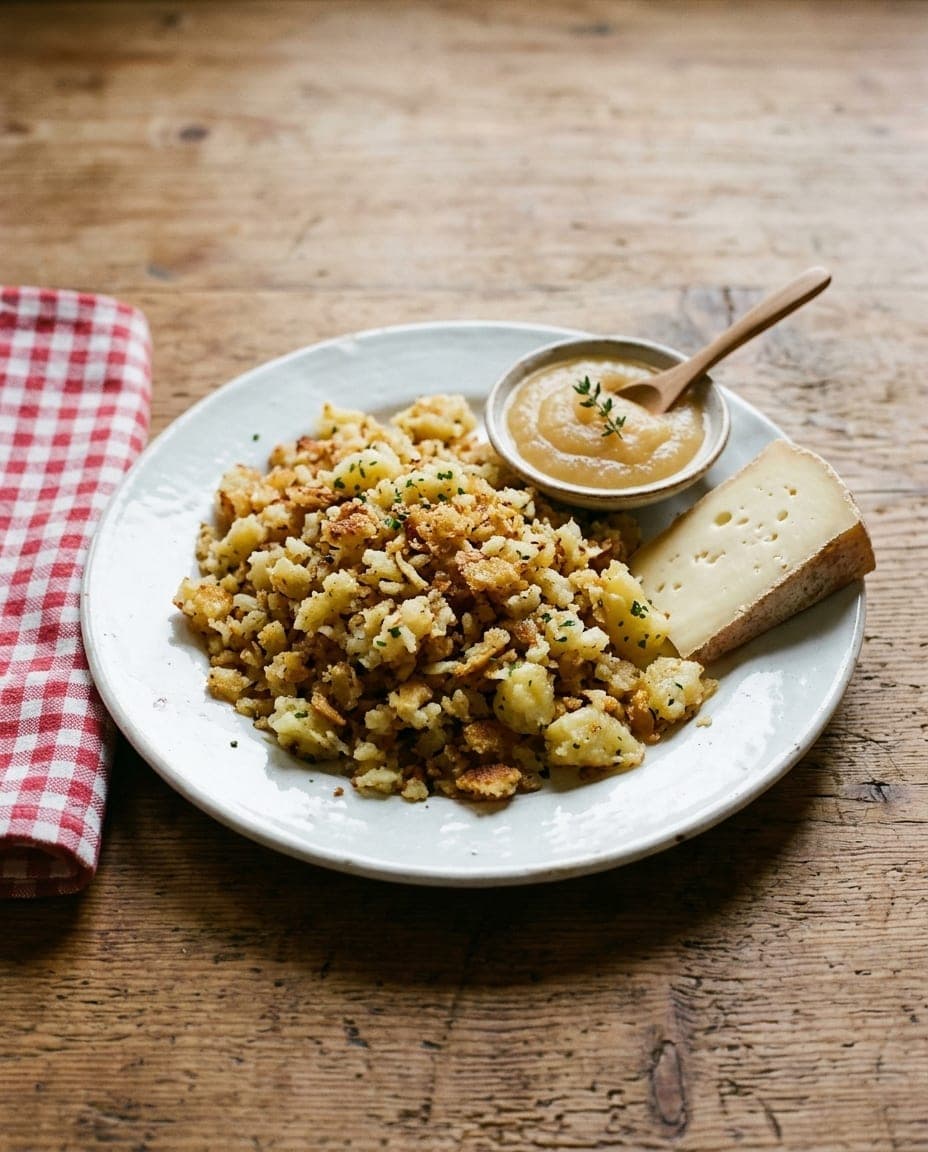
Grated potatoes toasted in butter until crisp crumbs form
- Vegetarian
- Local name
- Maluns
- Served with
- Apple purée, alpine cheese
- Best eaten at
- A Graubünden Gasthaus
- Pairs with
- Milky coffee
What it is
Maluns are a humble but distinctive dish from the Swiss canton of Graubünden. They consist of boiled potatoes that have been grated while cold, mixed with flour and then turned over repeatedly in a heavy pan with plenty of butter until they break down into small, crisp crumbs. The Romansh name goes back to the Latin for "little crumbs"; in German they are also called Bündner Kartoffelribel. The result is neither a traditional hash nor a puree; it is a textured mixture of soft potato interiors and golden, crunchy edges.
The dish is not found on menus across all of Switzerland. It remains a regional speciality tied closely to the valleys of Graubünden. In this mountainous area, where potatoes were once a staple crop for winter survival, maluns represent a way of cooking that turns a simple ingredient into something with depth and texture through patience rather than complex technique.
The method of turning
The preparation relies more on the handling of the potatoes than on any specific recipe. The potatoes are boiled in their skins, ideally the day before they are served, then peeled once cold and grated into fine shreds. Flour (white, or sometimes maize or barley) is worked in by hand until the shreds form small lumps. This pre-boiling ensures the interior is soft enough to melt into the butter without burning too quickly.
The cooking process happens in a heavy pan, often cast iron, over a low flame. A generous amount of butter is melted before the grated potatoes are added. The cook must turn the mixture constantly with a spatula or fork for 40 minutes or more. This turning is the defining action; it cannot be hurried. If the heat is too high, the butter burns and the potatoes stick; if the heat is too low, the potatoes steam instead of toasting.
As the minutes pass, the shreds begin to lose their individual shape, merging into a cohesive mass that slowly darkens to a deep golden brown. The texture shifts from wet and soft to dry and crumbly. The butter does not just coat the potatoes and flour; it is absorbed into them, creating a deep, nutty flavour from the slow browning.
How it is eaten
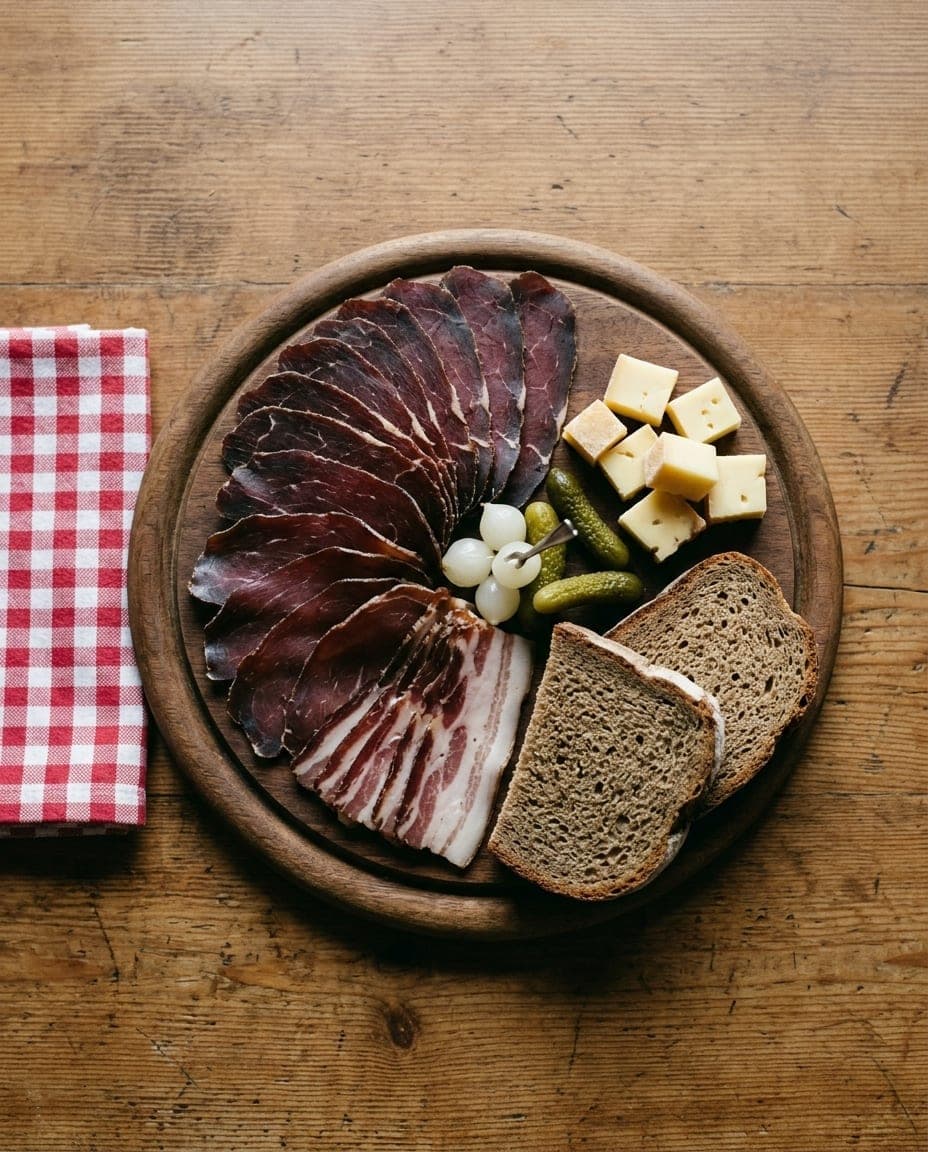
Maluns are traditionally served as a main course or a substantial side dish in a mountain tavern. They are plated hot, often accompanied by a generous dollop of apple purée. The sweetness of the apples balances the savoury, buttery notes of the toasted potatoes. A piece of alpine cheese is often served alongside, sometimes with salsiz or other cured meat.
In the mountains of Graubünden, it is common to drink milky coffee with this dish rather than wine. This habit reflects the local preference for a warming, caffeine-fuelled start to the day or a comforting finish after a long walk in the cold air. The combination of salty butter, sweet apple and earthy potato creates a complete meal that feels both rustic and refined.
The dish is usually eaten at a Graubünden Gasthaus, a type of traditional inn where the food is hearty and the service is straightforward. Where they appear on the menu, they are a hearty offering for hikers or locals gathering for a meal.
Curious facts
- A dish of patience. The cooking time is rarely less than 40 minutes because the potatoes must be turned constantly to prevent burning while they slowly dry out and toast.
- The apple connection. Apple purée is the standard accompaniment, likely chosen because apples grow well in the valleys and provide a necessary sweet contrast to the rich butter.
- Coffee over wine. While many Swiss dishes pair with local wine, maluns are frequently served with milky coffee, a habit specific to mountain taverns where warmth and alertness are valued.
- No single recipe. There is no official version; each cook in Graubünden has their own ratio of butter to potato and their own style of turning the pan.
- Regional identity. The dish is almost exclusively associated with Graubünden and is not a standard item in Swiss restaurants outside this canton.
Where to try it
A Gasthaus in the Graubünden valleys, where it sits on the menu beside the capuns and the barley soup. It takes the better part of an hour, so it is often made ahead or ordered in advance.
It is also farmhouse and mountain food, traditionally a simple supper. Outside Graubünden it is rarely seen, which is unusual for a potato dish in a country that eats as many potatoes as this one.
Where to try it
1 region
 Panoramic Trains15 destinations
Graubünden
Graubünden is Switzerland's largest canton, known for its stunning alpine landscapes and unique cultural heritage. The region is famous for its diverse languages, with Romansh being one of the official languages. Notable cities include Chur, the oldest city in Switzerland, and the resort town of St. Moritz, renowned for winter sports and luxury. The area boasts the breathtaking Engadin Valley, home to picturesque villages like Sils and Maloja, and offers excellent hiking trails in the Swiss National Park. Graubünden is also known for its traditional cuisine, including hearty dishes like Capuns and Pizzoccheri, reflecting its rich agricultural roots. The region hosts lesser-known festivals that celebrate local traditions, adding to its authentic character.
Panoramic TrainsHiking