Luzerner Chügelipastete
A puff-pastry tower of veal meatballs in cream sauce
- Local name
- Luzerner Chügelipastete
- Served with
- Rice, peas and carrots
- Best eaten at
- A Lucerne Gasthaus
- Pairs with
- Swiss white
What it is
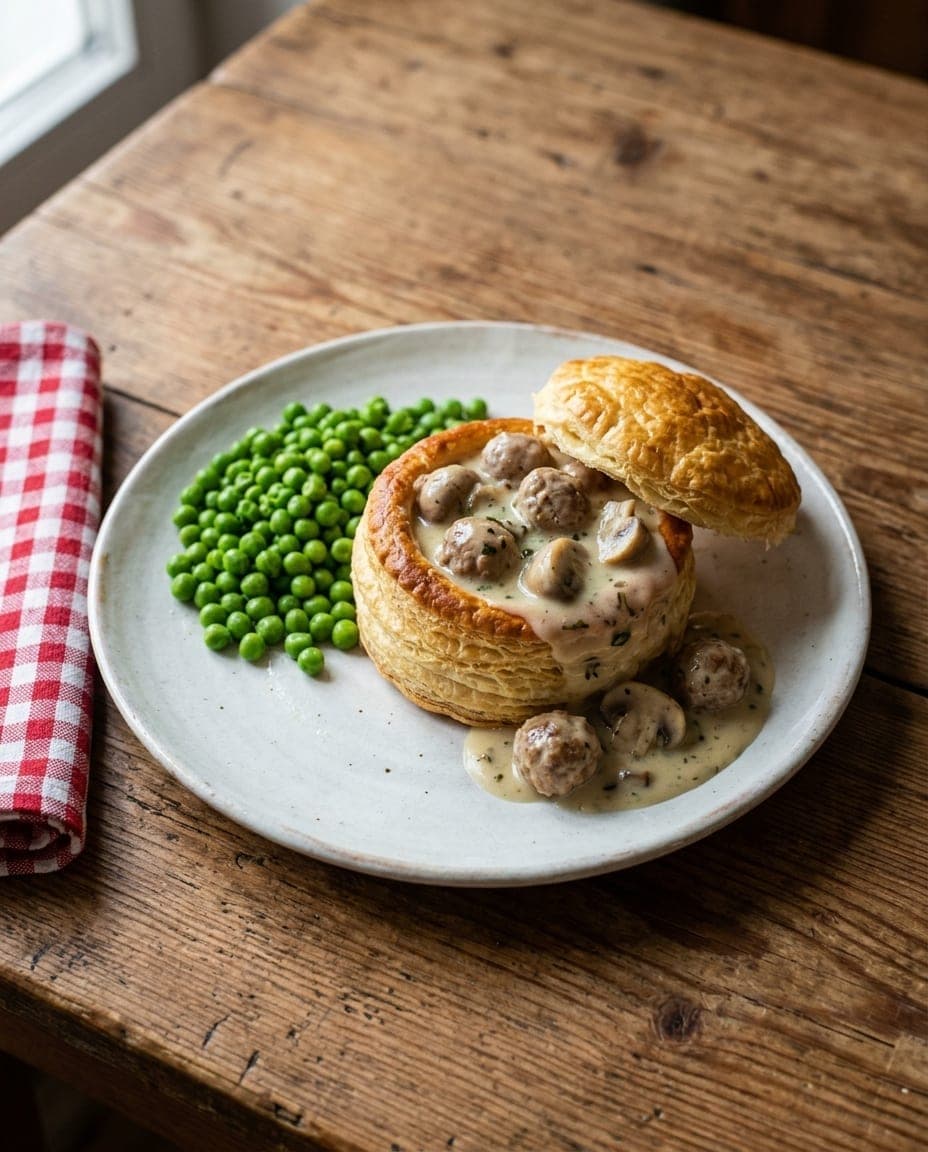
The Luzerner Chügelipastete is a substantial savoury pastry that stands as a formal dish of the Swiss city of Lucerne. It takes the form of a large puff-pastry case, often described as a vol-au-vent or a small tower, which serves as an edible vessel for its filling. Inside sits a ragout of small veal meatballs, known locally as Chügeli, cooked in a creamy sauce with mushrooms and marinated raisins to balance the richness. It is also known as the Fritschipastete, after Fritschi, the figurehead of Lucerne's carnival. A second piece of pastry forms a lid that is placed back on top before serving, creating a sealed, golden dome.
The pastry case is demanding, so many home cooks buy it ready-made from a baker or butcher and make only the filling. It is closely tied to butchers and traditional restaurants. It is a staple of the city's culinary identity, appearing regularly on menus during the winter carnival season, at guild dinners, and as the centrepiece of Sunday lunches in the region.
The history of Lucerne's pastry dish
The origins of the Chügelipastete are tied to the civic culture of Lucerne rather than a single inventor or a specific date. The earliest mentions date from the 18th century, and the form and ingredients have changed since. The dish is associated with the city's guild traditions, in particular the Zunft zu Safran, the guild behind Fritschi and the carnival.
In Swiss urban history, guilds played a central role in civic life. These associations of merchants and craftsmen held regular dinners where specific dishes were served to mark their status and unity. The Chügelipastete fits this pattern perfectly: it is a showpiece dish, large enough to be impressive, yet practical enough to feed a group. Over time, the pastry moved from exclusive guild tables to the wider public menu of the city's restaurants and butcher shops.
While the exact timeline is hazy, the dish has maintained its place for generations. It is often cited as the formal dish of Lucerne, distinguishing the city from other Swiss cantons that might favour different regional specialities. The consistency of its presence on menus suggests a long-standing local preference for this combination of pastry and meat.
What goes into it
The structure of the dish relies on two distinct components: the case and the filling. The case is made from high-quality puff pastry, rolled and baked until it achieves a crisp, layered texture that can support the weight of the filling without collapsing.
The filling is equally specific in its requirements:
- Veal meatballs: Small balls of veal and fine veal-and-pork sausage meat (Brät), poached in stock until tender. They provide the main substance of the dish.
- Cream sauce: A rich white sauce binds the meatballs together, creating a smooth texture that coats every bite.
- Mushrooms: Sliced varieties are added to the mixture, introducing an earthy note that complements the cream and veal.
- Raisins: Marinated raisins are part of the traditional filling, offering a subtle sweetness against the savoury meat and sauce.
The dish is served as a complete meal within its pastry shell, though it is often accompanied by side dishes to balance the richness.
How to eat it
The Chügelipastete is best enjoyed in a traditional Lucerne Gasthaus or a dedicated butcher shop that still prepares the pastry fresh. It is typically presented whole at the table, allowing diners to appreciate the size and golden colour of the case before cutting into it. A knife and fork are essential tools for this dish, as the filling is soft and the sauce requires careful handling.
The standard accompaniment is peas and carrots with rice (or noodles, or even chips). The neutral flavour of the rice and the slight sweetness of the vegetables provide a necessary contrast to the creamy, meat-heavy filling. A dry Swiss white — a Räuschling or a Chasselas from the lake cantons — is the usual glass, for the acidity against the cream.
It is a dish meant for leisurely dining. The portion size is generous, often serving one person as a main course or two people if shared. It is not a quick snack but rather an event, usually reserved for Sunday lunch or special occasions, and above all the carnival season, when the city's culinary traditions are most visible.
Curious facts
- A pastry vessel. The dish is defined by its edible container; the top and sides of the puff pastry form a case that holds the filling, making it distinct from open tarts or pies.
- Guild origins. The dish is historically linked to Lucerne's guild traditions, notably the Zunft zu Safran, whose figure Fritschi gives the pastry its other name, Fritschipastete.
- Butcher shop tradition. Unlike many regional dishes found in farmhouses, this pastry is closely tied to professional butchers and bakers, who supply the cases and often the filling.
- Carnival season link. The dish sees a surge in popularity during the winter carnival season, when local traditions are celebrated with special menu items and public gatherings.
Where to try it
Lucerne, in one of the old Gasthäuser in the streets behind the Chapel Bridge, where it appears on the menu as the city's own dish and is often listed for a minimum of two people.
The butchers are the other source. Several in the city and the surrounding canton make the cases and the filling to order, sold cold to be heated at home, which is how many Lucerne households eat it. It is at its most visible in the weeks of the Fasnacht carnival in February or early March, when the city's restaurants put it on and the butchers' windows fill with them.
Where to try it
1 destination
 Boat Rentals
Lucerne
Scenic lakeside city known for its stunning mountain backdrop and wooden chapel bridge.
Boat RentalsLocal Cuisine
1 region
 Boat Rentals2 destinations
Lucerne
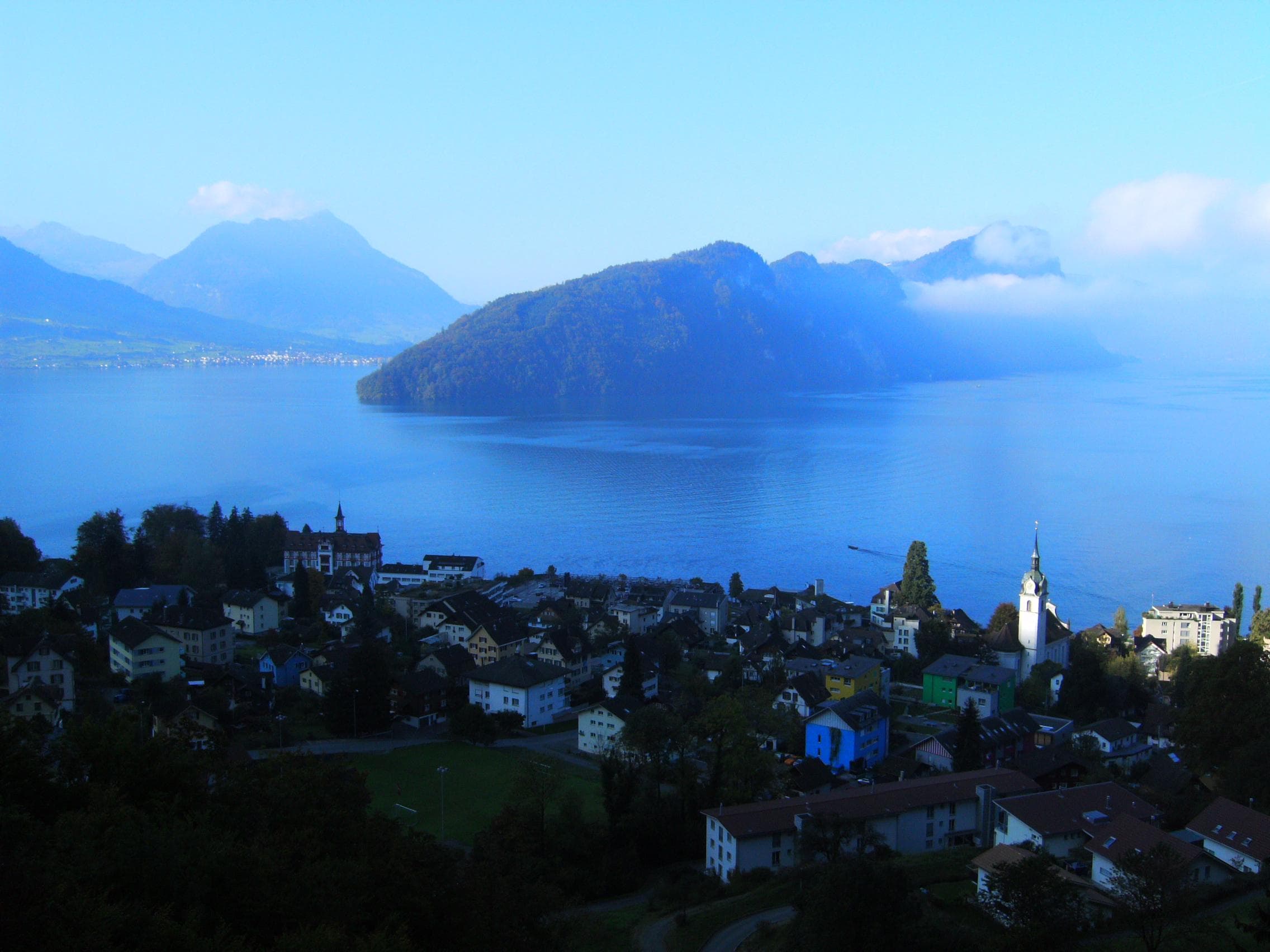
Nestled by Lake Lucerne, this region is surrounded by stunning mountains, including the iconic Pilatus and Rigi. The area is renowned for its rich history, notably the Chapel Bridge, a covered wooden bridge dating back to the 14th century. Lucerne serves as a gateway to nearby villages like Weggis and Vitznau, which offer breathtaking views and hiking trails. The region's culture is reflected in its local festivals, such as Fasnacht, a vibrant carnival celebrated with elaborate masks and costumes. Known for its traditional Swiss cuisine, don't miss the chance to try local specialties like rösti and fondue. Lucerne's blend of natural beauty and cultural heritage makes it a unique destination for exploration.
Boat RentalsHikingLocal Cuisine