Luxemburgerli
Small almond meringues with buttercream, from Zurich
- Vegetarian
- Local name
- Luxemburgerli
- Served with
- Coffee
- Best eaten at
- Confiserie Sprüngli on Paradeplatz
- Pairs with
- Coffee or Champagne
What it is
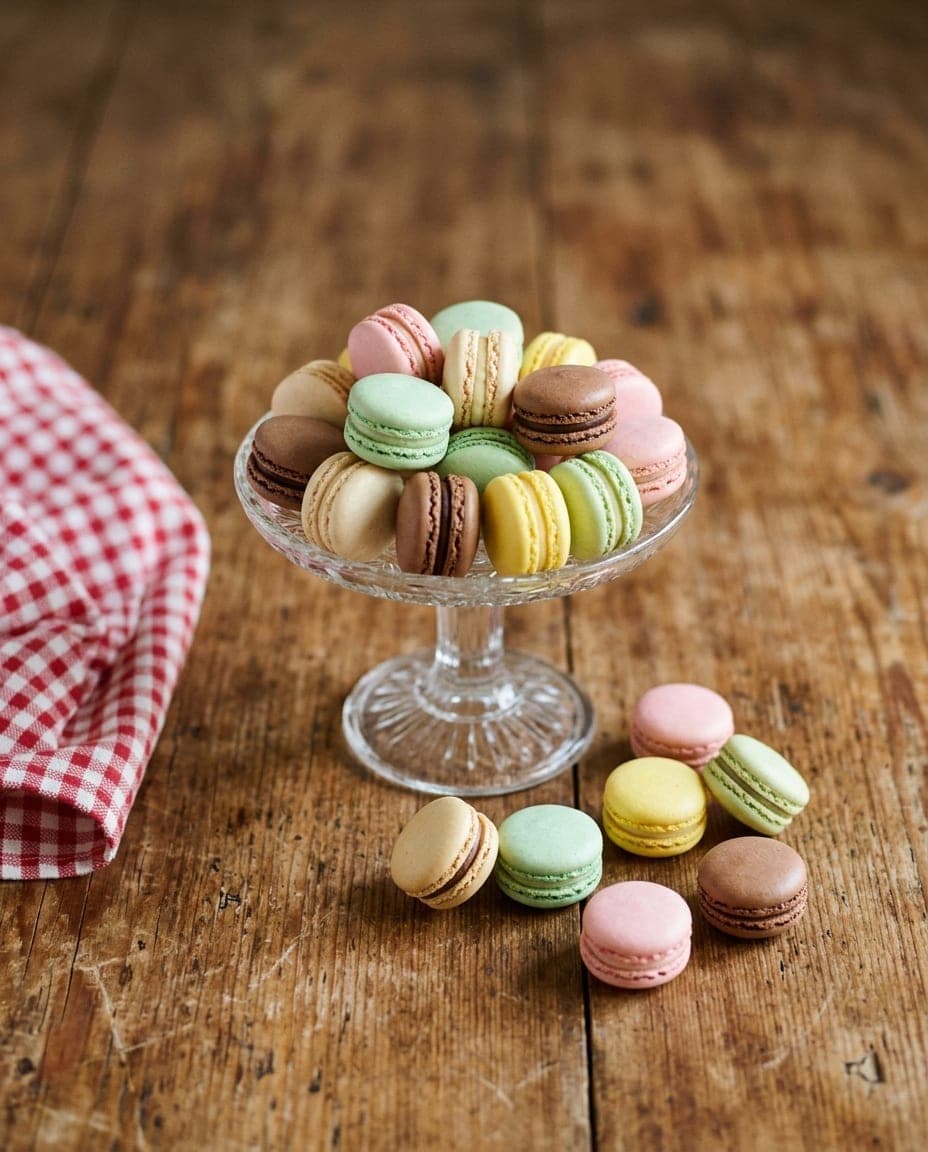
The Luxemburgerli is a small, airy macaron that has become synonymous with Zurich's sweet traditions. Unlike the larger, often crisp French macarons found in patisseries across Europe, these are notably smaller and softer, designed to be eaten fresh on the day they are made. They consist of two delicate discs of almond meringue sandwiched together with a layer of smooth buttercream. The shells come in soft shades of pink, beige and brown, matched to flavours such as vanilla, chocolate, mocha, hazelnut, lemon or Champagne.
The texture is distinct: the outer shell offers a slight resistance before giving way to a light, melt-in-the-mouth interior that dissolves into the creamy filling. They are sold loose by weight or in boxes from the counter. While similar pastries exist in many cities, the specific balance of ingredients and the precise size of the Luxemburgerli make it a unique local speciality of Zurich.
The history of the pastry chef
The name of the dish comes from its creator, Camille Studer, a young confectioner who grew up in Luxembourg and brought a macaron recipe with him when he trained at Zurich's Sprüngli in 1957. The confiserie has been famous for this item ever since. The recipe was adapted in Zurich with new fillings, producing something smaller, lighter and more delicate than the French macaron. First sold as "macarons du Luxembourg", they soon became known simply as Luxemburgerli.
The recipe has remained largely unchanged since that time. It is a sign of the stability of Swiss confectionery traditions that a sweet created in the mid-20th century has become one of Zurich's best-known souvenirs. The pastry is so closely associated with its home city that it is curious it carries the name of another country, a reminder of the young confectioner's Luxembourg background.
How they are made and sold
The preparation involves beating egg whites with sugar until stiff peaks form, then gently folding in ground almonds; the exact recipe is kept secret. The batter is piped into small, uniform rounds and baked briefly so the shells stay crisp outside and soft inside. Once cooled, they are filled with a light cream, which comes in a range of flavours from vanilla and chocolate to mocha, hazelnut, lemon and Champagne, plus seasonal specials.
The most distinctive aspect of the Luxemburgerli is how it is sold. In the Zurich shops, customers choose their flavours at the counter and the staff fill a box, often priced by weight. This method of sale emphasises freshness; the pastries are made daily and are intended to be eaten within a day or two, kept cool. They do not keep well, losing their delicate texture if left for too long, and the perishable filling is the reason they are rarely shipped far.
How to eat it
The Luxemburgerli is best enjoyed as a morning treat or an afternoon accompaniment to coffee. The lightness of the pastry makes it suitable for eating in several pieces rather than as a single large dessert. It pairs exceptionally well with black coffee, which cuts through the sweetness of the buttercream, or with a glass of Champagne, where the bubbles complement the airy texture of the meringue.
They are packed into a flat box at the counter and are not built for a long journey. The usual purchase is a small box on the way home, to be finished the same evening.
Curious facts
- The size matters. The Luxemburgerli is significantly smaller than the French macaron, often measuring only a few centimetres in diameter, which allows for a higher ratio of filling to shell.
- Sold by weight. Unlike many pastries sold individually, these are often priced by weight at the counter, so customers pay only for what they take.
- Freshness is key. The pastry does not keep well and is meant to be eaten fresh, within a day or two at most, stored in the fridge.
- A Luxembourgish name. Despite being a Swiss speciality, the name points to the Luxembourg background of the confectioner who brought the recipe in 1957 rather than to any Swiss region.
- Soft colours. The shells are rarely brightly coloured, usually appearing in soft shades of pink, beige or brown that hint at the flavour inside.
Where to try it
The most authentic experience of the Luxemburgerli is found in Zurich, where the original confectionery houses remain open to the public. These establishments are often located in the city centre, near the Paradeplatz or along the main shopping streets.
While the specific house that invented the recipe remains a landmark for food lovers, other confectioners in Zurich may produce similar almond meringues. However, the version first sold in 1957 retains its status as the definitive example of the dish. Visitors often make a pilgrimage to these counters, not just to buy the pastry, but to witness the traditional method of sale and the care taken in preparing the sweets each morning.
Mornings are when the counters are fullest and the pastries are at their freshest. The transaction is simple: a choice of flavours, a box, and the walk to the nearest café.
Where to try it
1 destination
 Camper Van Rentals
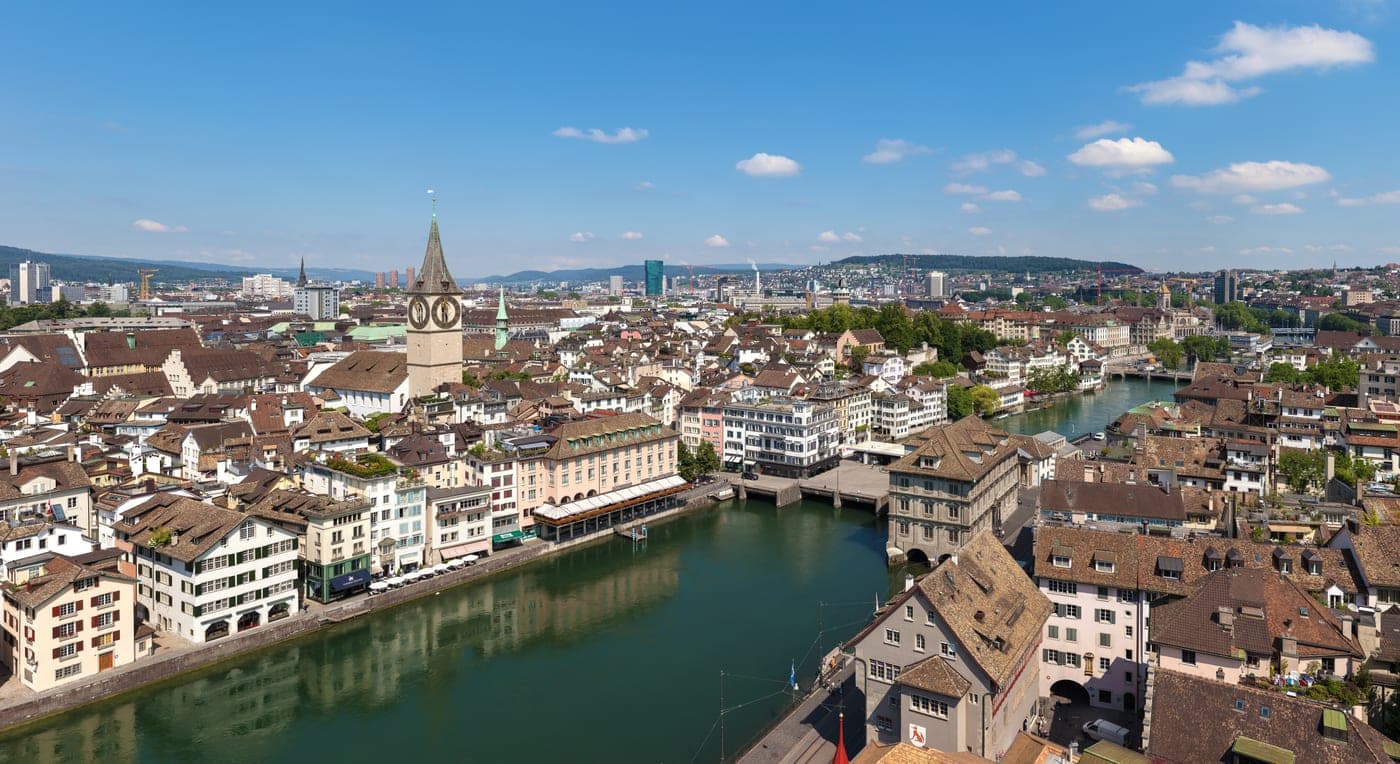
Zurich
Cultural hub with medieval old town, vibrant arts scene, and Lake Zurich.
Camper Van RentalsHiking
1 region
- Camper Van Rentals1 destination
Zurich
Located at the confluence of the Limmat River and Lake Zurich, this region is Switzerland's largest urban area, known primarily for its financial institutions and vibrant cultural scene. Beyond the bustling city, Zurich offers access to numerous hiking trails in the nearby Uetliberg mountain, providing stunning panoramic views. The old town, with its medieval buildings and narrow alleys, reveals a rich history dating back to Roman times. Lake Zurich is a hub for outdoor activities such as swimming and sailing, while the nearby towns of Rapperswil and Winterthur present unique historic sites and museums. The region is also celebrated for its chocolate and cheese, with local markets showcasing artisanal products. Discovering the lesser-known neighborhoods can lead to hidden gems, including local galleries and family-owned eateries.
Camper Van RentalsHiking