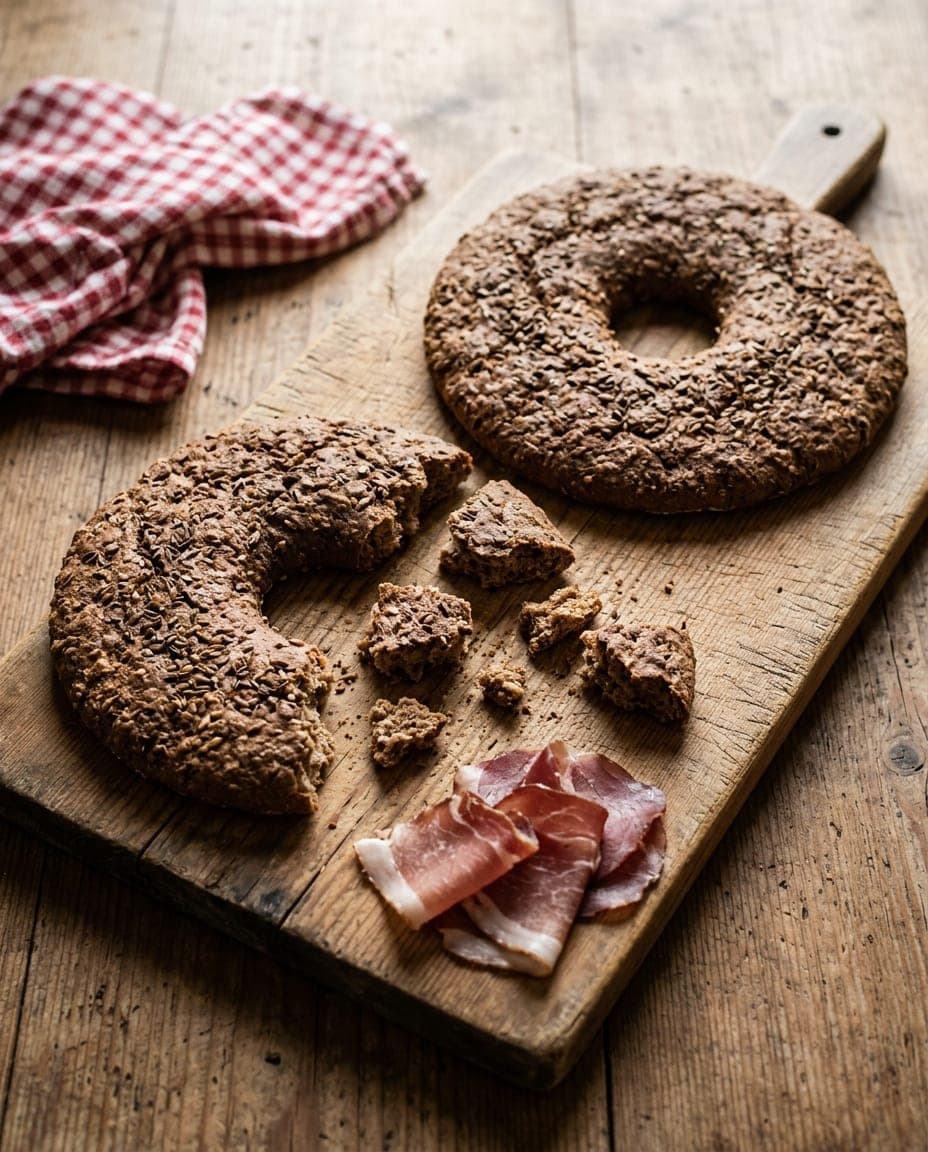
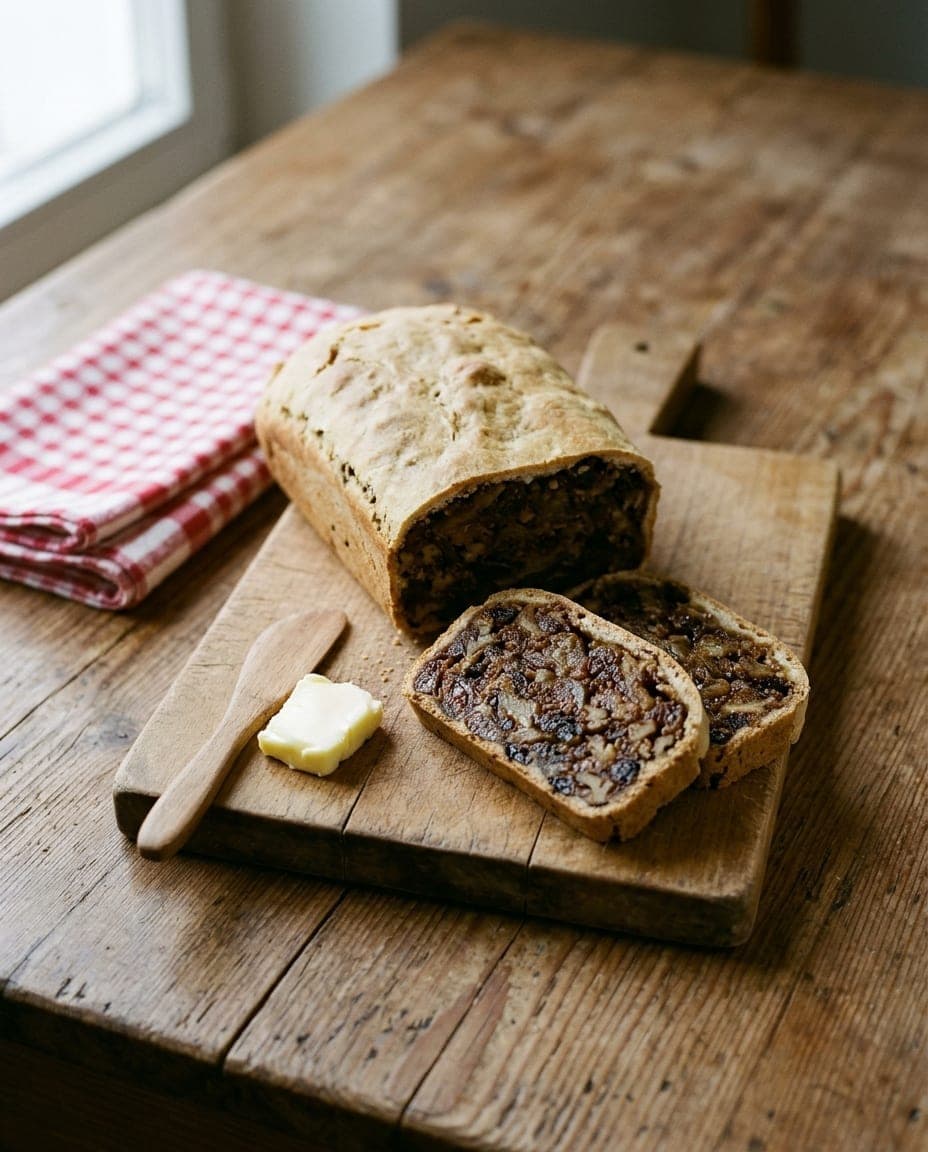
Cuchaule AOP (saffron bread)
Saffron bread from Fribourg, eaten with Bénichon mustard
- Vegetarian
- Local name
- Cuchaule AOP
- Served with
- Bénichon mustard
- Best eaten at
- The Fribourg Bénichon feast
What it is
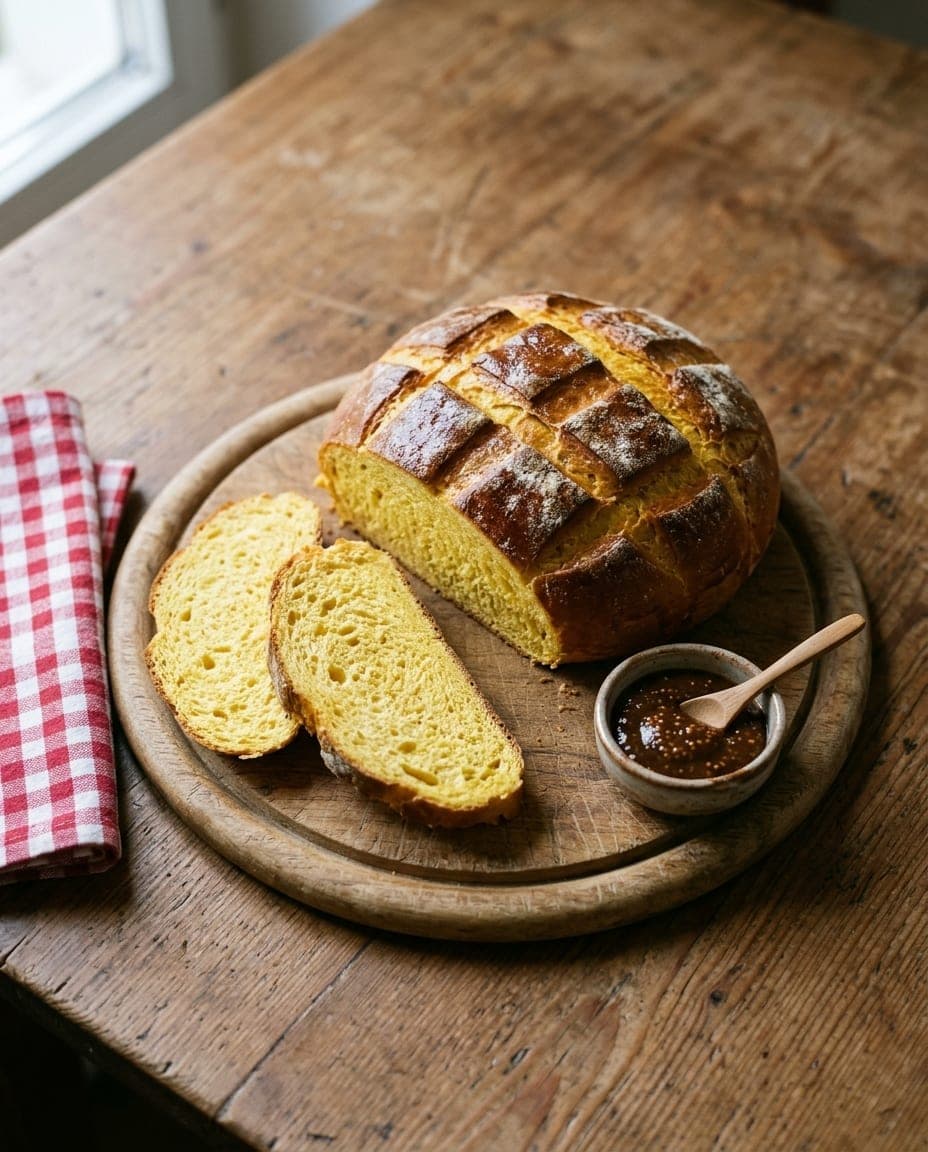
Cuchaule AOP is a distinctive sweet bread from the canton of Fribourg in western Switzerland. It is an enriched wheat dough, coloured golden by saffron and scented with the same spice, shaped into a slightly flattened round loaf, glazed with egg and scored with a diamond pattern on top. The bread carries the Swiss AOP label, a protected designation of origin that guarantees its production follows strict traditional rules within the canton of Fribourg.
The texture is similar to brioche: soft, slightly dense and rich from milk and butter. It is cut into slices or small pieces, and the diamond scoring across the glossy crust is its signature look. Small pieces suit the communal style of the meal where it is most important.
The Bénichon harvest festival
The bread belongs to the Bénichon, the autumn festival celebrated across the canton of Fribourg in September and October. The name is linked to bénédiction, blessing: it began as the feast marking the consecration of the village church and became an autumn thanksgiving for the harvest. Each village and district keeps its own date, drawing locals and visitors for music, dancing and a long shared meal.
The Cuchaule is central to this feast. It appears at the very start of the menu, as the opening bite, fresh from the bakeries. Alongside it comes moutarde de Bénichon, a sweet spiced mustard that is specific to the canton. The pairing sounds unusual to outsiders, but it is considered essential. The sweetness and warmth of the saffron bread are balanced by the gentle heat of the mustard. Diners spread the mustard, sometimes over a thin layer of butter, on each piece before eating.
The festival has deep roots in rural Fribourg, where agriculture has always shaped the local calendar. While the Bénichon is celebrated across the canton, the Cuchaule is a true regional speciality. It is not made widely outside Fribourg, and its presence is tied to the autumn harvest rhythm. The bread signals the end of the summer's farm work.
What goes into it
The ingredients are simple but specific. The dough relies on wheat flour, whole milk, butter and yeast, with eggs optional, to create its rich texture. Saffron, as threads or powder, provides both the colour and the distinctive aroma that defines the loaf. A measure of sugar and a pinch of salt balance it, and the bread remains less sweet than a cake.
The scoring is also part of the recipe. The loaf is brushed with egg and the top marked with diamond-shaped cuts before baking, which gives the crust its glossy, golden-brown finish. The AOP rules require pure saffron, forbid other additives and keep the proportions consistent across bakeries in Fribourg; the bread must also be sold within 48 hours of baking.
The moutarde de Bénichon is equally specific: ground mustard seed cooked with vin cuit, the local syrup of boiled-down fruit juice, sugar and spices such as star anise, cinnamon and cloves until it spreads like jam. It is dark, sweet and thick, and it is nothing like a table mustard. The sweetness of the mustard complements the saffron, while its spice cuts the fat of the butter and eggs.
How it is eaten
The Cuchaule is served at the beginning of the Bénichon meal. Diners take a slice or a piece of the loaf and spread it with the spiced mustard. The combination is eaten by hand, often while standing or sitting at long communal tables set up in town squares or village halls.
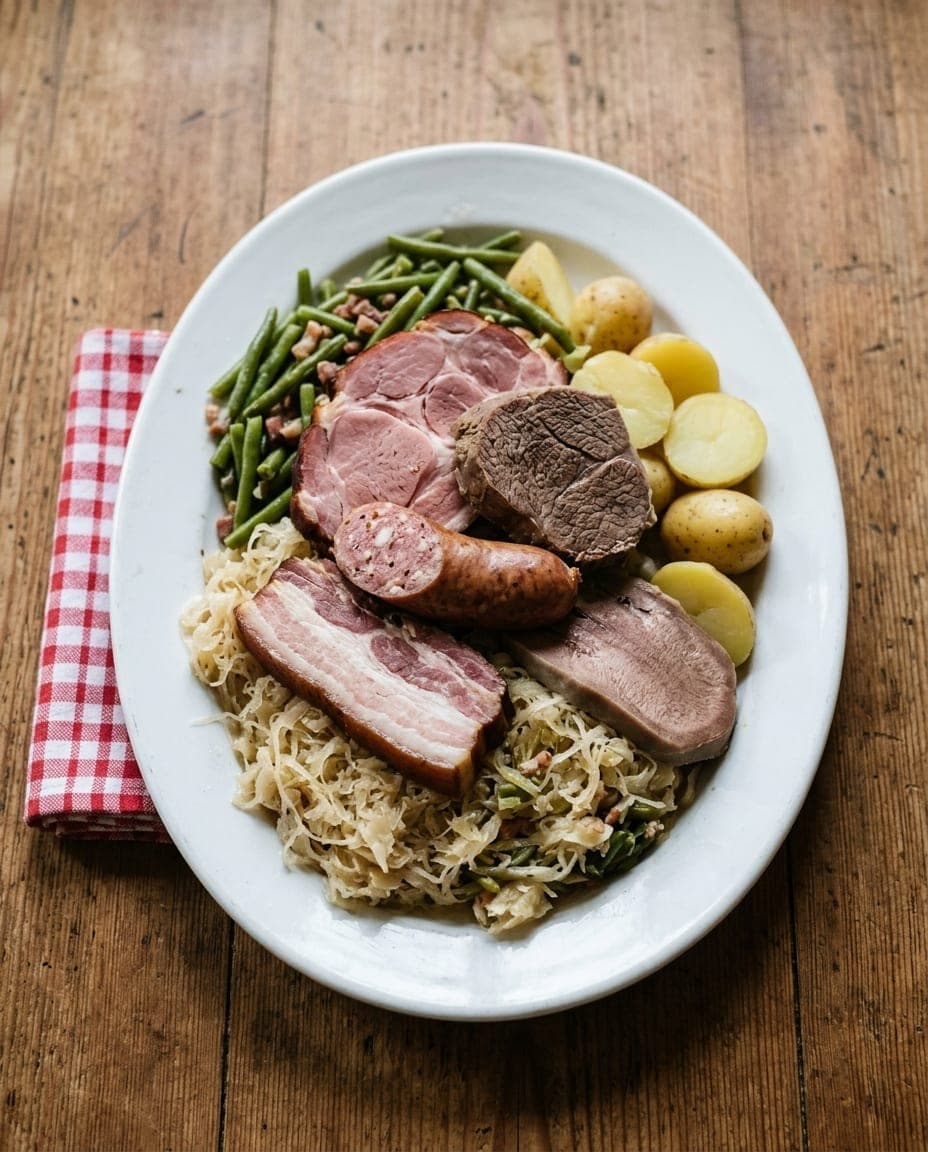
The loaf is passed round the table and the mustard pot with it. It opens a long menu that runs for hours: cabbage soup or mutton broth, lamb ragout with raisins, ham with Botzi pears, and meringues with double cream at the end.
In Fribourg, the Cuchaule is eaten year-round in bakeries, but its true context is the Bénichon. Outside this festival, the mustard pairing is less common, though some traditional cafés still offer the combination for curious visitors. The best experience comes during the autumn harvest celebration, when the bread is at its freshest and the atmosphere is most lively.
Curious facts
- A protected name. The Cuchaule carries the Swiss AOP label, meaning only loaves made in Fribourg following specific rules can bear the name.
- Diamond scoring. The AOP rules prescribe diamond-shaped cuts on the glazed crust, which give the loaf its recognisable look.
- Mustard is mandatory. The pairing with moutarde de Bénichon is considered essential; the two are inseparable at the harvest feast.
- Saffron gives colour. The golden hue comes from real saffron, which also provides a subtle floral aroma to the dough. Saffron has been bought by wealthy Fribourg households since the 15th century.
- Harvest timing. The bread is most abundant during September and October, when bakeries produce it in large quantities for the Bénichon.
Where to try it
Fribourg in autumn, during the Bénichon, when the villages across the canton each hold their own on consecutive weekends from September into October and the whole fixed menu is served in halls and marquees.
Bakeries in the canton make the loaf year-round — it is a Sunday breakfast bread as well as a festival one — and sell the mustard in jars beside it. Outside Fribourg the AOP keeps the name local, and the pairing is rarely seen.
Where to try it
1 region
 Boat Rentals3 destinations
Fribourg
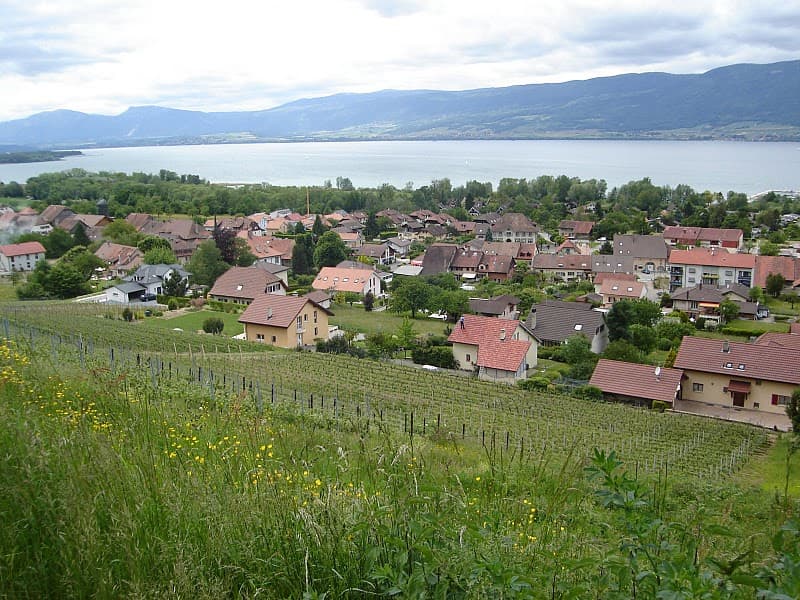
Fribourg is a Swiss region built for a slower pace. It sits between the French- and German-speaking parts of the country, and that mix still shapes daily life here — road signs change language partway through the canton, and the same cheese is sold under two names at the same market stall. The regional capital, also named Fribourg, sits on a sandstone hill above a bend in the Sarine river. Its old town is one of the larger medieval centres in Switzerland, with covered wooden bridges, a Gothic cathedral, and streets so steep that some are built as steps rather than roads. From the ramparts, the river loops below and the rest of the canton spreads out towards the hills. South of the city, the land softens into rolling dairy country. This is Gruyère territory, named after both the cheese and the small walled town of Gruyères that still gives it its name. Around Gruyères and the nearby town of Bulle, farms and mountain huts still make cheese by hand through the summer months, when herds move up to the high pastures. Several dairies open their doors to visitors watching a wheel of Gruyère being pressed and salted, a process that has changed very little over generations. The landscape rises further south into pre-alpine terrain: green terraces, scattered timber barns, and villages built from wood that has weathered dark over centuries. Walking paths here follow old cattle tracks between pasture and forest, gentle enough for an unhurried afternoon rather than a full day's climb. In autumn, cattle are led back down from the alpine pastures in a tradition still marked with flowers, bells, and a village gathering — one of the few moments when the summer's quiet farm work becomes a public event. To the north and west, the canton reaches Lake Neuchâtel and Lake Murten. Murten itself is a walled medieval town on the water, small enough to circle on foot within the hour, with a lakeside promenade that fills with café tables in summer. In warmer months, passenger boats cross the lake to nearby towns, a pleasant way to spend an afternoon without hurrying. One of the quieter pleasures of the region is its local railway, which climbs from the lowland towns into the hills in short, unhurried stages, following the river through farmland before a hilltop town's towers come into view above the tracks. These are working regional trains rather than tourist rides, and that is much of their charm — riders share the carriage with people going to market or coming home from the fields. Food shapes much of what there is to do here. Beyond cheese, the region is known for its double cream, for meringues eaten with that cream, and for a dried, air-cured meat found across French-speaking Switzerland. Village markets, especially in Bulle and Fribourg itself, are where these products change hands directly between maker and buyer, often with a taste offered first. A comfortable way to see Fribourg is over three to five days: a day or two in the old town and along the Sarine, a day around Gruyères and its cheese dairies, and a day or two further into the hills or out to Murten and the lake. Trying to fit it into a single day usually means choosing between the city and the countryside, and both reward more time than that. What makes the region worth this pace is less any single sight than how its parts connect — a cathedral town, a cheese-making valley, alpine pastures, and a lakeside village, all within a canton small enough to move between slowly and still see plenty. Fribourg does not have the scale of the Bernese Oberland or the fame of Lake Geneva, but it holds a quieter version of the same Swiss countryside, with fewer crowds and more time to notice the details: the smell of a cheese cellar, a wooden bridge underfoot, the particular green of a pasture after rain.
Boat RentalsHikingPanoramic Trains