Cheese Fondue
Switzerland's shared pot of melted cheese
- Local name
- Fondue moitié-moitié
- Served with
- Bread cubes, pickles, potatoes
- Best eaten at
- A mountain chalet
- Pairs with
- Chasselas or black tea
What it is
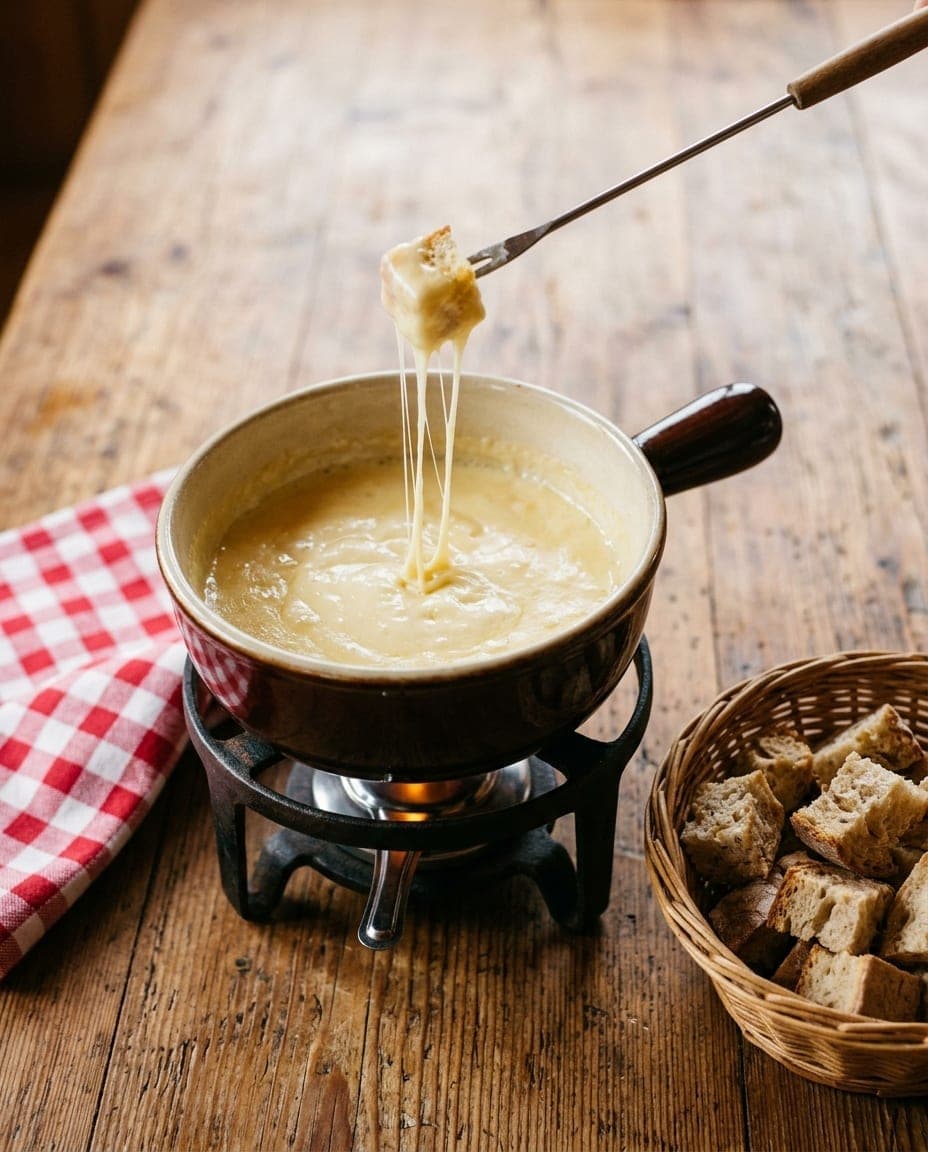
Cheese fondue is the closest thing Switzerland has to a national dish, and one of the most sociable meals in Europe. A heavy earthenware pot, the caquelon, is filled with cheese melted slowly into white wine and set over a small burner in the middle of the table. Everyone gets a long, thin fork, spears a cube of bread, swirls it through the bubbling cheese and lifts it out, trailing golden strings.
The name comes from the French verb fondre, "to melt". Fondue is eaten across Switzerland, but its heartland is the western, French-speaking part of the country and the Alpine pastures where the great Swiss cheeses are made: Fribourg, the Bernese Oberland, Vaud and Neuchâtel. It is a winter dish above all, at its best after a day outside in the cold, in a wood-panelled chalet or a cosy village restaurant.
Where it comes from
Fondue's roots are rural and practical. In Alpine farming communities, cheese and bread were the staples that lasted through long winters. Melting hard, aged cheese with a little wine was a simple way to turn ingredients that had gone dry into something warm and filling, and bread that had become stale was perfect for dipping.
The earliest known recipe for something recognisable as modern cheese fondue appears in a book published in Zurich at the end of the 17th century, under the title Käss mit Wein zu kochen, "to cook cheese with wine". The idea of cheese melted in wine and eaten with bread is clearly much older than that, and versions existed across the Alpine regions that today belong to Switzerland, France and Italy.
Fondue became the national icon it is today in the 20th century. In the 1930s the Swiss Cheese Union, an organisation that marketed Swiss cheese, began promoting fondue as a national dish to boost cheese sales. The campaign worked. After wartime rationing ended, the Union even sent fondue sets to army regiments and event organisers around the country, and fondue became a symbol of Swiss identity and hospitality. A later advertising slogan from 1981 is still remembered today: "Fondue isch guet und git e gueti Luune", "fondue is good and puts you in a good mood", shortened to the tongue-twisting acronym FIGUGEGL.
Abroad, fondue had its moment of global fame in the 1960s and 1970s, helped by the Alpine restaurant of the Swiss pavilion at the 1964 New York World's Fair. Fondue sets became a fashionable wedding present in many countries, and fondue parties a staple of the era.
What goes into it
A classic cheese fondue is built from a few high-quality ingredients:
- Cheese, usually two or more Swiss varieties. Gruyère is almost always present, and other popular choices include Vacherin Fribourgeois, Emmentaler and Appenzeller.
- Dry white wine, traditionally a local Chasselas, which keeps the cheese smooth and adds acidity.
- Garlic, rubbed around the inside of the pot.
- A splash of kirsch, the clear cherry brandy, often added at the end or served on the side.
- Bread, cut into bite-sized cubes, ideally with a bit of crust on each piece so it holds on the fork.
Regional variations are a matter of local pride. Moitié-moitié ("half and half"), the speciality of Fribourg, uses equal parts Gruyère and Vacherin Fribourgeois for a creamy, nutty result. Fondue neuchâteloise, from the lakeside canton of Neuchâtel, traditionally blends Gruyère with Emmentaler and local white wine. Fribourg also has a fondue made only from Vacherin Fribourgeois, melted with water instead of wine, so mild that potatoes are often dipped instead of bread.
Note that "fondue" also refers to other dishes: fondue chinoise (meat cooked in broth) and fondue bourguignonne (meat cooked in hot oil). Neither contains cheese, and in Switzerland, if you simply say "fondue", everyone will assume cheese.
How to eat it
Fondue comes with an unwritten set of rules, and following them is half the fun:
- Stir as you dip. Draw your bread through the pot in a figure of eight or a gentle zigzag. This keeps the cheese moving so it doesn't separate or burn.
- Don't double-dip from your fork. The long fondue fork is for dipping only. Slide the bread onto your plate and eat it with a regular fork.
- Don't lose your bread. Tradition says whoever drops their bread into the pot pays a forfeit. Depending on the company, that might mean buying a round of drinks or singing a song. The comic Asterix in Switzerland famously parodies the custom.
- Drink the right thing. Swiss people typically drink white wine or black tea with fondue, and some swear by a small glass of kirsch to help digestion. A popular piece of folk wisdom also warns against cold drinks, supposedly because they make the cheese harden in your stomach. There is no science behind it, but you'll rarely see a Swiss person ordering iced water with fondue.
- Leave room for the crust. As the fondue nears its end, a thin, crispy layer of toasted cheese forms on the bottom of the pot. It is called la religieuse ("the nun") and is considered a delicacy, usually lifted out and shared among the table.
Pickled onions, gherkins and boiled potatoes are common side dishes, and many Swiss enjoy a small glass of kirsch midway through the meal, sometimes dipping bread into it before the cheese.
Curious facts
- One pot, many hands. Fondue is designed for sharing. It is rarely served for one, and many restaurants require a minimum of two people.
- A cold-weather dish. Most Swiss eat fondue between autumn and early spring. A hot cheese pot on a summer evening is rare outside tourist restaurants.
- Fondue on the slopes. In winter, some mountain huts and ski resorts serve fondue in gondolas, igloos and even on moonlit sledge outings.
- A dish for small budgets. Its origins are humble: stale bread and leftover cheese turned into a feast. That spirit of making the most of what's at hand is part of why it still feels so warm and welcoming.
Where to try it
Head to the canton of Fribourg for moitié-moitié at its source, close to the town of Gruyères and its cheese dairies. The Bernese Oberland, including the mountain resort of Gstaad, and the lakeside towns around Neuchâtel are equally good places to share a pot. Go in winter, ideally after a long walk in the snow.
Where to try it
1 destination
 Panoramic Trains
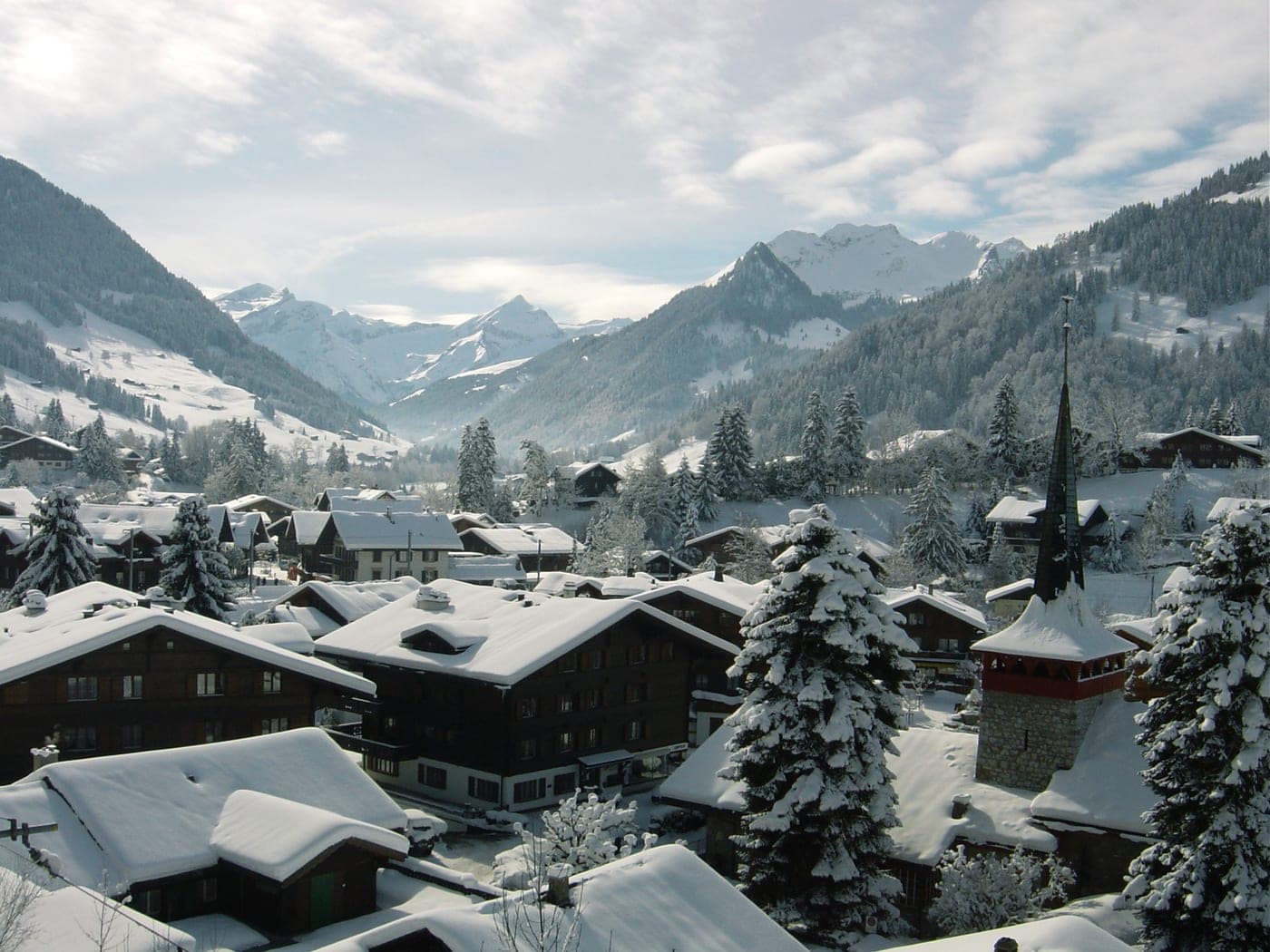
Gstaad
Charming alpine village known for luxury chalets and stunning mountain views.
Panoramic TrainsHiking
2 regions
 Boat Rentals3 destinations
Fribourg
Fribourg is a Swiss region built for a slower pace. It sits between the French- and German-speaking parts of the country, and that mix still shapes daily life here — road signs change language partway through the canton, and the same cheese is sold under two names at the same market stall. The regional capital, also named Fribourg, sits on a sandstone hill above a bend in the Sarine river. Its old town is one of the larger medieval centres in Switzerland, with covered wooden bridges, a Gothic cathedral, and streets so steep that some are built as steps rather than roads. From the ramparts, the river loops below and the rest of the canton spreads out towards the hills. South of the city, the land softens into rolling dairy country. This is Gruyère territory, named after both the cheese and the small walled town of Gruyères that still gives it its name. Around Gruyères and the nearby town of Bulle, farms and mountain huts still make cheese by hand through the summer months, when herds move up to the high pastures. Several dairies open their doors to visitors watching a wheel of Gruyère being pressed and salted, a process that has changed very little over generations. The landscape rises further south into pre-alpine terrain: green terraces, scattered timber barns, and villages built from wood that has weathered dark over centuries. Walking paths here follow old cattle tracks between pasture and forest, gentle enough for an unhurried afternoon rather than a full day's climb. In autumn, cattle are led back down from the alpine pastures in a tradition still marked with flowers, bells, and a village gathering — one of the few moments when the summer's quiet farm work becomes a public event. To the north and west, the canton reaches Lake Neuchâtel and Lake Murten. Murten itself is a walled medieval town on the water, small enough to circle on foot within the hour, with a lakeside promenade that fills with café tables in summer. In warmer months, passenger boats cross the lake to nearby towns, a pleasant way to spend an afternoon without hurrying. One of the quieter pleasures of the region is its local railway, which climbs from the lowland towns into the hills in short, unhurried stages, following the river through farmland before a hilltop town's towers come into view above the tracks. These are working regional trains rather than tourist rides, and that is much of their charm — riders share the carriage with people going to market or coming home from the fields. Food shapes much of what there is to do here. Beyond cheese, the region is known for its double cream, for meringues eaten with that cream, and for a dried, air-cured meat found across French-speaking Switzerland. Village markets, especially in Bulle and Fribourg itself, are where these products change hands directly between maker and buyer, often with a taste offered first. A comfortable way to see Fribourg is over three to five days: a day or two in the old town and along the Sarine, a day around Gruyères and its cheese dairies, and a day or two further into the hills or out to Murten and the lake. Trying to fit it into a single day usually means choosing between the city and the countryside, and both reward more time than that. What makes the region worth this pace is less any single sight than how its parts connect — a cathedral town, a cheese-making valley, alpine pastures, and a lakeside village, all within a canton small enough to move between slowly and still see plenty. Fribourg does not have the scale of the Bernese Oberland or the fame of Lake Geneva, but it holds a quieter version of the same Swiss countryside, with fewer crowds and more time to notice the details: the smell of a cheese cellar, a wooden bridge underfoot, the particular green of a pasture after rain.
Boat RentalsHikingPanoramic Trains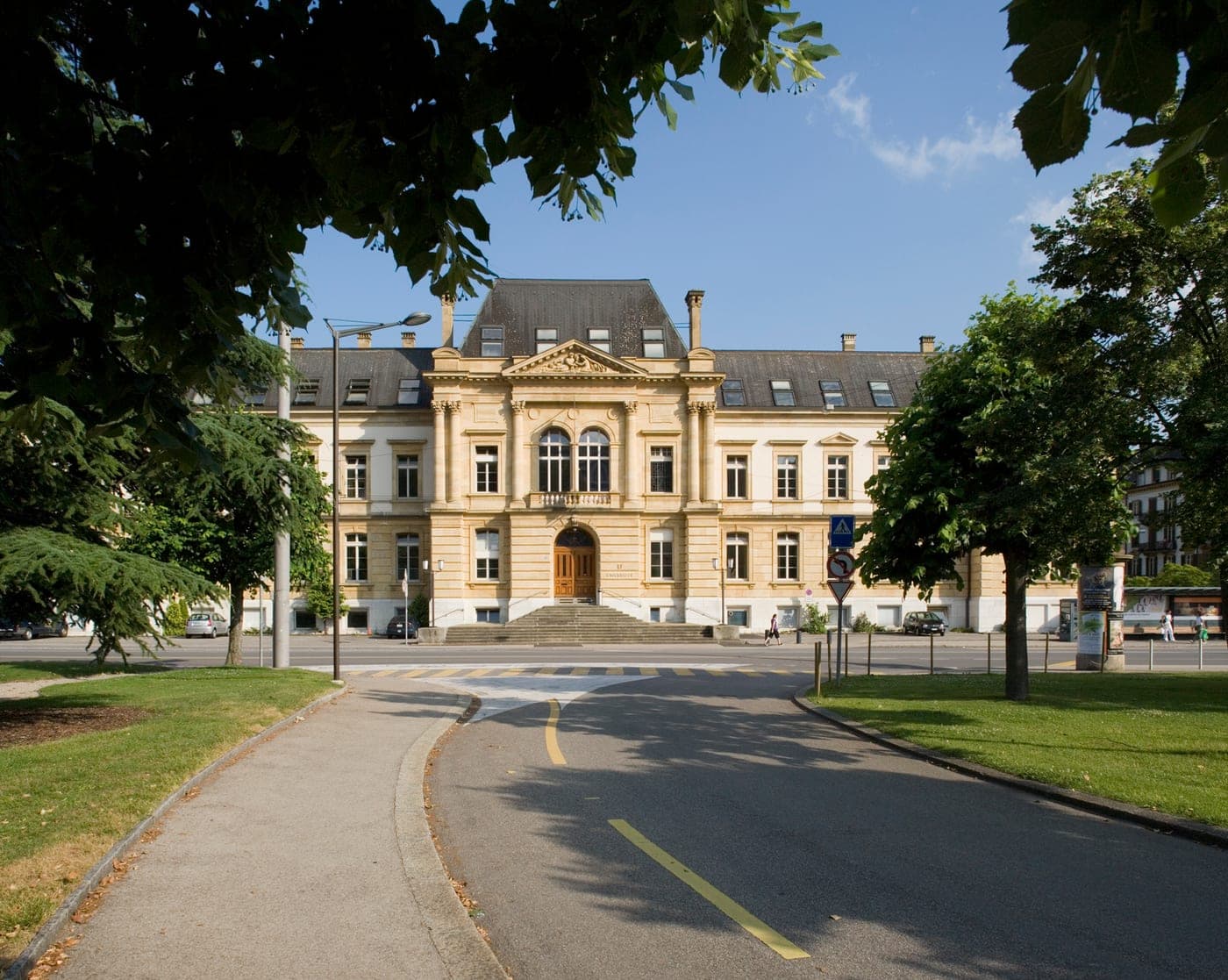 Boat Rentals2 destinations
Neuchâtel
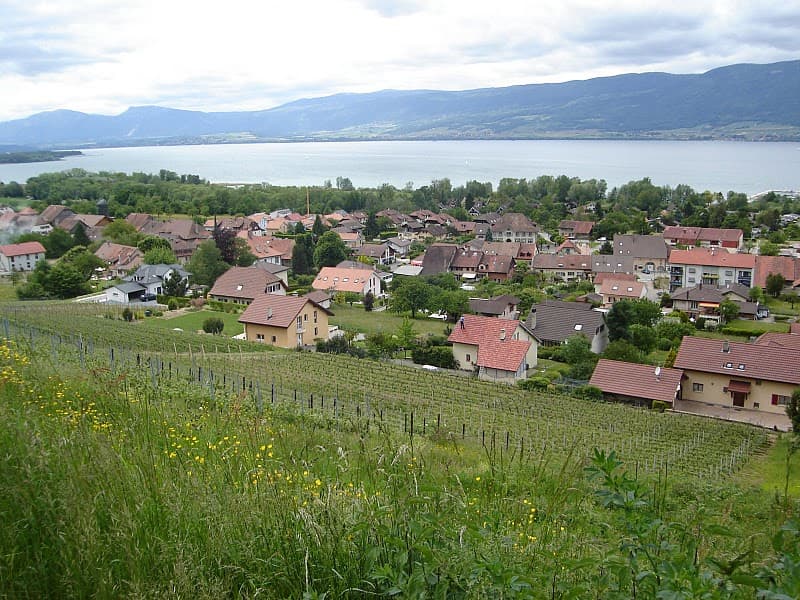
Neuchâtel is known for its rich watchmaking heritage and stunning lake views. It is the only region in Switzerland that borders Lake Neuchâtel, providing opportunities for lakeside strolls and water activities. The town of Neuchâtel, with its medieval castle and vibrant university atmosphere, is the largest in the region. Smaller towns like La Chaux-de-Fonds and Le Locle are UNESCO World Heritage sites, recognized for their historical significance in watchmaking. The region also boasts beautiful vineyards producing white wines, particularly Chasselas. Scenic hikes in the Jura mountains offer breathtaking panoramas and a chance to engage with nature. Local festivals celebrate traditional crafts and culinary delights unique to this area.
Boat RentalsHiking