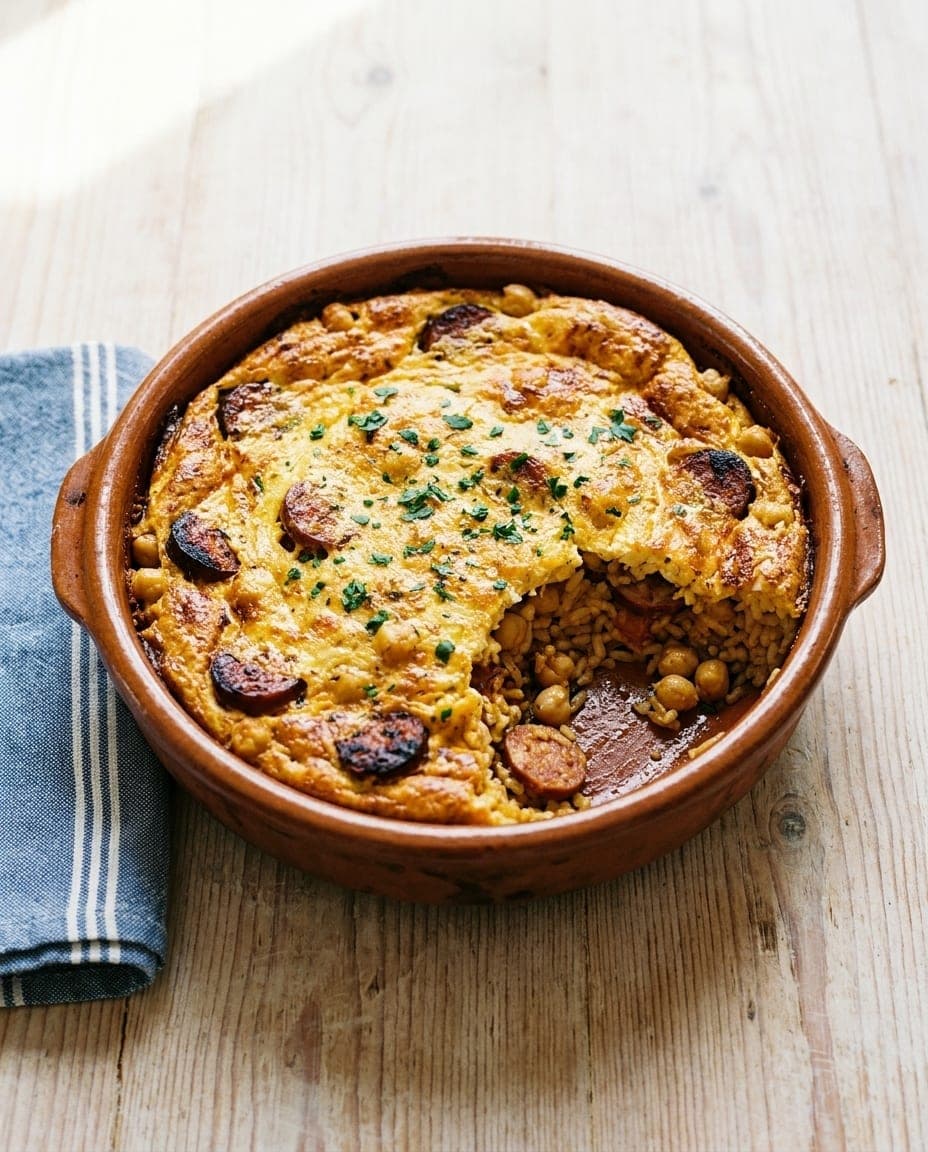
Calçots amb romesco
Charred spring onions and romesco sauce at a winter gathering in Catalonia
- Vegetarian
- Local name
- Calçots amb romesco
- Served with
- Grilled lamb, botifarra
- Best eaten at
- A calçotada near Valls
- Pairs with
- Red wine from a porró
What it is
Calçots amb romesco is a seasonal ritual centred on long, mild spring onions known as calçots. Grown in the countryside of the Tarragona area, these onions are cultivated by piling soil up around their bases so the white stems elongate without exposure to sunlight. The name comes from the Catalan verb calçar, meaning to shoe or, in farming, to bank up with earth.
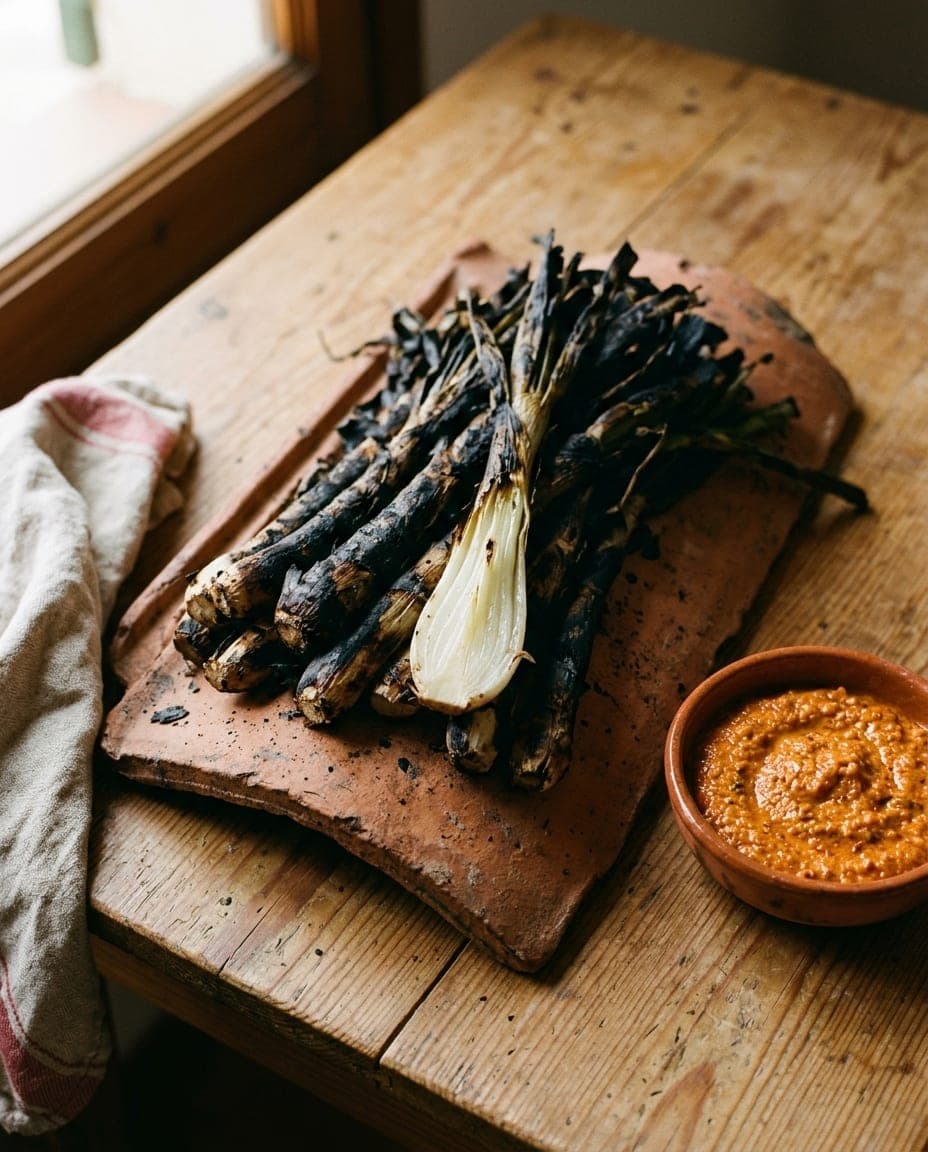
The dish itself is defined by its preparation and its consumption method. The calçots are grilled over a hot, flaming fire, traditionally fed with vine prunings, until the outer layers turn black and charred. They are then wrapped in newspaper to steam, softening the interior. Eating them is a tactile experience: diners peel away the blackened skin with their hands, hold the onion by the green tip, dip the white flesh into a thick, nutty red sauce, and lower it into their mouths. The process leaves hands stained with sauce, and a bib is standard equipment at any gathering.
It is less a dish served on a plate than a communal event known as a calçotada. These feasts take place from late autumn into spring, with the busiest weeks in late winter. The meal begins with the onions and sauce, followed by grilled lamb and botifarra sausages, and finishes with dessert. Red wine is often drunk from a porró, a traditional glass pitcher with a long spout designed to pour wine into the mouth from a distance.
The origins of the onion and the sauce
Calçots are a Catalan speciality, not a dish found throughout Spain. They are cultivated in specific areas of the Tarragona region, above all around Valls in the Alt Camp. Valls claims the origin of the calçot, and Calçot de Valls has been an EU protected geographical indication since 2002, limiting the name to onions grown in a designated zone.
Local tradition credits a Valls man known as Xat de Benaiges with first earthing up sprouting onions so that more of the stem stayed white and edible, around the turn of the 20th century, although the story is disputed. From family meals the calçotada grew into a major social occasion, and today Valls hosts its Gran Festa de la Calçotada on the last Sunday of each January, drawing visitors from across Catalonia and beyond.
The sauce that accompanies the onions has its own history. Romesco is a staple of Catalan cuisine, built on dried nyora peppers, roasted tomatoes and garlic, toasted almonds and hazelnuts, and bread, pounded into a paste and emulsified with olive oil and a little vinegar. In Valls the calçot sauce is often called salvitxada, a close relative of romesco. The recipe varies from household to household, but the result is always a nutty, smoky, slightly sharp sauce that complements the sweetness of the charred onions.
The calçotada ritual
A calçotada is a gathering where the focus is on the food and the company. It takes place in fields, farmyards, masies or large terraces, often outdoors when the weather allows. The event follows a sequence that has been observed for decades.
First, the calçots arrive in bundles, often on roof tiles to keep them warm. Diners peel the burnt skin, dip the white flesh into the sauce and eat it by hand. The sauce is thick enough to coat the onion but loose enough to drip down the chin.
Once the onions are finished, the meat arrives: grilled lamb and botifarra, a Catalan sausage made with pork and seasonings, usually cooked on the embers left by the same fire. The meal concludes with something simple, such as oranges, crema catalana or a glass of cava.
The porró adds to the tradition, and pouring wine from it without spilling is a skill that often becomes part of the entertainment.
What goes into it
The ingredients are simple and rooted in the local landscape, though the preparation requires care:
- Calçots, the long white spring onions grown by banking soil around them to keep out the sun.
- Romesco or salvitxada sauce, a thick emulsion of nyora peppers, tomatoes, garlic, almonds, hazelnuts, bread and olive oil.
- Grilled lamb, usually chops, cooked on the embers after the calçots.
- Botifarra, a traditional Catalan pork sausage, grilled alongside the lamb.
- Dessert, often oranges or crema catalana.
The wine served is typically a red from the region, such as those from Tarragona or neighbouring areas, chosen for its ability to stand up to the strong flavours of the sauce and meat. Cava is also common.
How it is eaten
Eating calçots requires a willingness to get messy. Diners hold the onion by the green stem and pull the blackened outer layers down with their fingers. The white onion is then dipped generously into the sauce and eaten, head tilted back.
The pace is slow, with time spent peeling, dipping and chatting, and hands often remain stained with sauce long after the meal ends.
The sequence of courses is fixed: calçots first, then the meat, then dessert, with wine throughout.
Curious facts
- The soil shapes the onion. Calçots are grown by piling earth around their stems, a technique called calçar that prevents sunlight from reaching the white part, keeping it mild and tender.
- Vine wood is traditional. Calçots are classically grilled over vine prunings, which burn with quick, intense flames that char the outer layers.
- A protected name. Calçot de Valls has held EU protected geographical indication status since 2002, so only onions grown in the designated zone can bear the name.
- The bib is standard. Diners wear bibs to protect their clothes from the sauce, which is difficult to remove once it sets on fabric.
- A long season. Calçotades run from roughly November to April, with Valls holding its big festival on the last Sunday of January.
Where to try it
The best place to experience calçots is around Valls in the province of Tarragona, where the dish originated and where the town's calçot festival takes place each January. Many farmhouses and country restaurants in the area host calçotades during the season, and the custom has spread to restaurants across Catalonia.
These venues often set up long tables, providing the necessary bibs and plenty of paper napkins.
Related: Romesco, the Tarragona sauce on its own.
Where to try it
2 destinations

 Boat Rentals
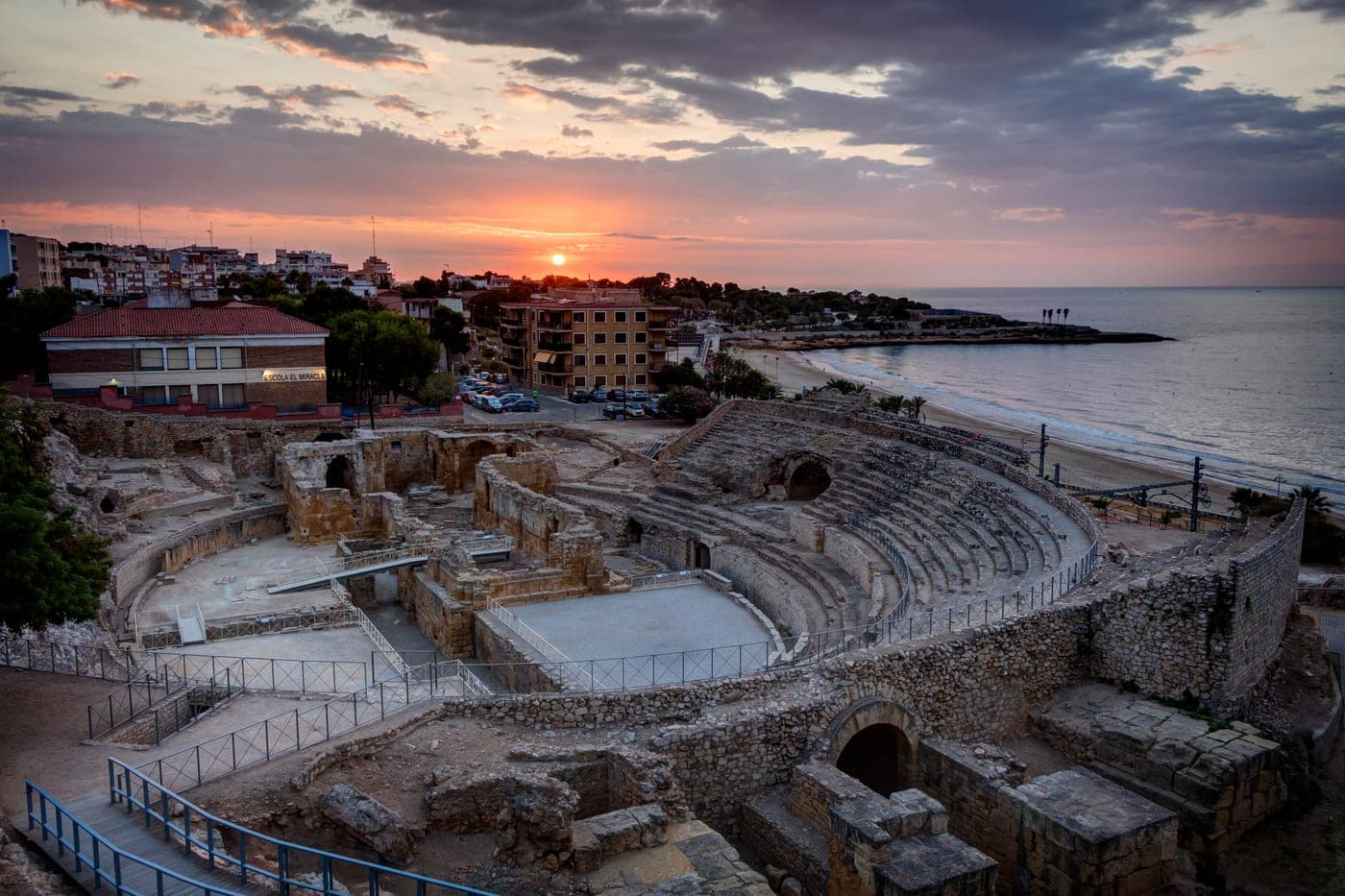
Tarragona
Historic Roman city with modern marina facilities and boat rentals on the Costa Daurada.
Boat RentalsHiking
1 region
 Wine Tasting21 destinations
Catalonia
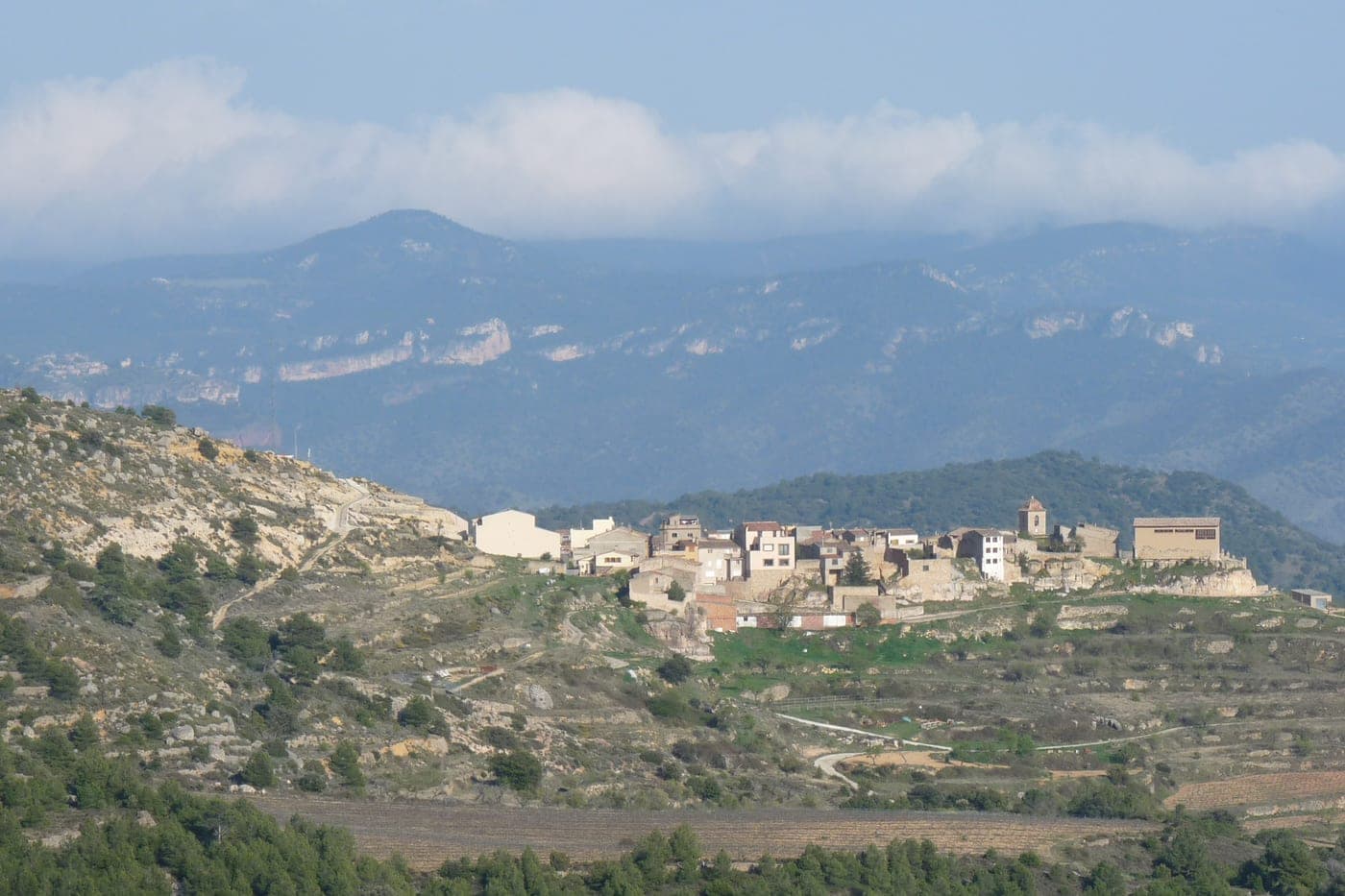
Catalonia stretches from the high Pyrenees down to the Mediterranean, and that range gives it a slow-travel character all its own: stone villages tucked into mountain valleys, a jagged coastline of small harbours, and an inland plain still shaped by farming and pilgrimage. Barcelona sits at one edge of the region, but Catalonia's quieter identity is built elsewhere — in places most visitors reach only if they choose to look beyond the capital. In the north, the Pyrenean valleys hold Romanesque churches and hamlets built from dark local stone, many still working farming communities. Villages like these keep a rhythm set by the seasons and the land, and walking between them reveals bell towers and hay meadows. Further south and inland, the Camí de Sant Jaume, a Catalan branch of the Camino de Santiago, crosses rolling wheat country and passes through small towns built around a church square. The coast has its own version of slowness. Cadaqués, with its whitewashed harbour houses and steep lanes, once drew Dalí and other artists. The Costa Brava's smaller coves still keep this feel in the off-season: fishing boats pulled up on shingle, a handful of restaurants serving the day's catch, cliff paths connecting one cove to the next. Inland from the coast, medieval towns like Besalú preserve their fortified bridges and Jewish quarters largely intact. Catalonia's regional cuisine reflects this pace. Cava is made using the same traditional method as Champagne, and small family cellars around Sant Sadurní d'Anoia still open their doors for tastings. Calçotada season, when charred spring onions are dipped in romesco sauce and eaten by hand, is a communal meal built around fire and patience. Elsewhere, pa amb tomàquet, botifarra sausage, and mountain cheeses reflect a cuisine shaped by both the sea and the high pastures. History runs close to the surface here. Poblet Monastery, one of Catalonia's Cistercian foundations, still follows a monastic routine largely unchanged for centuries, and some of Gaudí's early works outside Barcelona show the same architectural language in quieter settings. A handful of Catalan paradors occupy restored castles and monasteries — the one at Cardona, built into a medieval fortress on a hilltop, is among the most striking examples of this in Spain. Mountain villages, pilgrim paths, whitewashed coves, cava cellars, and monastery towns give Catalonia a landscape suited to slow travel: a dialect (Catalan) still spoken in daily life, a cuisine tied closely to what grows and grazes nearby, and villages that have kept their own pace as the region around them has modernised.
Wine TastingBoat RentalsHikingCamper Van Rentals