All i pebre
A garlicky eel stew from Valencia's Albufera lagoon
- Local name
- All i pebre
- Served with
- Bread
- Best eaten at
- An El Palmar restaurant on the Albufera
- Pairs with
- Valencian white
What it is
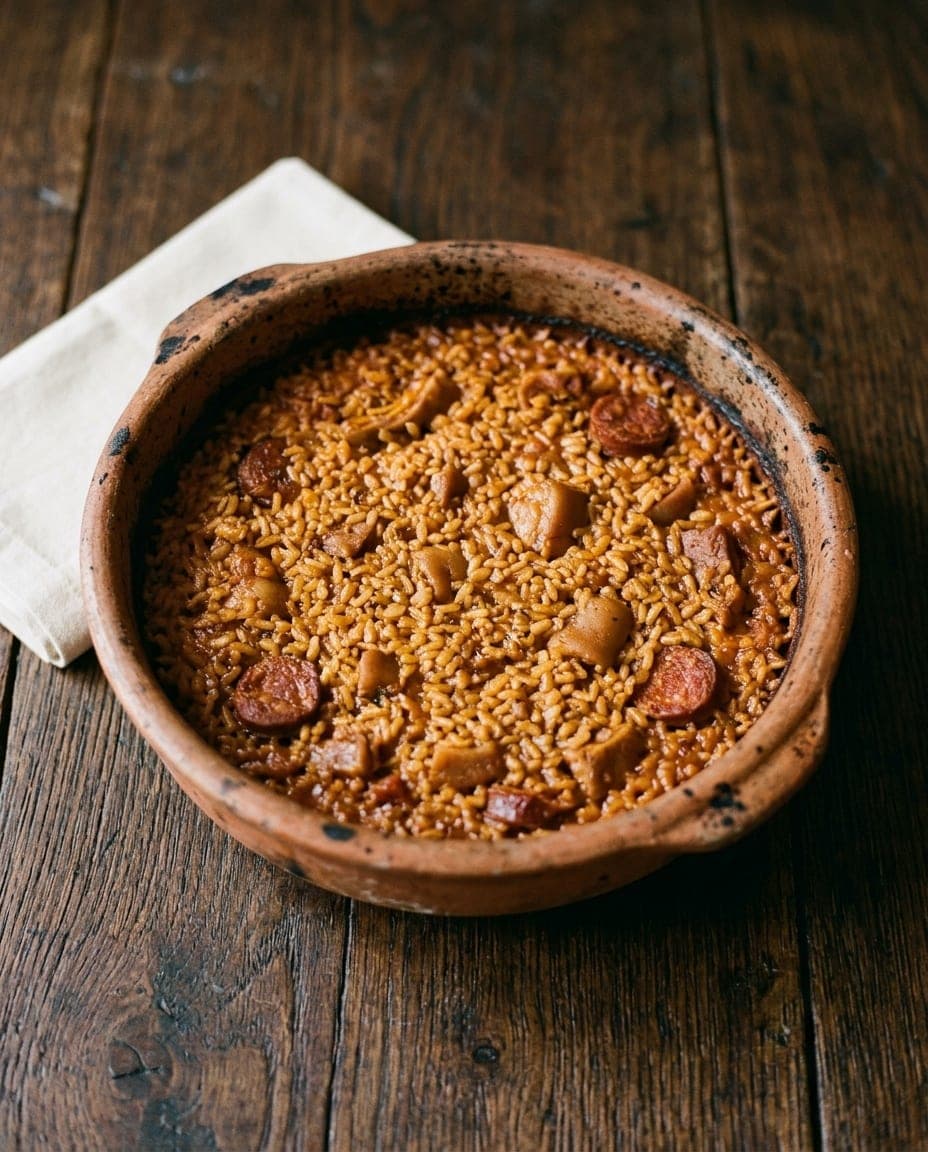
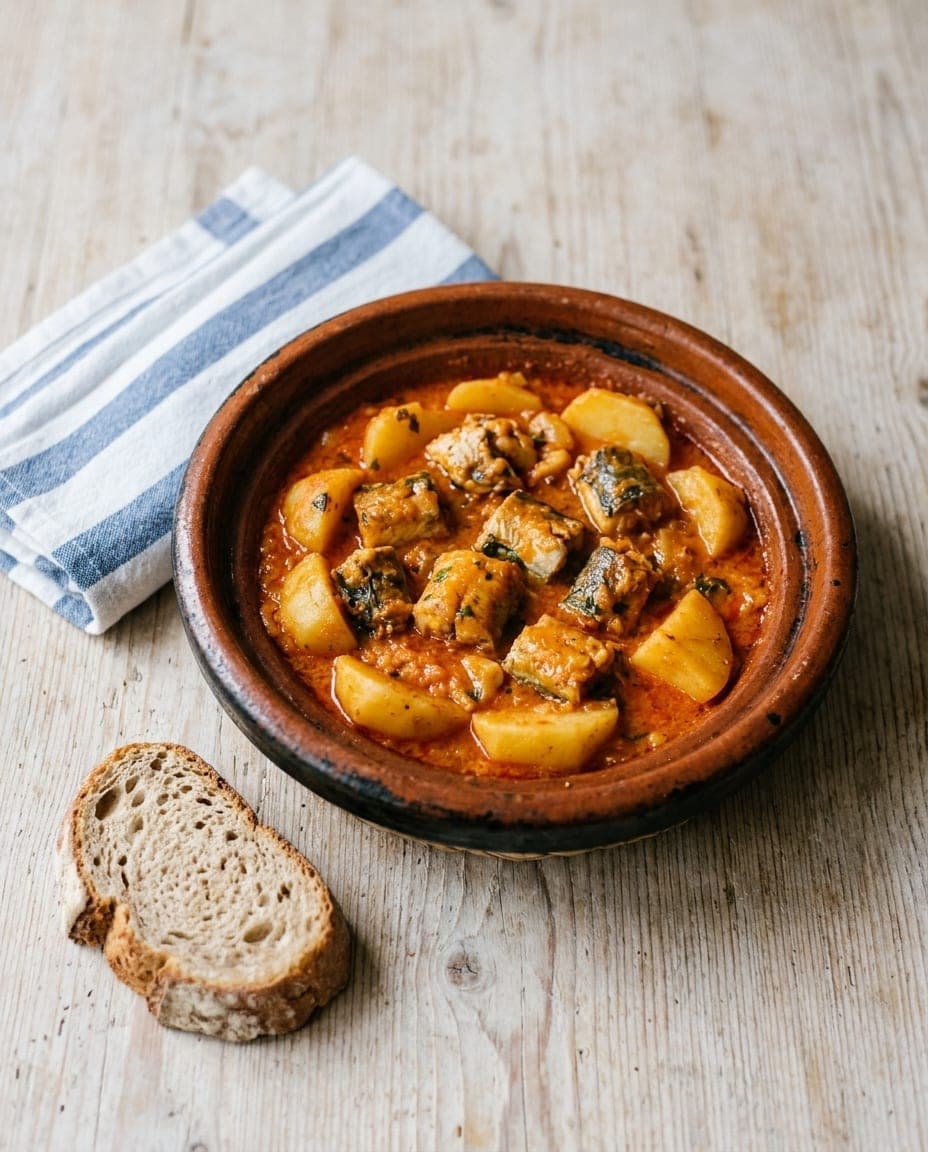
All i pebre, which translates literally as "garlic and pepper", is a hearty stew made from freshwater eel caught in the Albufera, the shallow lagoon south of Valencia. It is not a dish found across Spain but is specific to the villages surrounding the lagoon, particularly El Palmar and Catarroja. The preparation is rustic and direct: eels are cut into sections and simmered in an earthenware pot with potatoes, generous amounts of garlic, sweet paprika (pebre roig), olive oil and a dried chilli. The sauce thickens as the potatoes release their starch, and some cooks finish it with a picada, a paste of ground almonds and garlic, sometimes with fried bread.
The result is an oily, garlicky stew that prioritises flavour over delicacy. It is designed to be eaten straight from the cooking vessel with chunks of bread to soak up the sauce. The texture is soft and the taste is intense, relying on the quality of the eel and the sharpness of the garlic rather than complex techniques.
The tradition of the lagoon
The dish belongs to the culture of the Albufera, a natural park that has shaped the diet of its residents for centuries. Eel fishing here is not an open activity: the right is reserved for the Comunitat de Pescadors d'El Palmar, a fishermen's guild whose membership has traditionally passed down through families. Fixed fishing spots, known as redolins, are still allocated among its members by an annual draw.
In these communities, all i pebre is the standard meal when the eel comes in. It appears on the menu of small taverns and family-run restaurants that have served locals for generations, and both Catarroja and El Palmar hold cooking contests devoted to it. The dish reflects what the lagoon and its surroundings provide: the eels themselves, garlic and potatoes, and olive oil. It is a food of necessity that has become a point of local pride.
How it is made
There are no strict rules about quantities, but the balance of flavours remains consistent across kitchens. The base consists of sweet paprika, which provides colour and warmth, and a dried chilli (guindilla), which adds a gentle heat. Fresh garlic is used in large quantities, often crushed or sliced thinly to infuse the oil.
Potatoes are added to the pot to thicken the broth with their starch as they cook. Some versions include a picada of almonds, which gives the sauce a creamier texture and a nutty finish. The eels are cooked until tender but not falling apart, retaining enough structure to hold their shape in the thick sauce. Olive oil is used generously throughout the cooking process, ensuring the dish remains moist and rich.
How to eat it
All i pebre is served hot, often directly from the earthenware dish it was cooked in. Bread plays a central role: diners tear off pieces of crusty bread and dip them into the sauce, gathering the eel, potatoes and garlic together. The bread becomes soaked in the oily, garlicky broth, making it a substantial meal.
A glass of Valencian white wine is a common companion, its crispness cutting through the oil and garlic. Some locals prefer a light beer. The dish is usually eaten as a main course, often at lunch.
Curious facts
- The name reveals the ingredients. "All i pebre" names the two dominant flavours, garlic and pepper, the latter in the form of paprika (pebre roig).
- A conservation issue. The European eel is a critically endangered species, and fishing in the Albufera, a protected natural park, is tightly regulated.
- Regional specificity. While similar stews exist elsewhere in Spain, all i pebre is firmly tied to the Albufera lagoon and its surrounding villages.
- Earthenware cooking. The dish is traditionally prepared and served in earthenware pots, which help distribute heat evenly and retain warmth.
- The picada variation. Not every kitchen uses almonds in the sauce, but those that do add a distinct nutty depth to the garlic and paprika base.
Where to try it
The best place to experience all i pebre is in El Palmar, a village on the edge of the Albufera lagoon, or in Catarroja on its western shore. Several small restaurants there specialise in the dish. The flavour is strongest when the eel is fresh and the garlic is abundant.
Where to try it
1 region
 Camper Van Rentals2 destinations
Valencia
Known for its rich history and vibrant culture, Valencia is the third-largest city in Spain and the only region with a Mediterranean coastline. This region boasts the UNESCO-listed City of Arts and Sciences, a futuristic architectural complex, alongside the historic Silk Exchange, a symbol of its trading past. Beyond the city, the Albufera Natural Park offers stunning wetlands and is famous for its rice paddies, the source of the region's renowned paella. Valencia's traditions include the Fallas festival, celebrated with impressive sculptures and fireworks. The region also produces excellent wines, particularly from the Utiel-Requena area, and has a thriving local market scene, perfect for food enthusiasts. Nearby towns like Xàtiva and Bocairent showcase medieval architecture and local crafts, providing an authentic glimpse into Valencia's diverse heritage.
Camper Van RentalsHikingBoat Rentals