Arroz con leche asturiano
Creamy rice pudding with a burnt sugar crust from Asturias
- Vegetarian
- Local name
- Arroz con lleche
- Best eaten at
- An Asturian casa de comidas
What it is
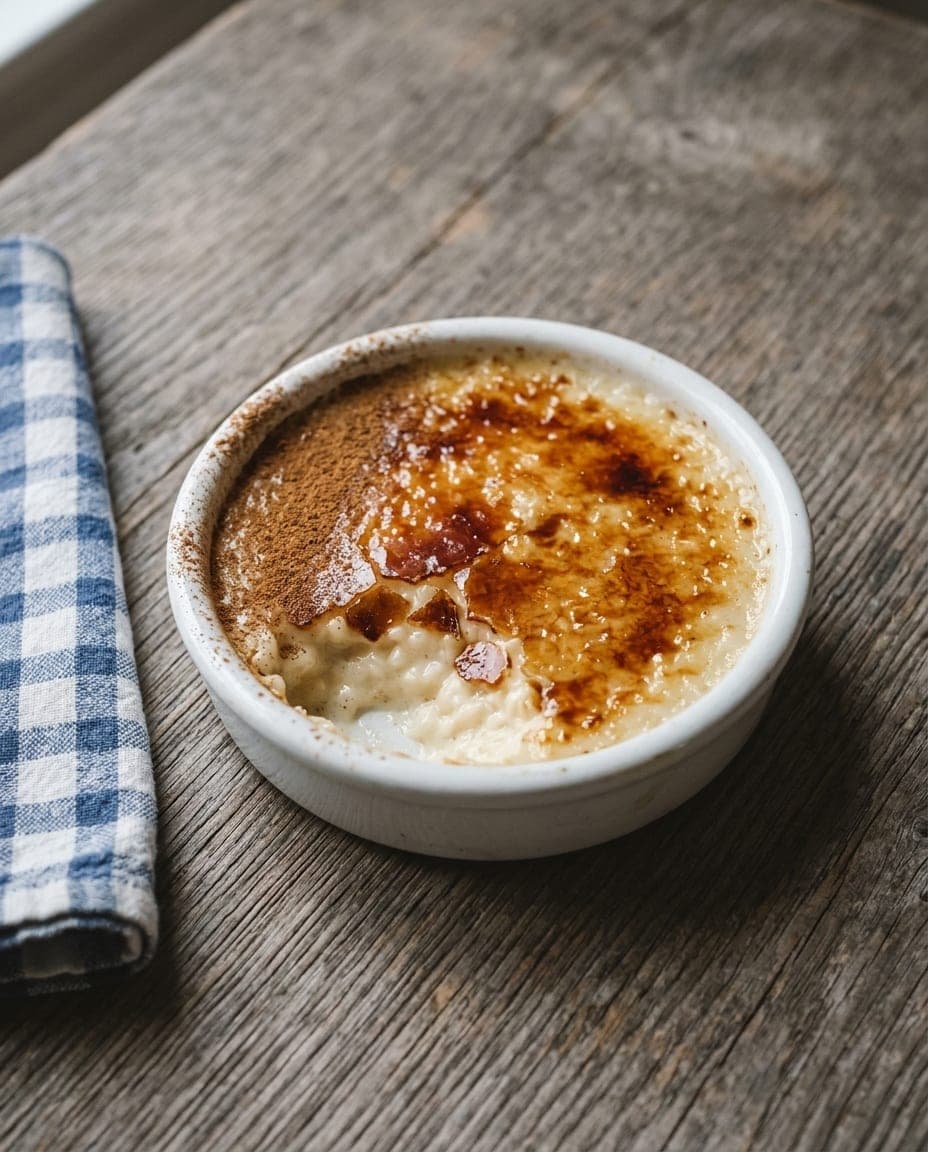
Arroz con leche asturiano is the classic dessert for finishing a heavy meal in Asturias. It is a thick, creamy rice pudding made from short-grain rice and whole milk, cooked slowly until the grains are soft. The defining feature of the Asturian version appears at the very end: the surface is covered with sugar and caramelised with a red-hot iron until it forms a hard, brittle sheet of caramel. This crust cracks under the spoon, revealing the pale cream beneath.
The dish is more than a sweet treat; it is a ritual of the region. Asturias is famous for its dairy farming, with cows grazing on the wet green pastures of the Atlantic coast, and the pudding reflects this abundance of milk. It is served at room temperature or cold, often at the end of a long lunch. While rice puddings exist across Europe and Latin America, the Asturian version is distinct for its creaminess and its burnt sugar topping.
Where it comes from
The dish is bound up with the culinary identity of Asturias, a narrow strip of land along the northern coast of Spain known as La Costa Verde. The region's wet, mild climate creates ideal conditions for grass, and its dairy tradition is the foundation of the pudding's richness.
Rice was not a crop of this part of Spain; it arrived via trade and gradually found its place in local kitchens alongside traditional ingredients like potatoes, beans and corn. Asturian cooks adapted it to their own tastes, using a long, slow cooking method suited to the region's milk. Over time, it became one of the most common ways to end a meal of fabada, the famous bean stew made with large white beans and cured pork.
The burnt sugar finish is traditionally achieved with a metal iron heated red-hot in the fire and pressed onto the sugared surface. Today some cooks use an electric caramelising iron or a blowtorch, but the aim is the same: the crunch of the caramel against the soft rice.
How it is made
The preparation relies on patience rather than precise measurements. Short-grain rice is cooked slowly in a large volume of whole milk. To infuse the liquid, cooks typically add strips of lemon peel and a cinnamon stick, which are removed before serving. The mixture simmers for a long time and needs regular stirring to prevent the rice from sticking to the bottom of the pot.
Sugar is introduced late in the process, after the rice has absorbed much of the milk. At this stage butter is often stirred into the hot pudding to give it a glossy finish and a richer mouthfeel. The result is a thick, velvety mass where individual grains remain visible but soft.
Once the pudding has cooled in the dish, a layer of sugar is spread evenly over the surface. The hot iron or a blowtorch is then used to melt and brown this sugar until it forms a hard, dark crust, without warming the rice underneath. The contrast between the scent of burnt sugar and the cool, milky interior is the defining experience.
How to eat it
Arroz con leche asturiano is almost always eaten as a dessert after a substantial meal, and it is particularly associated with the end of a fabada lunch. The pudding arrives in an earthenware bowl or dish, ready for the table.
The spoon breaks through the hard caramel layer first, and the sound of the sugar cracking is part of the anticipation. The ideal bite combines the crisp, slightly bitter notes of the burnt sugar with the creamy, cool rice.
In an Asturian casa de comidas, a traditional, home-style eatery, it might be served alongside other local sweets, but rice pudding remains one of the most common choices for ending a meal. A glass of sidra (Asturian cider) or a small pour of orujo sometimes follows, though many prefer the pudding on its own.
Curious facts
- The crust is edible. The caramelised sugar layer is not a garnish to be scraped off; it is meant to be eaten as part of the dish, providing a sharp contrast to the soft rice.
- A regional signature. Rice puddings are found all over Spain, but the burnt sugar topping is most strongly associated with the Asturian version.
- The milk matters. The richness of the pudding comes from Asturias's whole cow's milk and the long, slow cooking.
- A meal closer. It is a classic finish to a fabada lunch, acting as a sweet counterpoint to the salty, heavy bean stew.
- Cooling is key. The pudding is served cool so the caramel crust stays hard and brittle; if it warms up, the sugar softens and loses its texture.
Where to try it
The most authentic experience of this dish is found in Asturias itself, particularly in smaller towns and rural areas where traditional cooking persists. Establishments there often serve the pudding as part of a set menu or as a standalone dessert after a heavy lunch.
In Oviedo, the regional capital, traditional restaurants very often have it on the menu, as do those in coastal towns such as Gijón and Avilés. The best versions are found in places that focus on local produce and traditional methods. For a traveller seeking the true flavour of Asturias, this pudding offers a simple yet memorable taste of the region's dairy heritage.
Where to try it
1 region
 Panoramic Trains6 destinations
Asturias
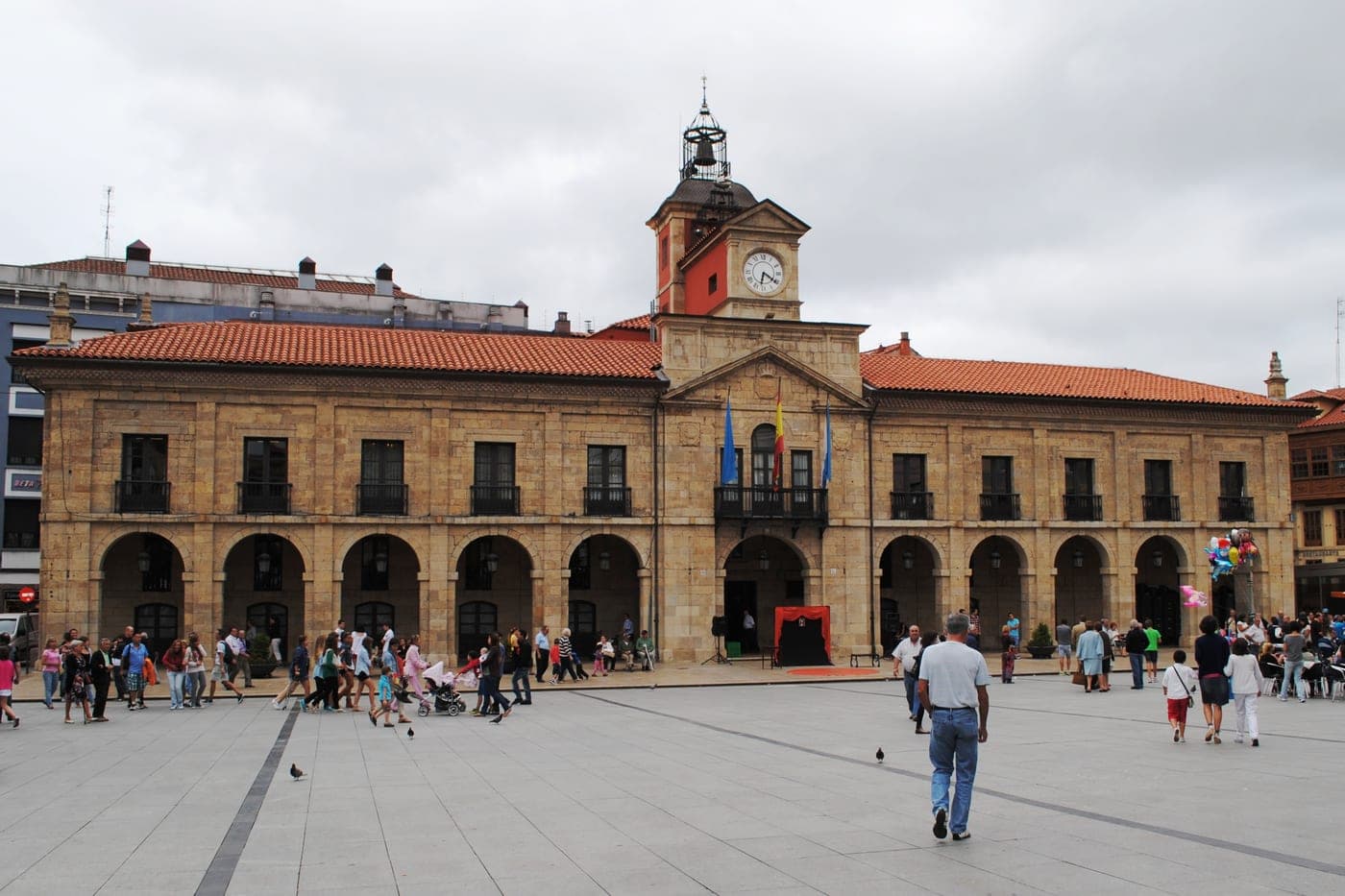
Asturias, bordered by the Cantabrian Sea to the north, is known for its rugged coastline and lush green landscapes. This region is the only one in Spain with both mountains and the sea, presenting a unique blend of natural beauty. Oviedo, the capital, is famed for its pre-Romanesque architecture and vibrant cultural scene, while Gijón offers beaches and a lively harbor. The Picos de Europa National Park attracts hikers with its dramatic peaks and diverse wildlife. Asturias is also recognized for its cider production, with traditional sidrerías dotting the landscape. With its rich history, including the medieval kingdom of Asturias, this region offers a deep dive into local culture, making it a fascinating destination for exploration.
Panoramic TrainsHikingLocal Cuisine