Tripas à moda do Porto
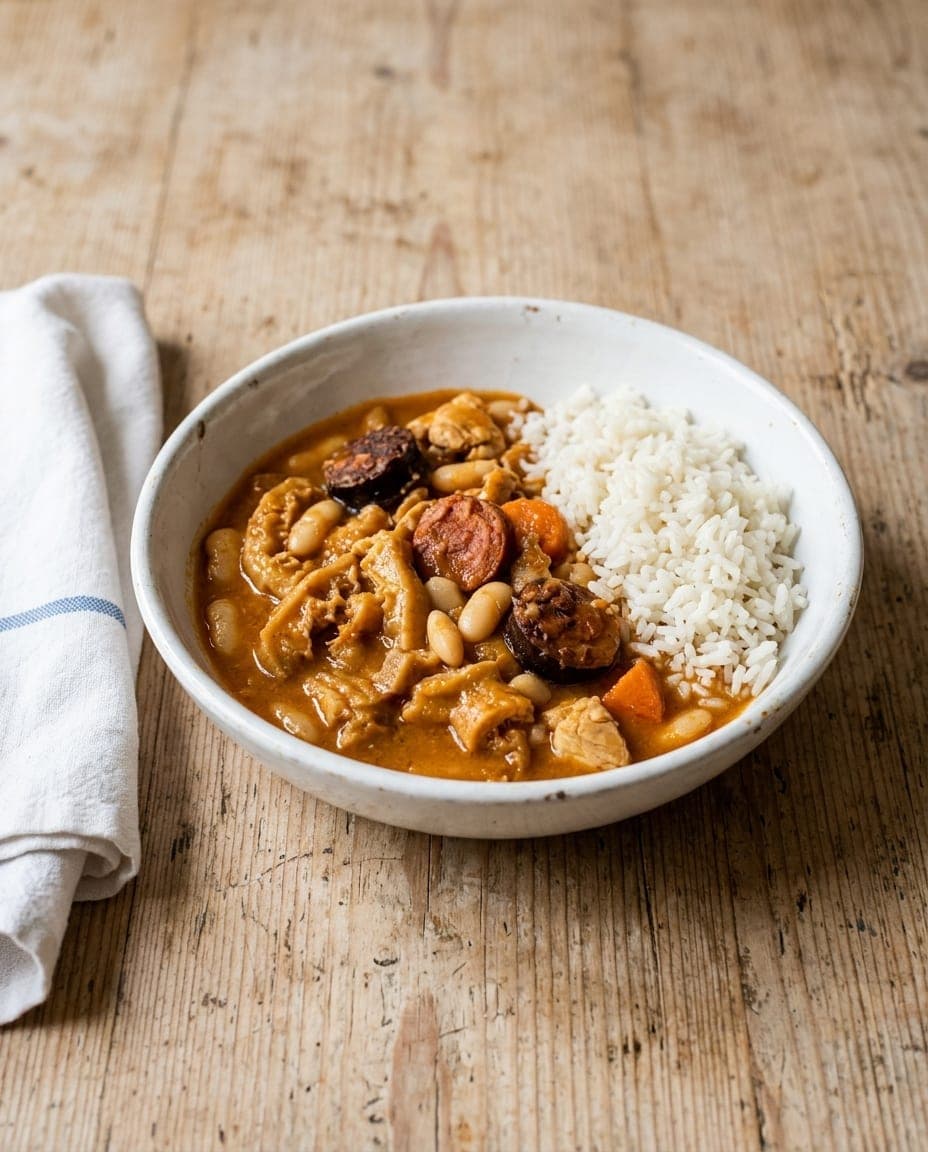
Tripe and white beans, served with rice
- Local name
- Tripas à moda do Porto
- Served with
- White rice
- Best eaten at
- A Porto tasca
- Pairs with
- Douro red
What it is
Tripas à moda do Porto, or tripe in the style of Porto, is a thick, savoury stew that defines the culinary identity of the city of Porto and the wider Norte region. It is not a light starter but a substantial meal built on the slow cooking of tripe, white beans, calf's foot, chicken and cured pork. The dish is rich in texture and flavour, with a deep broth thickened by the gelatin from the offal and the starch of the beans.
At the heart of the stew lies the tripe itself, usually several kinds of beef or veal tripe including the honeycomb, which have been scrubbed and boiled until it yields a tender bite without losing its character. This is combined with white beans that have been soaked and cooked until they soften into the sauce. The mixture is enriched with smoked chouriço, carrots, onions, and a distinctive touch of ground cumin, creating a warm, earthy profile. It is traditionally served accompanied by a generous portion of plain white rice, which acts as a neutral base to absorb the robust flavours of the stew.
The dish is so central to the city's history that it has become a nickname for its inhabitants. The people of Porto are often called tripeiros, literally "tripe-eaters". This label, once a source of pride during times of hardship, now stands as a badge of local identity and culinary resilience.
The legend of the 1415 fleet
The story most commonly told to explain the dish's prominence dates back to 1415. According to tradition, the city of Porto was called upon to provision the fleet of Infante Dom Henrique, later known as Henry the Navigator, for his expedition to conquer Ceuta in North Africa. The ships required vast quantities of meat to feed the sailors and soldiers.
The account suggests that the people of Porto gave all their meat to the fleet, leaving only the offal for themselves. Rather than discard these less desirable parts, the cooks of the city set about preparing them with care. They cleaned the tripe thoroughly, combined it with whatever other ingredients they had available, and created a hearty stew to feed the city. The fleet departed, the expedition succeeded, and the people of Porto were left with a new dish born from necessity.
While this narrative is widely accepted in local lore, historians note that there is no surviving document proving that all the meat was given away or that the dish originated specifically on that day. It remains a traditional account rather than a documented fact. Regardless of its historical accuracy, the story serves as a powerful explanation for why tripe became the signature dish of the region and why the locals adopted the name tripeiros.
What goes into it
The composition of Tripas à moda do Porto is specific, with certain ingredients appearing in almost every version found in a traditional kitchen. The preparation relies on the quality of the components rather than complex technique.
- Tripe: Beef or veal tripe, usually several kinds including honeycomb, cleaned and boiled until tender but not mushy.
- White beans: Often feijão branco, soaked overnight to ensure they cook evenly and thicken the sauce.
- Smoked chouriço: This Portuguese sausage adds a smoky depth and saltiness; some cooks add salpicão as well.
- Other meats: Calf's foot, pig's ear, cured ham and chicken are frequently added; the calf's foot gives the stew its body.
- Aromatics: Onions, carrots, garlic, and ground cumin form the flavour base.
- Bay leaves and parsley: These provide a subtle herbal note.
The result is a thick stew with a complex savoury taste. The rice served alongside is plain white rice, there to act as a vessel for the stew rather than competing with it.
How to eat it
Tripas à moda do Porto is typically eaten at lunch or on a cold evening when a warming meal is required. It is rarely found on a menu in a casual café; instead, it is the speciality of a tasca, a traditional Portuguese tavern or small restaurant that serves local food. These establishments are often family-run and focus on regional classics rather than international trends.
It comes in a deep bowl or an earthenware pot, in quantity. The rice is either under the stew or beside it, and it is eaten with a spoon, the two mixed on the way to the mouth.
The texture can be surprising to the uninitiated. The tripe should yield easily between the teeth but retain a slight resistance. The beans provide a creamy contrast, while the chouriço offers bursts of smoky saltiness. A glass of red wine, often from the Douro Valley, is a common accompaniment. The tannins in the wine help cut through the fat of the stew, cleansing the palate for the next spoonful.
Curious facts
- The nickname stuck. Tripeiro is what people from Porto call themselves, in conversation and on the terraces of the city's football ground.
- The offal origin story. While the 1415 fleet tale is popular, some food historians suggest the dish may have roots in the poorer districts of the city where nothing was wasted.
- Cumin is key. The use of ground cumin sets this stew apart from most other Portuguese bean dishes, giving it a warm, earthy aroma that defines its character.
- Rice on the side. Unlike many stews where the grain cooks inside the pot, the rice here is served separately to maintain its texture and absorb the sauce at the table.
- It is a weekly dish. Many tascas cook it once a week, on a fixed day, and serve it until the pot is finished.
Where to try it
Porto, in a tasca in one of the older neighbourhoods rather than on a central square: tiled walls, wooden tables, a short menu written up by hand.
Most of these kitchens claim a recipe handed down, and most of them cook it on one particular day of the week, so it is worth asking which. It is on menus all year and eaten most in late autumn and winter.
Where to try it
1 destination
 Boat Rentals
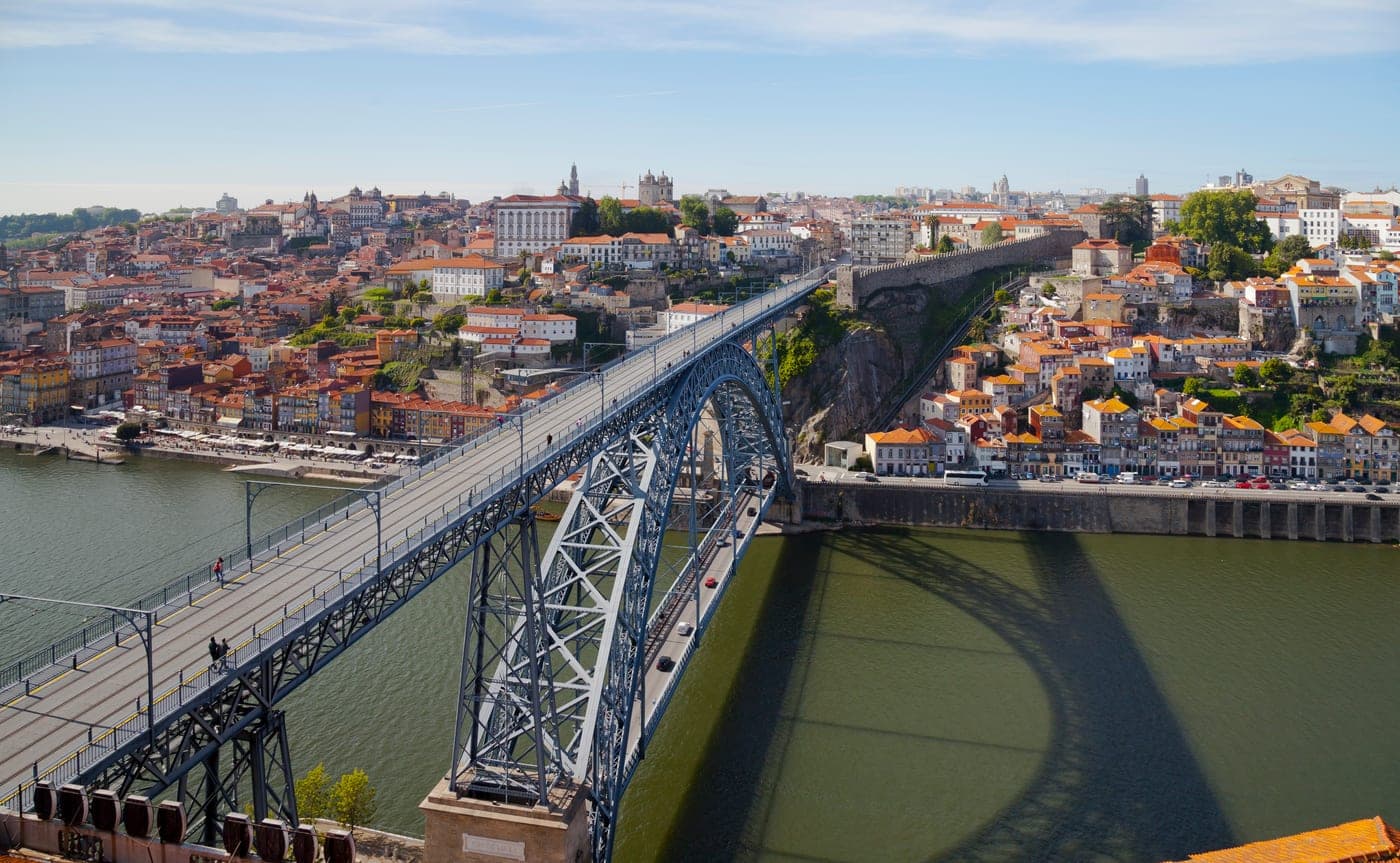
Porto
Historic riverside city famous for port wine cellars and azulejos.
Boat RentalsWine TastingCamper Van RentalsHiking
1 region
 Wine Tasting12 destinations
Norte
Norte is the largest region in Portugal, known for its diverse landscapes ranging from rugged mountains to a stunning coastline. Porto, the region's main city, is famous for its port wine and historic Ribeira district, while towns like Guimarães and Braga boast rich medieval history and architecture. The Douro Valley, a UNESCO World Heritage Site, offers breathtaking views and opportunities to explore terraced vineyards. Unique cultural festivals, such as the Festa de São João in Porto, showcase local traditions. The region is also noted for its traditional cuisine, including dishes like francesinha and regional cheeses. Nature lovers can hike in the Peneda-Gerês National Park, experiencing the region’s natural beauty away from the crowds.
Wine TastingHikingBoat RentalsCamper Van Rentals