Tortas de Azeitão
A sponge roll filled with egg-yolk cream
- Vegetarian
- Local name
- Tortas de Azeitão
- Best eaten at
- An Azeitão pastelaria
- Pairs with
- Moscatel de Setúbal
What it is
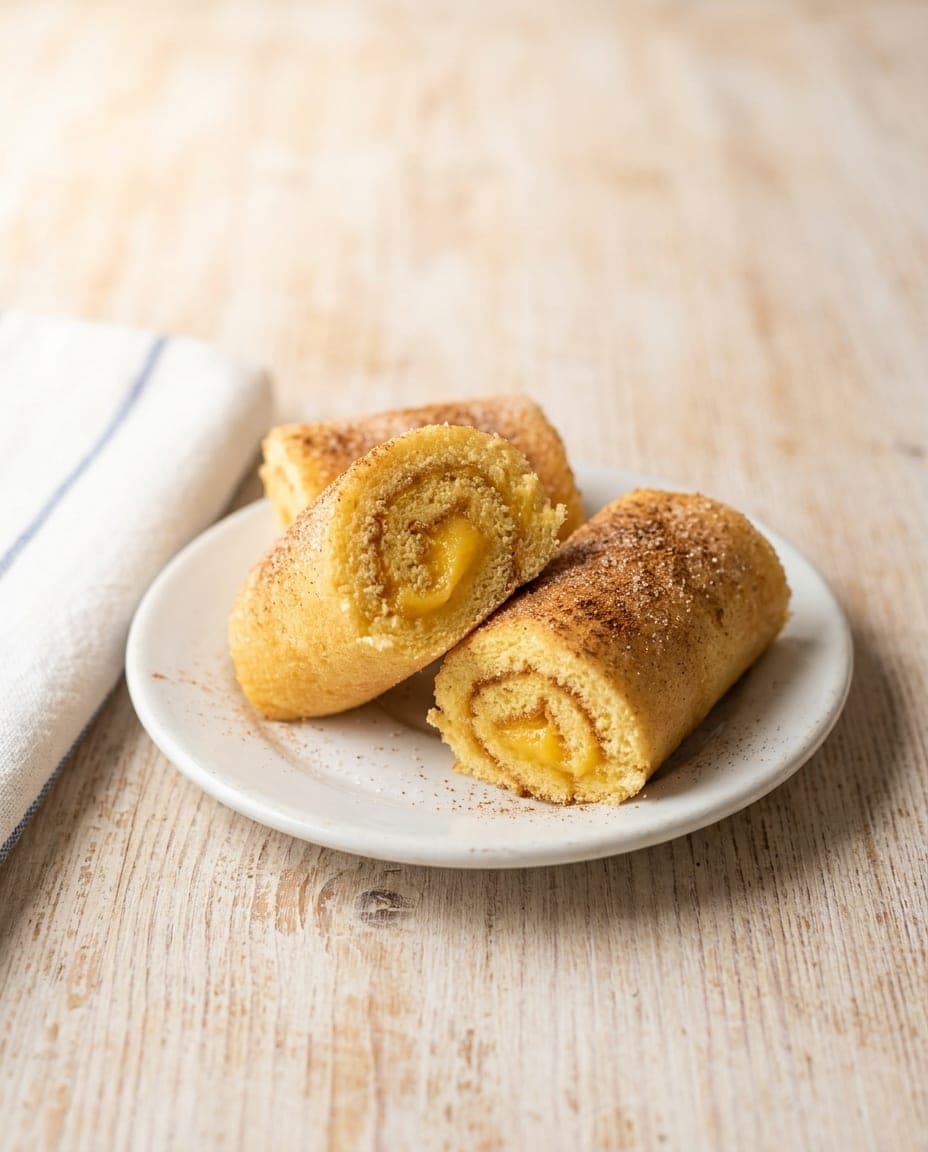
Tortas de Azeitão are a small but distinct pastry from Azeitão, a cluster of villages in the municipality of Setúbal, on the peninsula south of Lisbon. They are not large cakes or elaborate pastries; they are simple rolls made from a thin sheet of egg-rich sponge that is baked until golden, spread with a sweet cream of egg yolks and sugar called doce de ovos, and then rolled up while still warm.
The result is a short, fat cylinder that looks like a thick Swiss roll but feels lighter on the tongue. The texture is soft and moist, with a delicate sponge crumb that yields easily to the sweet filling. The outside is coated with sugar, which sticks to the surface and gives it a slightly sugary crust. They are usually sold wrapped in paper, singly or a few together, ready for a quick treat or a morning coffee.
Despite their modest appearance, these rolls have a strong local identity. Azeitão is known for its sheep's cheese and the sweet fortified wine Moscatel de Setúbal, but the tortas are the specific sweet that defines the place. They are sold in Lisbon and well beyond, but the ones bought in Azeitão are the reference.
How they are made
The process relies on a specific timing and a simple combination of ingredients rather than complex techniques. Bakers start with a batter of eggs, sugar and a very little flour or cornflour to create a thin sponge sheet. This is baked quickly in a large tray until it turns a light golden colour. The sponge must remain thin enough to roll without cracking but sturdy enough to hold the filling.
Once the sponge comes out of the oven, the baker spreads a layer of doce de ovos across the surface. This cream is made from egg yolks and a sugar syrup, cooked slowly until it reaches a thick, custard-like consistency, and here it is kept smooth and spreadable. The sponge and filling are then rolled up while still warm. Heat makes the sponge pliable, allowing it to form a tight coil without breaking.
The sponge is usually turned out onto a sugared cloth before filling, so the outside of the roll ends up coated in sugar. The torta was once made as one large roll and sliced; today the sheet is usually cut into strips that are rolled individually, each one showing the spiral of yellow cream against the sponge at the ends.
What goes into it
The ingredients are few, but each one plays a clear role in the final texture and flavour:
- Eggs, used both in the sponge batter and as the primary ingredient for the doce de ovos filling.
- Sugar, which sweetens the sponge, creates the cream, and forms the outer dusting.
- Flour, a small amount (often cornflour) to give the sponge structure without making it heavy.
- Cinnamon, sometimes dusted lightly over the filling before rolling, though not every version uses it.
The doce de ovos filling is the heart of the pastry. It provides a deep, custard-like sweetness that contrasts with the lightness of the sponge. The sugar dusting adds a final touch of sweetness and a slight crunch to the exterior. There are no dried fruits in the traditional version.
How to eat it
Tortas de Azeitão are best enjoyed fresh from the bakery, ideally on the same day they are made. They pair naturally with a glass of Moscatel de Setúbal, the sweet fortified wine produced in the region. The wine's honeyed notes and slight acidity cut through the sweetness of the egg cream, creating a balanced finish.
They are not a dinner dessert but an afternoon thing, eaten standing at a counter or carried away by the packet. A day-old torta is noticeably drier, which is the argument for buying two rather than six.
Curious facts
- A name that confuses. The village of Azeitão produces a soft sheep's cheese called Queijo de Azeitão. This cheese has nothing to do with the tortas; they share only the place name.
- Not a convent sweet. Many Portuguese pastries have origins in convents or monasteries. Tortas de Azeitão do not have a documented religious origin; their history is usually traced to the late 19th century and to a family of Azeitão pastry-makers who sold them from the early 1900s, rather than to nunneries.
- They travel, but not well. They are sold far beyond the peninsula, yet they dry out within a day, which is why locals buy them in Azeitão.
- Simple packaging. Traditional sellers often wrap them in plain paper, a few pieces at a time.
Where to try it
Azeitão itself, where several bakeries make them daily and sell them by the packet over the counter. The village sits between Lisbon and Setúbal under the Arrábida hills, and the same shops usually have the local sheep's cheese and a bottle of Moscatel on the shelf behind.
Bakeries across the Setúbal peninsula make them too, and in Azeitão it is easy to try versions from more than one shop on the same morning. Fresh is the whole point: they are made in the morning and are best before the end of the day.
Where to try it
1 destination
 Wine Tasting
São Simão
Historic village known for its traditional stone houses and local pottery.
Wine TastingHiking
1 region
 Boat Rentals6 destinations
Setúbal
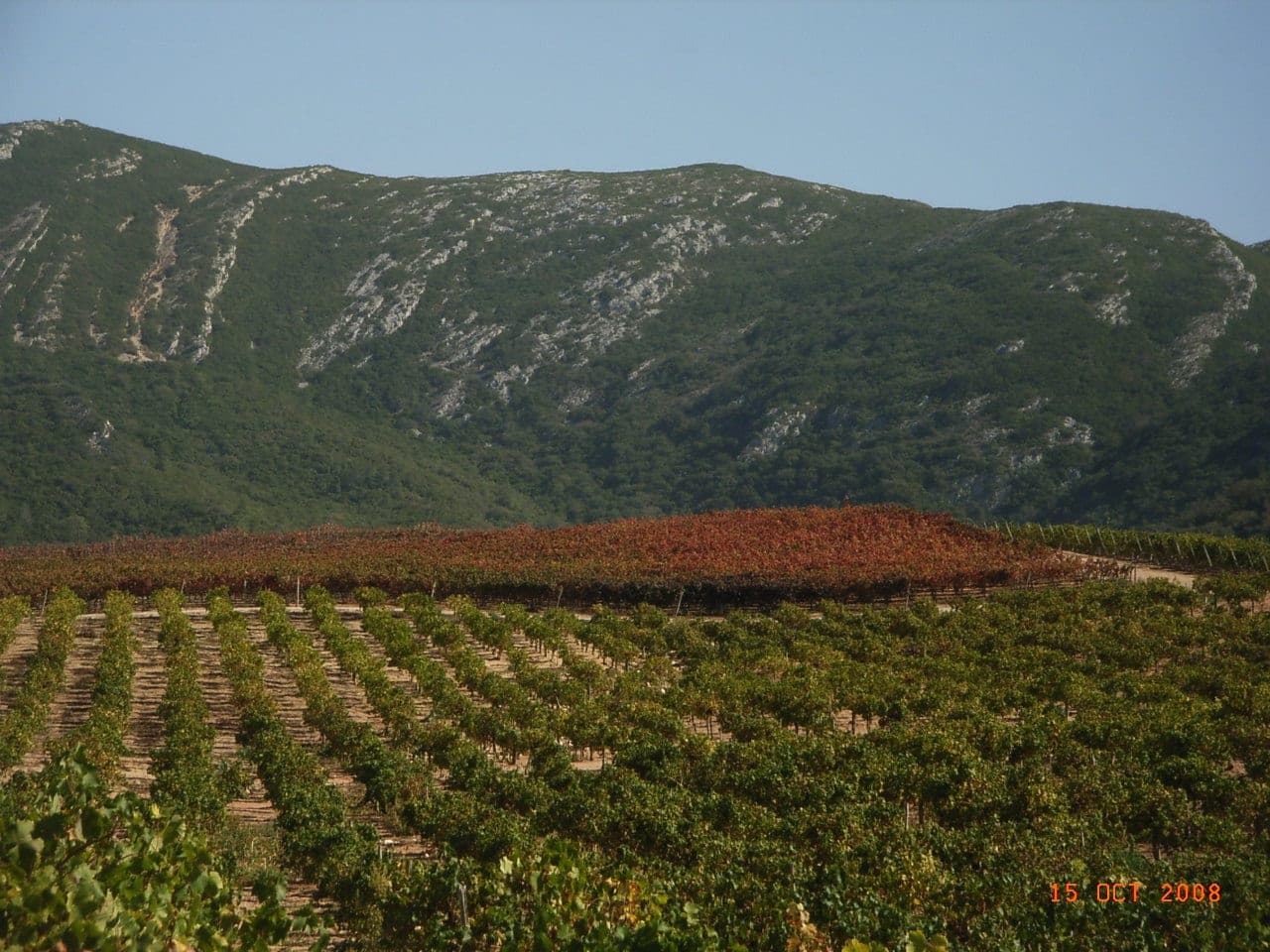
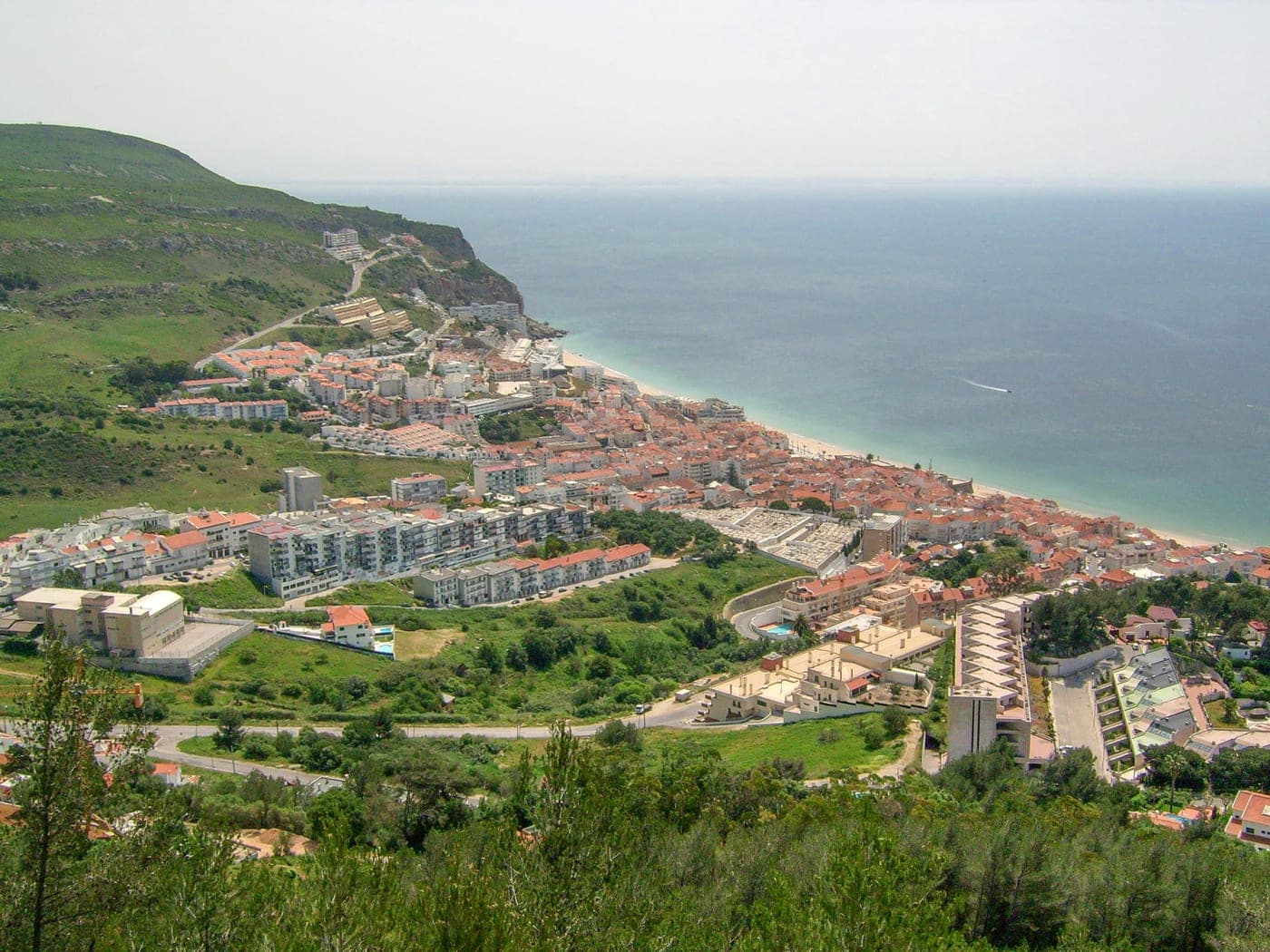
Setúbal is known for its stunning coastal landscapes and rich cultural heritage. This region features the Arrábida Natural Park, where cliffs meet the Atlantic, offering hiking trails and secluded beaches. Setúbal city is the main hub, famous for its historic fish market and vibrant local cuisine, particularly the fresh seafood and traditional choco frito. Notable nearby towns include Sesimbra, with its picturesque castle and fishing traditions, and Troia, which boasts Roman ruins and beautiful sandy shores. The region is also recognized for its high-quality wines, especially the Muscatel from the local vineyards. Setúbal's local festivals celebrate its maritime culture and gastronomy, providing an authentic glimpse into Portuguese life.
Boat RentalsHikingWine Tasting