Sopa da Pedra
The soup that began with a stone
- Local name
- Sopa da pedra
- Served with
- Caralhotas bread
- Best eaten at
- A traditional restaurant in Almeirim
- Pairs with
- A Ribatejo red or a cold beer
What it is
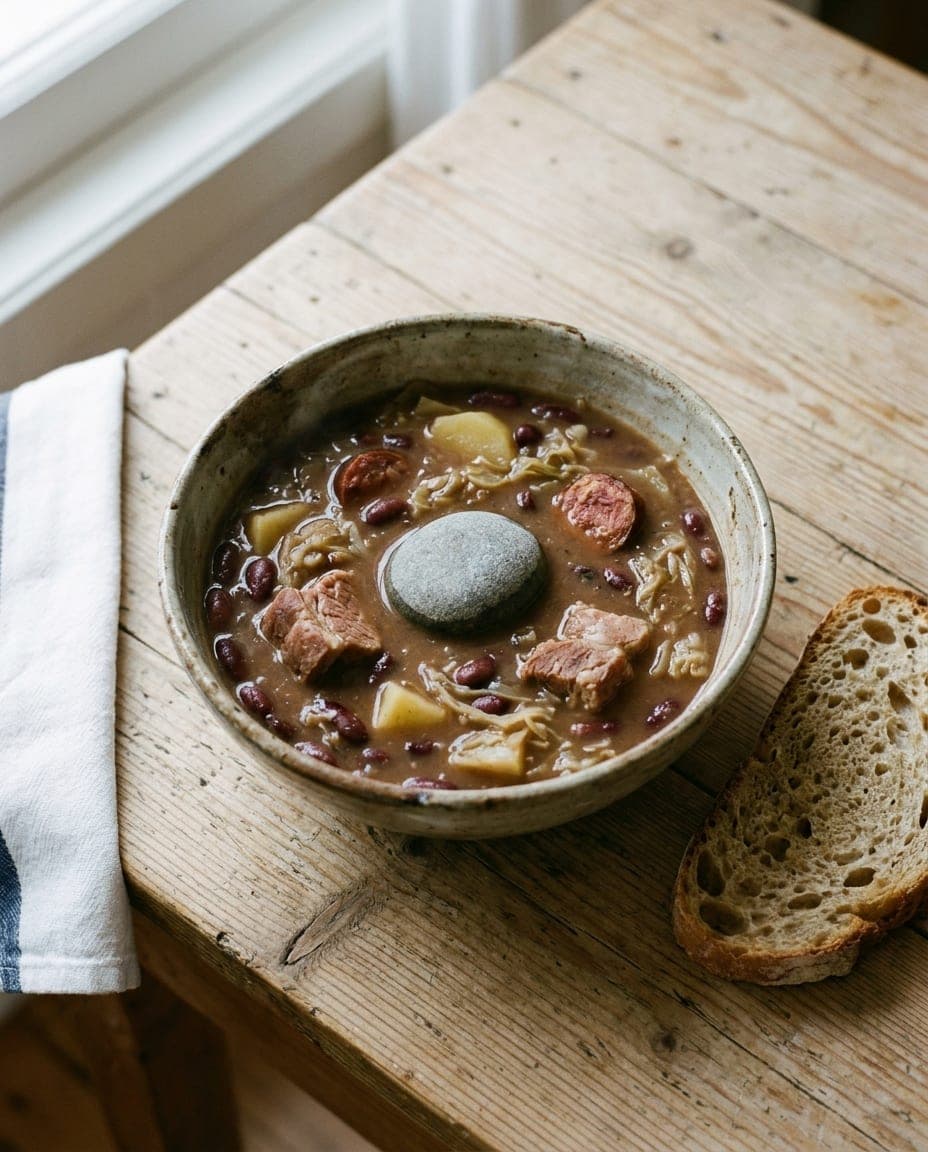
Sopa da pedra, literally "stone soup", is one of the most famous dishes of Portugal's Ribatejo region and the pride of the small town of Almeirim, on the left bank of the Tagus River about an hour north-east of Lisbon. Don't let the name fool you: there is nothing austere about it. It is a thick, generous, deeply savoury soup of red beans, pork, smoked sausages, potatoes and fresh coriander, closer to a stew than to a light starter. A single bowl is often a full meal.
What makes it unforgettable is the detail that gives it its name. In many restaurants, sopa da pedra still arrives with a smooth, clean stone sitting in the pot or at the bottom of your bowl. It is not an ingredient in any real sense. It is a nod to the story behind the dish, one that every Portuguese child seems to know.
The legend of the friar and the stone
The story goes like this. A travelling friar, hungry and penniless, knocked on the door of a farmhouse in the Ribatejo countryside. Rather than ask outright for food, he announced that he could make a delicious soup from nothing but a stone, and asked only for a pot of water to cook it in. The curious farming family agreed. Once the stone was simmering, the friar tasted the water thoughtfully and remarked that it would be even better with a pinch of salt. Then perhaps a little lard. Then a few beans, a chunk of chouriço, some potatoes, a handful of herbs. Bit by bit the family added everything the soup "needed", until the pot was full of a rich, fragrant meal. When they had all eaten their fill, the family asked what would become of the stone. The friar fished it out, wiped it clean and slipped it into his pocket, ready for the next village.
Versions of the stone soup tale are told all over Europe. In France the heroes are soldiers returning from war, in Scandinavia a tramp makes "nail soup", and in parts of Eastern Europe and Russia a soldier cooks "axe soup" or axe porridge. It is a story about wit, sharing and the idea that a community can make something wonderful when everyone contributes a little. In Portugal, though, the tale took root in Almeirim, and the town turned it into a dish with a home address.
How Almeirim made it its own
Almeirim is widely known as the capital da sopa da pedra, the capital of stone soup, and the friar's story is said to have taken place here. The town even has a monument to the friar. Over the decades the soup became Almeirim's calling card: it appears on the menu of almost every traditional restaurant in town, several of which are known mainly for this one dish, and it is one of the first things visitors come to eat. Locals have strong opinions about which kitchen does it best.
Every year in the last weekend of August, the town celebrates its soup at the Festival da Sopa da Pedra in the Parque das Tílias, with food stalls run by local associations, folk music and cooking demonstrations. The festival was named best gastronomic event at the 2018 Alentejo and Ribatejo tourism awards.
The soup suits its landscape. The Ribatejo is fertile farming country, a flat, sunny plain of vegetable fields, vineyards and pastures shaped by the floods of the Tagus. It is also a region of horses, bulls and hearty country cooking, where food was traditionally made to fuel long days of work outdoors. Beans, pork and potatoes were what farming households had in their larders, and sopa da pedra is essentially an elevated version of that everyday fare. Neighbouring Alpiarça, just down the road, shares the same tradition.
What goes into it
There is no single official recipe, and every cook guards their own version, but the building blocks are always similar:
- Red kidney beans, the backbone of the soup, which give it its body and rusty colour.
- Pork in several forms: smoked chouriço, often morcela (blood sausage), pork belly or bacon, and sometimes pig's ear or other cuts that add richness.
- Potatoes, cut into chunks that soften into the broth.
- Onion and garlic for depth.
- Fresh coriander, the herb that gives so much southern Portuguese cooking its signature scent.
The result is thick, smoky, slightly sweet from the beans and very filling. It is not a vegetarian dish, and the stone, of course, is the only ingredient you are not supposed to eat.
How to eat it
Sopa da pedra is usually served as a main course rather than a starter, particularly at lunch. It often comes to the table in a clay pot or a large tureen for sharing, with each diner ladling out their own portion. Expect the meats to be cut into bite-size pieces through the soup rather than served separately.
Pair it with a slice of local bread. Almeirim is also known for its caralhotas, small round loaves traditionally baked in wood-fired ovens, which are perfect for mopping up the last of the broth. A glass of Ribatejo red wine is the traditional companion, though a cold beer is just as common on a hot summer day.
When you find the stone, there is no need to be shy about it. Many visitors keep it as a souvenir, and some restaurants are happy to let you take it home, just as the friar did.
Curious facts
- The stone is real, but symbolic. Restaurants that serve the soup with a stone use a clean, smooth pebble that adds nothing to the flavour. Not every kitchen does it, but it is the detail visitors remember.
- A shared European story. The stone soup tale exists in many languages, with soldiers, tramps and even nails or axes in place of the stone. Almeirim's version, with its friar, is one of the few that turned into a real, named regional dish.
- World-ranked. In 2025, the food guide TasteAtlas placed sopa da pedra among its 100 best soups in the world.
- A popular stop. Almeirim lies just across the Tagus from Santarém, about an hour from Lisbon, so many travellers break their journey there to eat a bowl.
- A lesson in a bowl. Portuguese parents still use the story to teach children about generosity and cleverness. The moral is less about tricking people and more about how much can come from a small beginning when everyone adds something.
Where to try it
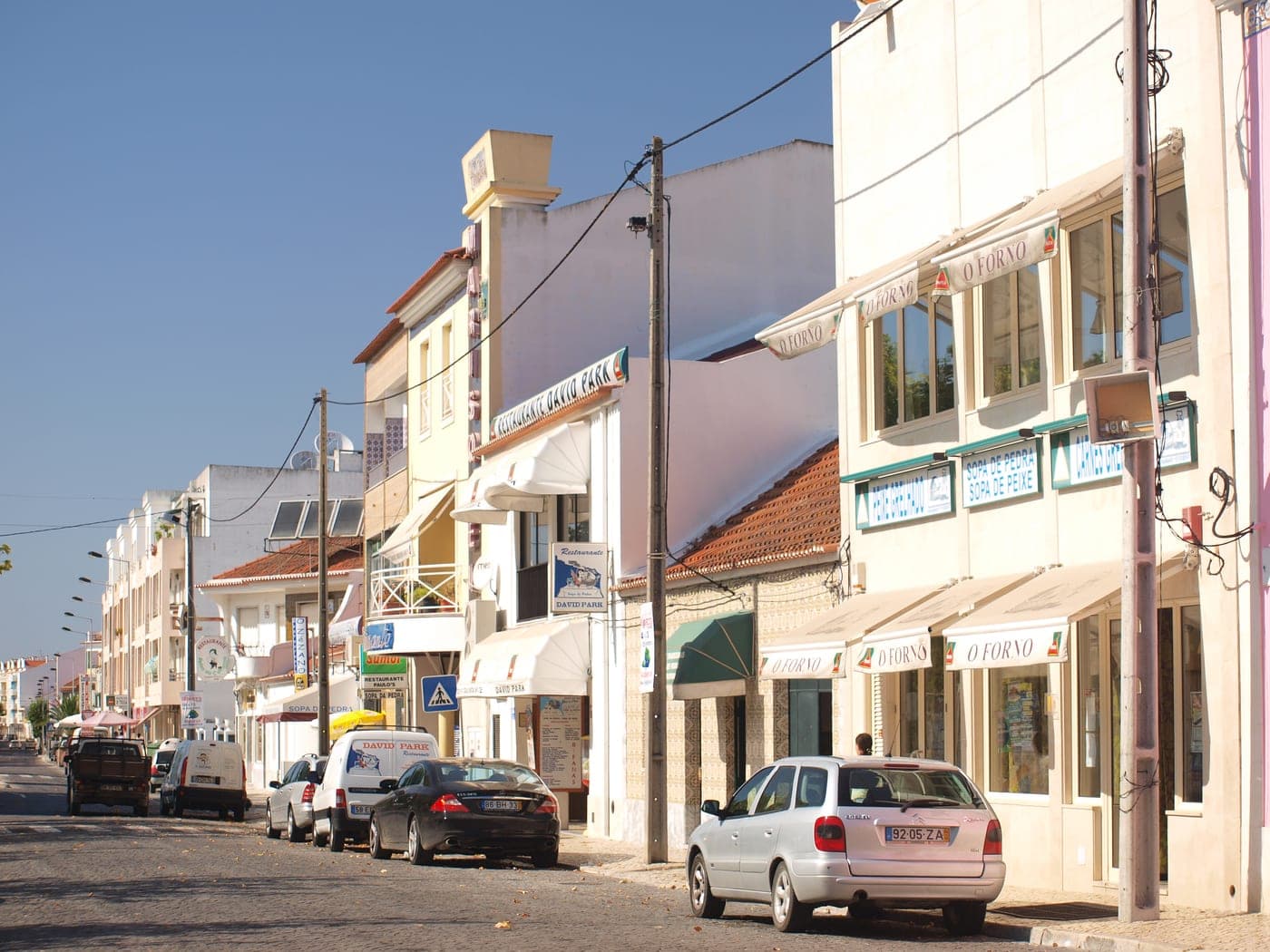
The best place to eat sopa da pedra is where it was made famous: Almeirim, where it is on almost every traditional restaurant menu. Nearby Alpiarça and the wider Ribatejo countryside also serve excellent versions. Go hungry, go slow, and save room for a slice of melon from the surrounding fields if you visit in summer.
Where to try it
2 destinations
 Wine Tasting
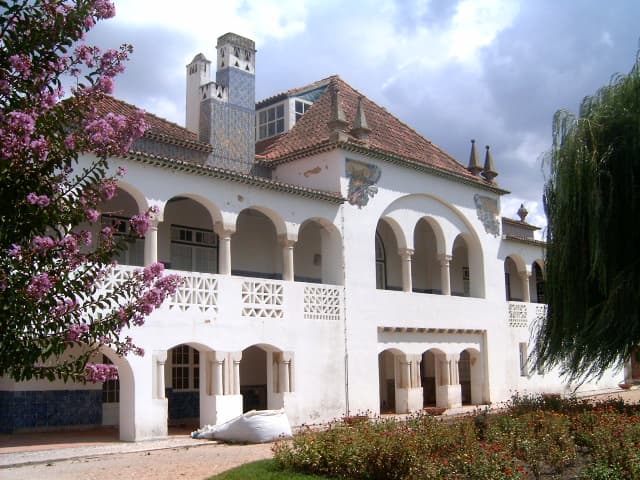
Alpiarça
Wine town in the Tejo region known for quality red wines and equestrian culture.
Wine TastingHiking
1 region
 Wine Tasting4 destinations
Ribatejo
Ribatejo, located in central Portugal, is characterized by its rich agricultural land and historic towns. It is known for its diverse landscapes, including the Tejo River, which flows through the region. Santarém, the region's largest city, is famous for its Gothic architecture and the annual Festa de São Martinho. The region is also notable for producing high-quality wines, particularly the robust reds from the Tagus Valley. Off the beaten path, towns like Almeirim and Cartaxo offer authentic local gastronomy, including the iconic sopa da pedra. Ribatejo is steeped in history, with archaeological sites such as the Roman ruins in Conímbriga showcasing its ancient past. Outdoor enthusiasts will find numerous hiking trails along the riverbanks, making it an ideal area for slow exploration.
Wine TastingHiking