Queijo Serra da Estrela
Runny thistle-curdled sheep's cheese
- Vegetarian
- Local name
- Queijo Serra da Estrela
- Served with
- Crusty bread
- Best eaten at
- Serra da Estrela farm shops
- Pairs with
- Dão red
What it is
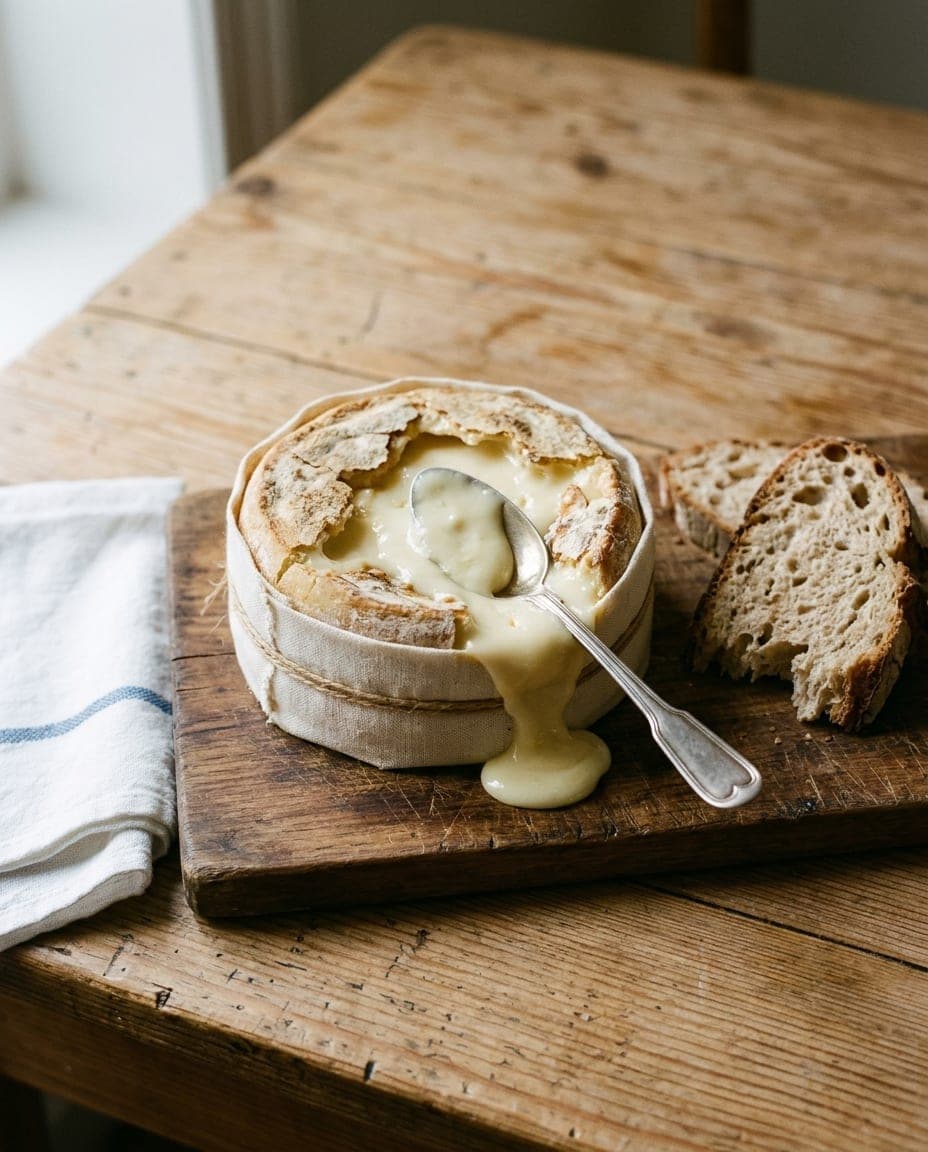
Queijo Serra da Estrela is the most celebrated cheese of Portugal, a soft, runny wheel made in and around the Serra da Estrela mountains of the central Beiras region. It is not a mass-produced commodity but a seasonal product of the upland farms and their flocks. The cheese is defined by its texture: when young and at its peak, it is liquid enough to be eaten with a spoon, oozing from beneath a thin, straw-yellow rind that is sliced away like a lid before the creamy interior is scooped out.
The cheese belongs to the cold months of the year. It is made mainly between November and March, which is when the Bordaleira Serra da Estrela and Churra Mondegueira ewes are in milk. The result is a cheese that tastes of wild herbs, thistle and the cool air of the mountains. It is not a dry, crumbly block like many cheeses found elsewhere; it is a deeply savoury spread that melts on the tongue.
What sets this cheese apart from most others in Europe is the method used to curdle the milk. Instead of animal rennet, the maker uses the dried flower of the cardoon thistle, as other Portuguese and some Spanish sheep's cheeses do. The flowers are steeped in water and the liquid is strained into the warm sheep's milk. The enzymes in the thistle flowers coagulate the milk, giving the cheese its signature slight bitterness and a texture that holds together yet flows freely when cut.
How the mountains make it
The production of Queijo Serra da Estrela is tied directly to the geography of the Serra da Estrela, Portugal's highest mountain range. The upland pastures are covered in wild grasses and aromatic herbs that grow between rocks. The sheep that roam these slopes graze freely, their milk absorbing the flavours of the season.
The cheese is made by hand in small farmhouses known as quintas or queijarias. These are not industrial dairies but family-run spaces where the milk is curdled in vats and the curd worked by hand. Wooden tools are traditional, though some modern producers have moved to stainless steel for hygiene reasons while still following the old methods. The milk must be raw; pasteurisation is not part of the traditional process for this Protected Designation of Origin (PDO) cheese.
The seasonality follows the animals. The ewes lamb in autumn and are kept near the farms through the winter; when they dry off in spring, production largely stops until late autumn. A wheel of Serra da Estrela is a winter object.
The thistle and the runny texture
The defining feature of this cheese is the use of cardoon thistle, or cardo, as a coagulant. The dried flower heads are soaked in water to create a liquid that contains enzymes capable of curdling milk. This method produces a curd that is delicate and prone to breaking if handled too roughly. The result is a cheese with a distinct, slightly bitter aftertaste that balances the fat of the sheep's milk.
When the cheese is young, after the minimum 30 days of curing, it is soft and often runny. The top layer of rind is cut away, revealing a golden, flowing interior. At its softest it cannot be sliced and is eaten with a spoon. As the cheese ages, the texture changes. After at least 120 days it becomes firmer and drier, and may be sold as Queijo Serra da Estrela Velho (old). The velho version can be sliced and grated, offering a sharper, more intense flavour, but the runny young cheese remains the most sought-after form for visitors.
The bitterness of the thistle is not an accident. It is a natural part of the process that prevents the cheese from becoming too cloying. The raw milk adds a deep, earthy note, while the thistle provides a sharp edge. Together they create a complex profile that changes with every bite.
What goes into it
The ingredients are simple and limited to what the mountains provide:
- Raw sheep's milk from Bordaleira Serra da Estrela or Churra Mondegueira breeds, which graze on wild mountain herbs.
- Cardoon thistle, the dried flower of Cynara cardunculus, steeped to create the coagulant.
- Salt, added in small amounts to season the curd.
- Water, used for steeping the thistle.
No additives, no preservatives and no animal rennet are used in the traditional version. The cheese is formed into wheels of roughly half a kilo to 1.7 kilos, which are then cured in cool, humid rooms. The rind develops a thin, smooth, straw-yellow crust that protects the soft interior.
How to eat it
Queijo Serra da Estrela is best enjoyed at its source, on the farms of the Beiras region. It is typically served as a starter or a snack, accompanied by slices of crusty bread. The bread is essential; the runny cheese is scooped onto the warm, rough surface and eaten immediately before it cools and loses its texture.
The traditional way to eat it is to cut off the top of the wheel, revealing the golden liquid inside. A spoon is used to scoop out generous portions, which are then placed on thick slices of rustic bread. The slight bitterness of the thistle pairs well with honey.
A glass of Dão red is the classic companion; the tannin holds against the fat of the cheese. Honey on the side is common in the mountain shops, and a small glass of aguardente alongside is a winter habit.
Curious facts
- A spoonful of the mountain. At its runniest the cheese cannot be sliced; it is scooped, making it one of the few cheeses eaten with a spoon.
- Thistle as a coagulant. Unlike most European cheeses that use animal rennet, this one relies on the enzymes from the cardoon thistle flower for its slight bitterness and soft texture.
- Seasonal. Production winds down when the ewes dry off in spring and picks up again in late autumn when the cold returns to the mountains.
- Two ages, one name. The same cheese can be sold young and runny, or cured for 120 days or more into a firmer, sliceable Velho, offering two very different experiences.
- The protected name is specific. The PDO names the two breeds, the area and the thistle; a cheese made the same way from other milk cannot carry it.
Where to try it
The best place to taste Queijo Serra da Estrela is in its home area, for example in the towns of Gouveia, Seia, Celorico da Beira or Nelas in the Beiras region. These are small market towns where farm shops and small dairies sell fresh wheels directly from the producers. Supermarkets across Portugal stock it, but the best wheels are bought close to where they are made.
In winter the queijarias are working and some of them sell at the door, which is the shortest distance between the ewe and the spoon. Wheels travel badly once cut, which is the practical reason the cheese stays close to the mountain.
Where to try it
2 destinations
 Wine Tasting
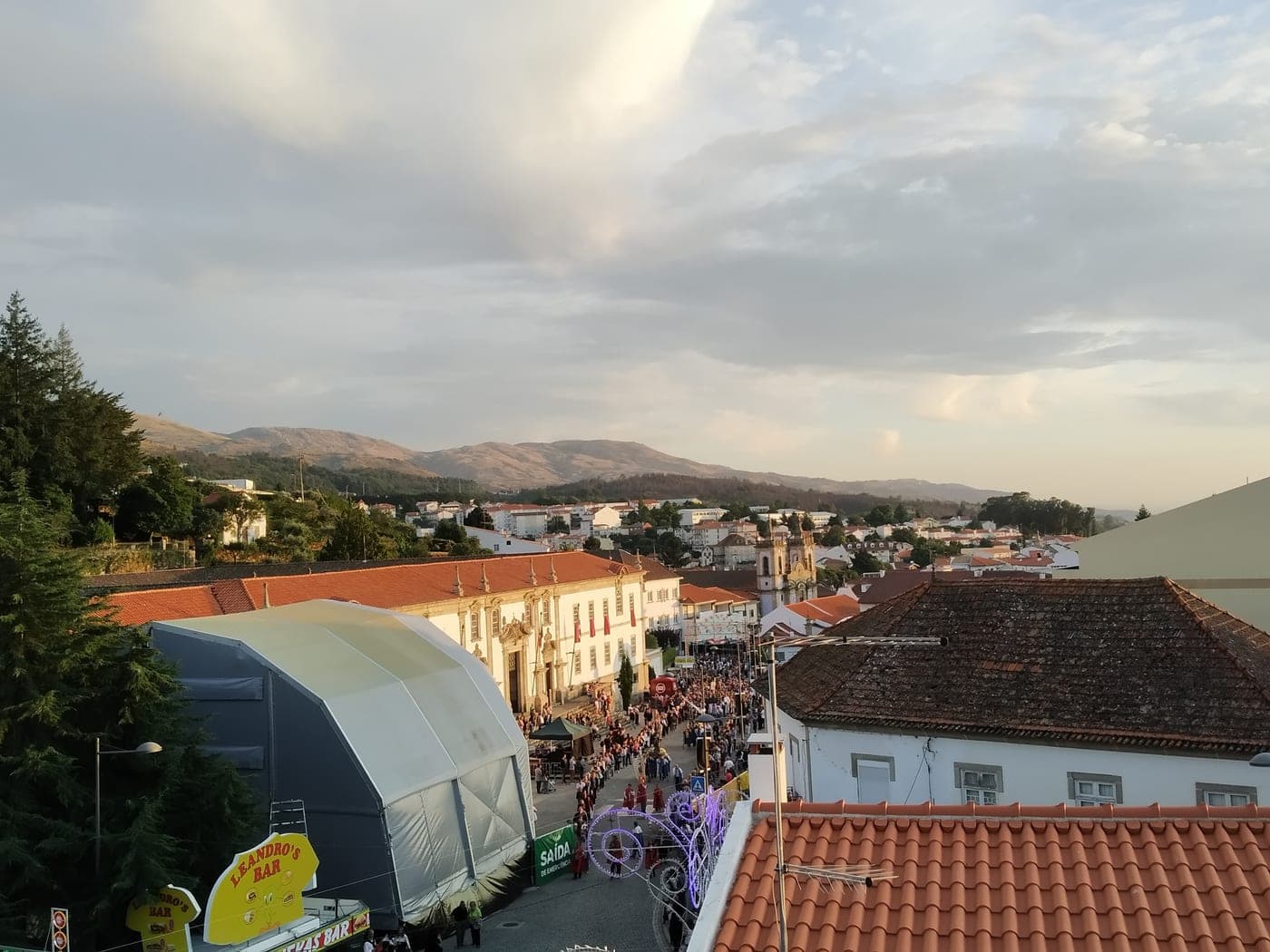
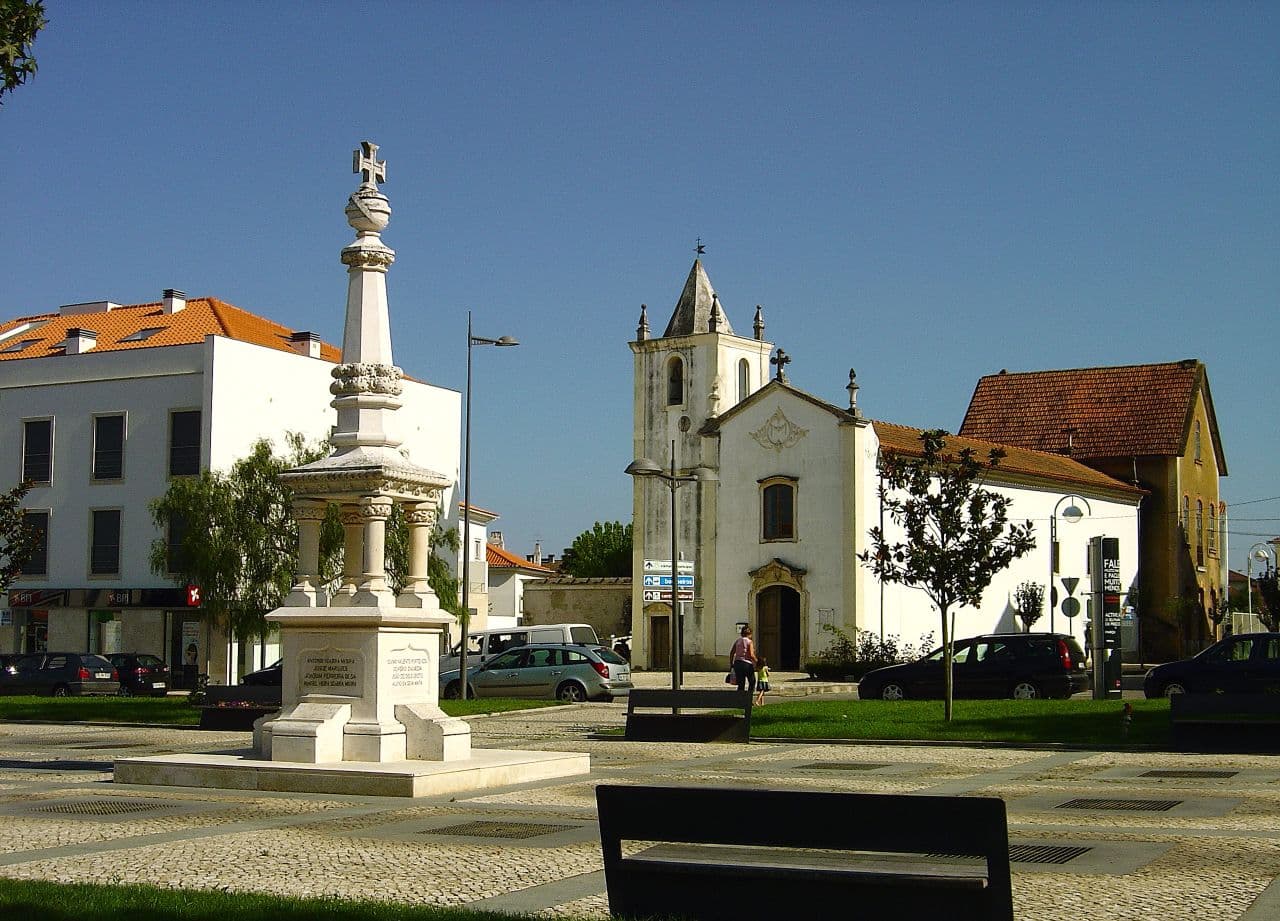
Gouveia
Mountain town in the Dão region with wineries producing elegant mountain wines.
Wine TastingHiking
2 regions
 Wine Tasting6 destinations
Beiras
Beiras, the largest region in Portugal, is known for its diverse landscapes and rich heritage. The region features the stunning Serra da Estrela mountains, home to Portugal's highest peak and unique glacial valleys. Historical cities like Coimbra, with its ancient university, and Viseu, famed for its Renaissance architecture, attract those interested in culture and history. The region is also renowned for its artisanal cheeses, particularly Queijo da Serra, and traditional wines like Dao. Charming villages like Piódão, with its schist houses, offer a glimpse into local life. Beiras is the only region with significant access to both mountains and coastline, providing a variety of outdoor activities, from hiking to beach visits.
Wine TastingHikingBoat RentalsLocal Cuisine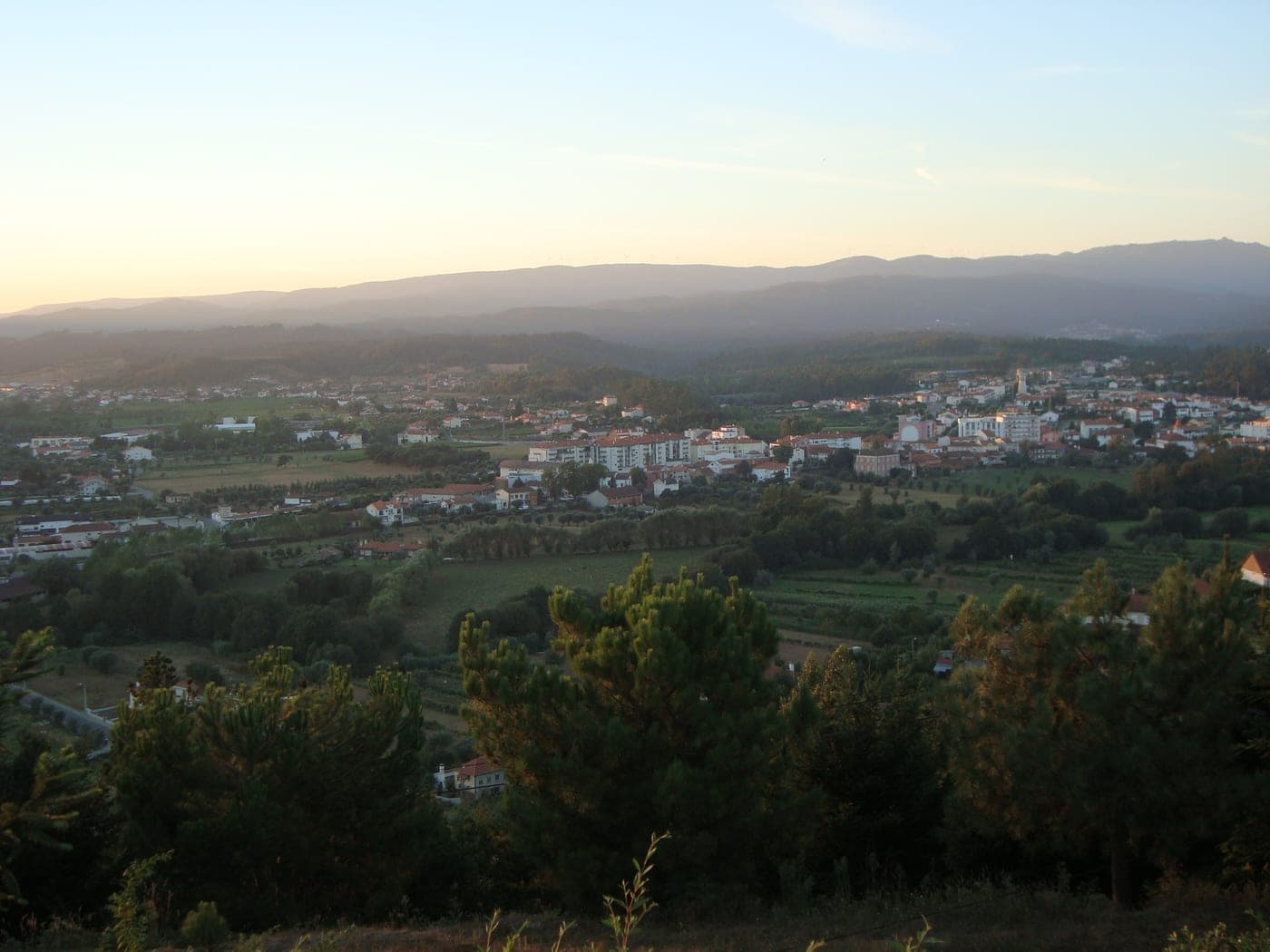 Wine Tasting5 destinations
Dão
Nestled in the heart of Portugal, Dão is renowned for its verdant vineyards and rich wine heritage, particularly for the Dão reds made from Touriga Nacional and Tinta Roriz grapes. This region is characterized by its rolling hills and granite mountains, providing a stunning backdrop for outdoor activities such as hiking and cycling. The towns of Viseu, known for its well-preserved medieval architecture, and Nelas, famous for its wine estates, offer travelers a taste of local culture and gastronomy. Dão is also home to the historic Roman ruins of Tavares and the picturesque village of Oliveira de Frades, where traditional crafts thrive. The region’s slower pace and focus on local produce create a unique experience for those looking to delve deeper into Portugal's rural lifestyle.
Wine TastingHiking