Pastel de nata
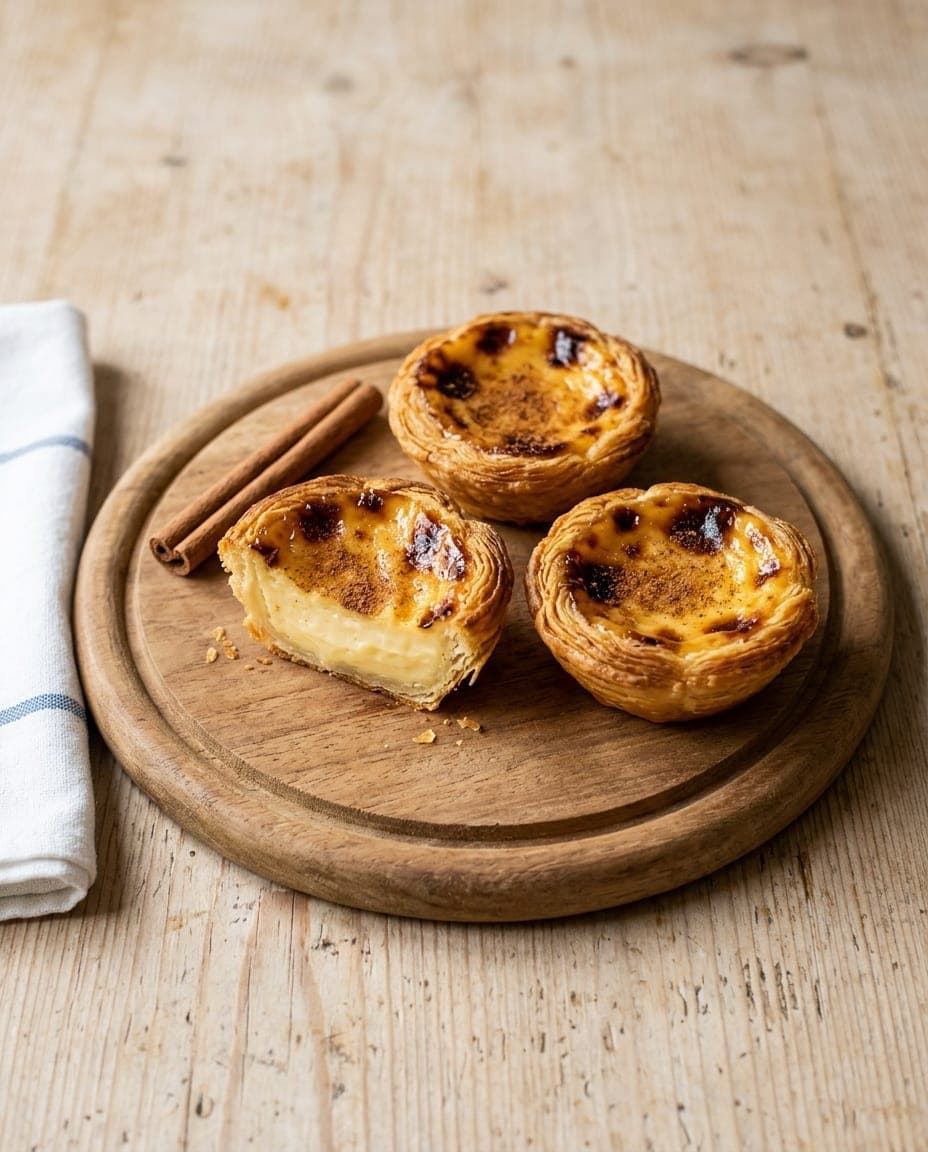
Flaky custard tart, blistered black on top
- Vegetarian
- Local name
- Pastel de nata
- Served with
- Cinnamon, icing sugar, espresso
- Best eaten at
- A Lisbon pastelaria
- Pairs with
- Bica (espresso)
What it is
The pastel de nata is a small, round pastry that sits somewhere between a tart and a muffin. It consists of a crisp, laminated shell filled with a thick, sweet custard made from egg yolks and sugar. The top is never smooth; when the tarts emerge from the oven, the surface is marked by dark blisters and blackened patches where the heat has caramelised the sugar. These charred spots are not a sign of burning but a deliberate result of baking at very high temperatures.
The pastry itself shatters into thin, buttery flakes when bitten. Inside, the custard is smooth and dense, contrasting with the crisp exterior. While the dish is now eaten everywhere in Portugal, its heart lies in Lisbon, specifically the Belém district on the Tagus River. They are eaten warm or at room temperature, with cinnamon and icing sugar added by the eater rather than by the baker.
The monks of Belém
The history of the pastel de nata is rooted in the religious orders that once dominated Lisbon. Monks at the Jerónimos monastery in Belém were making them, and after the Liberal Revolution of 1820 they began selling them through a shop nearby to bring in money. The usual explanation for why they had the ingredients is the one given for convent sweets across Portugal: egg whites were used in quantity to starch linen and to clarify wine, which left yolks by the bucket.
The political landscape changed drastically in 1834 when the Portuguese government dissolved the religious orders. The monks were expelled from the Jerónimos Monastery, leaving the pastry behind. The owners of a sugar refinery next to the monastery acquired the recipe, and in 1837 they opened a shop selling the tarts. The name given to these specific tarts was pastéis de Belém.
The distinction between the two names is important for anyone reading a menu. Pastéis de Belém refers only to the version sold by that single shop, which still operates in the same building next to the monastery, run by the founders' descendants. Every other bakery in Portugal and indeed around the world sells what they call pastel de nata. The recipe has been adapted by countless bakers, but the original method remains a closely guarded secret at the factory in Belém.
How the tarts are made
The structure of the pastry relies on lamination, a technique where layers of dough and butter are folded together repeatedly. This creates hundreds of thin sheets that separate when baked, resulting in the characteristic shattering texture. The custard filling is simple in its components but requires careful handling to achieve the right consistency. It is built on a thin flour-and-milk base cooked out first, into which a hot sugar syrup flavoured with lemon peel and cinnamon is beaten, and then the egg yolks.
The tarts are baked in small, round metal tins that give them their shape. The oven temperature is set high enough to cook the custard quickly while allowing the top to blacken. This rapid baking ensures the pastry remains crisp rather than becoming soggy. Once out of the oven, the tarts are often served immediately while the custard is still warm and slightly jiggly, though they are also enjoyed at room temperature when the flavour has settled.
How to eat it
The traditional way to enjoy a pastel de nata begins with how it is presented. They are usually sold in small paper boxes, sometimes stacked two or three high. The diner is expected to season the tart themselves before taking the first bite. A light dusting of cinnamon and icing sugar is standard practice, though some people prefer just one of these toppings.
The pairing is specific. In Lisbon, the tarts are almost always accompanied by a bica, which is the local term for a strong espresso. The bitterness of the coffee cuts through the sweetness of the custard, creating a balanced finish. This combination is so common that it defines the morning routine for many residents of the city.
In a pastelaria they come out of the oven in trays through the day, and the ones worth eating are still warm. They are eaten standing at the counter, in the hand.
The story of the name
The dual naming of the dish reflects a shift from religious exclusivity to public accessibility. Before 1834, the tarts were a monastery product sold on a small scale. After the dissolution of the orders, the recipe passed to the sugar refinery's owners. The name pastéis de Belém became synonymous with that specific factory's output, distinguishing it from the countless imitations that followed.
The protection is a registered trade name rather than a geographical designation of the kind that covers a cheese or a wine: one shop may call its tarts pastéis de Belém, and everyone else sells pastéis de nata. The two names on a menu mean exactly that and nothing more about quality.
Curious facts
- The black spots are intentional. The dark blisters on top of the custard are caramelised sugar, not burnt pastry. They indicate that the tart was baked at a high temperature to achieve the right texture.
- A protected name. Only one factory in Lisbon can legally sell pastéis de Belém. All other shops must label their version as pastel de nata.
- Monastic origins. The monks of Belém were selling them before the religious orders were dissolved in 1834; the yolks are said to have been left over from clarifying wine and starching linen.
- A morning ritual. The combination of a warm tart and a strong espresso is a standard breakfast or afternoon snack across Lisbon.
- There is flour in the custard. The filling is not a plain egg custard: a cooked flour-and-milk base carries the syrup and yolks, which is why it slices cleanly rather than running.
Where to try it
A pastelaria in Lisbon, of which there is one on most corners. The shop beside the monastery in Belém sells the protected version; everywhere else sells the same tart under the generic name, and the difference between a good one and a poor one is the oven rather than the address.
The sign of a good counter is turnover: trays going out warm rather than sitting under glass.
They are sold the length of the country and all year; Lisbon has no monopoly on baking them well.
Where to try it
1 destination
 Camper Van Rentals
Lisbon
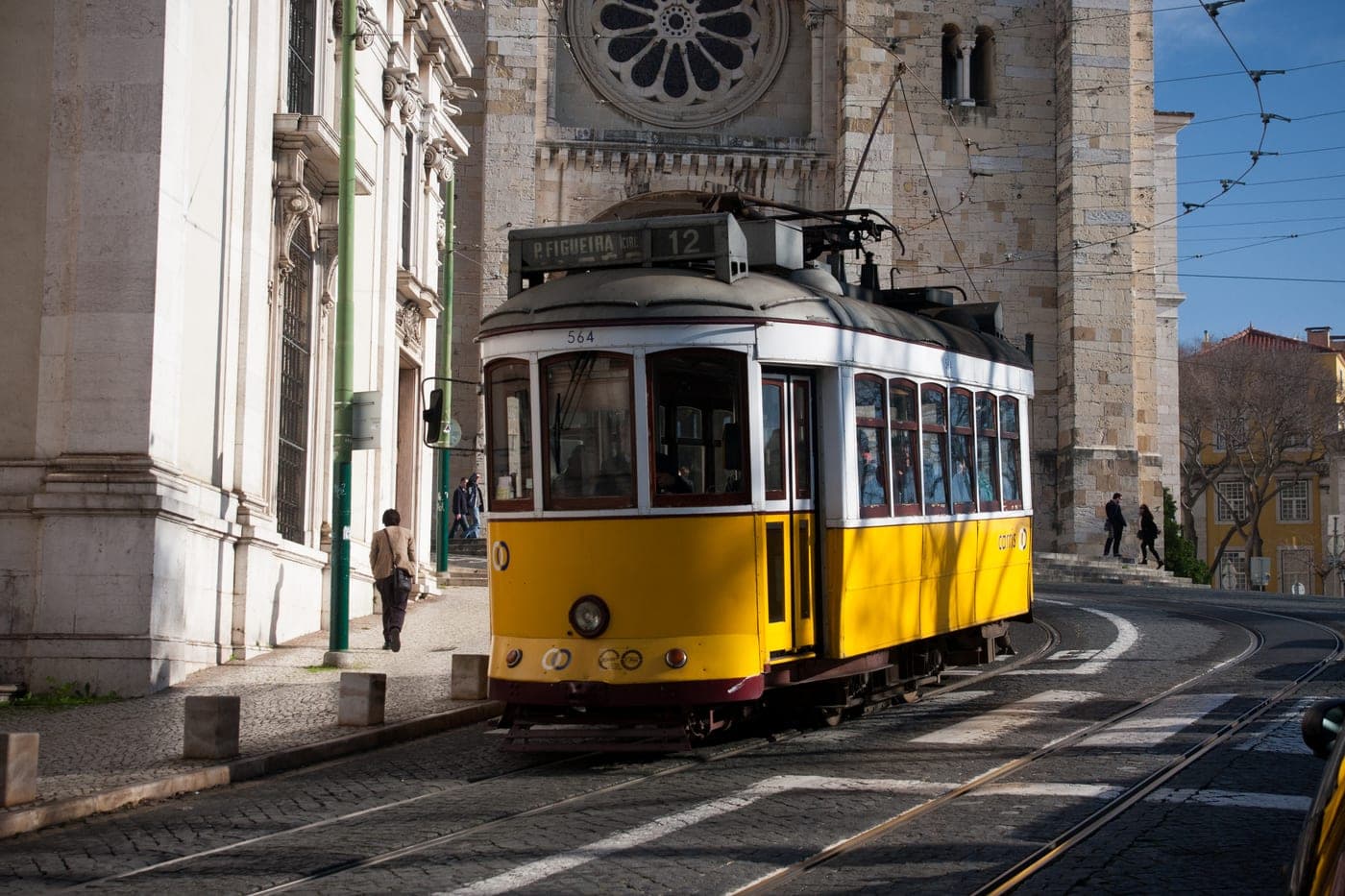
Hilly capital with historic trams, fado music, and Tagus River views.
Camper Van RentalsHiking
1 region
 Wine Tasting3 destinations
Lisbon
Lisbon, Portugal's capital, is a vibrant city known for its rich maritime history and unique architectural styles, including Manueline and Pombaline. It is situated on the edge of the Atlantic Ocean, making it the only capital city in Western Europe with a coastline. The Alfama district, with its narrow winding streets, offers a glimpse into the city's Moorish past, while the Belém area is home to the iconic Jerónimos Monastery. Off the beaten path, the neighborhood of Graça provides stunning viewpoints and local eateries. The region also hosts local festivals, like Festas de Lisboa, celebrating culture and tradition throughout June. Lisbon's proximity to the Sintra mountains allows for scenic hikes and exploration of palaces, making it a multi-faceted destination for those looking to explore at a leisurely pace.
Wine TastingHikingCamper Van RentalsBoat Rentals