Pastéis de Vila Real
Flaky egg-yolk and almond pastries from Vila Real in the Douro
- Vegetarian
- Local name
- Pastéis de Vila Real
- Served with
- Coffee
- Best eaten at
- A Vila Real pastelaria
- Pairs with
- Tawny Port
What it is
Pastéis de Vila Real are small, delicate pastries that belong firmly to the town of Vila Real in the northern Douro region of Portugal. They are not a widespread national sweet like the pastel de nata found in Lisbon, but a specific local treat that defines the pastry shops of this particular hillside town. The name is simple and descriptive: pastéis refers to the pastries themselves, while de Vila Real pins them to their place of origin.
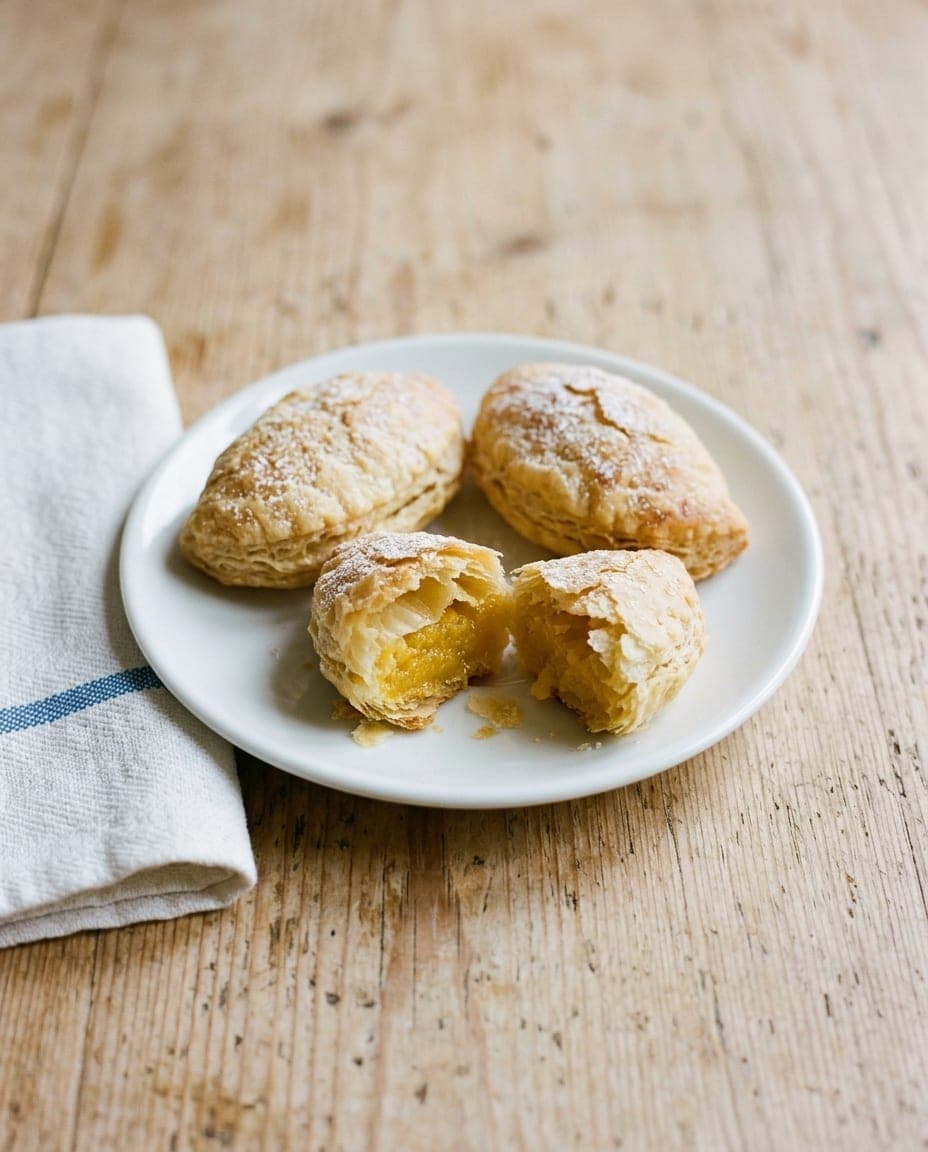
The exterior is a crisp, flaky shell made from thin layers of dough that shatter at the touch. Inside lies a dense, sweet filling based on egg yolks and ground almonds. The texture is smooth and slightly grainy, distinct from the custard-like fillings found elsewhere in Portugal. The flavour relies on the richness of the yolks and the nutty depth of the almonds, often with a little cinnamon.
These pastries are sold by the piece in local pastry shops, known as pastelarias. They are typically eaten warm or at room temperature, often purchased fresh from the oven to be enjoyed immediately. The dish is a staple of the town's daily rhythm rather than a ceremonial item reserved for special occasions.
Where they come from
The pastéis de Vila Real belong to the convent sweets of the Order of Saint Clare, whose half-moon pastries filled with egg and almond are found in several Portuguese towns; Vila Real had its own Santa Clara convent, demolished in the early 20th century. There are no specific records detailing the exact year or the person who first baked them, but the dish uses ingredients the region has had for centuries. The area is famous for its wine production, but it also supports orchards where almonds grow well on the steep slopes above the river.
Vila Real sits on a plateau above the Corgo valley, at the northern edge of the Douro wine country. The town has long served as a market centre for the surrounding rural communities. After the convents closed, the recipe passed to the town's bakers, and it has since become part of Vila Real's own pastry culture.
The reputation of the pastries grew alongside the town itself. As Vila Real became a hub for wine traders and farmers, the local pastelarias refined their recipes to create a distinctive treat that could be carried home or enjoyed on the spot. The dish remains closely tied to the identity of the town, distinguishing it from the sweets of Porto or the Algarve.
How they are made
The construction of a pastel de Vila Real relies on the contrast between the crisp shell and the soft filling. The dough, of flour, butter and a little water, is rolled out thinly and cut into rounds, then folded over the filling into a half-moon with sealed edges and baked until golden.
The filling is prepared from egg yolks and ground almonds. The yolks are cooked in a sugar syrup and mixed with the almonds without flour or cornstarch, which keeps the texture dense and creamy rather than cake-like. The filling sets in the oven into a smooth, golden core, and the pastries are finished with a dusting of icing sugar.
How to eat it
The traditional way to enjoy pastéis de Vila Real is in a local pastelaria in the town centre or its surrounding neighbourhoods. They are best eaten fresh from the oven, when the shell is still crisp and the filling warm.
They are almost always paired with a strong black coffee. The bitterness of the coffee cuts the fat of the egg-yolk and almond cream, creating a balanced experience. Some visitors also enjoy them with a glass of Tawny Port, the local fortified wine that complements the nutty flavours of the pastry.
Curious facts
- A regional signature. Unlike many Portuguese sweets found across the country, these pastries are rarely seen outside the Douro region and the immediate vicinity of Vila Real.
- Convent family. They are a Vila Real member of the Santa Clara family of half-moon convent pastries.
- Best fresh. They are at their best on the day they are baked, before the shell softens.
- Local pride. Residents tend to insist that the versions baked in Vila Real are better than copies made elsewhere.
Where to try it
Vila Real, in the pastelarias of the town centre, where they are baked through the morning and sold over the counter.
The town stands on a plateau above the Corgo and the Douro, at the top of the wine country, and it is a market town rather than a destination, which is reflected in the price. The pastries are rarely found further down the valley and almost never outside the region.
Where to try it
1 destination
 Wine Tasting
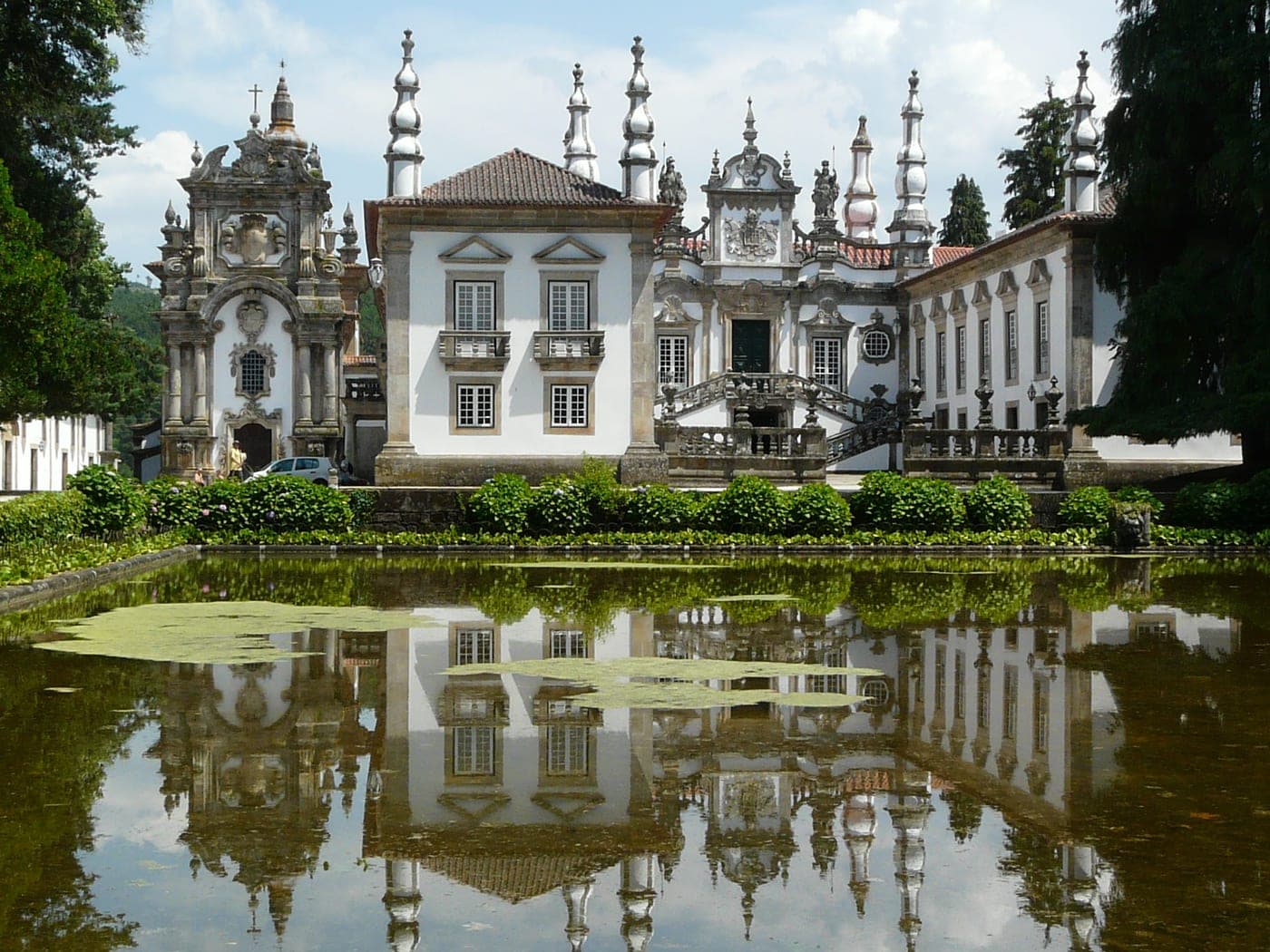
Vila Real
Capital of the Douro region with wine estates and baroque palace.
Wine TastingLocal Cuisine