Pastéis de Tentúgal
Paper-thin pastry from Tentúgal, filled with egg yolk cream
- Vegetarian
- Local name
- Pastéis de Tentúgal
- Best eaten at
- A Tentúgal pastry shop
- Pairs with
- Bica (espresso)
What it is
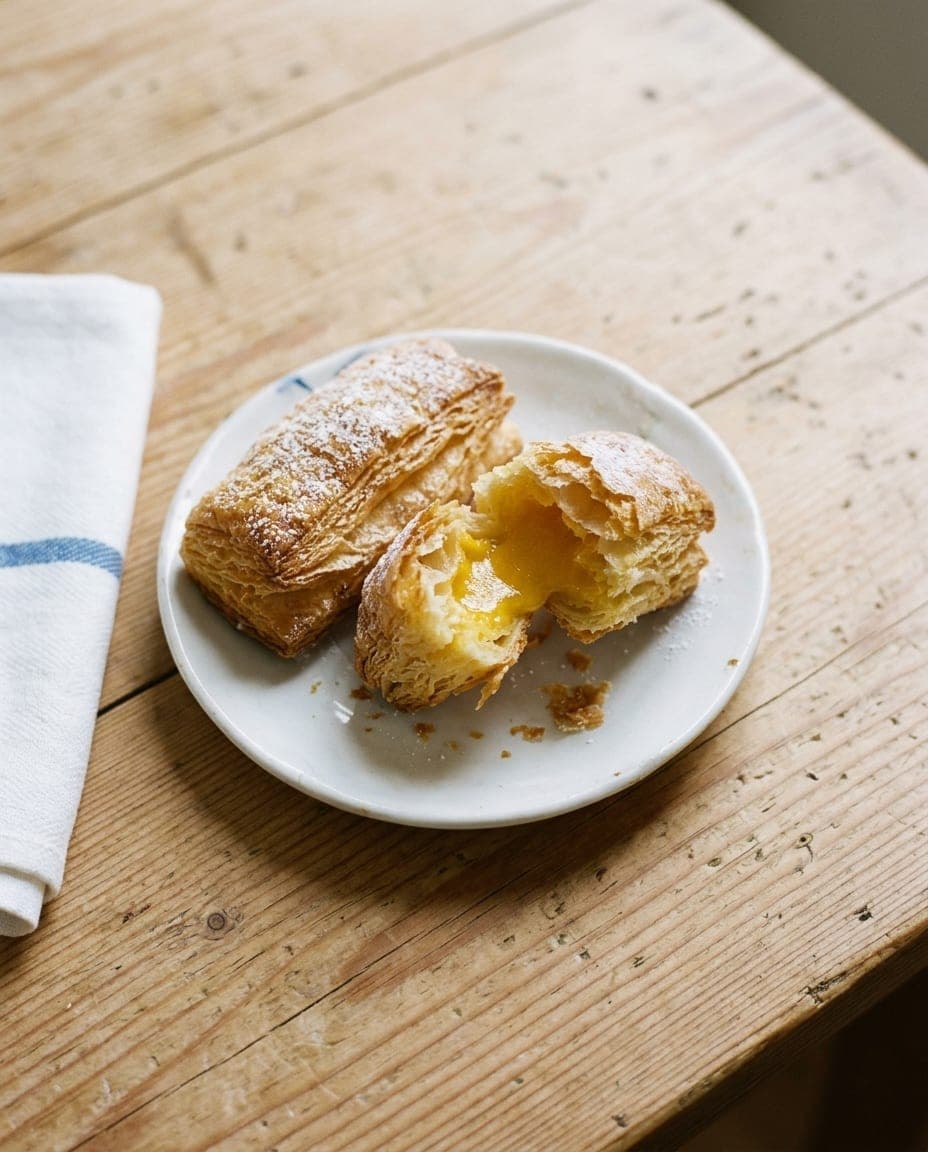
Pastéis de Tentúgal are a regional speciality from the small town of Tentúgal, just outside Coimbra in the Beiras region. They are sweet pastries defined by an extreme thinness that borders on transparency, wrapped around a rich filling of egg yolks and sugar known locally as doce de ovos. The result is a delicate shell that shatters at the slightest touch, revealing a dense, custard-like centre.
Unlike many Portuguese pastries made from laminated butter dough, these use a simple dough of flour and water. The skill lies entirely in the stretching. A baker takes the dough and stretches it over a cloth until it becomes so thin that light passes through it, before brushing it with fat and wrapping it around the filling. This technique creates layers that separate into crisp flakes when baked.
The name is tied to the Carmelite nuns of the Tentúgal convent, who are credited with developing the recipe centuries ago. Today, Pastel de Tentúgal is an EU Protected Geographical Indication (PGI, registered in 2013), ensuring that only pastries made in this specific manner and in Tentúgal can bear the title. It is a dish that belongs strictly to the Beiras and is rarely found in its authentic form elsewhere.
The convent tradition
The history of the pastry is rooted in the local Carmelite convent. For generations the nuns worked through the egg yolks left over when the whites had gone to clarify wine and to starch linen — the standing surplus of every Portuguese convent. These yolks were cooked in sugar syrup to create a thick, sweet cream that could be stored.
Over time, this filling was encased in a pastry made by hand, creating a treat that became synonymous with the convent's presence in Tentúgal. The recipe remained within the walls of the monastery for a long period, passed down through oral tradition rather than written records. It is not certain when the exact method of stretching the dough over cloth was formalised, but the technique has been preserved by the few families and shops that continue to make them today.
The protection of the name is a relatively recent development, designed to safeguard the local heritage against imitation. This status ensures that the specific methods of Tentúgal are maintained, preventing mass-produced versions from diluting the reputation of the original sweet. The result is a pastry that remains a labour-intensive craft rather than a factory product.
What goes into it
The ingredients are modest in number but demanding in execution. There is no need for complex spices or exotic fruits; the flavour relies on the purity of the components and the skill of the baker.
- Flour and water: The dough contains only these two elements, creating a neutral base that allows the filling to shine.
- Egg yolks: The heart of the filling, providing a deep yellow colour and a smooth, creamy texture.
- Sugar: Used in generous quantities to balance the fat of the yolks and create the custard consistency.
- Cinnamon: Used in some versions of the cream; the crescent version also takes almonds.
- Fat: The dough is brushed with fat before it is folded; the PGI specification sets it as a blend of mostly vegetable margarine with some butter.
The filling is cooked slowly until it thickens into a dense paste that holds its shape when cooled. The pastry is then wrapped around this centre, as a flattened tube with crimped ends or as a crescent, before being baked until golden and crisp.
How to eat it
Pastéis de Tentúgal are best enjoyed fresh from the oven, while the shell is still warm and brittle. They are typically served as a sweet treat alongside coffee, rather than as a dessert that follows a full meal. The shell shatters on contact and goes everywhere, which is why they are eaten over a plate and in small bites.
The traditional pairing is a bica, the local term for a strong espresso served in a small cup. The bitterness of the coffee contrasts sharply with the intense sweetness of the pastry, creating a balanced finish. A glass of sweet wine does the same work in the afternoon, though coffee is the standard.
Because the pastry is so delicate, it does not keep well for long periods. It is best eaten on the day it is made, which means finding an active bakery in Tentúgal is essential for the full experience. The shop itself becomes part of the ritual, as the smell of baking sugar and eggs often fills the small street where they are sold.
Curious facts
- The dough is edible paper. The stretching technique creates a layer so thin it is almost translucent, a skill shared with only a few other traditions, such as strudel.
- No laminated butter. Unlike puff pastry, the flakiness comes from manual stretching and a light brushing of fat rather than folded layers of butter.
- Protected status. The name has been an EU PGI since 2013, so only producers in Tentúgal can use the title.
- Monastic origins. The recipe is credited to the Carmelite nuns who lived in Tentúgal from 1565 until 1898.
- A fleeting texture. The pastry loses its crispness quickly and is best consumed immediately after baking.
Where to try it
The only place to find authentic Pastéis de Tentúgal is in the town of Tentúgal itself, near Coimbra. While some shops in nearby Coimbra may sell versions inspired by the original, the true experience comes from a bakery in the village where the recipe has been maintained for generations.
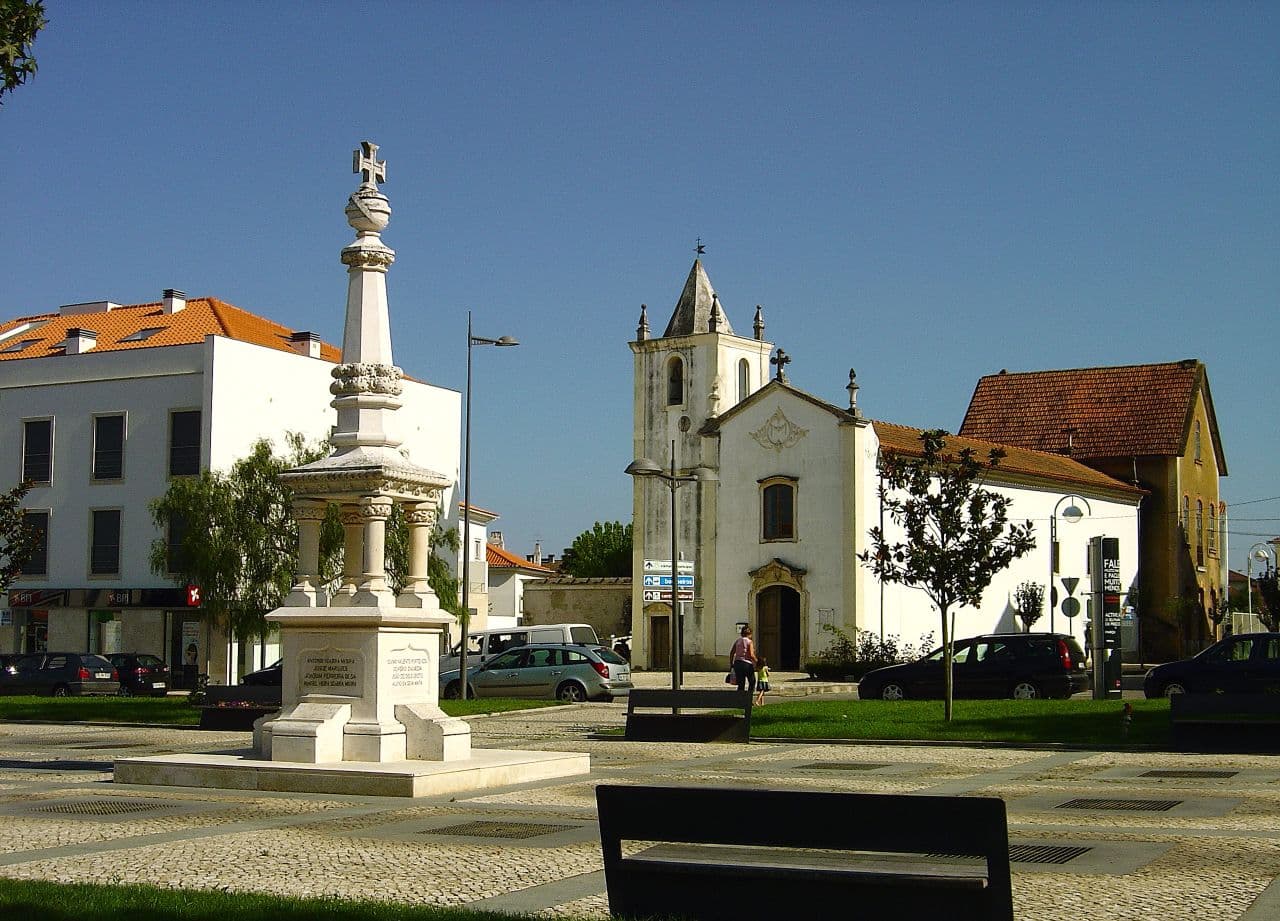
Tentúgal lies a short drive west of Coimbra and is small enough to cross on foot, which makes finding the bakeries straightforward: there are only a few, and they are the reason anyone stops. The convent church still stands in the middle of the town.
Where to try it
1 destination
 Wine Tasting
Coimbra
Historic university city near Bairrada wine region with wine tourism and tastings.
Wine TastingBoat RentalsLocal Cuisine
1 region
 Wine Tasting6 destinations
Beiras
Beiras, the largest region in Portugal, is known for its diverse landscapes and rich heritage. The region features the stunning Serra da Estrela mountains, home to Portugal's highest peak and unique glacial valleys. Historical cities like Coimbra, with its ancient university, and Viseu, famed for its Renaissance architecture, attract those interested in culture and history. The region is also renowned for its artisanal cheeses, particularly Queijo da Serra, and traditional wines like Dao. Charming villages like Piódão, with its schist houses, offer a glimpse into local life. Beiras is the only region with significant access to both mountains and coastline, providing a variety of outdoor activities, from hiking to beach visits.
Wine TastingHikingBoat RentalsLocal Cuisine